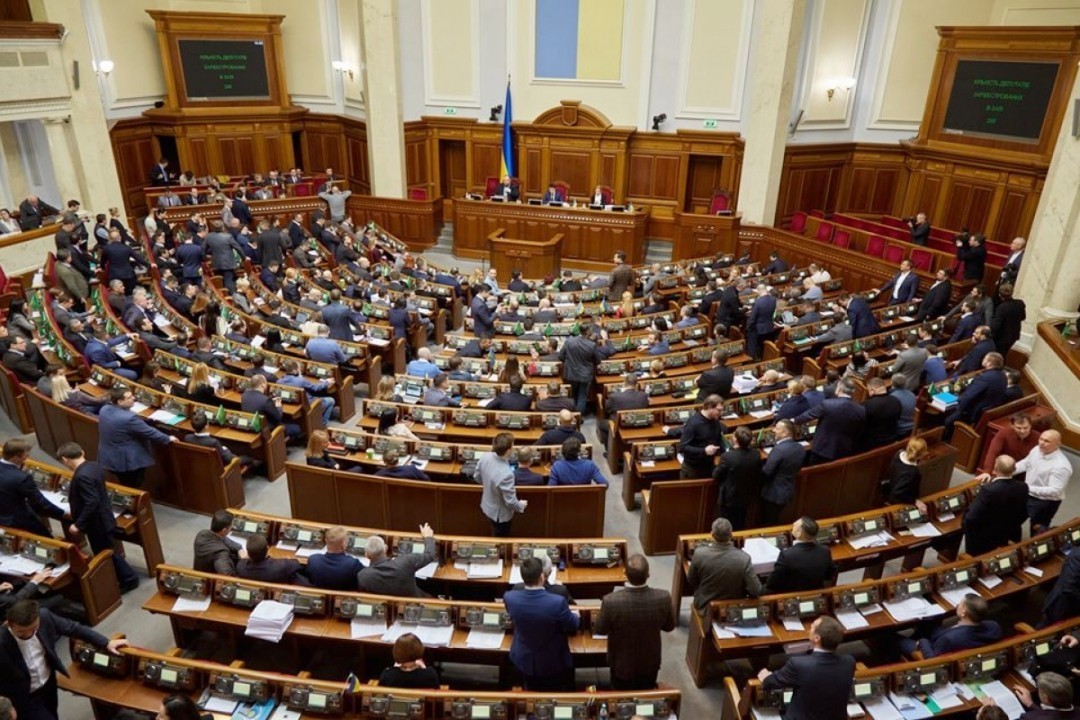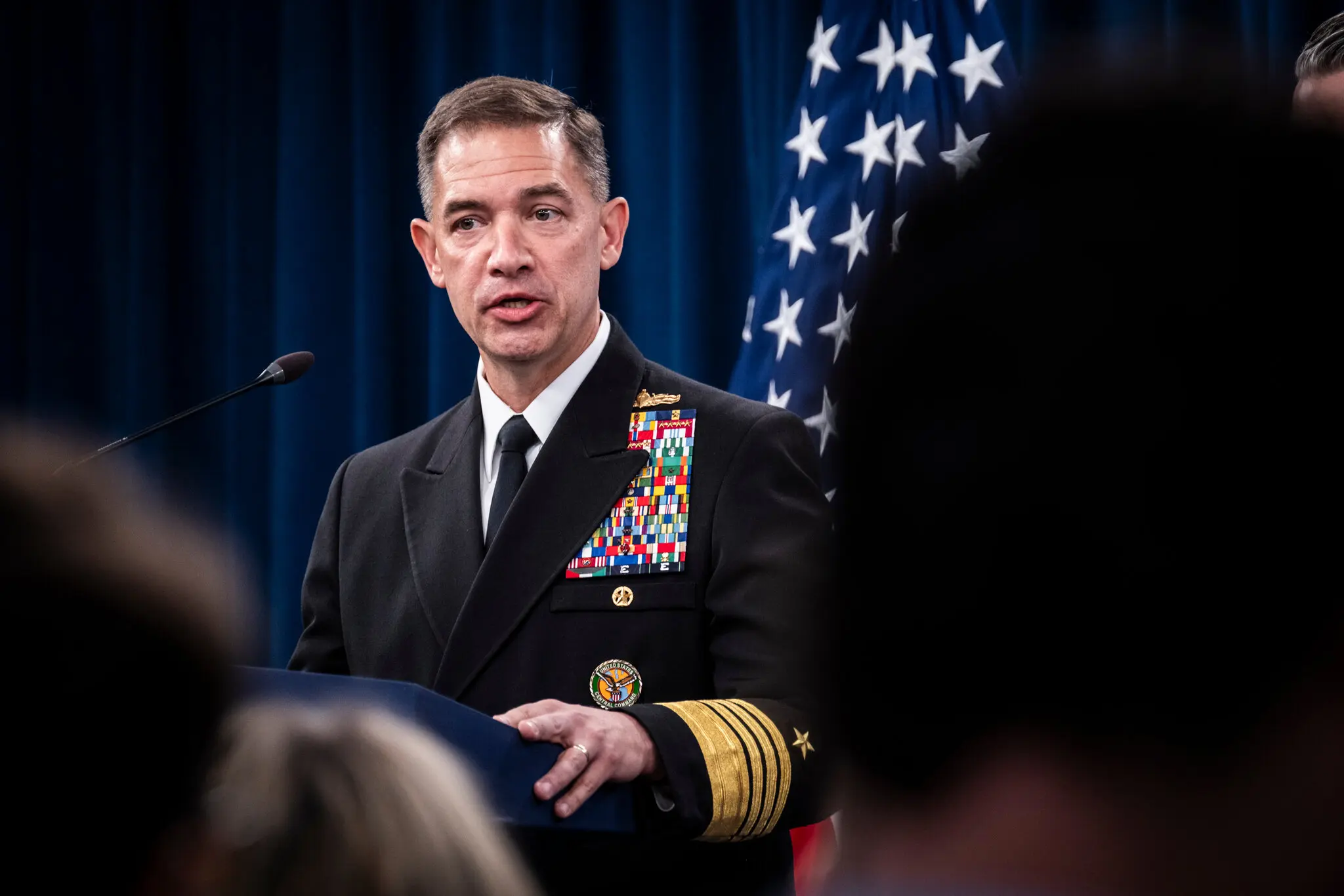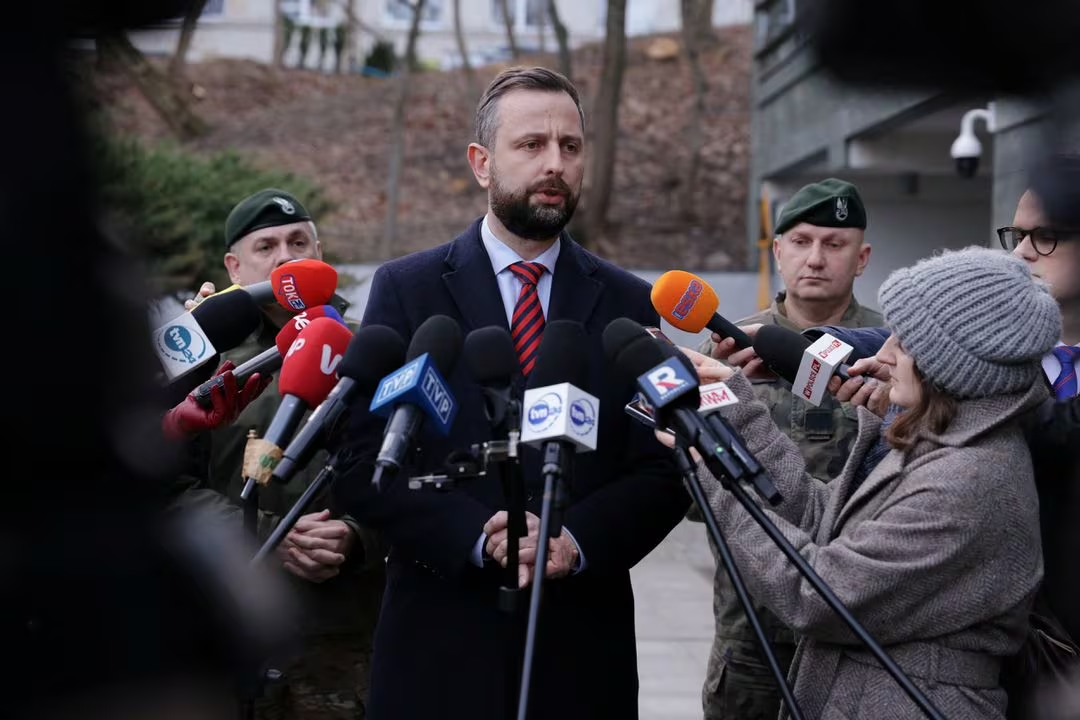






















Ukraine’s allies have announced $1 billion in contributions under NATO’s Prioritised Ukraine Requirements List program. The decision came after a meeting of the Ukraine Defense Contact Group, known as the Ramstein format, and marked another signal that military aid is moving into a more practical phase.
Ukrainian Defense Minister Mykhailo Fedorov said the total value of support packages could exceed $4 billion. That means this is not a one-off replenishment of stocks, but a broader financial framework intended to address the most urgent needs of the Ukrainian army.
PURL matters because of its logic. It is not a classic political gesture or a long discussion about future deliveries. The mechanism is designed so that partners can finance Ukraine’s priority requests — those that directly affect its ability to hold the front, protect cities and strike Russia’s war machine.
According to Daycom’s assessment, the program is gradually becoming one of the key instruments of Ukraine’s wartime resilience. It shifts allied support from the rhythm of occasional packages to the rhythm of planning, where needs are defined not by political calendars, but by the intensity of the war.
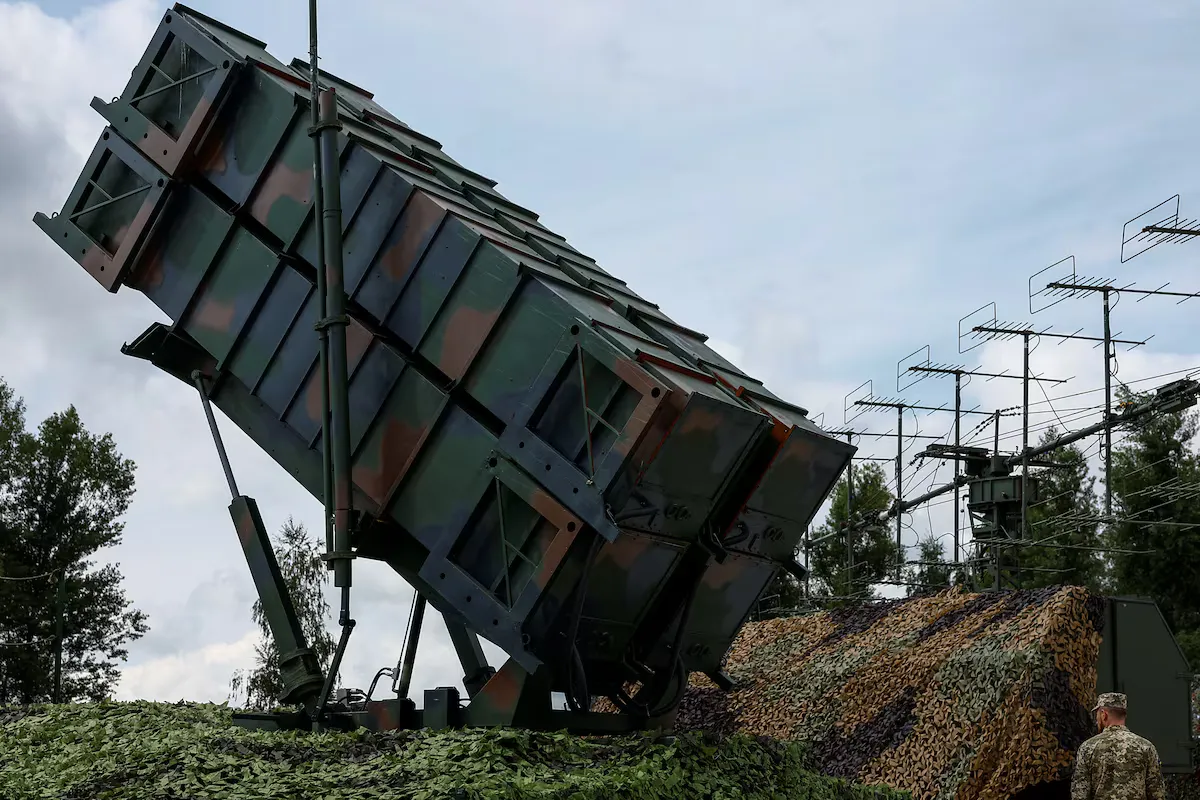
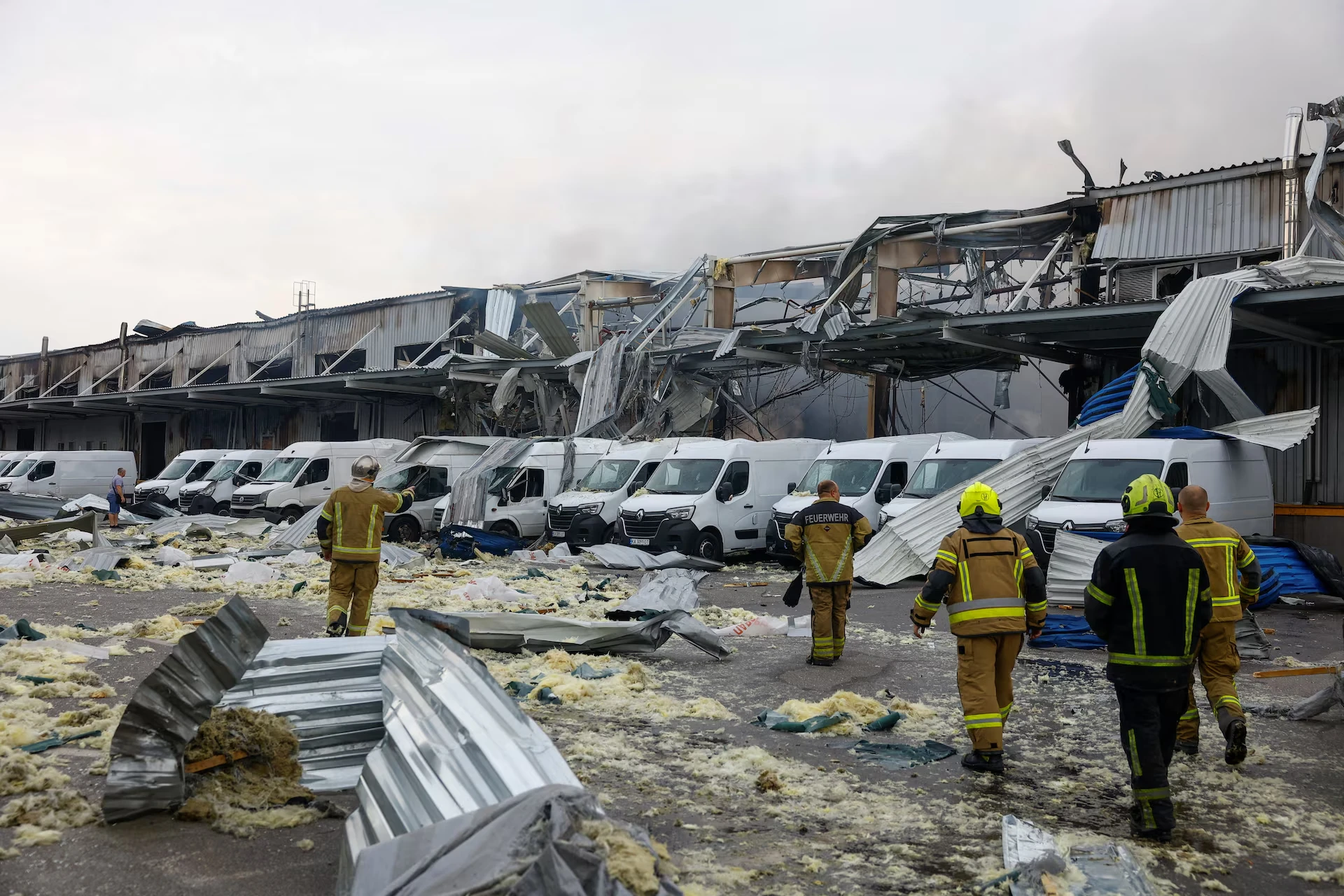
For Kyiv, this is especially important against the backdrop of a new phase of Russian strikes. Ukraine is entering a period in which it simultaneously needs air-defense missiles, ammunition, strike systems, equipment, repair resources and a reserve of strength before winter. A single shortage in that system can quickly become a weak point for the entire defense effort.
Russia is trying to wage a long war. It presses at the front, strikes cities, attacks energy infrastructure and counts on the West tiring before the Ukrainian army loses its ability to defend itself. That is why, for Ukraine, the amount of aid matters — but so do regularity and predictability.
The Ramstein format retains its value precisely as the place where Ukraine’s military needs are translated into coalition decisions. After more than four years of full-scale war, Kyiv can no longer depend on symbolic statements. It needs a system in which every package has a clear timeline, source of funding and combat purpose.
A $1 billion package does not solve every problem. The scale of the war is far larger than any single announcement. But it shows that allies are looking for ways to narrow the gap between Ukraine’s request and actual delivery. In a war of attrition, time often becomes as important a resource as money.
The potential increase of support to more than $4 billion creates another political effect. It shows Moscow that aid to Ukraine is not disappearing despite fatigue, elections, internal disputes and competing global crises. For the Kremlin, that is a bad signal: the bet on exhausting Kyiv’s partners is not producing quick results.
At the same time, PURL does not remove the central problem — the global shortage of weapons and ammunition. Western arsenals were not prepared for a war of this scale. Production of missiles, air-defense systems, artillery shells and precision weapons takes time. Funding is only the first step; factories, contracts and deliveries must follow.
For Ukraine, it is essential that PURL not become an elegant label without sufficient substance. The priority list must function as a rapid-response mechanism: if Russia intensifies missile strikes, Ukraine must receive more interceptors; if pressure grows at the front, ammunition and equipment must arrive faster.
In that sense, the new package matters not only for the battlefield, but also for diplomacy. Ukraine is asking partners at the same time to tighten sanctions, fund its army, support European integration and prepare for a negotiating phase. But negotiations make sense only when Ukraine is backed by strength, not by shortages of missiles and shells.
Support through PURL can also ease some of the political tension between the United States, NATO and European allies. If some countries have production capacity while others are ready to pay, the mechanism can connect those two elements. For Ukraine, the result is what matters: weapons must arrive not when bureaucracy finds it convenient, but when the front needs them.
This is especially urgent ahead of another winter. Russia has already shown that it uses cold as an instrument of war: strikes on energy infrastructure, attempts to break civilian endurance, pressure on cities and essential systems. Without sufficient air defense, even the best diplomacy cannot protect power plants, hospitals, schools and residential districts.
For the Ukrainian army, the PURL package is not abstract billions. It means intercepted missiles, preserved units, protected logistics nodes, more precise strikes on Russian facilities and less dependence on emergency improvisation. The war has become so industrial that funding translates directly into the capacity to survive.
At the same time, allies must understand that aid to Ukraine is not charity. It is an investment in European security. Every dollar spent on Ukraine’s defense lowers the risk that Russia will test other borders, other capitals and other security systems.
That is why new contributions to PURL should be viewed as part of a wider response to Russia’s strategy. Moscow wants to prove that time is on its side. Ukraine’s allies must prove the opposite: that time can work for those able to organize resources, production, political will and military logic into one system.
The announced billion is not a final answer and not a guarantee of a turning point. But it is a step toward making Ukraine’s defense less dependent on pauses and hesitation. In a war where missiles, drones, fuel, shells and delivery speed decide each day, predictability can matter as much as the volume of aid itself.