
























Belarus has returned to the center of Ukraine’s military map — not as a separate front, but as auxiliary infrastructure for Russian aggression. Volodymyr Zelensky has again urged Minsk to dismantle equipment that Kyiv says helps Russia conduct drone attacks on Ukrainian regions.
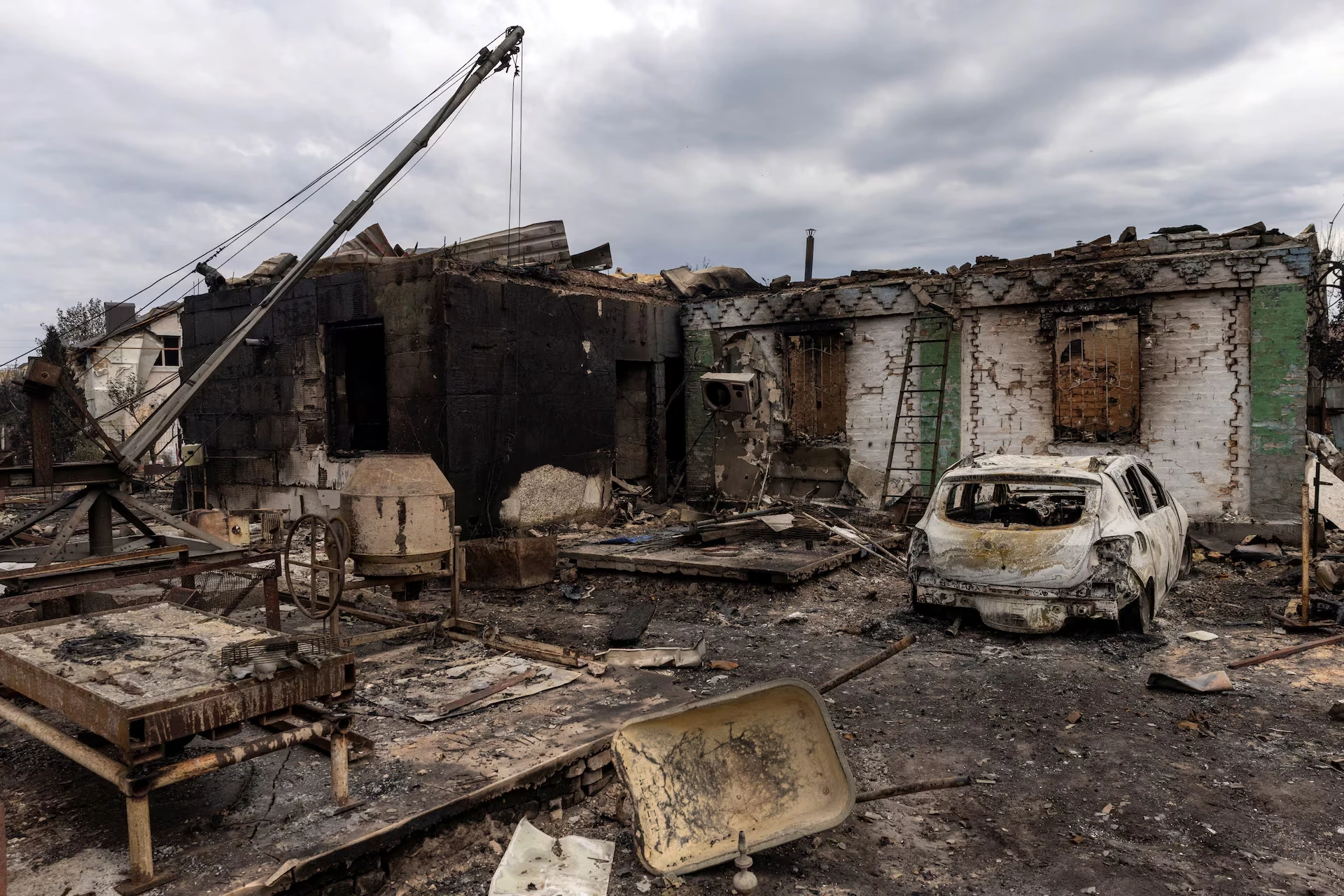
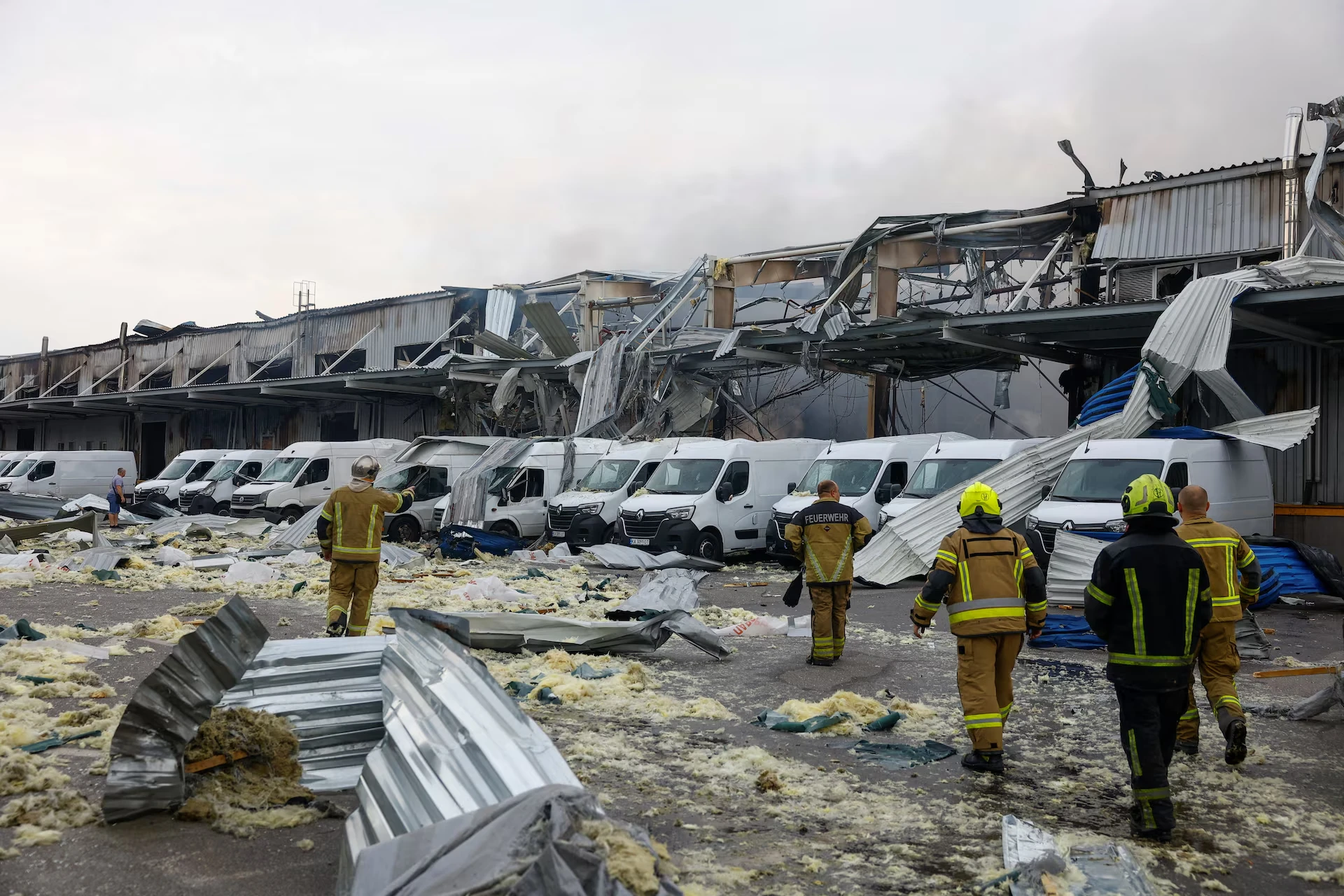
The warning did not come in a diplomatic vacuum. It followed renewed Russian strikes and alerts over the threat of a massive attack on Ukraine. In that context, the Belarusian direction no longer looks peripheral. It has become part of the wider system of danger around Ukraine’s northern border.
Ukraine says four relay stations in the Gomel and Brest regions are involved. Such equipment, according to Kyiv, helps Russian drones reach Zhytomyr, Rivne and Volyn regions, as well as energy infrastructure, railway lines, cities and villages.
According to Daycom’s earlier analysis, the most important shift is the change in tone. Ukraine is no longer speaking about Belarus only as the territory Russia used at the start of the full-scale invasion. It is now describing technical and economic participation in sustaining the war.
Minsk has spent years trying to preserve ambiguity: remaining Moscow’s closest ally while avoiding the full image of a direct party to the war. Alexander Lukashenko has repeatedly claimed that he does not want deeper involvement in the conflict. Ukraine’s message now makes the test harder: neutrality must be proven by action, not wording.
The critical issue is not only the relay stations. Zelensky also pointed to Belarusian factories working for Russia and to the fuel sector. From January through May, gasoline supplies from Belarus to Russia increased thirteenfold compared with the same period last year, while diesel supplies tripled.
Those figures matter because fuel has become one of the central resources of the war. Ukraine has been systematically striking Russian oil refining capacity to weaken Moscow’s ability to supply the army, sustain logistics, fuel aviation and protect budget revenues. If Belarus helps compensate for those losses, it softens the effect of that pressure.
That is why Belarusian oil refining has moved from a technical question into a political one. For Moscow, it becomes a reserve fuel channel. For Minsk, it is a source of income and a way to preserve Kremlin loyalty. For Ukraine, it is part of the material base of Russian aggression.
Kyiv’s warning is addressed not only to Lukashenko, but also to the Belarusian state apparatus, industrial managers and security structures. The logic is straightforward: every factory supplying components for Russian weapons, and every facility helping strikes on Ukraine, loses the status of neutral economic infrastructure.
This does not mean the automatic opening of a new front. Ukraine has no interest in expanding the war northward. But it is drawing a clearer line: if the territory of a neighboring state is used for drone guidance, attack support and resource supply to the aggressor, that territory stops being merely a rear area.
The Belarusian factor remains especially sensitive because of February 2022. It was from Belarusian territory that Russia opened one of its main thrusts toward Kyiv. Since then, Minsk has tried to balance dependence on Moscow with fear of direct entry into the war.
That balance is becoming less convincing. If relay stations on Belarusian territory assist Russian drones, and Belarusian fuel helps cover gaps in Russia’s refining capacity, the formula “we are not fighting” becomes a political shell without substance.
For Ukraine, the threat from the north is no longer limited to ground forces. In modern war, a border can function as a space of signals, logistics, launches, guidance and maintenance. A relay station in a border region can be as important to a strike as a military column.
That is why Kyiv is speaking about dismantling, not another pause for discussion. If the equipment is removed, Minsk reduces the risk of escalation. If it remains, Belarus leaves on its territory an instrument that directly serves Russia’s war. In such a situation, silence or delay also becomes a position.
For Lukashenko, this is a dangerous moment. His politics have long rested on controlled ambiguity: one message for Moscow, another for the West, a third for domestic society. But the war is steadily destroying the space for gray zones. Ukraine is demanding a physical result — removed equipment and an end to assistance for the aggressor.
For the Kremlin, the Belarusian resource also has limits. Russia can use its ally’s territory, factories, logistics and fuel, but the deeper Minsk is drawn in, the higher the price becomes for Lukashenko’s own regime. The war he wanted to keep nearby, but not inside, is moving closer.
Ukraine’s long-range campaign against Russian oil infrastructure is changing that logic as well. Strikes far beyond the border regions have made clear that the war over fuel is no longer confined to the familiar geography of the front.
In this new contour, Belarus is becoming not simply Russia’s ally, but a potential compensator for Russian losses. The harder Ukraine hits Russian refining, the more valuable Belarusian supplies become for Moscow. And the harder it becomes for Minsk to claim that it stands aside.
Zelensky is effectively offering Lukashenko a simple final test: if Belarus truly does not want to be dragged into the war, it must remove what helps Russia strike Ukraine and stop feeding Russia’s war machine. Few convincing proofs remain beyond that.
The Belarusian node of the war is made of antennas, factories, fuel tanks and political fear. It does not look like a front in the classical sense, but it can determine whether a drone reaches a Ukrainian city, whether the Russian army receives fuel, and whether Moscow can continue shifting part of its war onto an ally.
That is why Kyiv’s warning is not rhetoric for an evening address. It is an attempt to assign responsibility before a gray zone becomes an open line of conflict. Belarus can still reduce its role. But to do so, it must take the step it has avoided for years: stop being convenient infrastructure for someone else’s war.