






















The Black Sea and the Sea of Azov have again become not the periphery of the war, but one of its central fronts. Russia and Ukraine have exchanged strikes on vessels and port infrastructure, while the global wheat market reacted as if the fighting had moved not only closer to ships, but closer to every future grain contract.
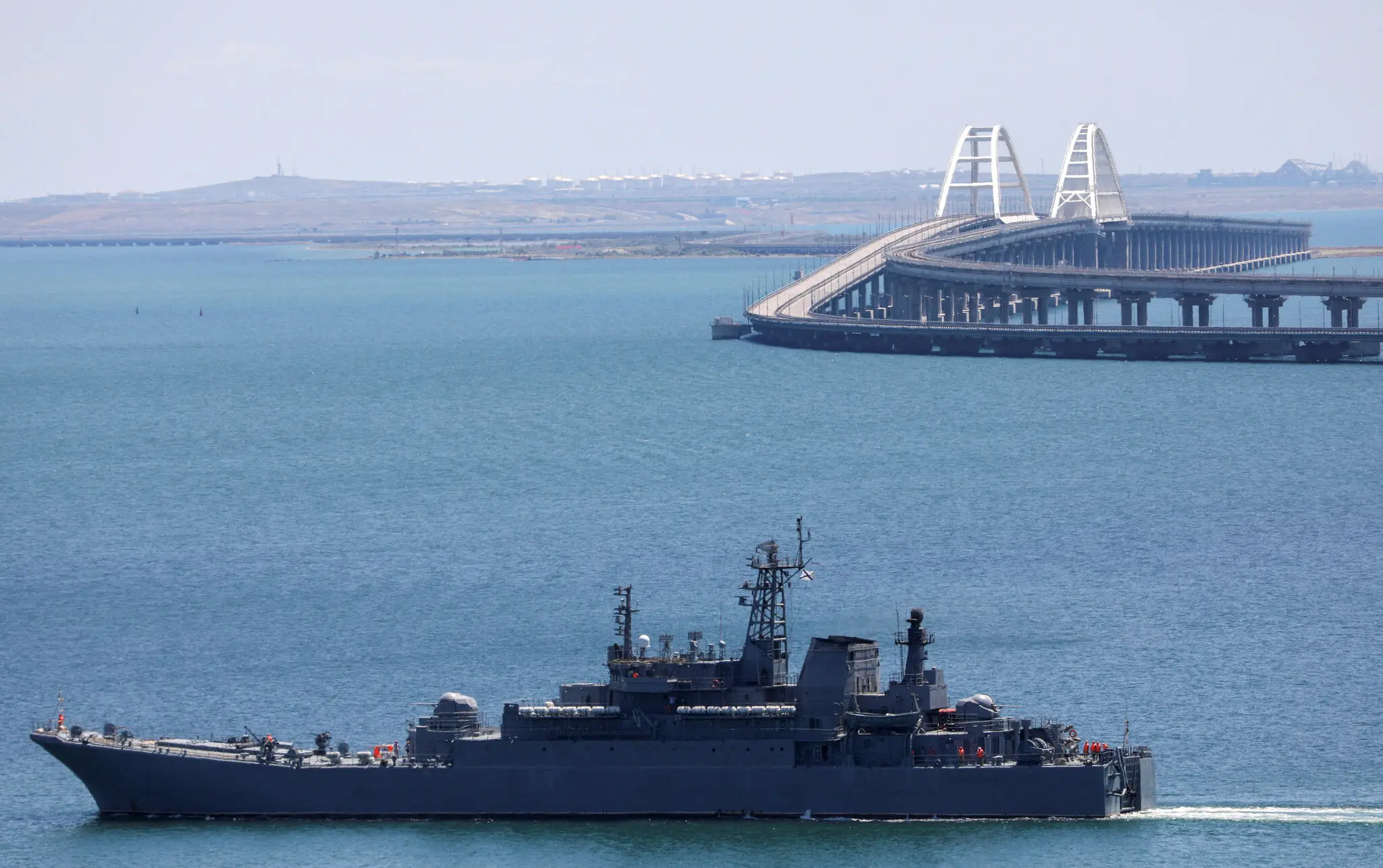
Ukraine said it had hit at least 11 Russian vessels, including tankers, dry cargo ships and tugboats. Russia, in turn, said it had struck a Ukrainian maritime vessel and a speedboat on routes toward ports in the Odesa region. Both sides are increasingly moving the war onto the water corridors that sustain their economies and militaries.
These are no longer isolated episodes. Since early July, Kyiv has been systematically striking Russian vessels in the Sea of Azov and is now expanding the campaign into the Black Sea. Moscow, meanwhile, is intensifying attacks on the deepwater ports of Greater Odesa, through which Ukraine exports grain, metal, oil and other cargo vital to its wartime economy.
According to Daycom’s earlier analysis, the current maritime escalation is dangerous because it fuses three wars into one: the struggle over Crimea, attacks on Russia’s energy logistics and control over grain export routes. Where the issue once appeared to be ships, it is now prices, insurance, food security and political pressure.
Ukraine’s campaign has a clear military logic. Russia uses the sea to supply occupied Crimea, move fuel, transfer auxiliary cargo and sustain its military presence in the south. If roads, bridges and railways become dangerous, Moscow turns to vessels. If those vessels also come under attack, Russia’s logistical space narrows further.
That is why the targets include not only warships, but tankers, dry cargo vessels, gas carriers and tugboats. In a war of attrition, an auxiliary vessel can matter as much as a missile boat. It carries fuel, pulls damaged ships, supports port operations and keeps the supply system from stopping.
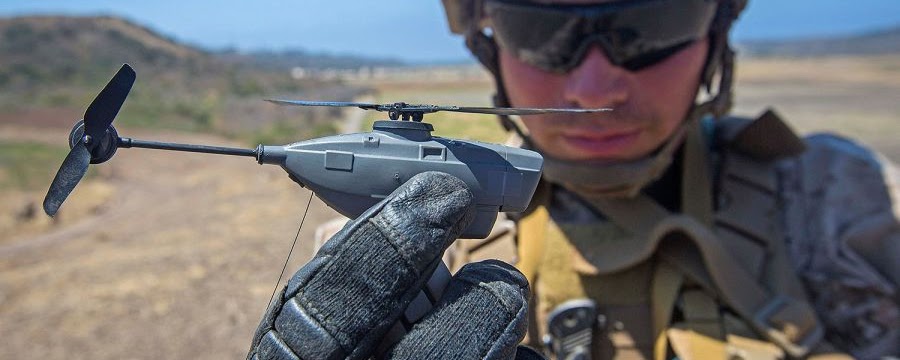
For Ukraine, this is a way to hit Russia’s weak point without a symmetrical fleet. Kyiv does not have a large navy capable of fighting a classic ship-to-ship battle. But drones, missiles, intelligence and precise targeting allow it to create a different reality: the sea may remain formally under Russian influence, but in practice it becomes dangerous for Russian logistics.
The Sea of Azov is especially painful for Moscow. After occupying Mariupol and Berdiansk, Russia treated it as an internal rear area. Ukrainian strikes are now forcing restrictions on shipping along a route that carries a significant share of Russian grain exports. That is no longer only a blow to military supply, but to the export machine.
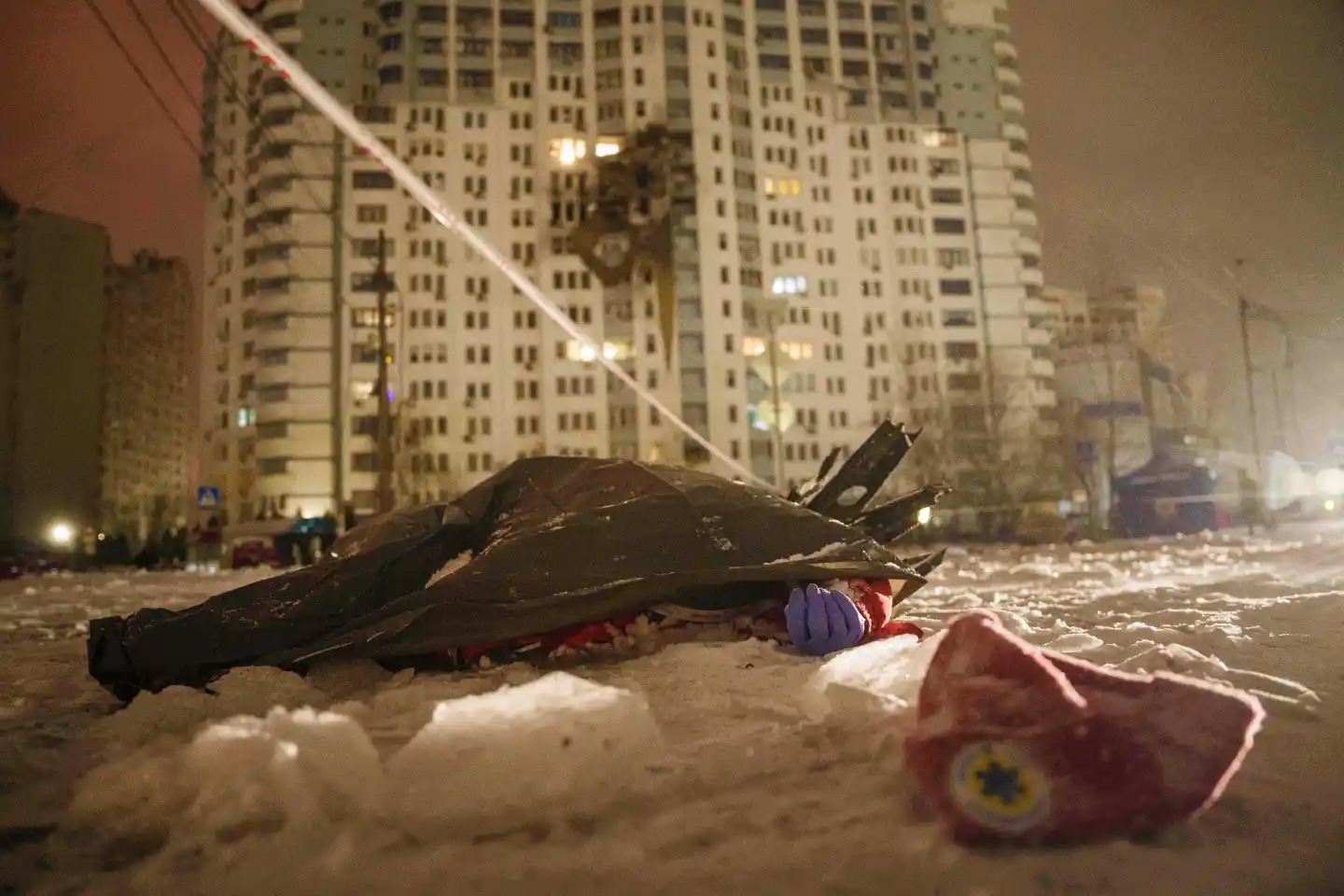
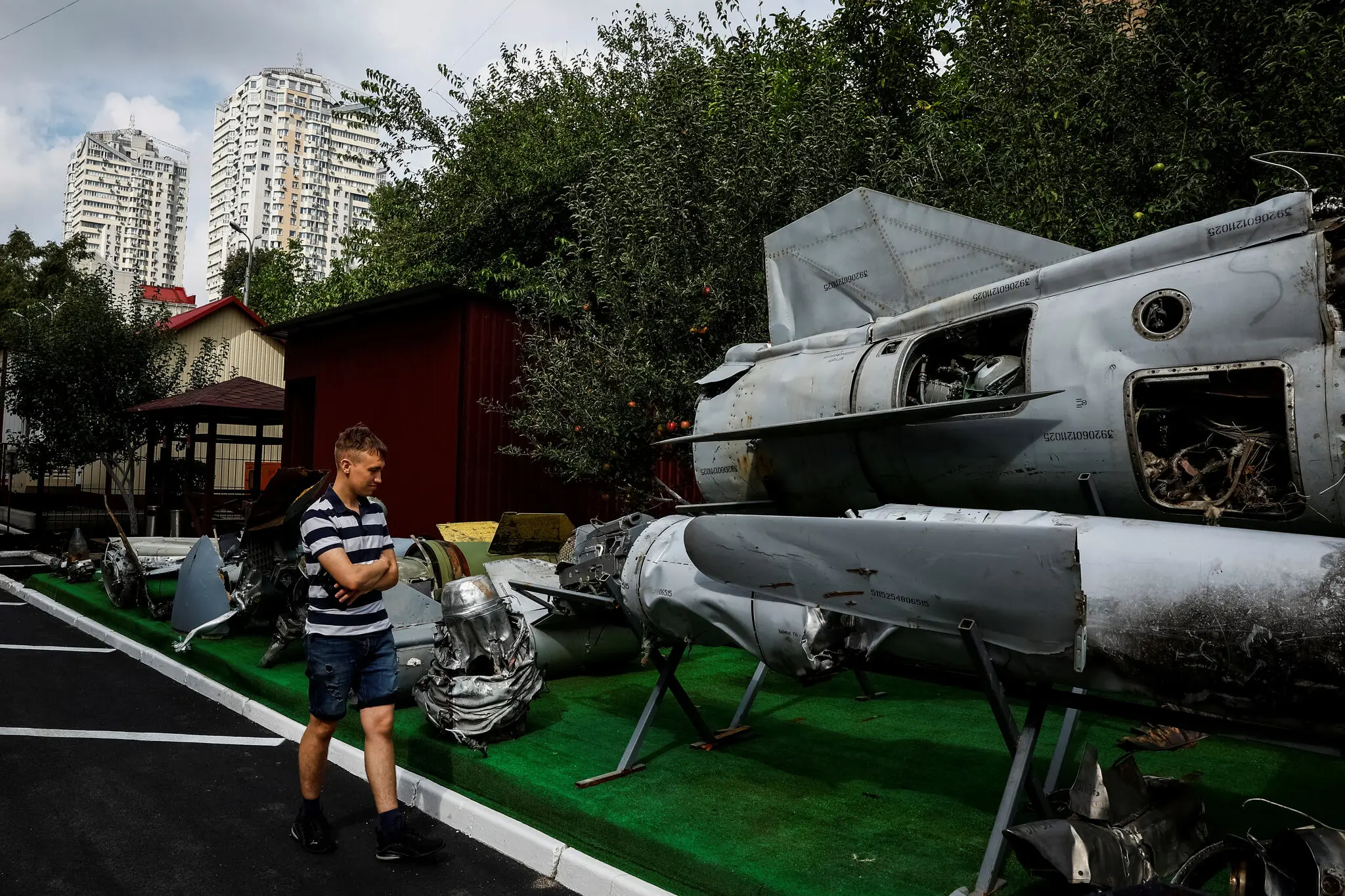
Russia also understands the weight of maritime routes and is striking Ukraine’s port system. Attacks on Kyiv, the Odesa region, Pivdennyi and port infrastructure are not only punitive. They aim to reduce Ukraine’s ability to produce long-range drones, store cargo, process grain and sustain exports under wartime conditions.
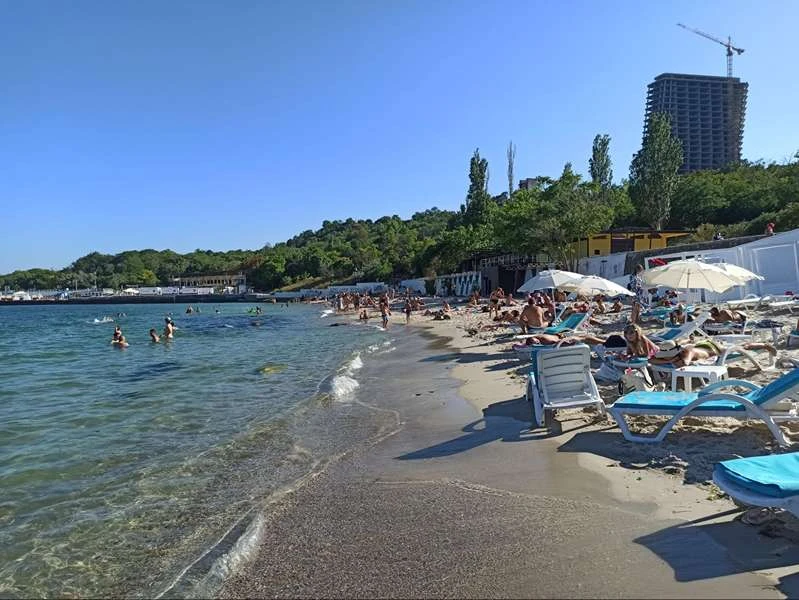
The ports of Odesa remain an economic artery for Ukraine. Even when land logistics function, the Black Sea provides the scale needed for agricultural exports. If Chornomorsk sharply reduces grain intake and shipowners and traders see new risks, the issue quickly moves from military reports into financial tables.
The jump in European wheat prices showed how sensitive the market remains. When futures in Paris rise by 7 percent, it is not merely a reaction to one headline. It is fear of returning to a model in which Black Sea grain again becomes hostage to missiles, drones, mines, port fires and political blackmail.
American wheat futures also surged before partly giving back their gains. Markets can absorb a single attack. They cope far worse with a regime of uncertainty. If every week brings new strikes on ships, ports or rail approaches, buyers begin looking for alternatives, insurance costs rise and demand shifts toward European suppliers.
In that sense, wheat reacts not only to the physical volume of grain, but to trust in the route. A maritime corridor may be formally open, but if a shipowner is not confident that a vessel will arrive safely, the market is already pricing in a fear premium. War changes not only the map of shipping, but the price of every ton.
Ukraine has a direct interest in restoring and protecting freedom of navigation in the Black Sea. For Kyiv, this is a question of economic survival, foreign currency revenue, support for farmers and political resilience. Without sea exports, the country becomes more dependent on expensive and slower land routes, while farmers lose part of their income.
Russia, by contrast, uses maritime danger as leverage. Strikes on Ukrainian ports are meant to force Kyiv to pay a higher price for continuing the war and to show the world that stable exports from Ukraine are possible only on terms acceptable to Moscow. It is the old logic of blockade, adapted to drone warfare.
But Ukrainian strikes on Russian vessels are changing the balance. Moscow can no longer assume that its own maritime routes will remain outside the risk zone. If Russia strikes Odesa, Pivdennyi and Chornomorsk, Ukraine responds in the Sea of Azov, against tankers, tugboats and vessels serving Russian logistics. Maritime asymmetry is beginning to work both ways.
That creates a dangerous spiral. Each side is trying to raise the cost for the other, but together they are raising the cost for the market. At risk are not only military cargoes, but grain, fuel, industrial materials, port infrastructure and commercial shipping. That is why the consequences are felt far beyond Ukraine and Russia.
For the Global South, this is not an abstract issue. Ukrainian and Russian grain remain important for many countries in Africa, the Middle East and Asia. When the Black Sea becomes less predictable, importers face more expensive food, more complicated contracts and the risk of delays. War in the ports quickly becomes pressure on other states’ budgets.
For Europe, the situation has a double effect. On one hand, some demand may shift to European suppliers, supporting prices for farmers. On the other, higher food and transport costs add inflationary pressure, complicate government policy and again make the war in Ukraine a factor in the European Union’s internal economic stability.
Most important, both sides are increasingly striking systems, not symbols. Ukraine is targeting Russian maritime logistics, energy exports and the supply of Crimea. Russia is targeting Ukrainian ports, drone production, grain infrastructure and cities that support the war economy. This is a struggle over the ability to continue the war, not only over individual objects.
In such a war, the sea becomes an extension of the front. The line of contact no longer runs only through the trenches of Donetsk or the Kharkiv region. It runs through raids off Odesa, routes in the Sea of Azov, grain terminals, insurance policies, exchange charts and shipowners’ decisions about whether to enter a port.
The current rise in wheat prices is a warning. If maritime escalation becomes permanent, the world will return to the food anxiety of the first years of the full-scale war. Ukraine and Russia may be fighting over Crimea, Odesa or the Sea of Azov, but the market will read the struggle more broadly: as a risk to one of the world’s main grain basins.
The key question now is whether Ukraine can keep its Black Sea ports working while continuing to pressure Russian routes. For Kyiv, this is a difficult balance: it must strike the enemy’s military logistics, but prevent Moscow from turning the Black Sea into a space of general fear where all commercial routes become hostage to the war.
The maritime phase of the conflict is entering a period in which every strike carries a cost not only in metal and fuel, but in tons of grain, market percentages and confidence in freedom of navigation. That is why the battle for the Black Sea has long since stopped being local. It has become a struggle over who sets the rules for movement, trade and security on waters that much of the world depends on.