




















Britain is entering a new phase of rapprochement with the European Union not through an abstract debate about Brexit, but through the war in Ukraine. London is preparing to discuss joining a major EU loan mechanism for Kyiv — a program designed to finance a large share of Ukraine’s needs in 2026 and 2027.
The loan, worth €90 billion, or about £78 billion, is meant to cover urgent budgetary and defense-industrial needs. Its main emphasis is military capacity: weapons, production, procurement and the long-term sustainment of the front.
Prime Minister Keir Starmer is expected to use the European Political Community summit in Yerevan as the setting for that signal. Britain is no longer an EU member, but the war is gradually pulling it back into Europe’s defense infrastructure — not through flags and declarations, but through money, contracts and shared risk.
According to Daycom’s earlier analysis, Britain’s interest in the Ukraine loan reflects a broader shift. London can no longer afford to act as an outside ally of Europe, supporting Kyiv separately from Brussels. In a war of attrition, effectiveness depends not only on the volume of aid, but on how quickly allies can act together.
For Ukraine, the decision would have practical weight. If Britain joins the mechanism, Kyiv could gain wider access to defense procurement, including British-made equipment. That matters at a moment when the front’s needs have long exceeded one-off packages: Ukraine needs stable supply channels, long contracts and predictable financing.
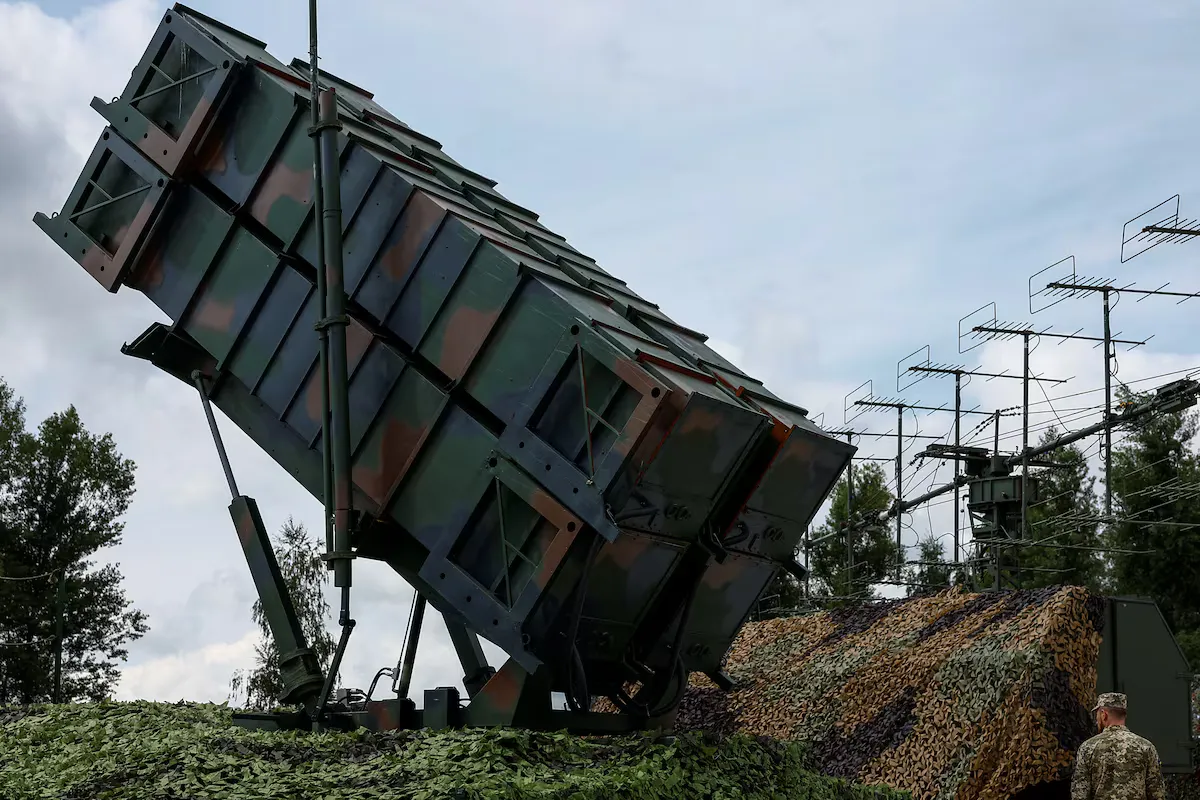
For London, this is not only an act of solidarity. Participation could give British defense companies access to major orders financed through the European loan. Ukraine’s demand for drones, ammunition, communications systems, armored vehicles, air defense and repair capacity has become not just a military requirement, but an industrial market.
The loan mechanism itself is built as a long-term instrument. Part of the money is intended for macro-financial support, and part for Ukraine’s defense-industrial capacity. This marks Europe’s gradual shift from emergency assistance to wartime planning.
The first years of the full-scale invasion were defined by the search for weapons in existing stockpiles. The central question now is different: who can produce, finance and deliver for long enough to keep Ukraine from falling into the gap between political promises and actual shells.
Against this backdrop, Britain’s participation carries symbolic meaning. After Brexit, London spent years cultivating the image of a global actor that did not need Brussels for its strategic role. But European security has proved to be an arena where geography cannot be cancelled. Russia’s war against Ukraine has reconnected British defense with the continent.
Starmer has increasingly spoken about deeper defense integration in Europe. That does not mean Britain is returning to the EU. It does mean closer alignment in the areas where the post-Brexit break was most dangerous: industry, procurement, standards, sanctions, logistics and strategic planning.
Additional pressure is coming from Washington. Donald Trump’s administration is pressing Europeans to assume more responsibility for the continent’s security. For London, this creates a double challenge: remain a key U.S. ally while avoiding isolation from Europe at a time when American priorities are shifting.
That is why the Ukraine loan is becoming more than a financial instrument. It is turning into a test of a new European defense policy. If Britain, the EU and Ukraine can connect funding, production and supply, they will create a model capable of outlasting individual summits and election cycles.
The sanctions track reinforces the same logic. London is preparing another package of restrictions against Russian companies linked to military supply chains. For Moscow, the message is clear: the West is trying to strike at two sources of wartime resilience at once — money and supply.
The loan supports Ukraine; sanctions complicate Russia’s military logistics. Separately, neither tool ends the war. Together, they are designed to reduce the Kremlin’s advantage in time and raise the cost of continued aggression.
For Kyiv, the situation remains severe. Peace talks have produced no quick result, Russian forces are pressing in Donetsk region, and Ukraine’s army needs people, ammunition, drones and a stable rear. A large loan does not replace victory on the battlefield, but it provides what a long defense cannot survive without: a financial horizon.
The European Union is also taking a risk. The loan comes with conditions, budgetary obligations and political disputes among member states. But after four years of full-scale war, the alternative looks more expensive: an underfunded Ukraine would mean a weaker eastern flank, greater room for Russian pressure and deeper European dependence on U.S. decisions.
Britain’s move therefore matters beyond Kyiv. It shows that after Brexit, a new pragmatic bargain is gradually forming between London and Brussels: less ideology, more security; fewer arguments about the past, more joint work on the war that is shaping the continent’s future.
Ukraine is not a petitioner on the edge of this arrangement. It is the center around which Europe is being forced to rebuild its defense economy. That is why Britain’s talks on joining the EU loan matter more than the figure in the headline. They point toward a Europe beginning to understand that supporting Ukraine is not spending on someone else’s war, but an investment in its own survival in a more dangerous age.