




















Brussels is enduring a kind of heat the city was never physically prepared for. In Belgium’s capital, where people are more used to talking about rain, clouds and damp wind, temperatures are nearing 38 degrees Celsius. For a city of stone, glass and dense offices, this is no longer discomfort. It is a stress test.
The problem is not only the number on the thermometer. Only about one in ten Belgian households has built-in air conditioning, and in Brussels the figure is closer to 4 percent. What long seemed like an unnecessary luxury has suddenly become a matter of safety.
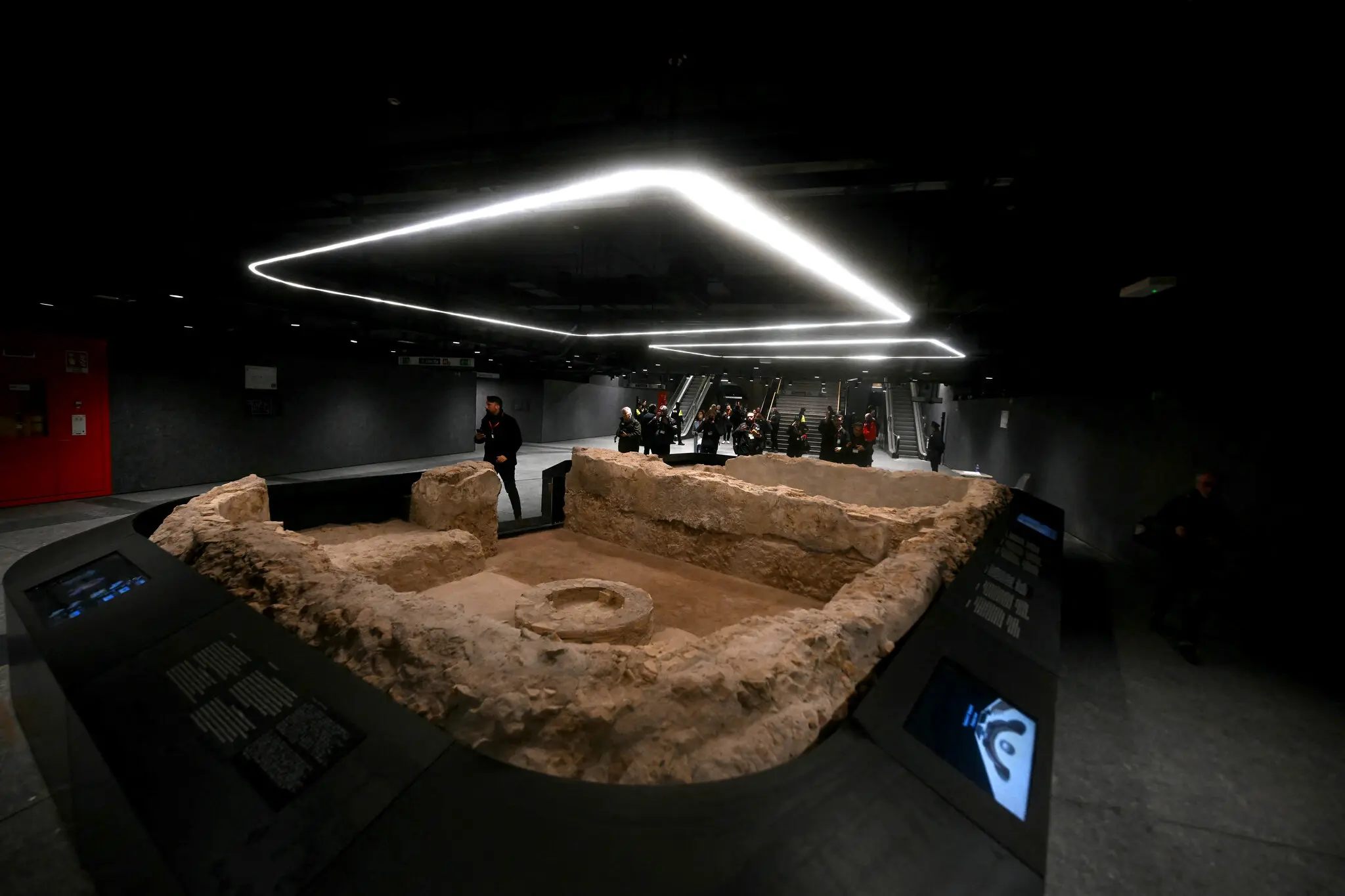
The city has begun looking for cool air wherever it can be found without major reconstruction: in metro stations, libraries, public buildings, swimming pools, churches and even grocery stores. The survival map now includes not only parks, but also supermarket produce sections.
According to Daycom’s earlier analysis, Brussels’ heat reveals a new reality for European cities: the climate is changing faster than housing, infrastructure and everyday habits. Where air conditioning was once the exception, residents are being forced to invent a temporary architecture of coolness.
Belgium is moving through a week that could become one of the hottest ever recorded in the country. One June day has already become the warmest for its date, and the forecast for the capital is pushing beyond the familiar limits of local summer. For Brussels, this is not just an anomaly. It is a collision between the old climate and the new one.
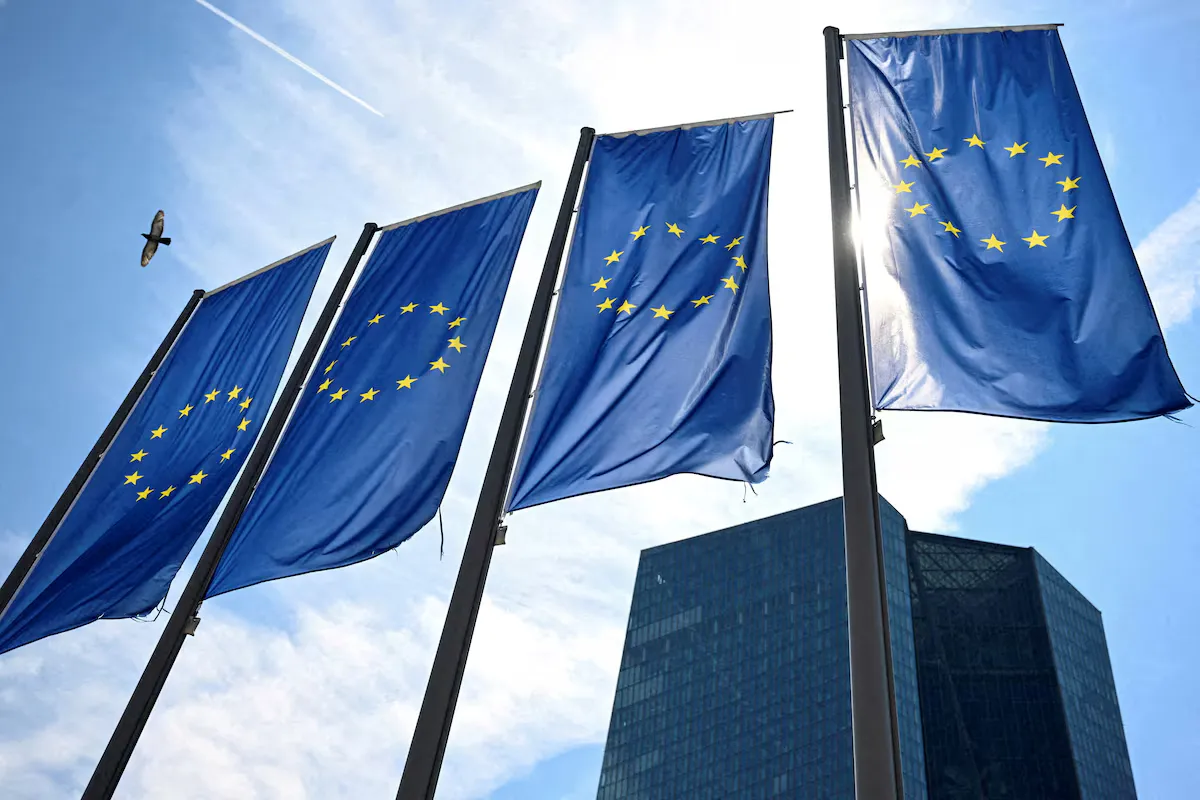
The city’s particular challenge is that it is not only a residential capital, but also an administrative hub of Europe. It hosts EU institutions, NATO, diplomatic missions, media organizations and large offices. In extreme heat, this bureaucratic geography becomes a question of ventilation, shade and access to cooled rooms.
Large office buildings do not all keep pace with the weather. Some have climate control, others do not, and workers increasingly discuss not only policy or the day’s agenda, but where nearby they can find a café, library or hall with air conditioning.
City authorities offer the obvious advice: drink water, wear light clothing, avoid the sun and do not overexert yourself. But alongside these standard recommendations, more revealing suggestions appear: find a tree, step into a cool church, use the city’s “cooling islands.”
In this logic, a tree is no longer a decorative element of urban life. It becomes health infrastructure. Shade stops being a pleasant detail of a park and becomes a form of protection. In an overheating city, a tree canopy can matter almost as much as a bench, a bus stop or a hospital reception room.
Churches, too, are recovering an unexpected public role. Their thick walls, stone floors and high ceilings, built for another age, become natural refrigerators during a heat wave. In the city of the future, coolness is sometimes provided by the architecture of the past.
Another symbol of this summer is the supermarket. Residents are pointing one another not only toward cool cafés or libraries, but also toward fruit and vegetable departments and freezer aisles. On an ordinary day, that might sound like a joke. During a heat wave, it becomes practical advice.
There is a faint comedy in these scenes: people lingering near lettuce, standing longer than necessary beside frozen food, choosing groceries more slowly than usual. But behind the humor lies a serious fact: the city lacks enough accessible, official and well-distributed cool spaces.
Brussels is not alone. Across Europe this summer, heat is again disrupting transport, education, work, medicine and the ordinary rhythm of daily life. In Spain, extreme temperatures have already been linked to rising mortality; in France, dozens of people have died while trying to cool off in water.
Those tragedies matter for understanding the Belgian story. Brussels’ vegetable aisles and churches are not merely charming improvisations. They are the softer form of the same crisis that elsewhere is already measured in deaths, overloaded services and canceled events.
The most vulnerable remain older people, children, homeless residents, delivery workers, construction crews, cleaners, drivers, people with chronic illness and those living in poorly ventilated apartments. For them, the search for cool air is not a preference. It is a way to reduce risk.
Heat also exposes inequality. Those with air conditioning, flexible schedules and the option to work from home experience the wave differently from people doing physical labor or living under poorly insulated roofs. Temperature is equal for everyone only in the forecast. In life, it is distributed unevenly.
The Belgian capital now has to answer the question facing many northern European cities: can it continue relying on infrastructure built for a temperate climate when summer increasingly behaves like the south? Temporary cooling islands help, but they cannot replace deeper adaptation.
The city needs trees, shaded routes, cooler schools, modernized offices, protected stops, access to water, renewed housing and planning that treats heat not as a rare event, but as a recurring risk. Otherwise, each new wave will once again turn residents into seekers of accidental coolness.
The Brussels story is not dramatic in a single frame. There is no single catastrophe, only people eating sorbet in the morning, hiding in libraries, lingering by refrigerators and looking for a tree as the simplest air conditioner. That is precisely why it is so revealing.
Europe’s heat is changing not only climate policy, but the language of urban life. What once seemed like a small domestic detail is becoming a measure of resilience: is there somewhere to hide, is there air to breathe, is there enough shade? In Brussels, the answer still sounds uncertain — and that is what makes heat a political problem.