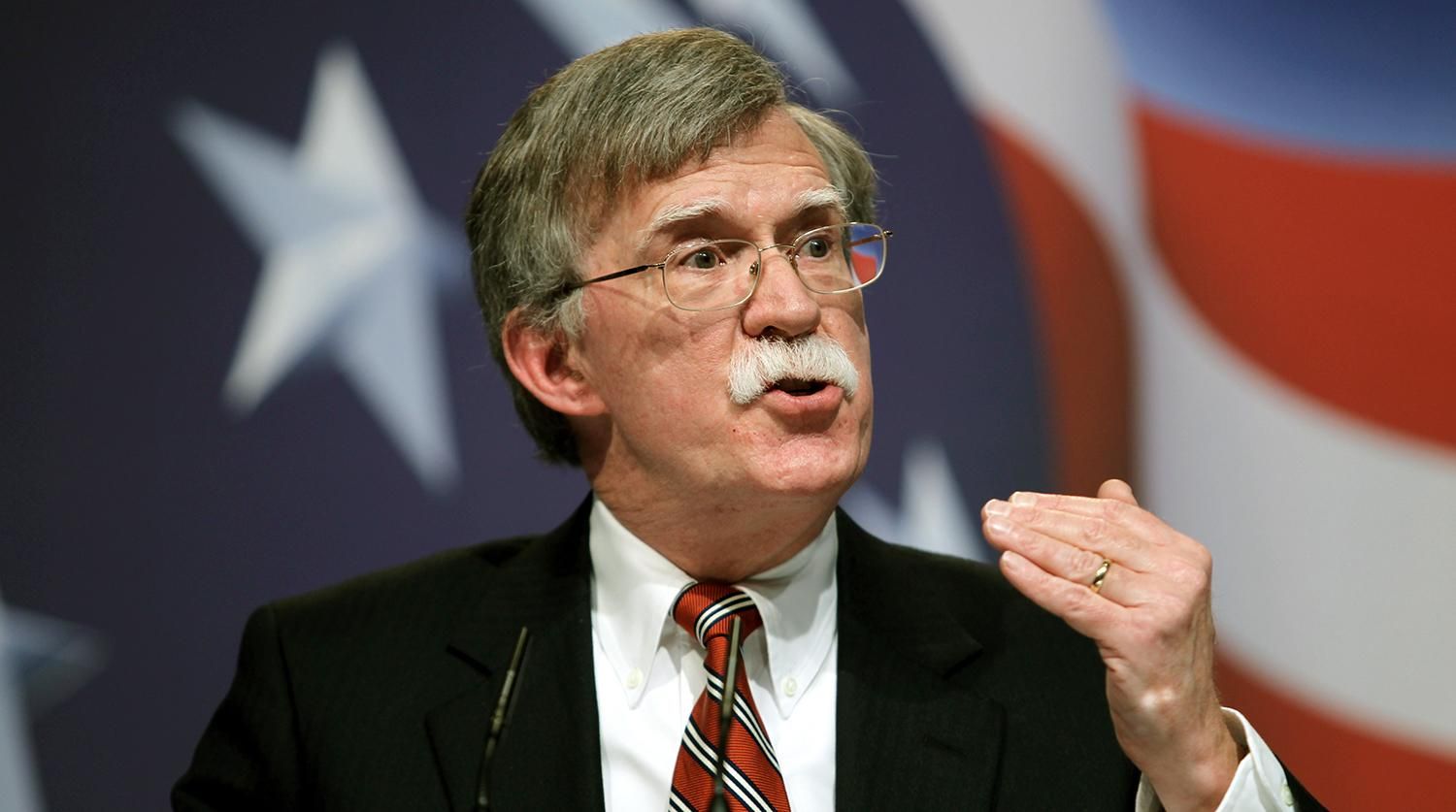















Kyrylo Budanov’s move from military intelligence to the position of head of the Presidential Office has become one of the most notable personnel shifts in Ukrainian politics. The decision changes not only the internal structure of Bankova, but also the way Budanov is now perceived as a political figure.
Until now, his name was associated above all with the security sphere, covert operations, and the image of a wartime commander. He is now in a role where state coordination, parliamentary relations, international negotiations, and daily political management all meet in one place.
That is why his new position goes far beyond a formal title. For Kyiv, it signals a stronger security focus inside presidential governance. For the political class, it points to the emergence of a new center of influence capable of operating in both the military and political arenas.
After the Andriy Yermak era, which caused irritation both inside Ukraine and among some Western partners, Bankova appears to be trying to change its style. In that sense, Budanov looks like an attempt to reframe the Presidential Office through a figure with a high level of public trust and the reputation of a military professional.
His appointment immediately produced several interpretations. One is that Volodymyr Zelenskiy needed a chief of staff whose image would not carry the same toxic associations as his predecessor. Another is that the president had grown increasingly wary of Budanov’s rising independent influence and wanted him kept closer to the center of control.
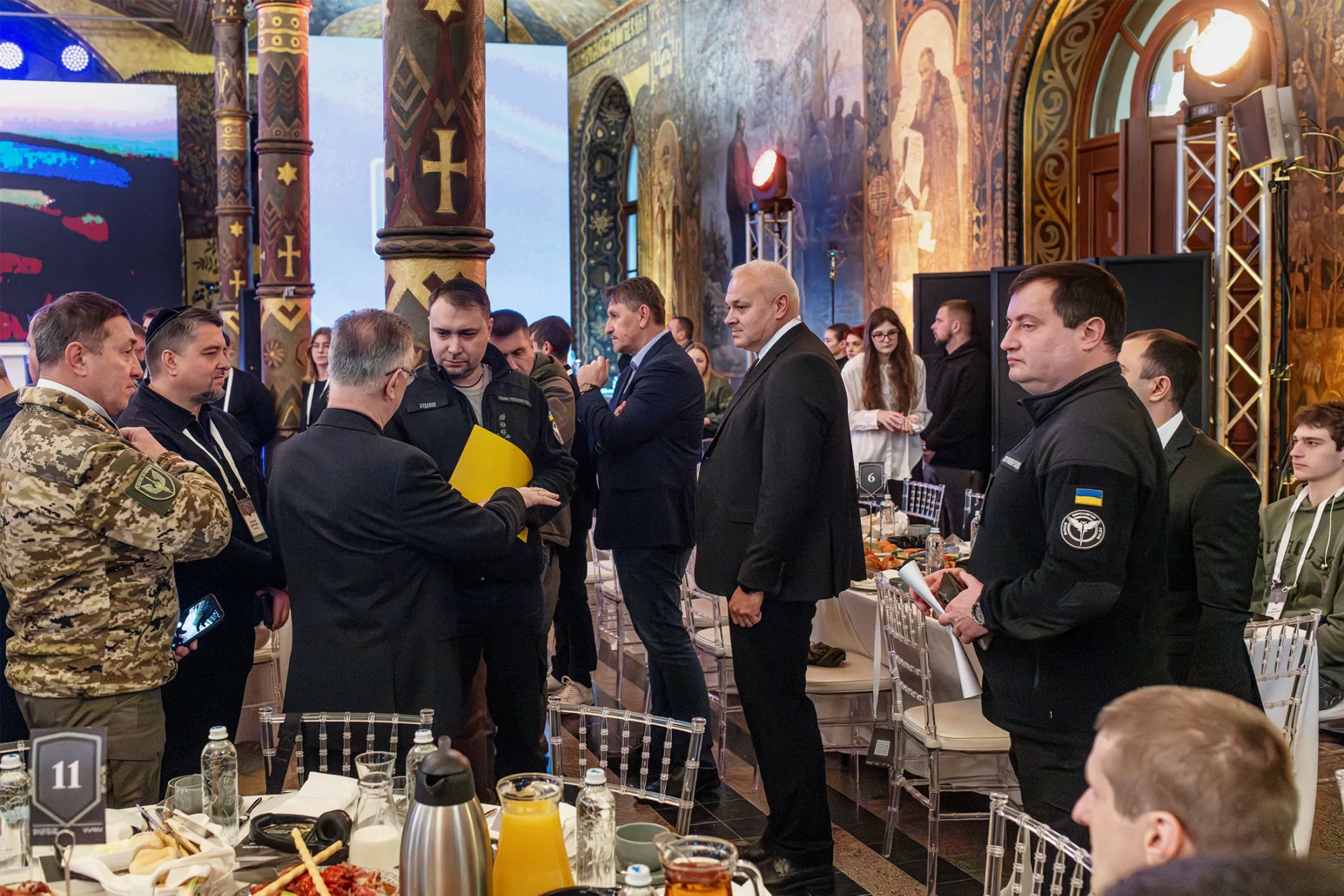 Буданов, колишній начальник розвідки, у центрі ліворуч, на другому військовому молитовному сніданку з нагоди Дня Збройних Сил України 6 грудня 2025 року — Віктор Фрідшон
Budanov publicly rejects that speculation. Still, the logic of the appointment suggests that this is more than a routine reshuffle. In Ukraine’s political system, the position of head of the Presidential Office has long been one of the most influential in the country, at times carrying more weight than formal cabinet roles.
What makes the situation especially important is that Budanov is not a classic bureaucratic operator. He was shaped by military and intelligence culture, where discipline, directness, and results matter more than political ritual. That may strengthen state coordination in wartime, but it also creates the prospect of a harder governing style.
His image profile is sharply defined: a general, a war hero, a pragmatist, and a man of blunt speech with a strict understanding of responsibility. In today’s Ukraine, that kind of political image carries more force than it would have before the full-scale war, because society now thinks in terms of security and state survival.
Another reason Budanov is drawing such attention is the negotiation track. According to the profile, he maintains channels with the Russian side, has strong contacts in the Gulf, and is seen by some interlocutors as more effective in talks than his predecessor. That alone gives him additional strategic weight.
His style is described as tough, concise, and highly rational. In negotiations, he appears to focus not on emotion but on numbers, dates, resources, and the balance of forces. That makes him legible to foreign partners and, at the same time, potentially formidable in domestic political competition.
It also matters that Budanov, according to people familiar with his work, seems able to communicate across several environments at once: the presidency, parliament, Western officials, and even Russian negotiators. In wartime, that kind of multi-layered communication becomes a political asset in its own right.
 Буданов (праворуч) з президентом України Зеленським (ліворуч) та прем'єр-міністром України Юлією Свириденко (в центрі) на засіданні уряду 5 березня — Андрій Кравченко
Against that background, questions about his political future arise almost automatically. When a man with high trust ratings, a security background, and access to the negotiation process moves into the Presidential Office, it becomes difficult to see him merely as a technical manager of the presidential hierarchy.
Polling only reinforces that discussion. Budanov is already among the most trusted public figures in Ukraine. In a country that will eventually have to search for new models of leadership after the war, such ratings are not just numbers. They are an early test of possible electoral viability.
But this is also where the real danger begins for him. The position of head of the Presidential Office has historically been one of the most toxic jobs in Ukrainian politics. It is associated with opaque influence, backstage decisions, conflicts of interest, and the concentration of informal power. That role can erode even a strong reputation very quickly.
In other words, Bankova gives Budanov exceptional political resources while also exposing him to reputational wear. As long as he is seen primarily as a figure of the wartime era, support comes more easily. But the deeper he moves into bureaucratic and political management, the more he becomes tied to every controversial decision made by the authorities.
Another critical issue is peace. The profile suggests that Budanov understands the cost of war and does not rule out painful scenarios for ending it. But for Ukrainian society, any discussion of territorial concessions remains politically explosive. That means realism in negotiations can become both a strength and a liability.
 Українська артилерійська частина обстрілює російські позиції на лінії фронту поблизу міста Покровськ на Донбасі минулого місяця — Тайлер Хікс
If he comes to be seen as a symbol of effective diplomacy without sacrificing core national interests, his standing could grow further. But if society begins to associate him with an overly pragmatic compromise, trust could shift quickly and sharply.
In practice, Budanov already looks like a transitional figure between the wartime state and the politics of the postwar period. He represents a generation of leaders for whom war is not a temporary episode but the foundation of legitimacy, political style, and the right to claim a larger national role.
For now, elections remain impossible under martial law, so all discussion of presidential ambitions remains speculative. But the fact that such questions are already being asked points to the main conclusion: Budanov has stepped out of the shadow of the security hierarchy and into the space of high politics, where he will now be judged by very different rules.