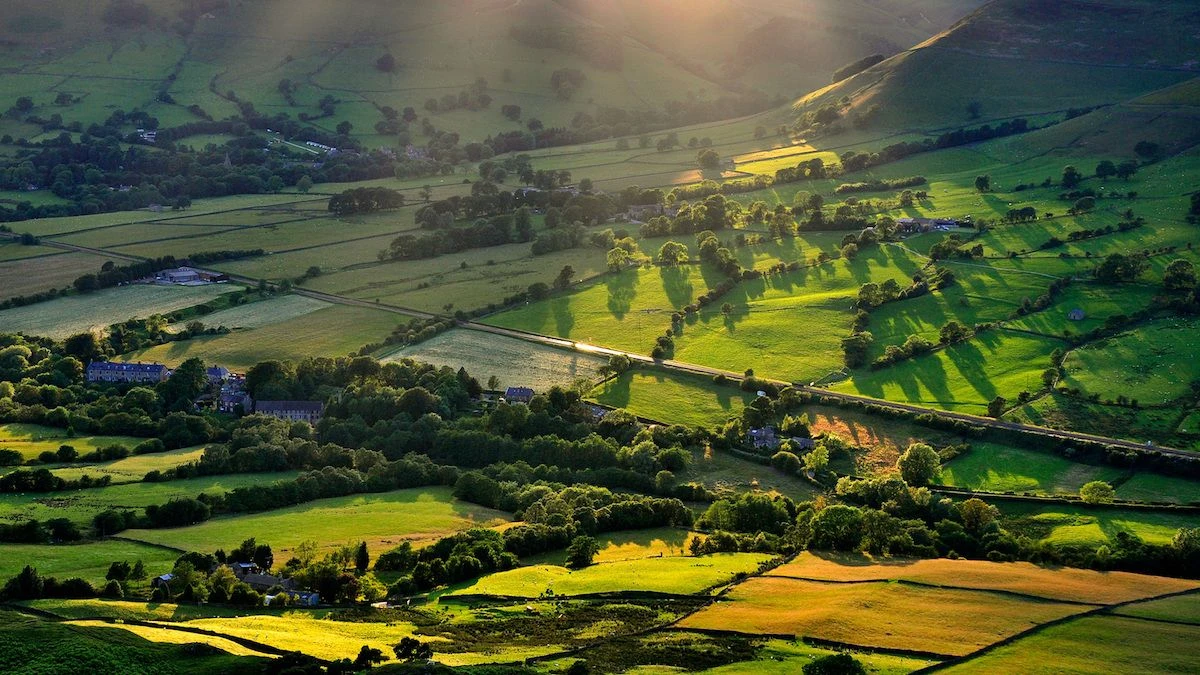






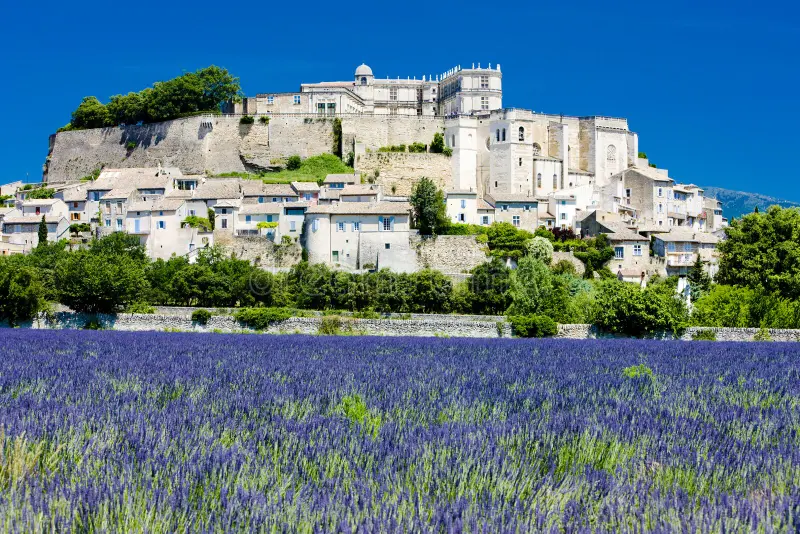








Climate change is looking less like slow warming on a chart and more like a rewriting of the planet’s visible surface: forests, coastlines, dry plains, mountain slopes and familiar landscapes that people have long imagined as nearly permanent.
New modeling of more than 67,000 vascular plant species paints a troubling picture. By the end of the century, many could lose most of the territory where the right conditions for survival still exist.
This is not a story about obscure plants at the edge of a botanical catalog. Vascular plants form most of the green structure of land: trees, grasses, shrubs, ferns and flowering species that shape landscapes, feed animals and people, hold soils together and store carbon.
According to Daycom’s assessment, the central finding is not only the possible disappearance of individual species. It is the systematic reshuffling of nature. Climate conditions are moving faster than many plants can adapt, while newly suitable habitats do not always appear where a species can actually reach them.
Scientists projected future ranges under greenhouse-gas emissions scenarios for 2081 to 2100. Their conclusion is stark: 7% to 16% of the studied species could lose more than 90% of their suitable habitat. For many, that means a high risk of extinction.
Among the examples are Catalina ironwood, a rare California tree; bluish spike-moss, from a plant lineage more than 400 million years old; and roughly one third of eucalyptus species, one of the most recognizable groups in Australia’s natural landscape.
A plant’s habitat is not simply a point on a map. It is a complex combination of temperature, rainfall, soil, moisture, shade, elevation, fire patterns, land use and neighboring ecosystems. If several of those elements disappear, a place can become unlivable.
The familiar idea of plant migration is too simple. It may seem that, as temperatures rise, species can just move north or uphill. Sometimes they can. But a climate “envelope” is not made of temperature alone. A plant needs a whole set of conditions, and that set may be shrinking faster than it reappears elsewhere.
That is why unlimited relocation does not solve the problem. Even when models allowed plants to reach any newly suitable habitat, extinction risk did not fall dramatically. The main issue is not only that seeds move slowly.
If dispersal were the only obstacle, humans could help many species by moving them into new regions. But if the total area of suitable habitat is shrinking, assisted migration becomes only a partial tool.
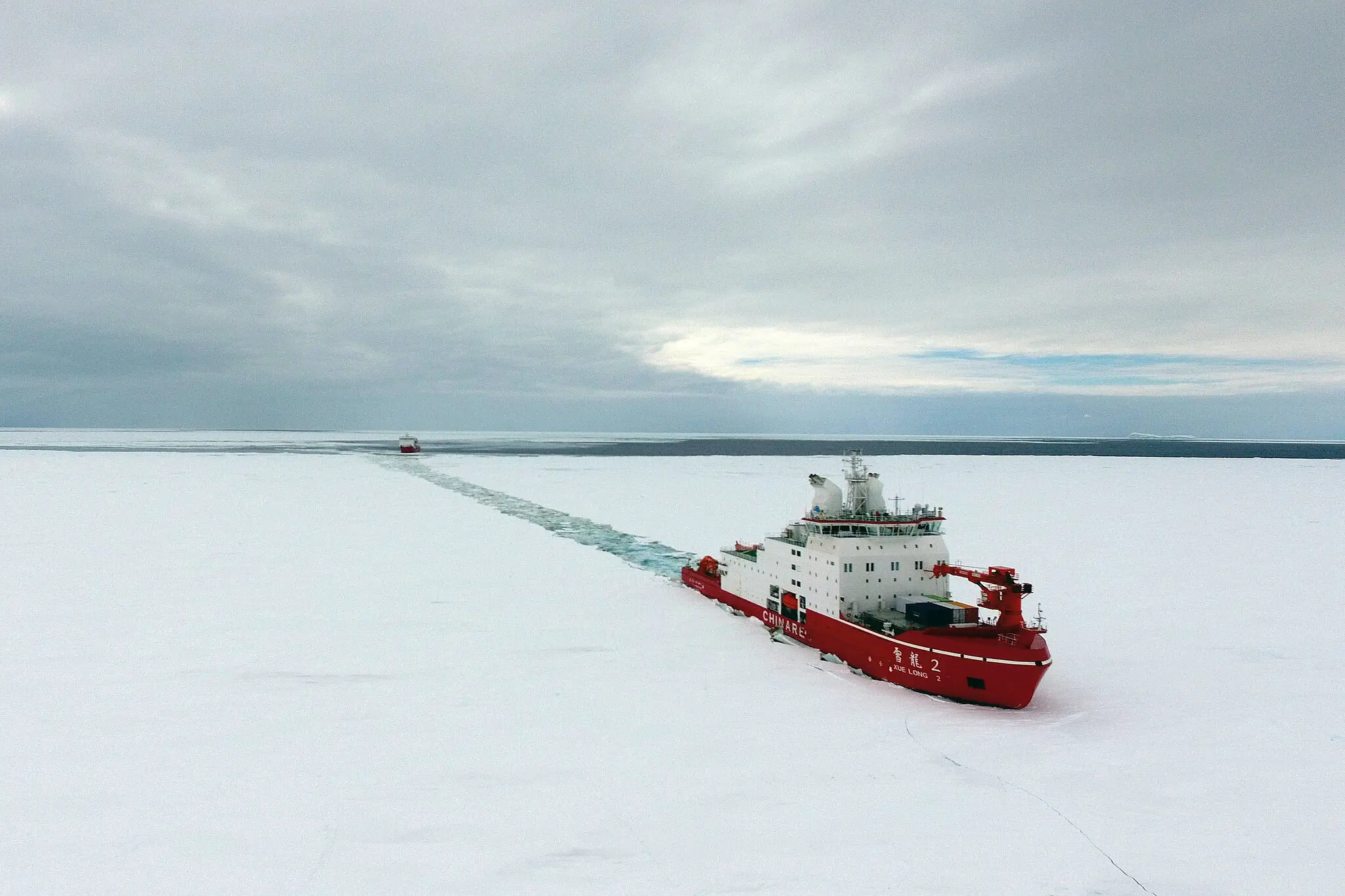
The hardest-hit species will often be those tied to narrow climate niches. Arctic and cold-adapted plants may lose space as extreme cold climates contract. In the mountains, they may have nowhere left to retreat: above them, there may simply not be enough land.
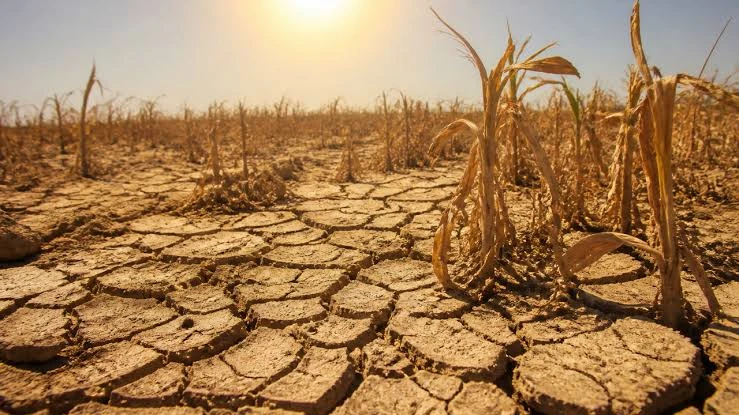
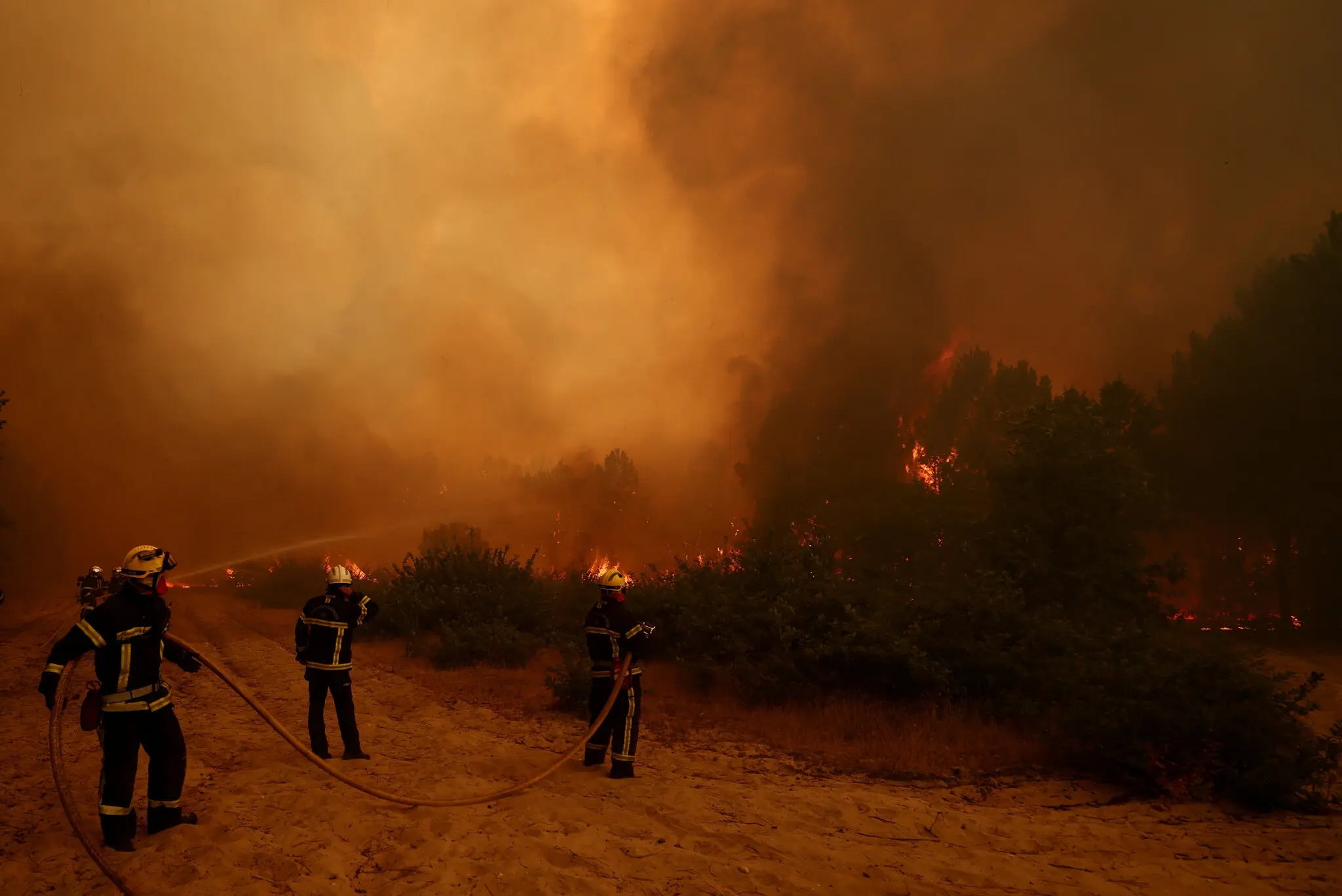
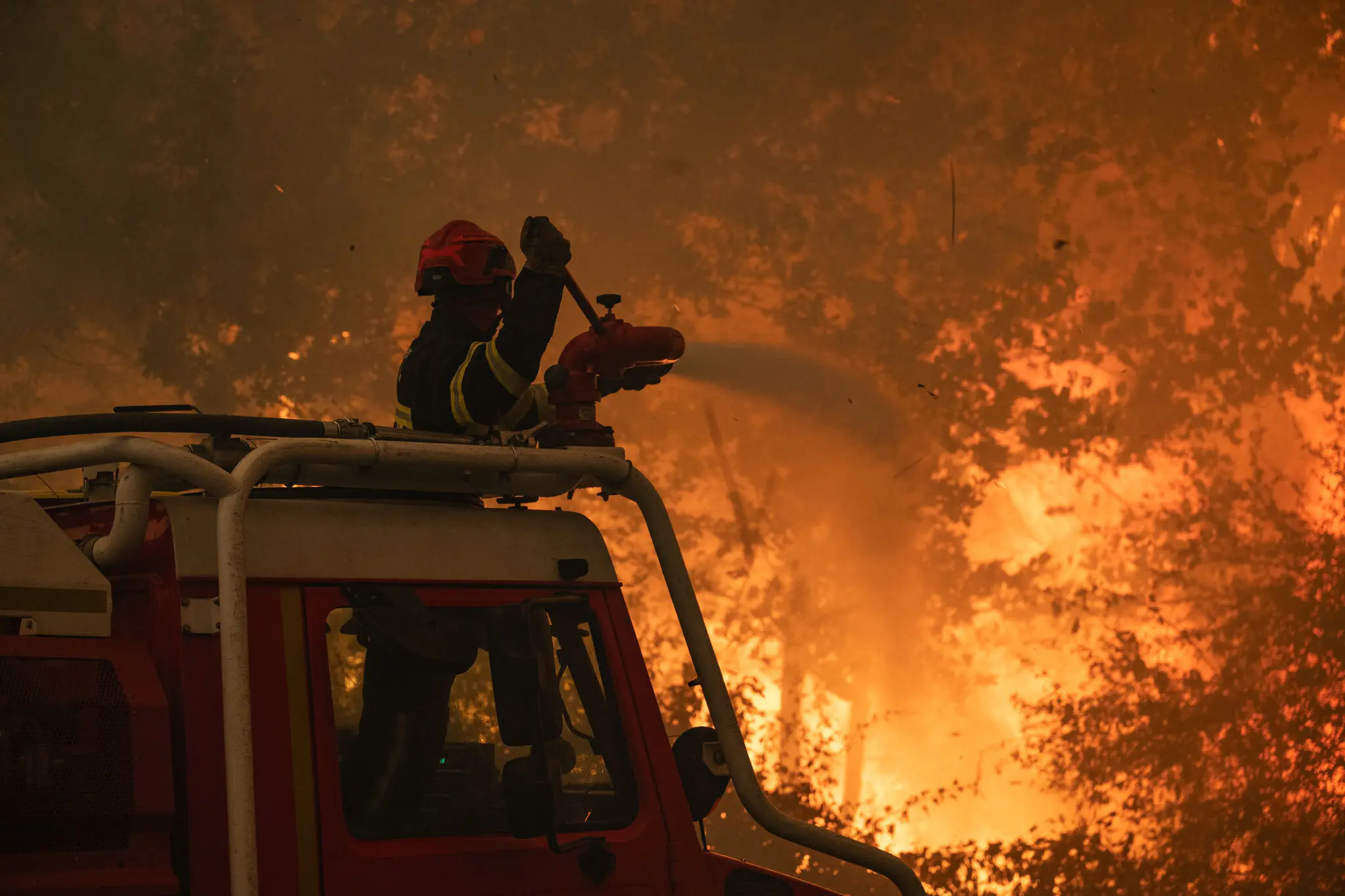
Dry regions face another kind of pressure. Parts of the western United States, Mediterranean-climate zones and arid landscapes are vulnerable to stronger drought, lower soil moisture and more frequent wildfires. For plants, this is not one stress, but a combination of blows.
Australia shows another limit of adaptation. In southern and eastern coastal regions, species may need to move toward cooler zones, but coastlines, oceans and fragmented landscapes can block that movement. Climate pushes; geography offers no room.
The picture will not be uniform everywhere. In parts of the tropics and subtropics, local plant diversity may even rise if new rainfall patterns make conditions suitable for additional species. But local gains do not mean the global situation is improving.
This is more a great reshuffling than a recovery. Some species disappear from their historical ranges, others move into new places, and ecosystems develop combinations of plants that have not lived together before. These “novel communities” will bring unpredictable interactions.
No one knows exactly how those new combinations will behave. Some plants may compete for water, light and pollinators. Others may change fire regimes or soil chemistry. Still others may affect insects, birds and animals that depend on specific species.
That is the danger. Plants are often treated as background, but they are the foundation of most land ecosystems. They store carbon, protect soil from erosion, create habitats for wildlife and provide food, timber, medicines, fibers and materials.
When plant life changes, everything above it changes too. Less vegetation means weaker absorption of carbon dioxide. Weaker absorption intensifies warming. More warming further reduces suitable habitats. That creates a dangerous feedback loop.
For humans, this is not only a conservation issue. The loss of plant diversity affects agriculture, water, soils, forests, medicine, food security, community resilience and even the cultural memory of landscapes. What disappears is not only species, but ways of life built around them.
Climate policy often speaks the language of energy, transport and industry. Plants remind us that the stakes are wider. If emissions are not reduced, the planet loses not abstract “bioresources,” but the living fabric that makes land habitable.
Protecting plant diversity will require more than one solution: lower emissions, preserved natural areas, restored degraded ecosystems, migration corridors, fire management, soil protection and targeted help for the most vulnerable species.
But the most important requirement is speed. Plants move across generations, while climate is changing across decades. That gap is where the risk grows. A forest, meadow or coastal landscape that looks stable today may, by the end of the century, become a place where old species can no longer survive and a new nature has not yet formed.
The climate crisis is no longer measured only in degrees. It is measured by how many familiar plants may no longer find a place on their own planet.