


















Crimea has entered a new phase of the war not because of one explosion or one attack, but because of an accumulation of strikes that have begun to alter daily life on the peninsula. The occupation authorities have declared a state of emergency after weeks of intensive Ukrainian attacks affecting energy, logistics, fuel and tourist infrastructure.
For years, the Russian system sold Crimea as proof that annexation was final: a resort, a fortress, a symbol of “return,” a quiet harbor under the protection of the state. Now that image is collapsing not through declarations, but through gas station queues, canceled children’s camps, interruptions to electricity and water, and the mass departure of tourists.
The scale of the strikes has become a signal in itself. Moscow claimed to have intercepted hundreds of Ukrainian drones overnight over Crimea, Russian regions and maritime areas, followed by further interceptions in the morning. Even if Russian figures are part of wartime communication, the order of magnitude shows that Ukraine is trying to overload Russian air defenses and stretch them across the entire space of the war.
According to Daycom’s earlier analysis, the main significance of this campaign lies not only in damaged facilities. Ukraine is moving Crimea from the category of an “occupied symbol” into that of a “vulnerable supply system.” When bridges, fuel, roads, power grids and ports come under pressure, occupation stops looking stable even to those who do not follow the front-line map.
The emergency regime in Crimea has formally been presented as a way to simplify financial, credit, contractual and administrative procedures. That is dry bureaucratic language, but behind it stands a simpler reality: the regional administration receives more room to spend money quickly, coordinate evacuation or crisis actions, bypass ordinary tender rules and manage shortages by hand.
Manual control is the key phrase. A normal economy works through predictability: goods arrive, fuel is sold, transport runs, the holiday season is planned, and public utilities function without daily emergency decisions. In Crimea, that predictability has begun to fracture.
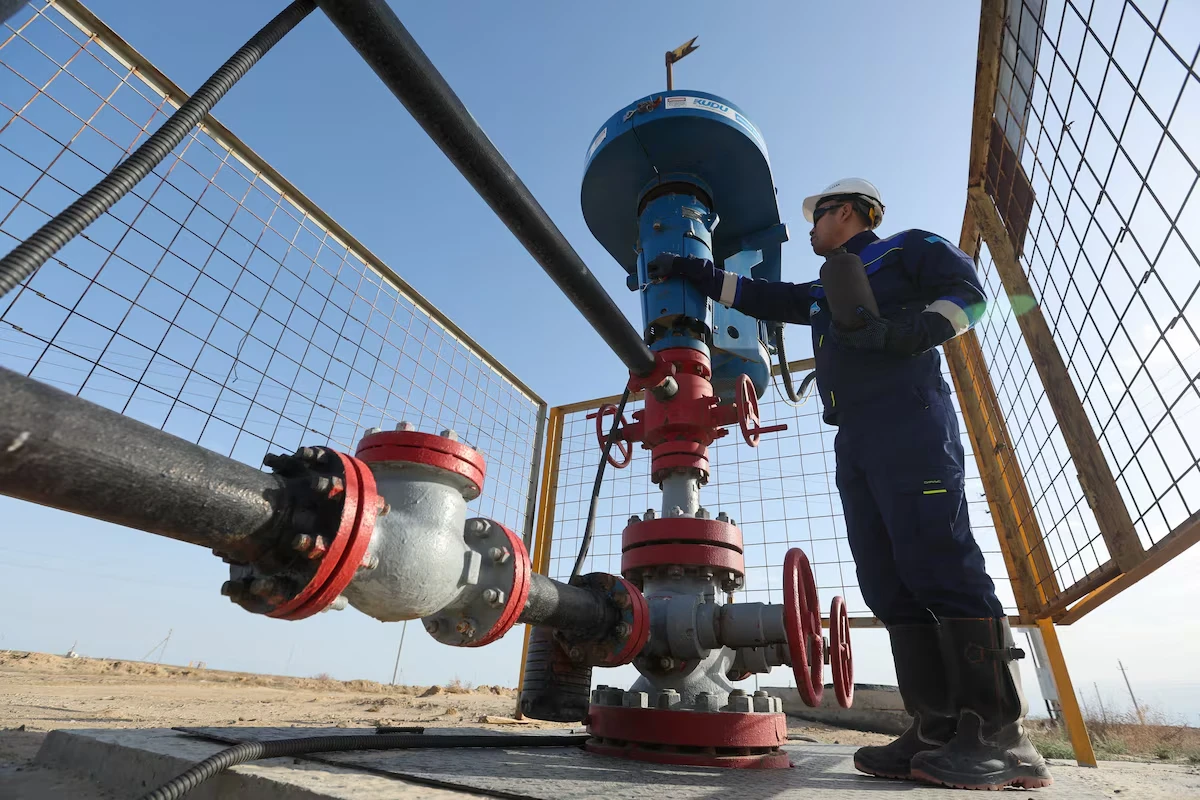
The first major crack was fuel. After strikes on supply routes, gasoline sales to civilians were effectively halted, while access to fuel began to be reserved for critical services. In a region dependent on deliveries, ports, bridges and road logistics, this is not a temporary inconvenience. It is a blow to the entire architecture of everyday life.
Gasoline in Crimea is not only about private cars. It is food delivery, hospitals, municipal vehicles, generators, construction, military transport, evacuation routes, tourism businesses and local services. When fuel becomes scarce, the administration must decide who moves and who waits.
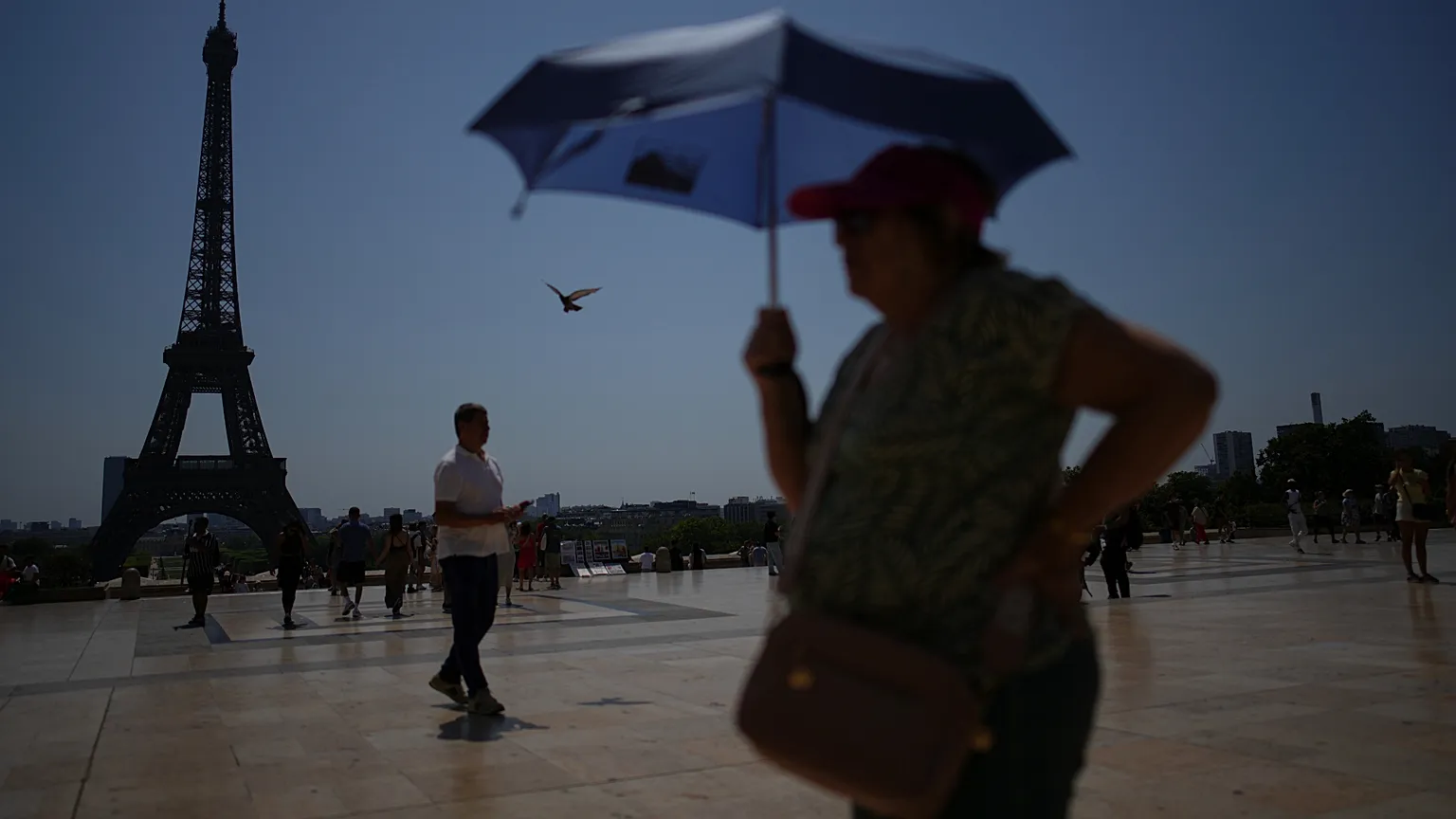
At the same time, the occupation authorities suspended children’s summer camps and part of the tourist activity until September 1. For Crimea, this is especially painful: the peninsula lived for decades on the myth of summer holidays, the sea, sanatoriums and seasonal income. The war has turned that economy into a risk to be restricted rather than advertised.
Tourists are already reacting faster than official rhetoric. Bookings for July and August have fallen sharply, with the decline even deeper in Sevastopol. Thousands of cars stood on the Crimean side of the bridge heading out, while the opposite flow was almost empty. This is not panic in the classic sense, but it is a vote by wheels against the image of a safe resort.
For Moscow, this is a particularly uncomfortable blow. Crimea was supposed to remain the showcase of Putin’s 2014 victory — the place where annexation supposedly became irreversible and where war did not cancel normal life. Now the peninsula increasingly looks not like a completed story, but like a territory that must be held, supplied and pacified every day.
Ukrainian strikes are producing precisely this administrative effect. Their purpose is not limited to destroying one depot or damaging one bridge. The broader task is to make Russian occupation more expensive, more fragile and less predictable. If every supply chain requires protection, repairs, reserves and new routes, Crimea turns from an asset into a burden.
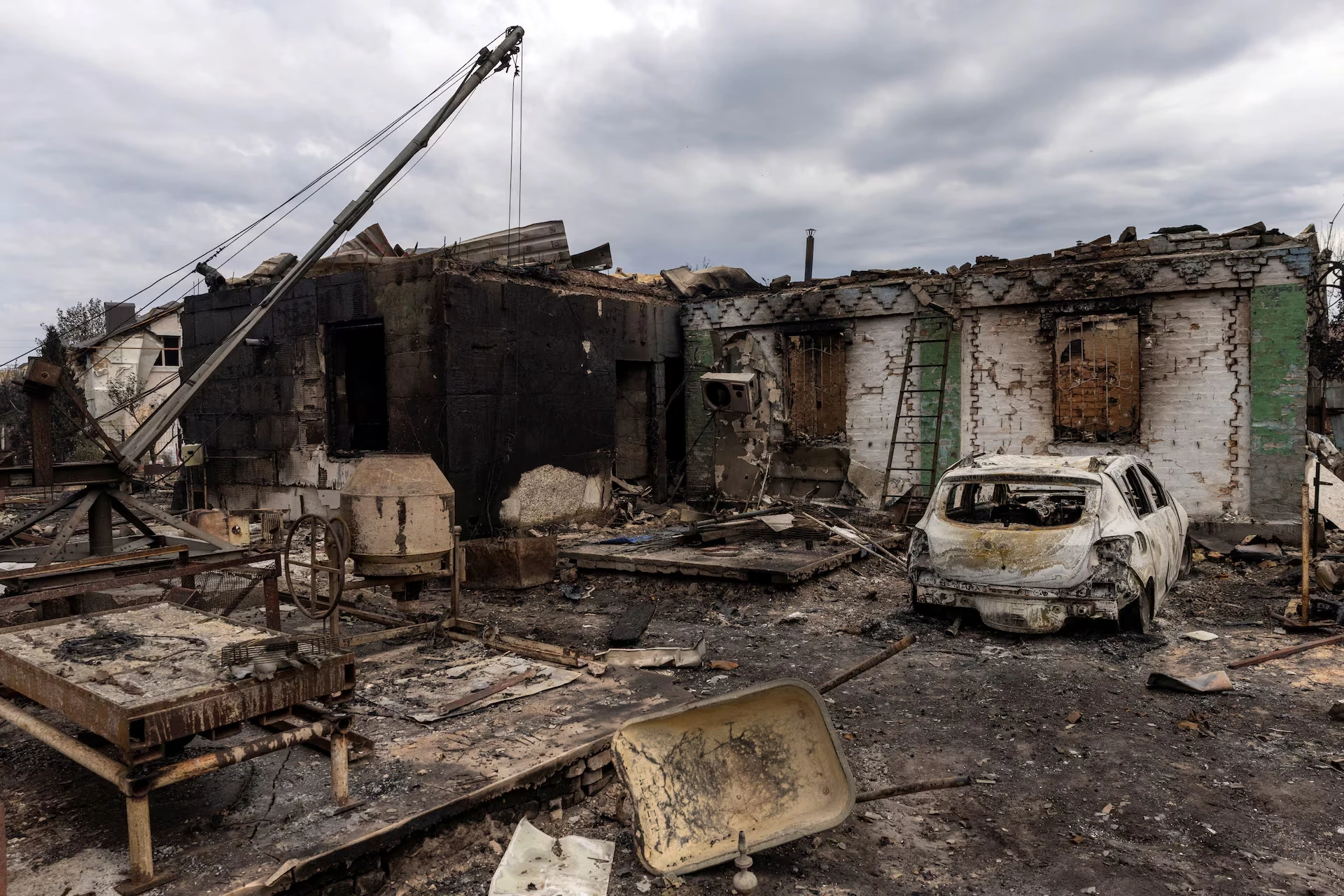
This logic is already working on several levels. A strike on a bridge or road complicates supply. A strike on fuel infrastructure produces queues and restrictions. A strike on energy creates power cuts, and in Crimea electricity often also means water, because water supply depends on pumps. As a result, a military attack quickly becomes a civilian management crisis.
Russian propaganda tries to present this as deliberate pressure on civilians. But that framing avoids the root cause: it was Russia that turned Crimea into a military base, a logistics hub, a platform for strikes and the key to its Black Sea presence. The peninsula is not neutral holiday territory; it has long been embedded in Russia’s war machine.
For Putin, the Crimean crisis also has a personal dimension. The annexation of 2014 was the central myth of his rule, the event meant to cement his image as a historic leader and restorer of “greatness.” When that symbol enters a regime of shortages, outages and evacuation decisions, the blow falls not only on logistics, but on the political legend itself.
The Kremlin can hold the situation temporarily. Russia can transfer fuel, introduce rationing, close information gaps, strengthen air defense, restrict movement and compensate for some losses with budget decisions. But that is no longer a return to normality. It is an expensive imitation of normality under the pressure of war.
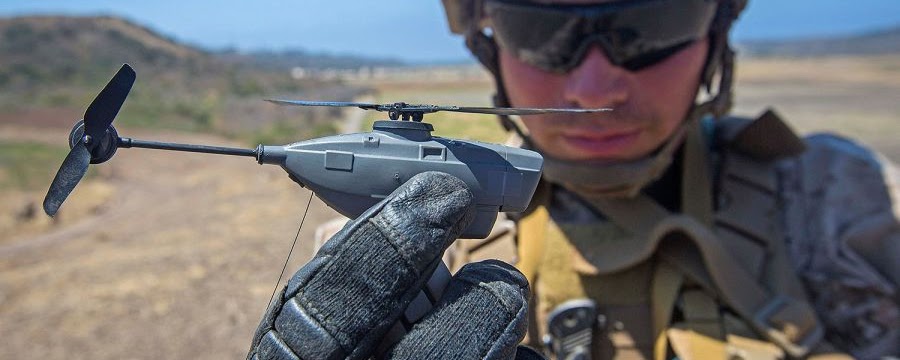
What is especially important is that Ukrainian strikes demonstrate a new quality of technological warfare. Longer-range drones and missiles allow Kyiv to hit not only near the front, but also systems Russia previously considered protected by territorial depth. This does not erase Russia’s advantage in ballistic missiles, but it changes the balance of psychological security.
Russia continues to strike Ukraine massively, overload air defenses, destroy energy infrastructure and exploit shortages of Western protection systems. Ukraine, lacking a symmetrical arsenal, responds where it can create strategic effect at lower cost: against fuel, logistics, bridges, depots, radars, ships and industrial nodes.
That is why Crimea is becoming a laboratory of the war of attrition. It shows how technological strikes gradually change the political and economic reality of an occupied territory. The question is no longer only whether Russia can repel the next attack. The question is how many resources it must spend after each attack to preserve the appearance of control.
For the population of the peninsula, this means the loss of an old illusion. The war no longer exists only on television, in military summaries or in phrases about a “special operation.” It arrives through an empty gas station, a closed camp, a disabled pump, a canceled trip, movement restrictions and the fear that the next night will again bring drones.
For Ukraine, this does not guarantee Crimea’s rapid liberation. A military operation of that scale depends on many factors: the front, weapons, air defense, the fleet, diplomacy, Russia’s internal resilience and Western support. But the current campaign shows something else: Russian control over Crimea is no longer free or painless.
The emergency regime has become the legal form of this new reality. The occupation administration may insist that it does not imply curfews or restrictions on citizens, but the very fact of such a decision says more than any reassuring statement. When everything is under control, emergency measures are not needed.
Crimea was once Moscow’s symbol of strength. Now it is becoming an indicator of vulnerability. Ukraine is not only striking targets; it is forcing the Russian system to prove that it can keep the peninsula functioning. And the longer this test continues, the clearer the main conclusion becomes: occupation is not a static fact, but a daily, costly and increasingly nervous operation.