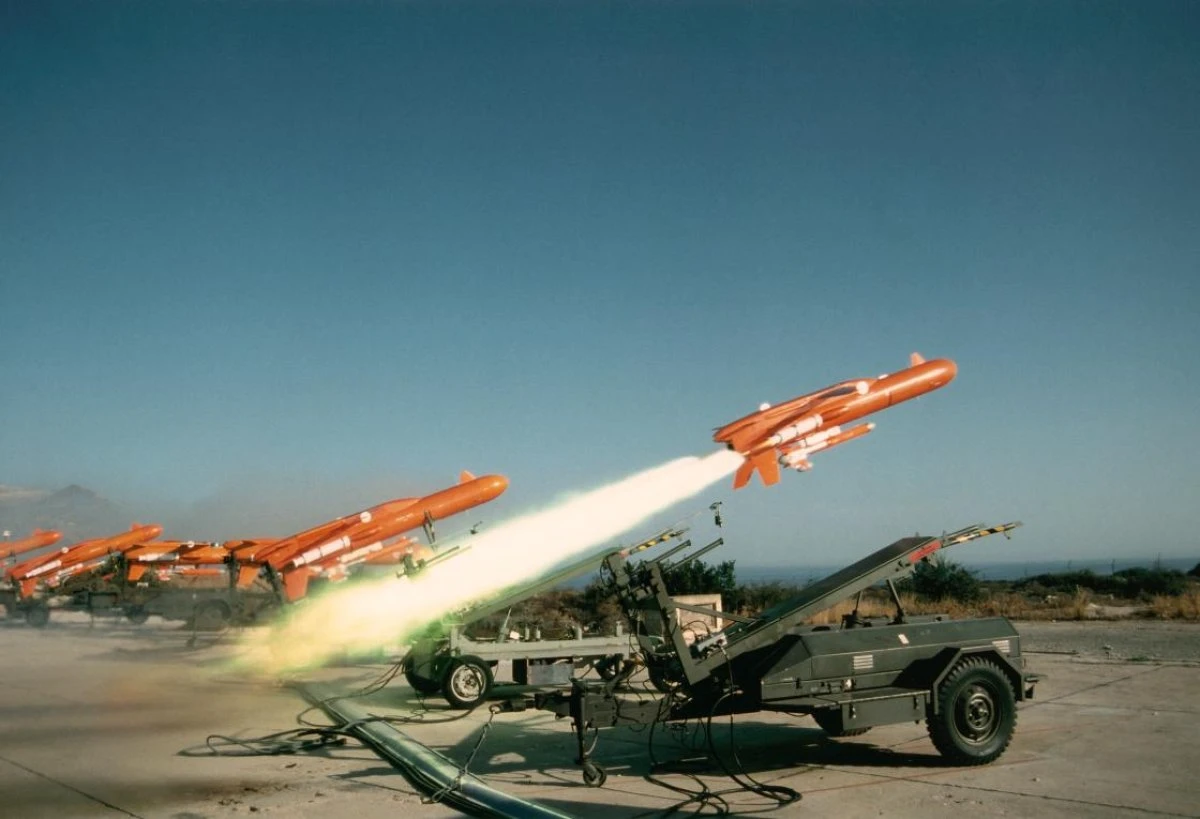





















War does not reach the rear only through explosions. Sometimes it arrives as a sound that cannot be identified quickly enough: a moped in a village at night, a scooter near a road, or a drone flying toward a military site. In occupied Crimea, that difference has become politically dangerous enough to be banned.
The Russian occupation administration in Crimea has introduced nighttime restrictions on motorcycles, mopeds, scooters and quad bikes. The ban is supposed to apply from 8 p.m. to 6 a.m. and does not cover cars or larger vehicles. The official explanation is that small engines interfere with defense systems because they sound like drones.
At first glance, this looks almost like an administrative curiosity. In reality, it describes the condition of the peninsula more precisely than official statements do after a series of Ukrainian strikes on military, fuel and logistics infrastructure. If the authorities have to regulate the nighttime noise of mopeds, the war has already entered the everyday acoustics of occupation.
For Daycom, this case matters not as a strange ban, but as a symptom of a changing military reality in Crimea. The peninsula, which Moscow spent years presenting to Russian society as a protected resort territory, is increasingly living by the rules of a military site: with restrictions, shortages, anxiety and fear of the sky.
Recent Ukrainian attacks on Crimea have targeted supply routes, fuel hubs, port infrastructure and facilities connected to Russia’s military presence. Sevastopol, the base of Russia’s Black Sea Fleet, is especially vulnerable to such pressure because for Moscow it carries military, logistical and symbolic weight at once.
The fuel crisis has become one of the most visible consequences of this campaign. In Sevastopol, occupation authorities kept a limit of 20 liters of fuel per vehicle, after previously introducing a QR-code system for buying gasoline. Lines appeared at some filling stations, and fuel moved from the sphere of military logistics into the daily life of civilians.
That is the crucial change. Russia long tried to separate the war from life on the occupied peninsula: the front was supposedly far away, the holiday season continued, roads functioned, the sea was nearby. Drones have broken that stage set. They do not need a large landing operation to change the feeling of security. A few strikes on fuel, bridges, depots and radars are enough.
That is why the motorcycle ban has not only a practical function, but a psychological one. It signals to residents that the authorities are “controlling the situation,” although in reality they are controlling only the easiest thing — civilian movement. Stopping a drone is harder than stopping a teenager on a moped. But administratively, the teenager is easier to punish.
The rhetoric of occupation officials is especially revealing. They explained the ban not only through technical risk, but also through claims that young people were being recruited for nighttime rides. This turns the ordinary sound of an engine into a possible act of sabotage. As a result, suspicion falls not only on drones, but on any nighttime mobility.
This is a typical mechanism of occupation anxiety. When a military system cannot fully protect key infrastructure, it expands the circle of the “suspicious” inside society. A scooter’s sound can be interpreted as a threat to air defense, and a teenager’s ride as part of an enemy operation.
In this logic, Crimea looks less and less like a “showcase of Russian normality.” It is becoming a territory where every civilian detail passes through a military filter: fuel through limits, roads through checks, nighttime movement through bans, noise through suspicion, and the tourist season through the question of when the next attack will come.
Ukraine’s strategy here is clear. Kyiv cannot quickly retake the peninsula through a conventional ground operation, but it can steadily complicate its use as a Russian military hub. Strikes on oil depots, transport routes, air-defense systems, ships and logistics have not only tactical but strategic value: they make the occupation more expensive, fragile and unstable.
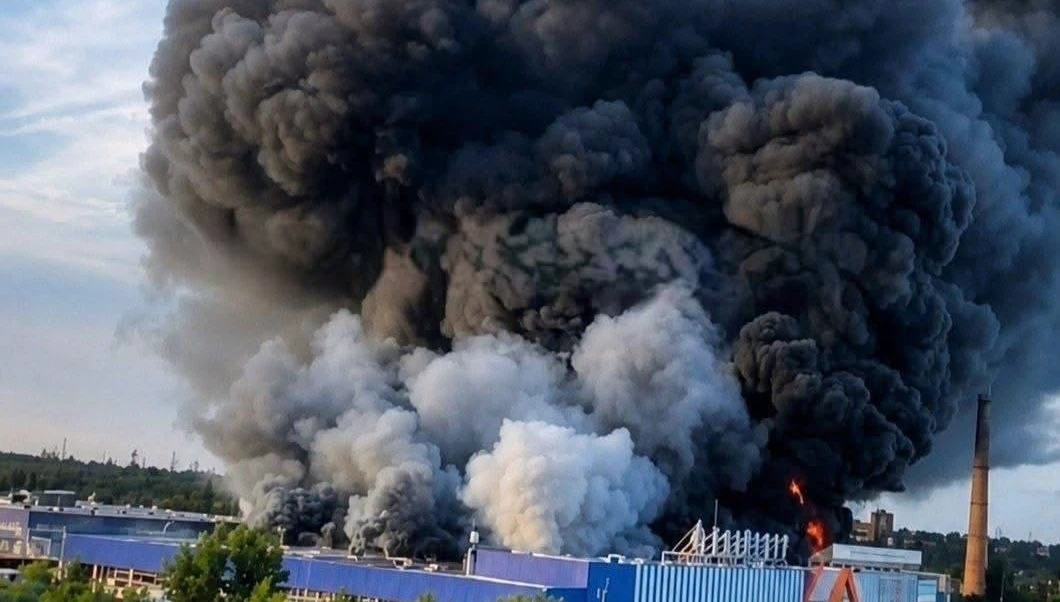
This pressure extends beyond Crimea. Ukrainian drones are increasingly striking Russian energy infrastructure deep inside the Russian Federation, including refineries and fuel facilities. Some attacks have led to shutdowns or restrictions at industrial sites, increasing pressure on Russia’s fuel system.
The Moscow oil refinery has also been among the facilities reported to have suspended operations after drone strikes. At the same time, Russian authorities have reported downing drones headed toward Moscow. This means that the war over fuel and logistics is no longer limited to occupied territories. It is moving deeper into the Russian economy.
For Russia, this is painful because fuel stability is part of its war machine. The army needs diesel, aviation needs fuel, the fleet needs reserves, and the rear needs uninterrupted delivery. If Ukraine forces Moscow to spend resources on repairs, protection, transport and compensation for shortages, each strike works not only as an explosion, but as an economic lever.
For occupied Crimea, the result is simpler: the peninsula is becoming less convenient for the Russian army and less comfortable for civilian life. The tourist image collides with fuel limits, nighttime bans and constant expectation of new attacks. Even if the beaches are open, the atmosphere is no longer a resort atmosphere. It is military.
This is where the sound motif gains symbolic weight. Drone warfare has changed not only the map of strikes, but the perception of everyday life. What once belonged to the background of the night — the engine of a moped, the passing of a scooter, the growl of a quad bike — now resembles a threat. Fear no longer begins with an explosion. It begins before anyone knows what is flying or moving.
This does not mean every such ban has military effectiveness. On the contrary, it may indicate that air-defense and surveillance systems cannot quickly and reliably distinguish civilian noise from a real threat. When defense requires silence on the roads, that speaks not of confidence, but of overload.
Russian authorities are trying to present the restrictions as a temporary measure to protect important facilities. But temporary wartime bans often live long lives. They normalize emergency rule, accustom the population to restrictions and shift responsibility for danger from the military system onto civilians.
Politically, this is another blow to the myth of the “finality” of annexation. Moscow can call Crimea its own, build administrative schemes, stage propaganda seasons and promise stability. But when the peninsula lives with fuel limits and a nighttime ban on motorcycles because of fear of drones, life itself disproves the image of normality.
Crimea remains occupied Ukrainian territory that Russia has turned into a military base. Now that base is increasingly feeling the consequences of its own function. Where there are depots, ships, radars, fuel tanks and supply routes, the war cannot remain far away. It comes to the places where its instruments are concentrated.
The nighttime silence now being imposed on mopeds and motorcycles is not the silence of peace. It is the silence of waiting. It describes a peninsula where the occupation authorities fear not only a Ukrainian drone, but even a sound that might resemble one. And in that fear lies the central fact: drone warfare has already forced Crimea to live not as the rear of an empire, but as a vulnerable part of the front.