


























Russia’s May 1 attack was dangerous not only because of the number of drones involved. It marked a shift in the rhythm of the war: a mass strike came during the day, when cities were operating normally, roads were full, businesses were open and air-raid alerts cut directly into civilian life.
Between 8 a.m. and 3:30 p.m., Russia launched 409 attack drones at Ukraine. Ukrainian air defenses destroyed or neutralized 388 targets across the north, south, center and west of the country. The barrage included Shahed drones, Gerbera decoys, Italmas-type drones and other unmanned systems.
Earlier that night, Russia had already sent more than 200 drones into Ukrainian airspace. The combination of nighttime and daytime waves created the effect of almost continuous aerial pressure: air defenses, mobile fire groups, power crews, rescuers and local authorities were not responding to a single strike, but operating under sustained exhaustion.
According to Daycom’s earlier analysis, the decisive feature of this attack was not only its scale, but its timing. Russia is increasingly moving large drone raids into daylight hours, trying to break Ukraine’s adaptation to nighttime strikes and force rear cities to live in permanent operational uncertainty.
The heaviest blow fell on Ternopil, a western Ukrainian city about 150 to 200 kilometers from the Polish border. Moscow appears to view it as part of Ukraine’s western logistical rear. More than 50 drones targeted the regional center, damaging industrial and infrastructure facilities and causing power outages in some districts.
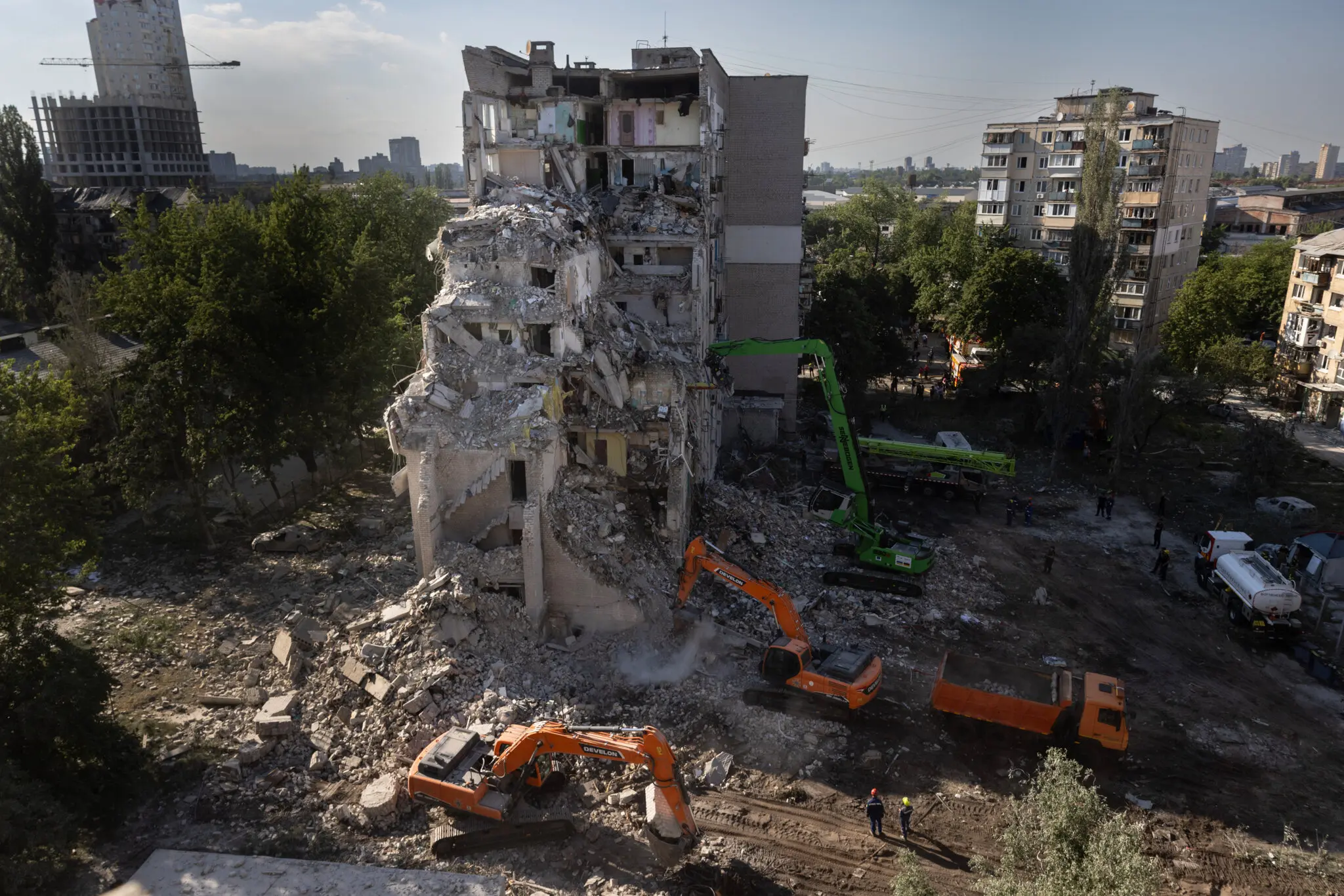
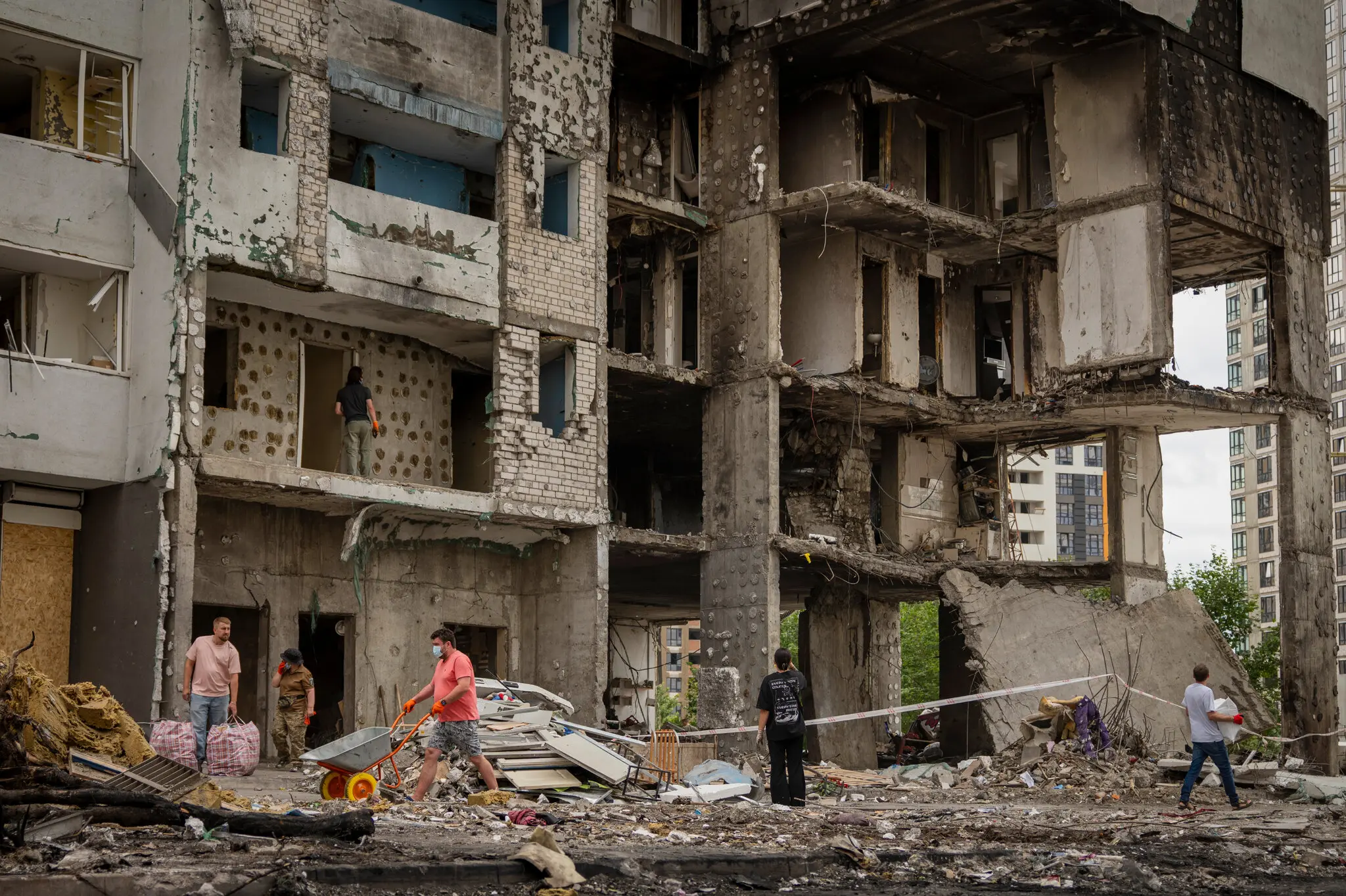
At least 10 people were injured in Ternopil. For a city that is not formally on the front line, the attack was another reminder that Russia’s long-range terror strategy does not recognize the rear as a safe zone. Distance from the battlefield is no longer enough to protect against attack drones.
The consequences were felt far beyond western Ukraine. In the Cherkasy region, damage was reported to a nursery, a school, private homes and a power line. In the Vinnytsia region, a woman was injured and a building was destroyed. Near Odesa, a daytime strike damaged the roof of a shopping center and caused a fire.
This geography matters. Russia is keeping industry, energy infrastructure, residential districts, schools, ports and transport hubs under simultaneous pressure. The goal is not only physical destruction, but the erosion of normality in cities that sustain Ukraine’s rear.
Daytime attacks change the burden on Ukrainian defense. At night, the military logic of the sky is more easily separated from civilian activity on the ground. By day, drones enter an environment where factories are operating, buses are moving, shops are open, and schools and hospitals are active. Every interception carries greater risk because debris can fall into a denser urban rhythm.
Russia is also expanding the cheaper, more numerous components of its air war. Alongside Shahed drones, it increasingly uses decoys and mixed drone types designed to overload radars, drain Ukrainian resources and open routes for more dangerous weapons. This is not only a war of explosions; it is a war of arithmetic.
Ukraine’s interception result — 388 neutralized targets out of 409 — shows the high effectiveness of its air defenses. Yet the scale of the launch reveals the core problem: when hundreds of drones are involved, even a small percentage of successful penetrations can mean fires, damaged infrastructure, injuries and power disruptions.
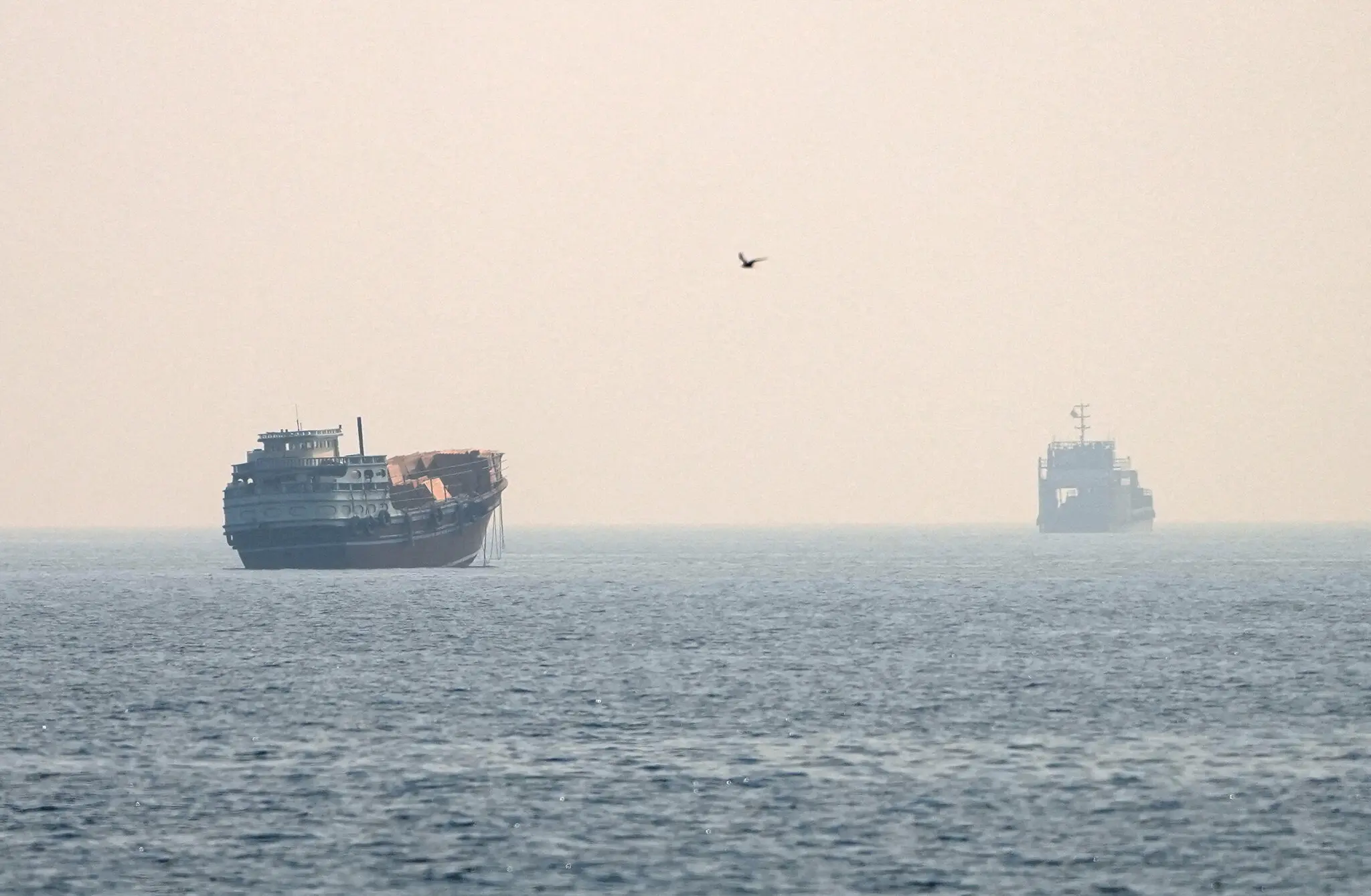
At the same time, Ukraine is striking back at Russia’s military-economic infrastructure. During the same period, Ukrainian drones again targeted the Black Sea port of Tuapse, an important node in Russia’s oil logistics that has been hit repeatedly in recent weeks.
Tuapse adds another dimension to the war: economic and environmental vulnerability. Previous strikes were followed by oil contamination, black smoke, traces of petroleum products on the coast and air-quality concerns. Russian infrastructure that serves oil exports and refining is itself becoming a zone of prolonged risk.
May 1 therefore exposed two connected processes. Russia is trying to exhaust Ukraine through mass daytime attacks on cities and the rear. Ukraine, in response, is shifting pressure onto Russia’s oil system, ports and routes that finance Moscow’s ability to wage a long war.
On the front, Russian forces continue to press in parts of Donetsk region, including toward Kostiantynivka, one of the important nodes in Ukraine’s eastern defensive belt. That means the air campaign does not exist apart from the ground war. Drones over Ternopil, damaged schools in central Ukraine, fire near Odesa and strikes on Tuapse are all parts of the same war of attrition.
The main conclusion is simple and troubling: Russia is no longer limiting mass attacks to the night. It is testing Ukrainian defense in a new mode, one in which danger arrives in the middle of the day, at the peak of civilian activity. Ukraine will now have to adapt its cities, air defenses, energy system and public endurance to that kind of war.