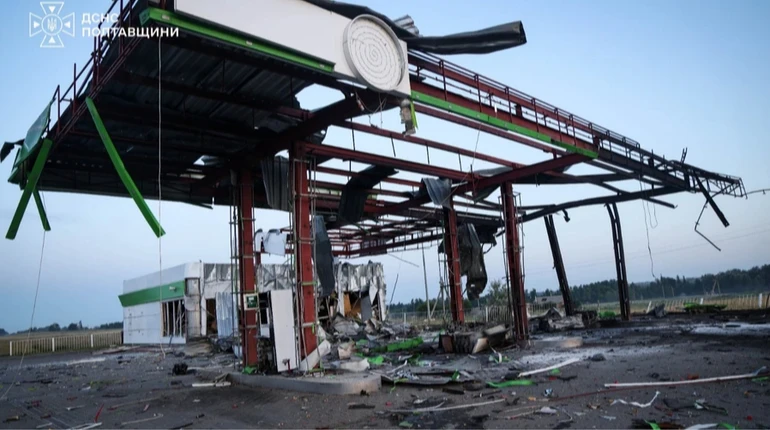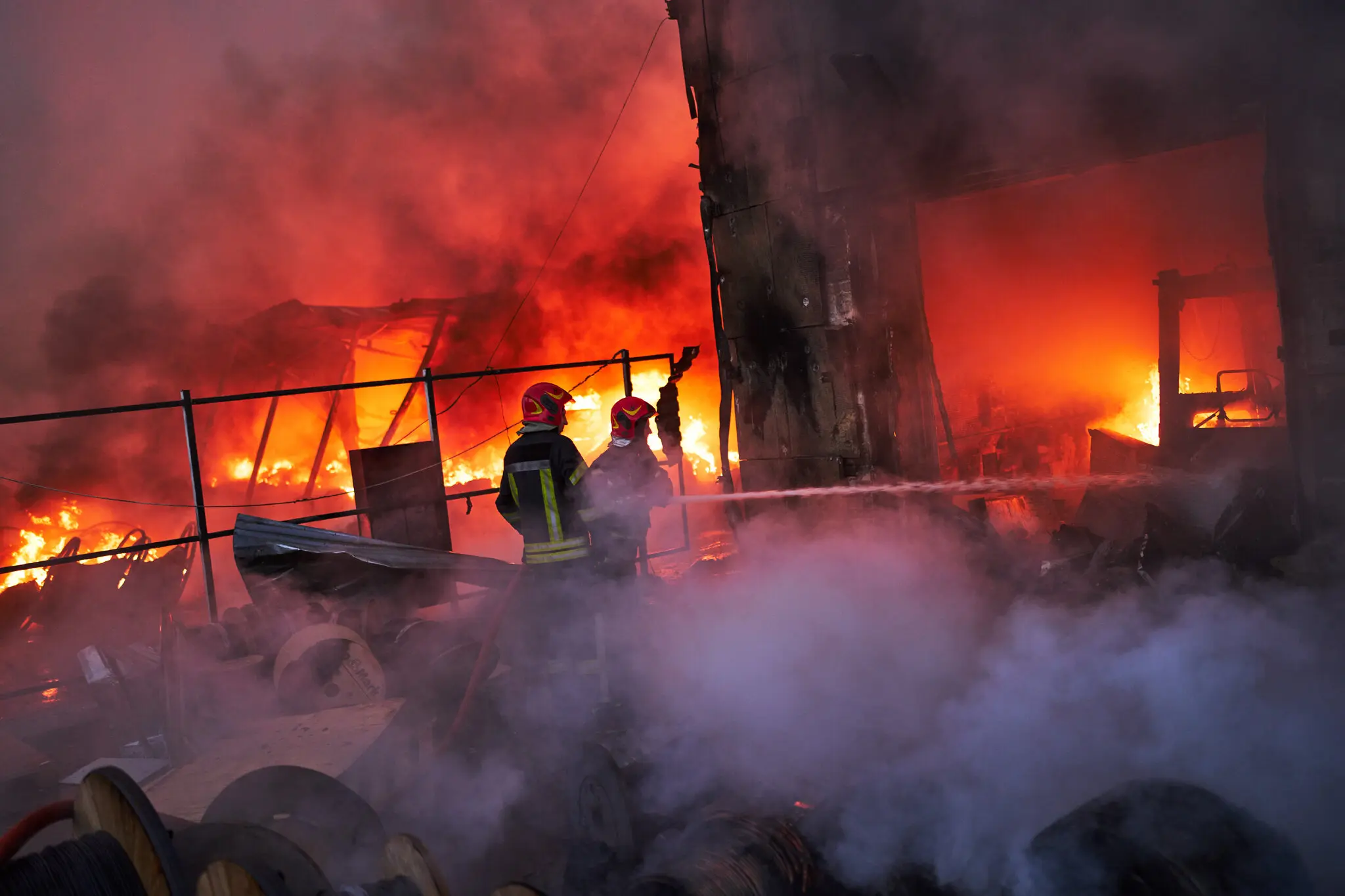







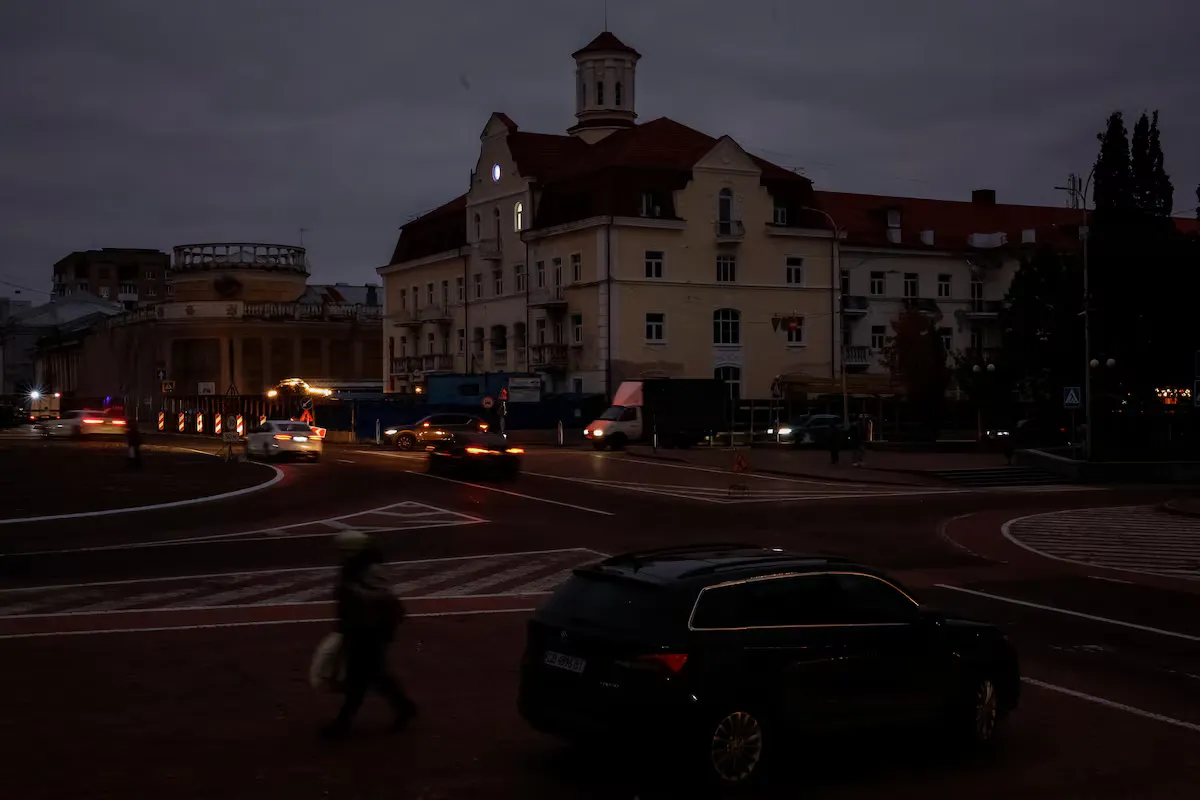













The death toll from Russia’s overnight attack on Ukraine has risen to at least 17. The heaviest losses were reported in Dnipro, where 11 people were killed, including two children. In Kyiv, authorities reported six deaths after strikes on residential buildings and urban infrastructure.
The updated figures changed the scale of the night. What first appeared to be one of the largest attacks in months is now becoming one of the year’s deadliest air assaults in human terms. In Dnipro, rescuers pulled the bodies of an eight-year-old boy and a woman from the rubble; earlier, officials had reported that a three-year-old boy was also among the dead.
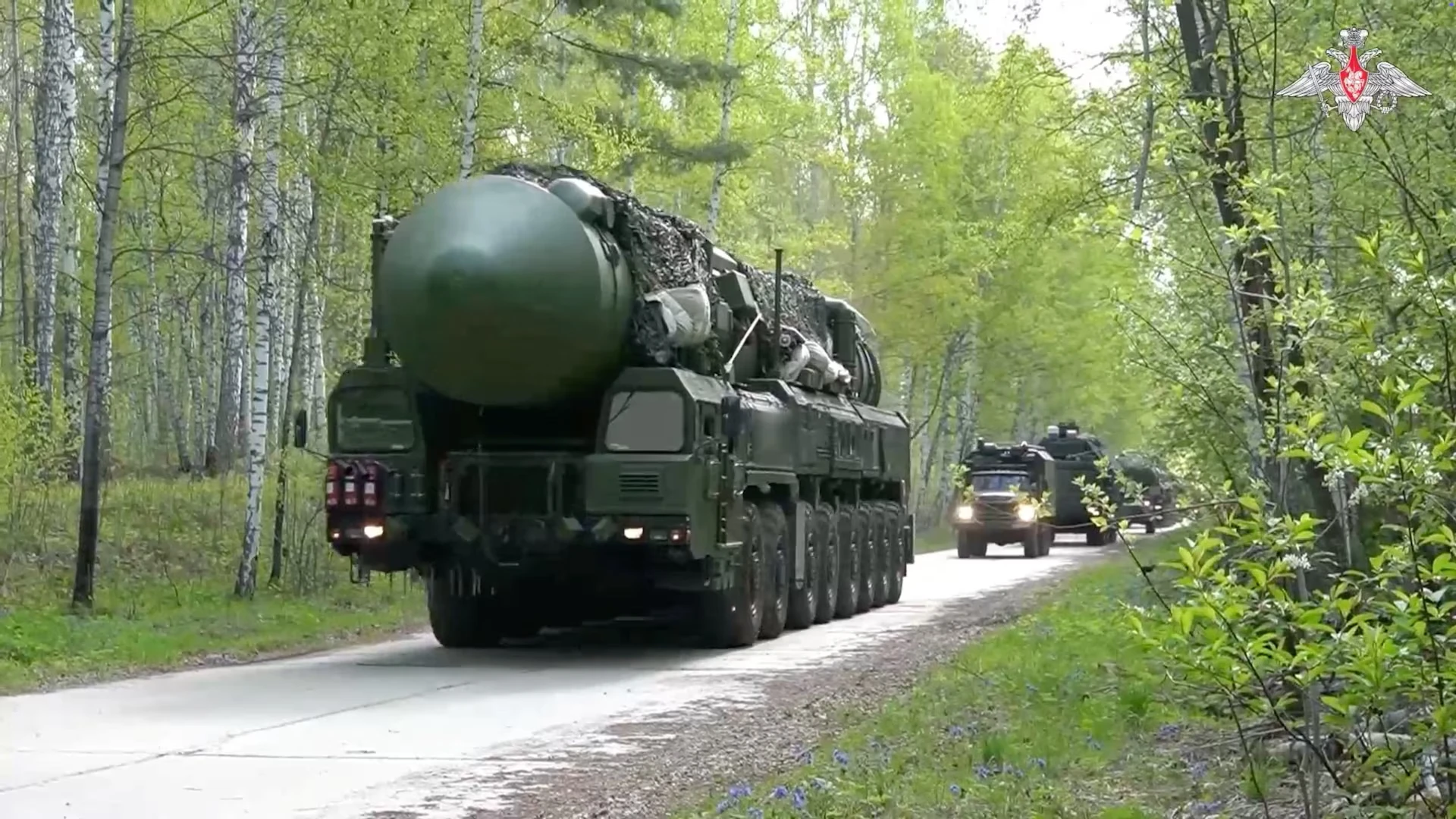
Russia launched 656 drones and 73 missiles at Ukraine. The barrage included 33 ballistic missiles and eight hypersonic Zircon missiles. Ukraine’s Air Force said it shot down or neutralized 602 drones and 40 missiles, including 11 ballistic missiles. The Zircons were not listed among the intercepted targets.
According to Daycom’s assessment, that ratio explains the tragedy of the night. Ukraine is intercepting most incoming weapons, but Russia is increasing the scale and complexity of its attacks so that even a few breakthroughs can produce catastrophic results: a collapsed building, dead children, destroyed apartments, wounded rescuers and new districts without electricity.
This is no longer only a question of interception rates. The air war has entered a phase in which the average result matters less than the cost of every missile that gets through. If only a handful of targets out of hundreds reach their mark, they can still destroy an entrance hall, a clinic, an energy facility or a shelter near a residential block.
Ballistic missiles remain the gravest threat. Drones can be countered by mobile teams, anti-aircraft guns, cheaper interceptors and electronic warfare. Ballistic and hypersonic missiles require a different class of defense: expensive, complex and scarce systems such as Patriot.
The use of eight Zircon missiles in a single strike sends a separate signal. Even if some failed to achieve Moscow’s intended effect, the fact of their use shows Russia’s intent to test the upper limits of Ukrainian air defense. It is an attempt not only to inflict damage, but to learn which types of missiles Ukraine can stop reliably and which remain most dangerous.
The Russian attack was structured as a multilayered wave. First, the mass of drones overloads the system, forcing mobile groups, radars, standby batteries and command posts into action. Then missiles enter the picture, requiring the most valuable interceptors. In this way, Moscow turns every night not only into a strike, but into an audit of Ukraine’s stockpiles.
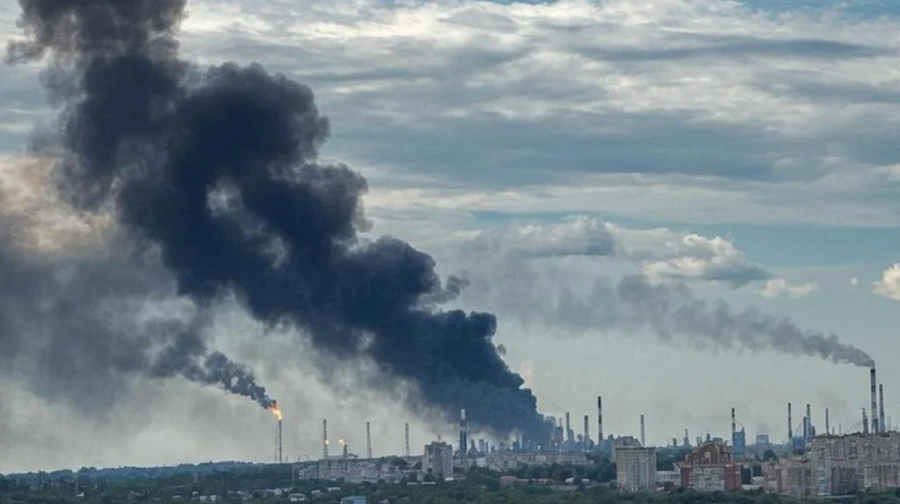
For Kyiv and Dnipro, the danger is different but connected. The capital remains a political and symbolic target, where every strike is meant to show that even the best-defended city is not beyond reach. Dnipro is a major industrial and logistical hub that Russia keeps trying to hold under constant pressure.
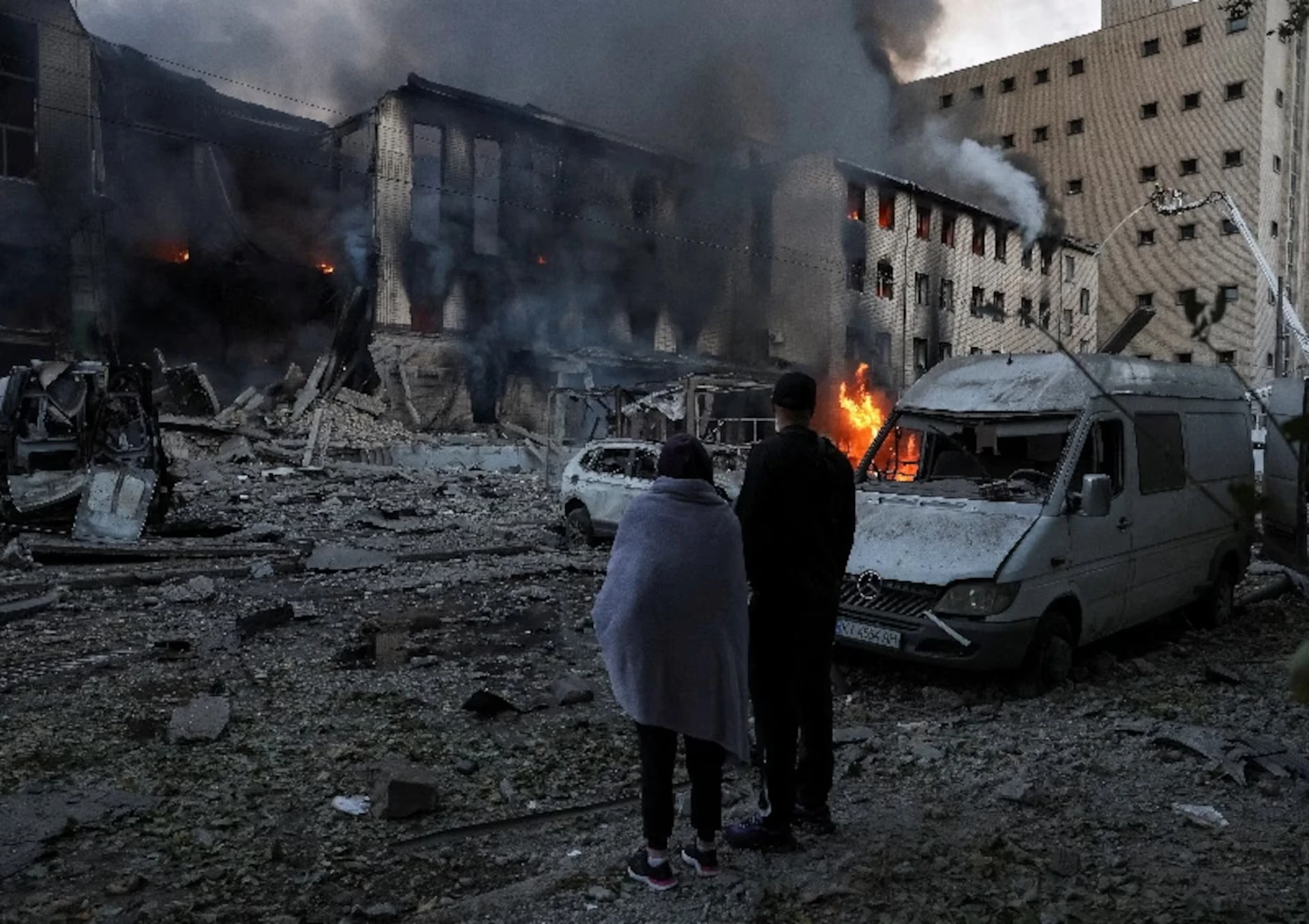
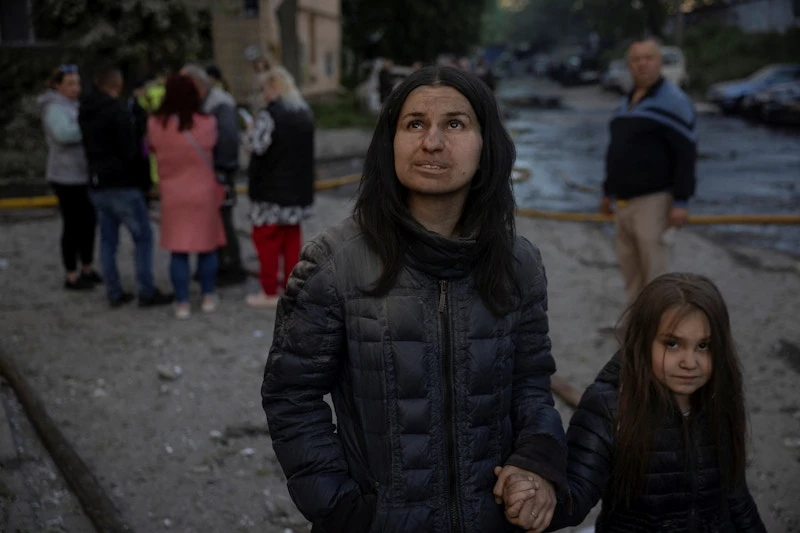
Dnipro became the center of the night’s human tragedy. When a child is pulled from the rubble, dry statistics become the clearest evidence of the attack’s character. Moscow may speak of military targets, defense industry sites or retaliation for earlier events, but the reality on the ground is again made of bodies, apartments, stairwells, smoke and children’s names.
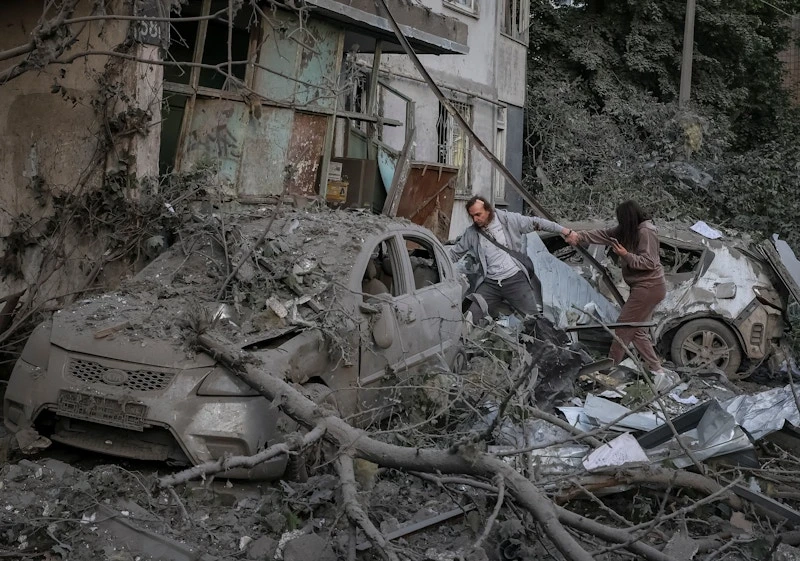 Мешканець стоїть на місці удару російського безпілотника та ракети — Stringer
Russian rhetoric after such strikes traditionally tries to create an image of “revenge.” The Kremlin links the new wave of attacks to events in occupied Starobilsk, where Moscow claims people were killed in a strike on a dormitory. Ukraine rejects that version and says the target was a drone command unit.
Even if the information dispute around Starobilsk is set aside, Russia’s strategic logic does not change. Mass strikes on Kyiv, Dnipro, Kharkiv, energy sites and residential areas did not begin after one episode. They have long been a method of war.
Their purpose is to exhaust air defenses, destroy the feeling of safety, force people to live by the rhythm of night alerts and show Ukraine’s partners that every month of support will become more expensive. That is why the attack with 656 drones and 73 missiles should be seen not as an isolated barrage, but as part of a campaign of exhaustion.
The rising number of victims makes that campaign even more political. Each new figure is not only a family tragedy, but a question to Ukraine’s allies: whether they are delivering Patriot missiles fast enough, whether they are ready to expand interceptor production, and whether they understand that pauses in decision-making have a human cost.
Ukraine demonstrated strong defensive performance by neutralizing most of the incoming targets. But that performance cannot last indefinitely without stockpiles. Air defense is not an abstract shield. It is a concrete number of missiles, crews, batteries, radars, mobile teams and hours worked by people who almost every night stand between a city and a strike.
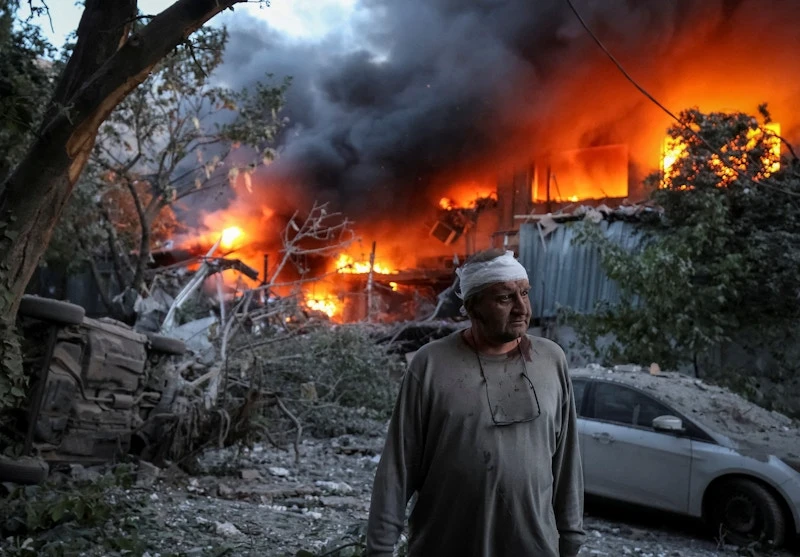 Мешканець стоїть на місці удару російського безпілотника та ракети, у Києві, 2 червня 2026 року — Stringer
The main conclusion from this attack is harsh: Ukraine can win most aerial duels and still lose people if Russia launches enough targets and uses missiles against which interceptors are scarce. In this kind of war, victory in the sky is measured not by percentages alone, but by the number of apartment entrances, hospitals and children’s rooms saved.
The overnight strike showed that Moscow is ready to raise the stakes and combine the cheap mass of drones with expensive missiles, including Zircons. The answer cannot be occasional. Ukraine needs a durable anti-ballistic system, steady replenishment of interceptors and political speed from partners that at least approaches the speed of missiles.
Every delay is no longer just a diplomatic interval. It is time in which Russia prepares the next wave, energy workers strengthen emergency protocols, rescuers search through rubble, and families in Dnipro and Kyiv learn that statistics have again become someone’s life.