

















Denmark is again choosing practical military capability over symbolic support for Ukraine. A new aid package worth about 4.4 billion Danish crowns, or nearly $672 million, shows that Copenhagen sees the war as a long contest of resources, production and tempo.
This is Denmark’s 30th military support package for Ukraine. Its significance lies not only in the number or the amount. What matters more is the way the money is being allocated: part of it will not simply fund weapons taken from allied stockpiles, but procurement through Ukraine’s own defense industry.
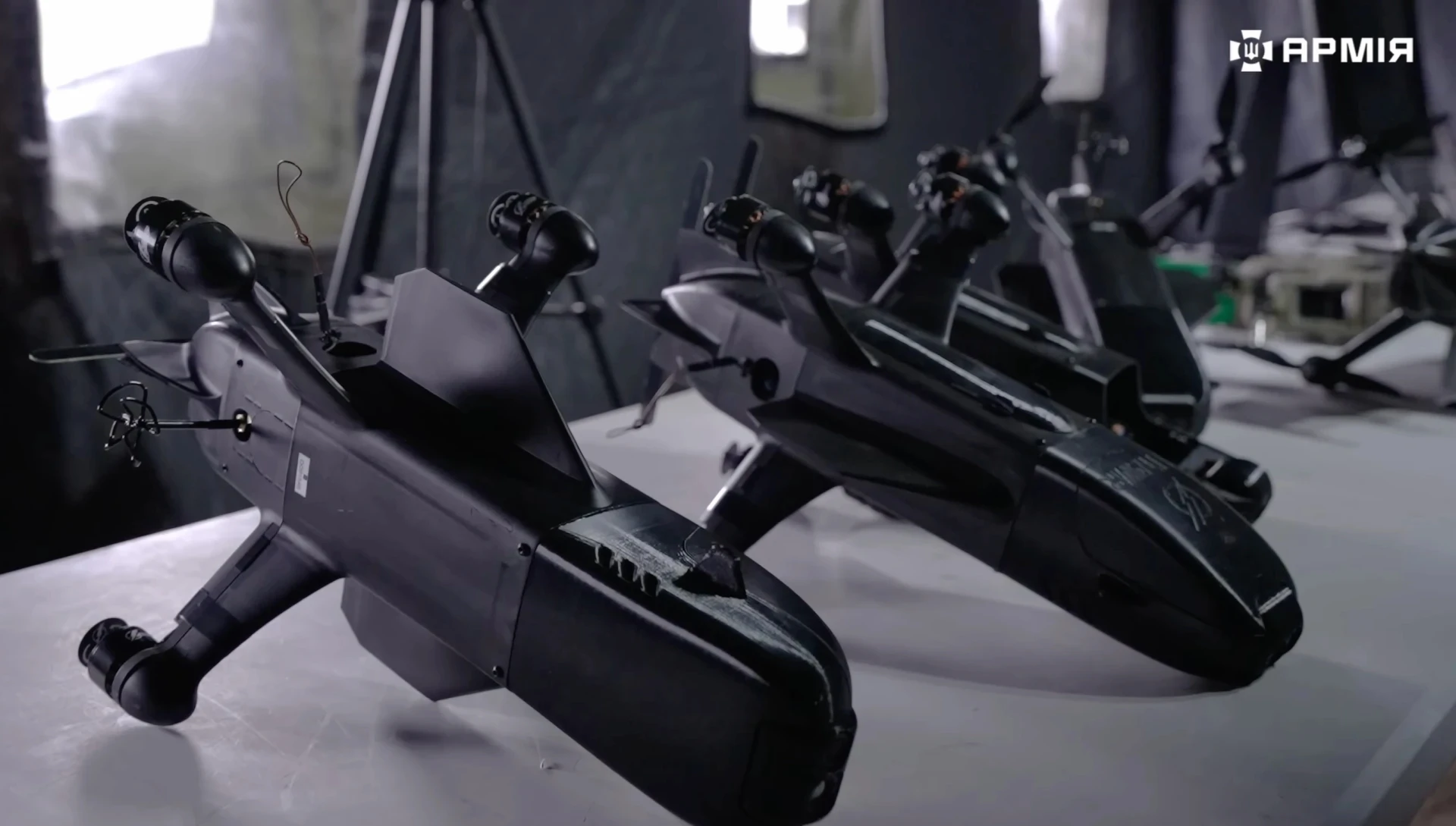
About 1.3 billion crowns is set aside for the so-called “Danish model.” Its core idea is simple: Western funds are directed toward weapons production inside Ukraine. For Kyiv, this is especially important. The country receives not only ammunition or equipment, but a stronger industrial rear of its own.
According to Daycom’s earlier analysis, this model may become one of the most effective forms of aid in a war of attrition. It shortens the path between front-line demand, manufacturer and delivery, while allowing money to flow into systems Ukrainian forces already know and can use quickly.
Denmark is effectively supporting not only the Ukrainian army, but Ukraine’s ability to produce war itself, in the most practical sense of the phrase. In modern conflict, victory belongs not only to those who receive weapons, but to those able to manufacture, repair, adapt and scale them continuously.
That marks a sharp difference from the classic logic of donor aid, in which a partner country transfers ready-made systems from its own reserves. That format remains necessary, but it has limits: stockpiles are not infinite, production cycles are long, and the front needs new batches of ammunition, drones, vehicles and strike systems every day.
The “Danish model” works differently. It recognizes that Ukraine’s defense-industrial complex is no longer a secondary addition to Western assistance. It is becoming one of the main instruments of the state’s survival, and allies can strengthen it directly.
A separate emphasis in the new package is long-range artillery ammunition. That is not a random detail. Russia is trying to apply pressure along the front through manpower, glide bombs, artillery and logistical depth. Ukraine’s answer requires the ability to strike farther, more accurately and more systematically.
Long-range artillery makes it possible to hit depots, command posts, crossings, artillery positions, equipment concentration areas and supply routes. In a war where the front line may shift slowly, strikes against the enemy’s rear structure often carry decisive weight.
For Ukraine, this is not only a matter of offensive action. It is a way to reduce Russian pressure on the front line, disrupt preparations for attacks, lower the intensity of shelling and force the enemy to push depots and headquarters farther from the line of contact. Every additional kilometer for Russian logistics means time, fuel and vulnerability.
Danish assistance also fits into a broader change in European thinking. Allies increasingly understand that the war against Russia cannot be sustained by political declarations and one-off deliveries alone. It requires long-term financial mechanisms, industrial contracts and predictability for manufacturers.
Ukraine’s factories, design bureaus and private defense companies need exactly that predictability. They can adapt quickly to the demands of the front, but they need money, orders, guarantees and access to components. Without those, even the best engineering flexibility runs into hard limits.
For Copenhagen, this policy has become one way for a small country to become a visible actor in European security. Denmark does not have the scale of the United States or Germany, but it has worked consistently where assistance can produce a fast military effect.
That consistency matters to Kyiv. When support arrives as a 30th package, it stops looking like a reaction to a single crisis. It becomes part of a long political course that Moscow cannot easily wait out.
Russia’s strategy rests partly on the assumption that the West will tire, divide, slow down or begin counting costs more sharply than the risks of Ukraine’s defeat. Every new package, especially one that invests in production inside Ukraine, strikes directly at that Russian bet.
At the same time, the Danish package does not remove the central problem: Ukraine needs more, and it needs it faster. Artillery ammunition, air defense, drones, missiles, armored vehicles, electronic warfare systems and repair capacity remain critical. No single package can cover the full demand of the front.
But the new package moves the balance in the right direction. It does not only add resources; it supports a model in which Ukraine becomes less dependent on foreign stockpiles and more reliant on its own production capacity. For a long war, that is essential.
That is why the figure of 4.4 billion crowns matters not merely as a budget line. It is part of the answer to whether Ukraine can endure the war as an industrial contest. Today’s front depends not only on the courage of soldiers, but on whether industry can keep pace with the rate of losses and expenditure.
Denmark is showing allies a practical path: do not wait for perfect solutions, but finance what can work now; do not only transfer weapons, but expand Ukrainian production; do not merely speak about long-term support, but create the mechanisms that make it real.
The new package will not be an instant turning point in the war. But it strengthens what no turning point can happen without: ammunition, long-range fire, industrial autonomy and the confidence that Ukraine is not left alone against Russia’s machine of attrition.
In this logic, Danish aid is not just an act of solidarity, but an investment in Europe’s future security. Every crown directed toward Ukraine’s defense works to ensure that Russian aggression remains stopped where Ukrainian soldiers are already holding it back.