





















Monday night again showed how far the war has moved beyond the front line. Moscow counted intercepted drones and briefly suspended air traffic, while Ukraine, in the same hours, was pulling families, port infrastructure and civilian vessels from under Russian fire.
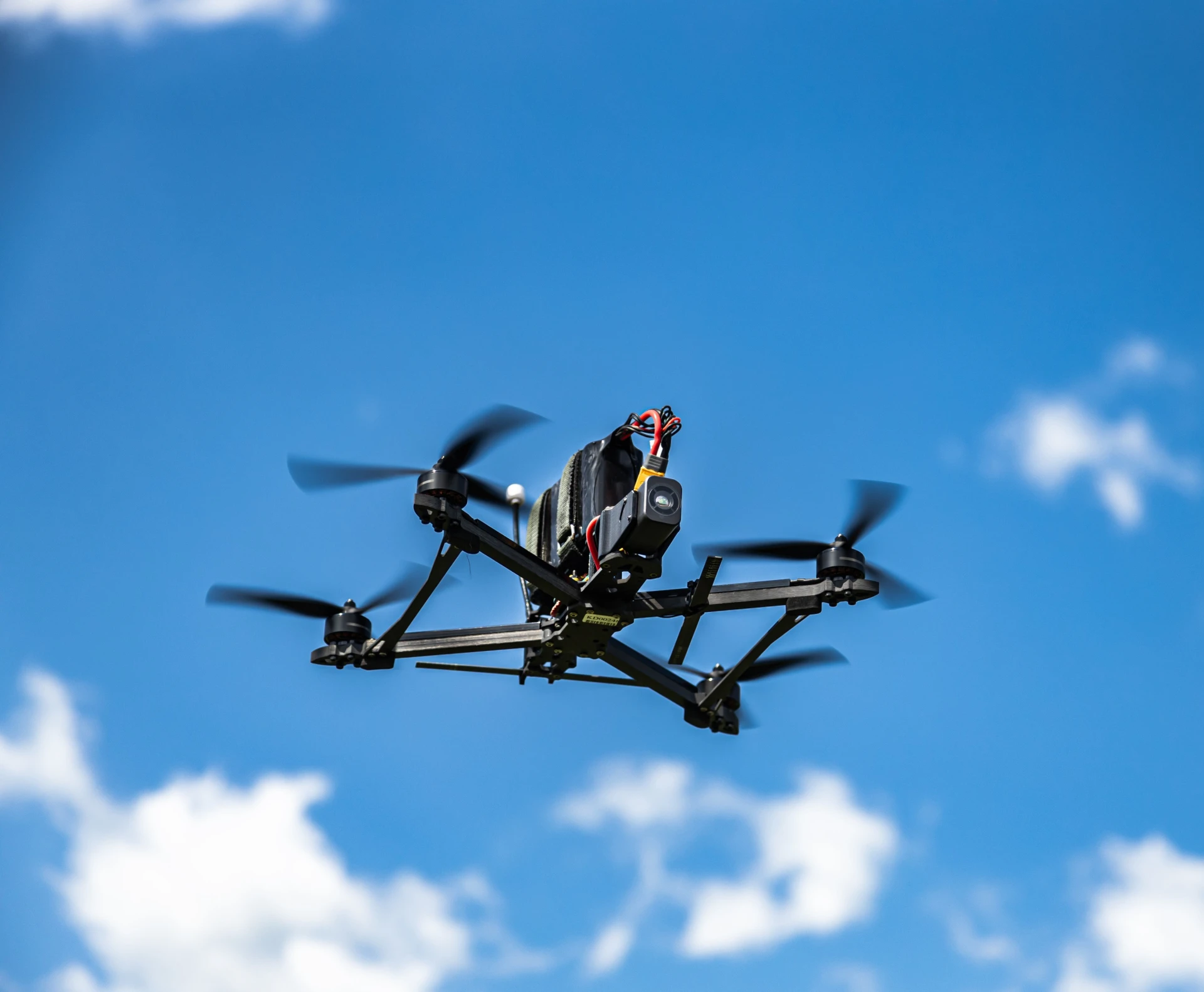
The Russian capital faced one of its largest waves of aerial disruption in recent days. Nearly 60 drones headed toward Moscow were shot down on the city’s approaches. Sheremetyevo, Domodedovo, Vnukovo and Zhukovsky airports temporarily suspended operations.
Russia’s broader overnight tally rose to 301 intercepted drones, including over occupied Ukrainian territories. The number points not only to the scale of the attack, but also to the growing strain on Russian air defenses, which are increasingly forced to operate in a state of constant exhaustion.
According to Daycom’s earlier analysis, the central meaning of this night lies not in the number of drones intercepted, but in the changing geography of risk. Moscow, long symbolically distant from the consequences of the war, is increasingly becoming part of the same danger zone Russia created for Ukrainian cities.
The latest wave against the Russian capital came days after another strike on Moscow’s only oil refinery. For Ukraine, such operations carry both military and psychological weight: they expose the vulnerability of rear infrastructure that Moscow had long treated as effectively unreachable.
Yet the simultaneity of events does not make them symmetrical. As Russian services reported downed drones and temporary flight restrictions, Ukraine was again absorbing strikes on residential areas, civilian facilities and people with no connection to military infrastructure.
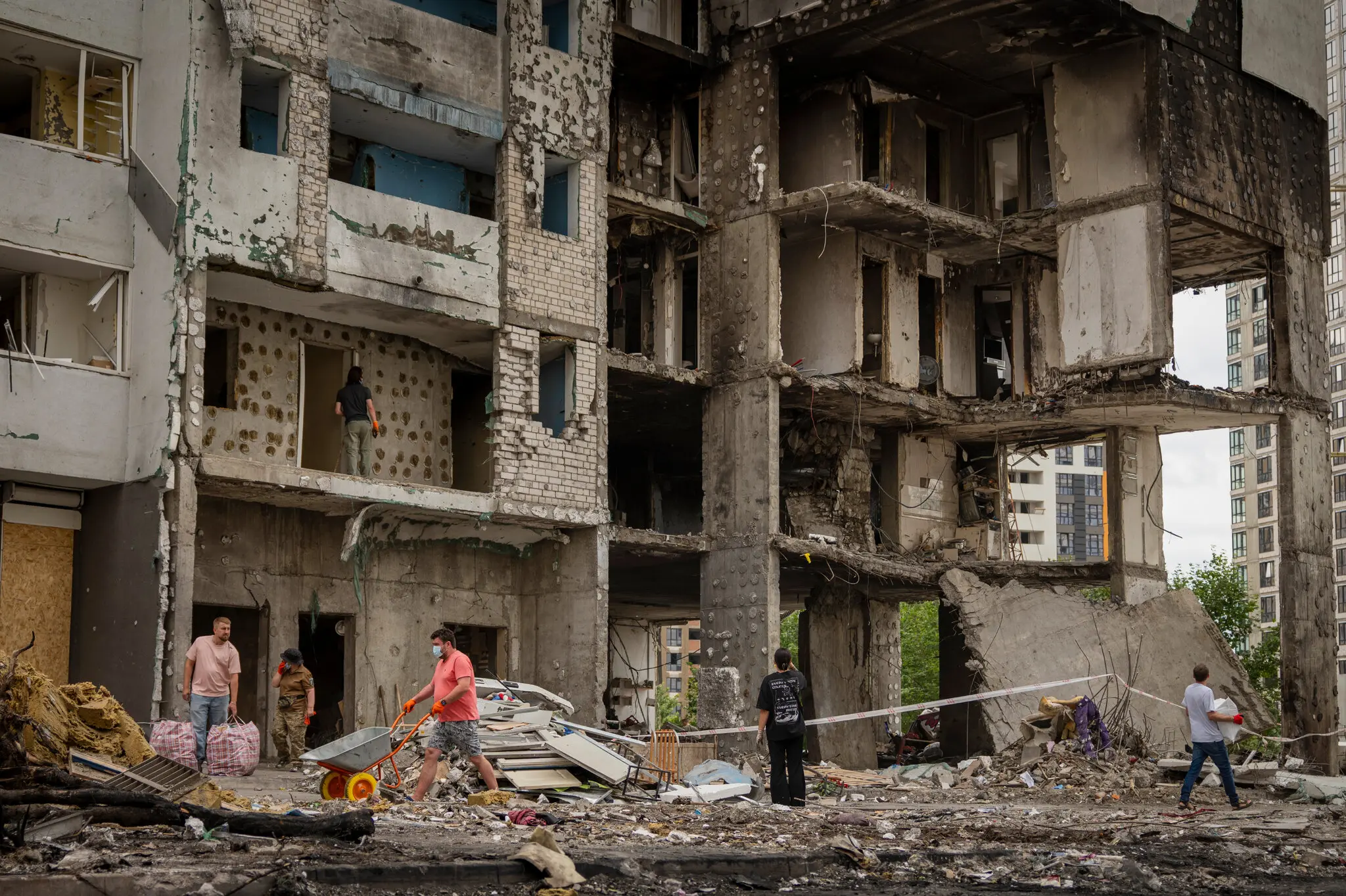
In the Sumy region, a Russian drone killed three members of one family: a 13-year-old boy, his 36-year-old father and his 73-year-old grandmother. The boy’s mother and two siblings were wounded. This was not an abstract episode in the drone war, but the destruction of a family’s private world.
In Zaporizhzhia, a drone attack killed a woman and wounded three other people. For a city that lives in the constant rhythm of air alerts and strikes, each new attack adds not only another point of destruction to the map, but another layer of exhaustion.
The Odesa region had been hit the previous evening by an Iskander ballistic missile. The strike on an agricultural facility set vehicles and fuel tanks on fire. One person was killed and three were wounded. Ukraine’s south again found itself inside Russia’s broader campaign against the country’s economic base.
A separate dimension of the night unfolded in the Black Sea. Russian drones struck the civilian merchant vessel Victress, sailing under a Panamanian flag. A 58-year-old Egyptian cook was killed, and eight other crew members, including Turkish and Indian nationals, had to evacuate in a lifeboat.
Two other vessels, operating under the flags of Palau and Belize, also came under attack but were able to continue their journeys. These strikes again move the war beyond the Russian-Ukrainian battlefield and into a zone of direct risk for international shipping.
Ukraine’s maritime routes remain critical for exports, foreign currency earnings and the resilience of the wartime economy. Every strike on a vessel or port facility is an attempt to make the Black Sea more expensive, more dangerous and politically harder for foreign partners to navigate.
That is why attacks on civilian ships have consequences far beyond damage to a hull or cargo. They affect insurance rates, operators’ willingness to enter Ukrainian ports, and the logistics of grain, metals and agricultural goods. War applies pressure not only through missiles, but through risk.
Against this backdrop, occupied Crimea shows another side of the same campaign. The peninsula is facing restrictions on fuel sales to the public and businesses, while supplies are being prioritized for agencies responsible for security and essential services.
In Sevastopol, open-air public events were cancelled and street lighting was partly switched off. Local authorities called for electricity savings, while the fuel crisis turned occupied Crimea from a resort showcase into a vulnerable logistics hub dependent on fragile supply routes.
For Ukraine, strikes on Crimea’s energy and transport lines are part of a long-term strategy: to complicate the supply of Russian forces, reduce the flexibility of fuel and equipment movements, and make the occupation infrastructure more costly to maintain.
For Russia, the response is becoming more difficult. Defending Moscow, covering Crimea, holding southern regions, protecting oil refineries and continuing mass strikes on Ukraine are separate missions competing for the same air-defense systems, personnel and resources.
This is where the new phase of drone warfare becomes visible. It does not replace artillery, missiles or infantry, but it changes the distribution of fear and cost. A cheaper drone can force an expensive defense system to fire, close an airport, disrupt transport schedules or create political pressure in the rear.
At the same time, Russian attacks on Ukraine preserve a different and harsher logic: they regularly kill civilians. In Sumy, Zaporizhzhia, Odesa and along maritime routes, the targets or victims are people for whom the war has long ceased to be news and has become the environment of daily life.
Monday night formed a single map: Moscow with temporarily closed airports, Sumy with a family killed, Zaporizhzhia with another dead civilian, Odesa with fires after a missile strike, the Black Sea with an evacuated crew, and Crimea with fuel restrictions.
That map shows a war in which the old idea of a rear is steadily disappearing. But it also shows the difference between the military vulnerability of the aggressor state and the daily exposure of civilians who pay for this war with their lives, homes, road to school and right simply to survive the night.