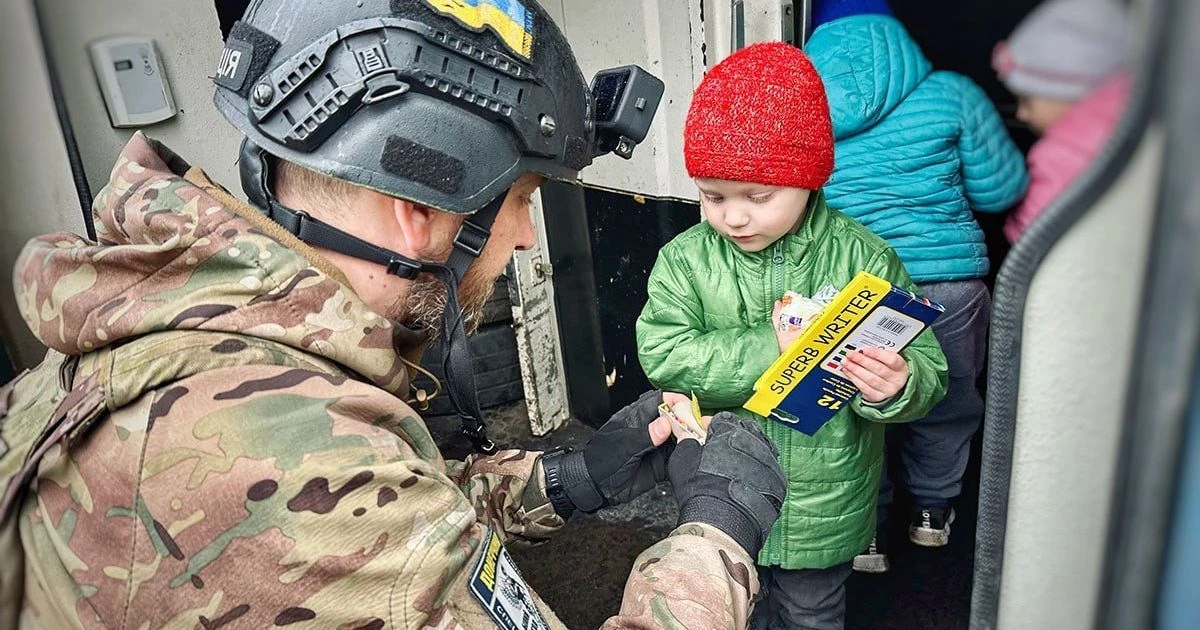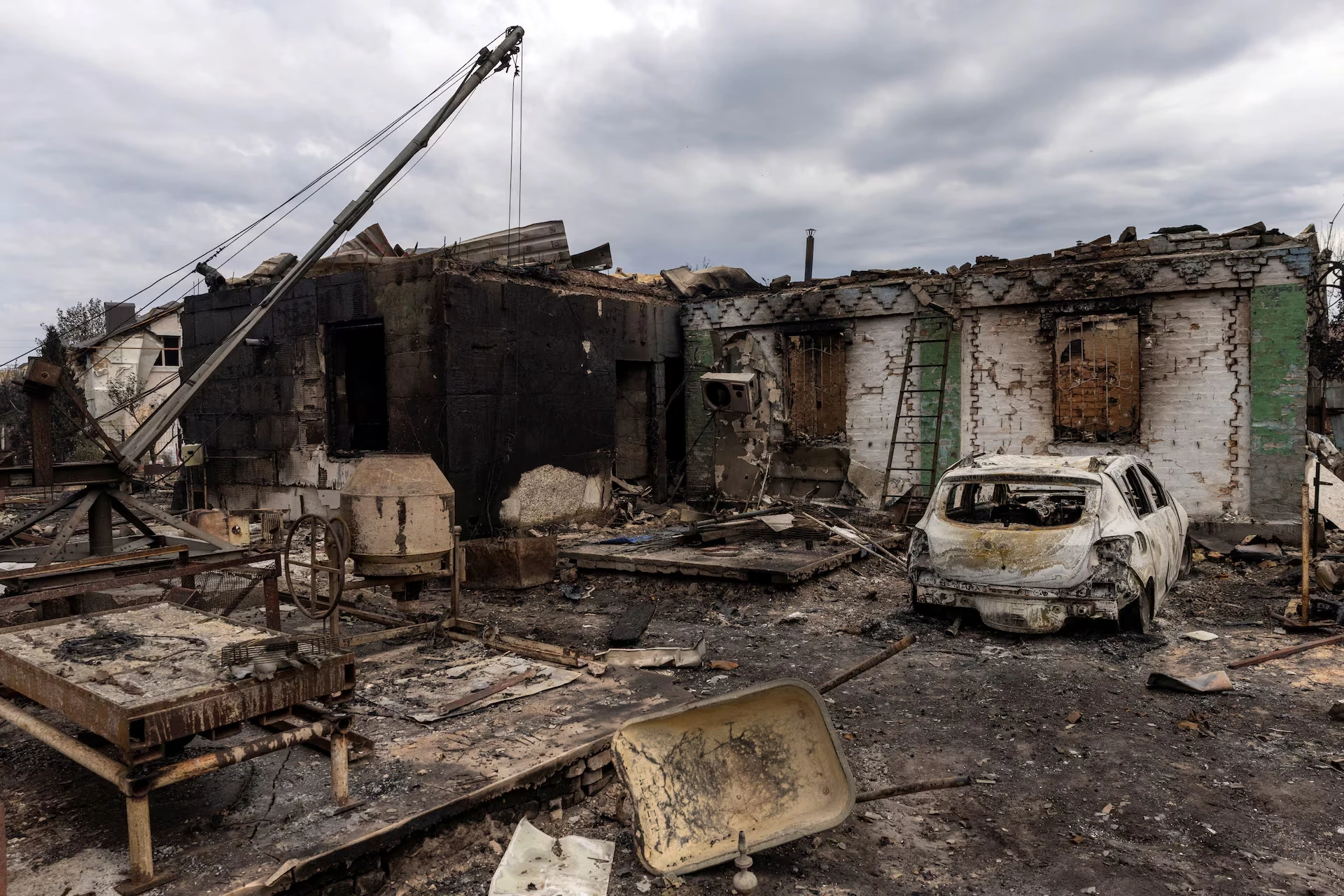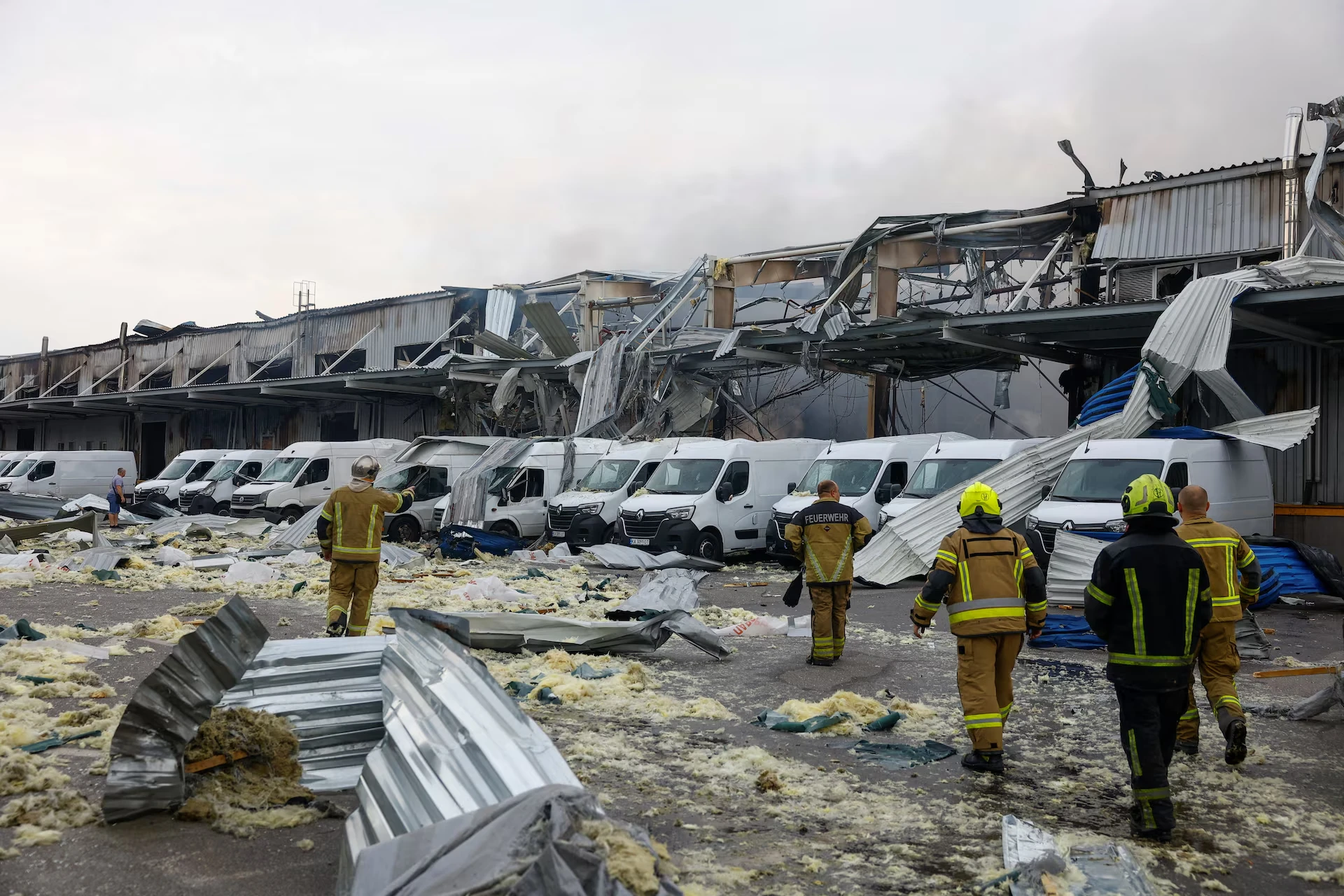























In the fifth year of the full-scale war, Russia is making ever less effort to conceal the nature of its strategy. It is not only trying to pierce Ukrainian defenses. It is trying to break the rhythm of civilian life itself. That is why a rare large-scale daytime drone assault matters as more than another grim entry in the statistics of war. It alters the very sense of time under attack.
For a long period, Russia’s drone terror largely followed a nighttime logic: strikes in darkness, pressure on air defenses, cities forced to remain awake until morning, civilians learning to measure the night not by sleep but by sirens. Now Moscow is testing something broader and more corrosive — the expansion of danger across the full day, the removal of even the fragile feeling that daylight still offers a partial reprieve.
At night, civilians can at least understand the threat as part of an already familiar wartime rhythm. But a daytime strike redraws the geography of fear in ordinary life. It reaches the road, the workplace, the market, the courtyard, the school run, the journey between cities, every attempt to salvage some fragment of normality in the midst of war.
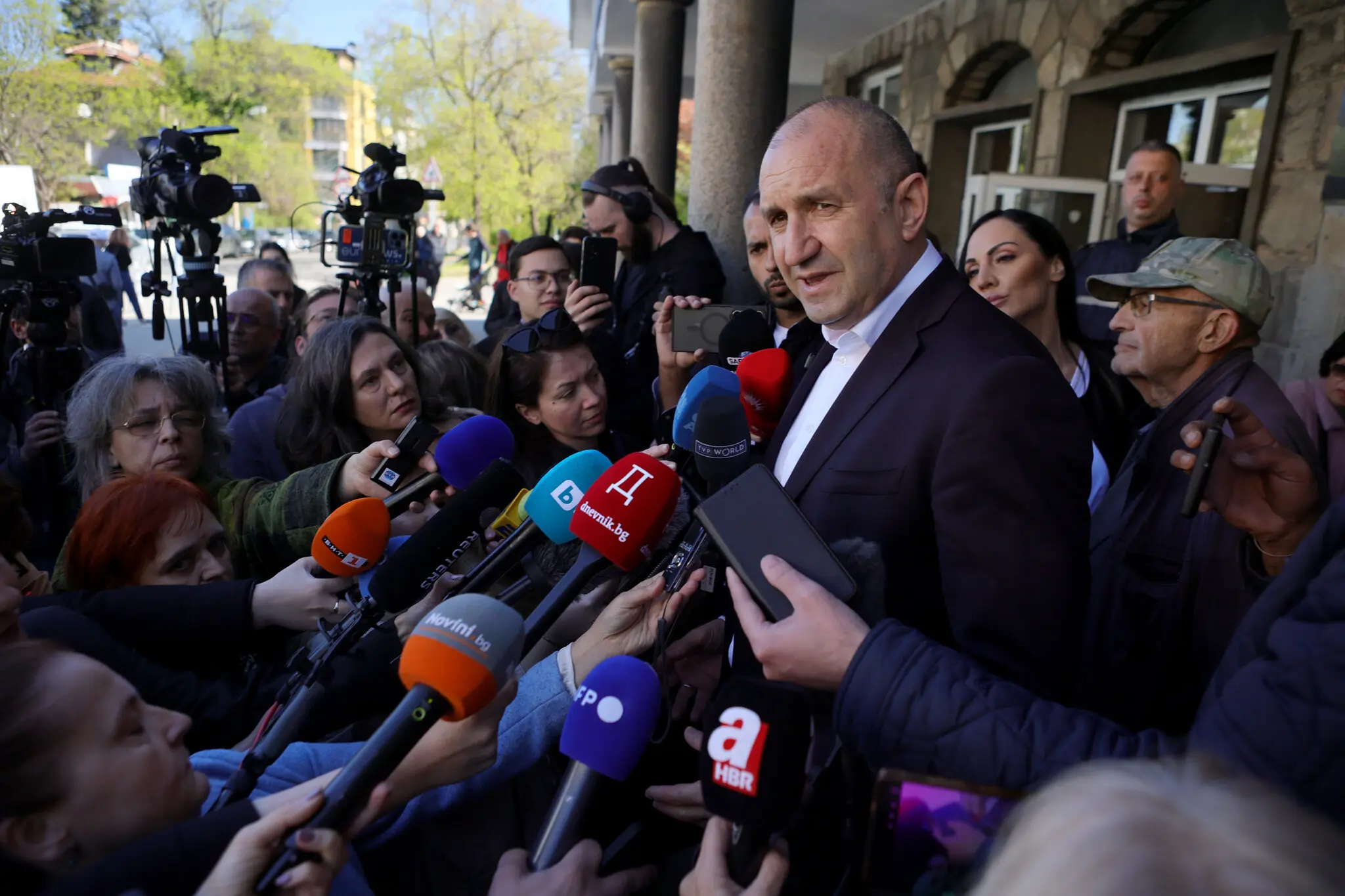
By Deykom’s preliminary assessment, that is the central meaning of the latest attack. It was aimed not only at physical targets, but at widening the zone of psychological vulnerability itself. Russia is signaling that for Ukrainian civilian space there is to be no safe hour, no predictable schedule of danger, no meaningful distinction between the time of work and the time of alarm.
The scale of the assault reinforces that logic. Roughly 700 drones over a 24-hour period is no longer simply an intense attack. It is a form of systemic overload. Even when interception rates remain high, the volume of targets functions as a weapon in its own right — against air defense crews, against the energy grid, against regional authorities, against medics, and against civilians forced once again to live between alerts and impact reports.
It is especially telling that much of the drone movement was directed toward western Ukraine. That carries at least two messages. First, Russia is increasingly determined to erase the very idea of a deep rear in Ukraine. Second, it is pressing against regions long perceived as relatively safer and critically important for logistics, evacuation routes, industrial relocation and energy resilience.
Strikes affecting Cherkasy, Poltava, Khmelnytskyi, Lviv, Ivano-Frankivsk, Ternopil and Zakarpattia are producing a new map of pressure. The burden is no longer concentrated only on frontline territories. Its logic is the opposite: to blur the boundary between front and rear, between the obviously dangerous and the supposedly more predictable.
Particularly alarming is the hit on critical infrastructure in Zakarpattia near the borders with Slovakia and Hungary. This is not just a local episode. It is a signal that Russia is prepared to push against the furthest western contour of Ukrainian resilience, bringing the war closer to border districts linked to foreign supply, energy support and the wider logistics architecture that connects Ukraine to Europe.
It also matters that the attack struck energy and industrial facilities. This follows a familiar Russian logic: not merely to kill and destroy, but to convert every strike into a chain economic event. When thousands lose power and industrial sites are damaged, the war enters the home once more through utility bills, halted production, disrupted work, interrupted heat and the breakdown of everyday continuity.
The deaths in the Cherkasy region during an air alert add another cruel dimension. A daytime strike is especially insidious because it catches people not after a night of sheltering, but out in motion, in open space, at the very moment when ordinary life is still trying to appear ordinary. That is how terror achieves its deeper effect. It strikes at the habit of living.
At the same time, a high interception rate does not erase the strategic meaning of the attack. On the contrary, it shows just how much strain Russia is prepared to impose on Ukraine’s air defenses. In campaigns like this, an attacker does not measure success only in direct hits. It also counts expended interceptors, rerouted flight paths, time windows, crew fatigue and the probability that at least some targets will still break through.
In that sense, the daytime strike should not be read as an exception, but as a test of the future. Russia is probing whether a round-the-clock model of aerial pressure can become the new norm. If it can, Ukrainian society will face not simply another wave of drone attacks, but a new phase of attritional war in which danger no longer has temporal boundaries and each day is divided not into work and rest, but into intervals between sirens.
For Ukraine, that means the need for still deeper adaptation. The issue is not only the quantity of air defense systems, though those remain vital. It is also the dispersal of infrastructure, the resilience of the power grid, a new architecture of civil protection, the readiness of regions for repeated strikes and the state’s capacity to sustain not just the front line, but the country’s daily psychological endurance.
For the West, the message should be read without illusion. Russia is not narrowing the war. It is making it cheaper for itself and broader for Ukraine through drones that allow for mass, regular and geographically expansive attacks far from the front. That means support for Ukraine must be measured not only in tanks or declarations, but in the speed of delivering air defense systems, radar, munitions and solutions for protecting energy infrastructure.
This latest assault matters because it reveals intent, not just an episode. Moscow wants Ukrainians to stop experiencing daylight as a time of relative safety. It wants the entire country to become a space of permanent anticipation. That is why the answer to such attacks cannot be only military. It must also be political: to prove that even continuous terror cannot break a state that has learned, under the harshest conditions, how to live, defend itself and endure against the logic of exhaustion.