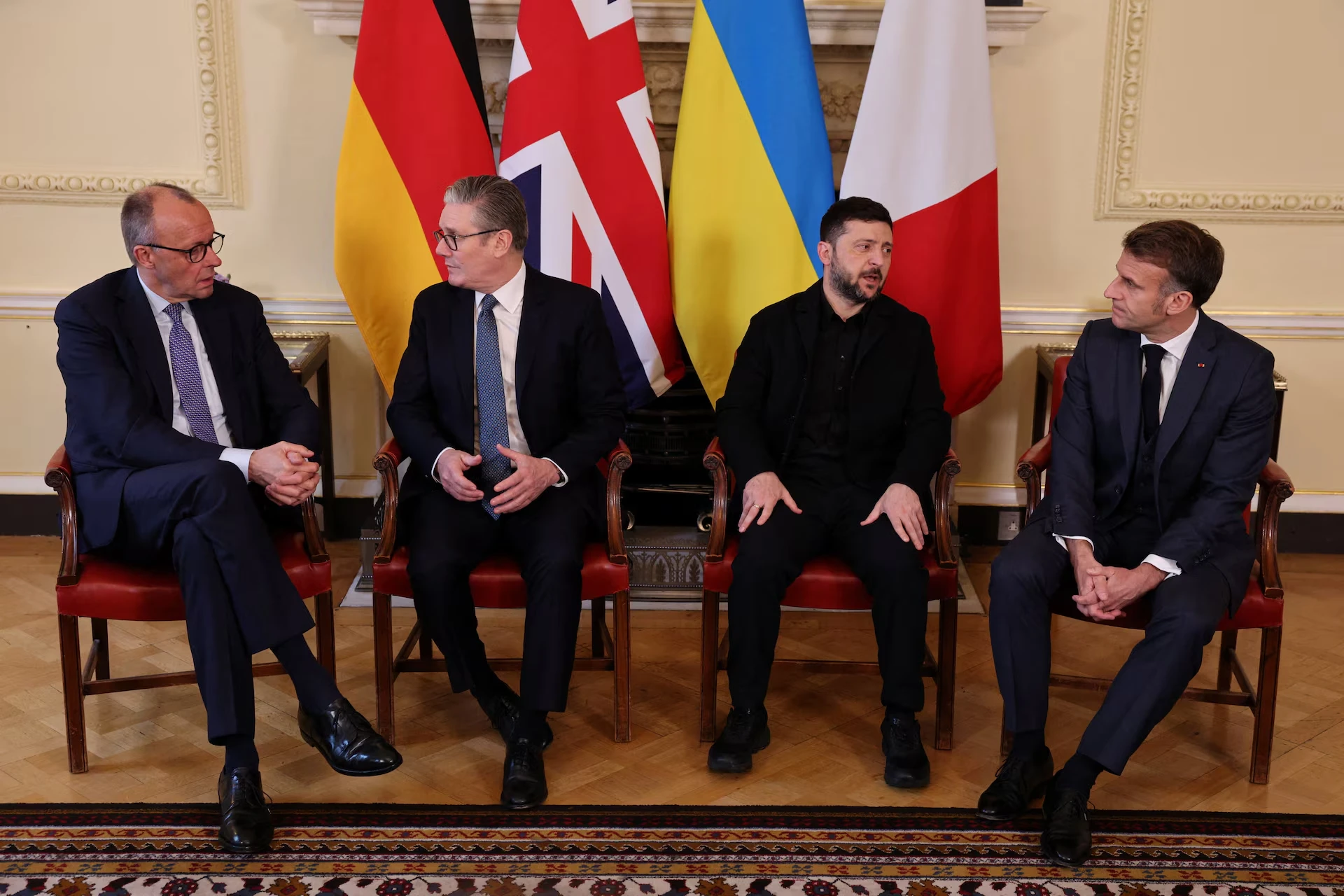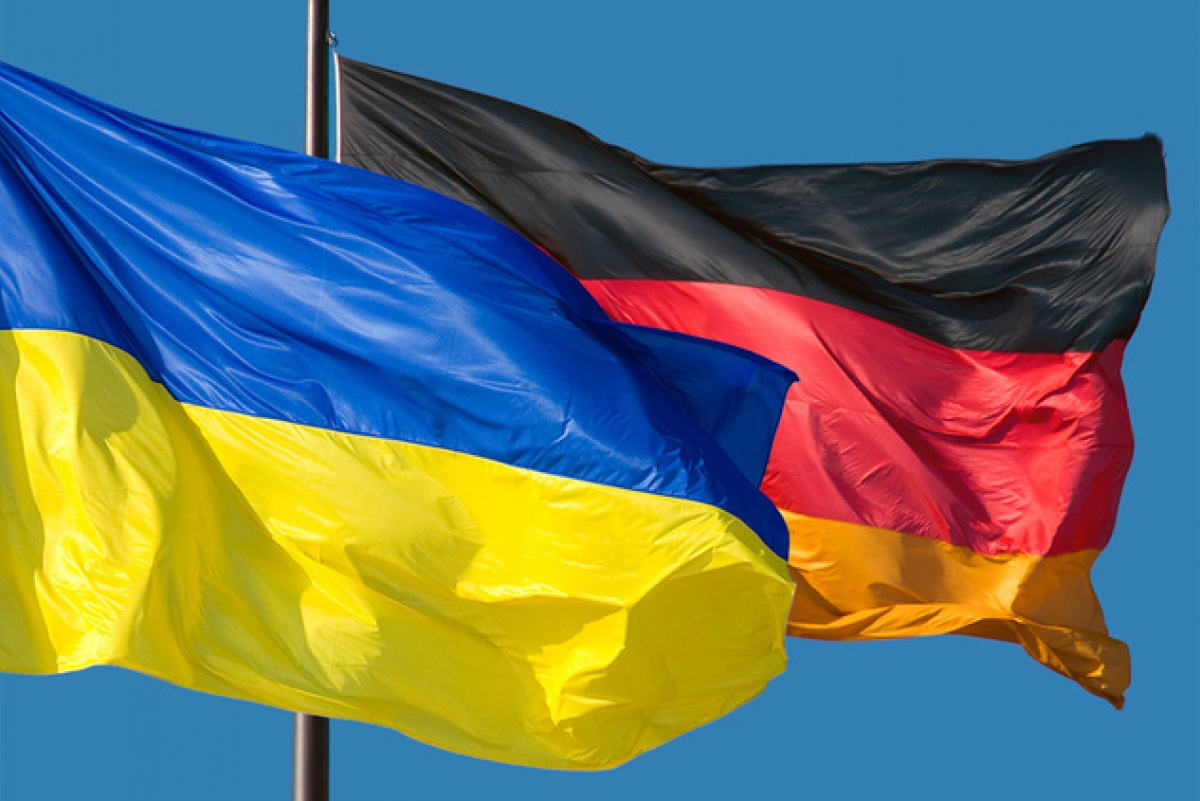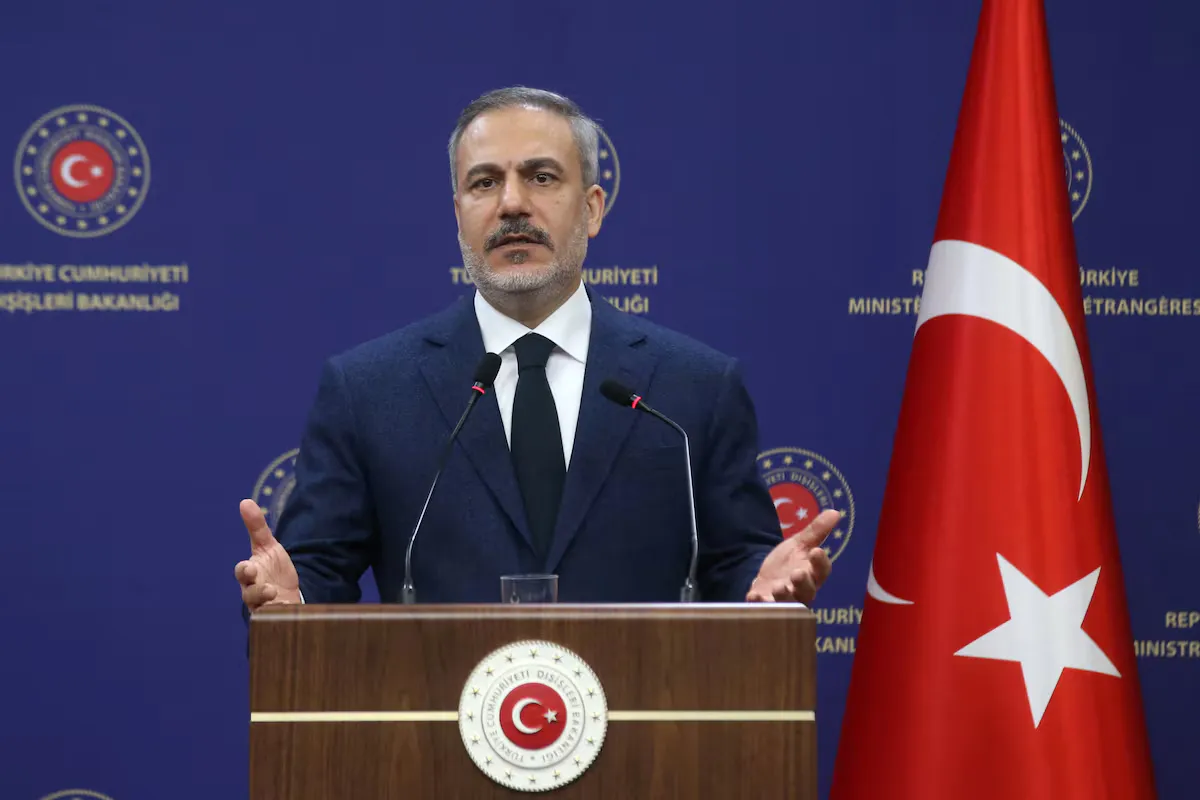
















Volodymyr Zelensky’s meeting in London with Keir Starmer, Friedrich Merz and Emmanuel Macron was an attempt to seize political initiative around possible future talks between Ukraine and Russia. European leaders made one point clear: any dialogue must not become a bilateral trap for Kyiv.
The formula discussed in London begins with a full and immediate ceasefire. But that is exactly where the central question starts: who will guarantee that a pause in the fighting does not give the Kremlin time to regroup, rearm and prepare the next strike.
Zelensky brought the issue into direct political territory by proposing a personal meeting with Vladimir Putin. The move was more than a diplomatic gesture. It placed Moscow before a simple test: if the Kremlin truly speaks of peace, it should accept direct dialogue; if it refuses, it narrows the space for negotiations by itself.
According to Daycom’s earlier analysis, this public test has become an important part of Ukraine’s tactics. Kyiv is showing that it does not reject diplomacy, but it will not accept peace as another form of capitulation. Negotiations must begin from the reality of the front line, not from Moscow’s ultimatums.
Europe’s position in London rested on several pillars. The current line of contact should be the starting point for talks. Ukraine should receive legally binding security guarantees. If necessary, those guarantees could be supported by a multinational force.
That means Europe is no longer limiting itself to the role of sponsor of Ukrainian resilience. It is claiming a place as an architect of the postwar order. For London, Berlin and Paris, the war in Ukraine has long ceased to be only a Ukrainian tragedy. It has become a test of Europe’s ability to defend its own security.
Frozen Russian assets occupy a separate place in this formula. Keeping them immobilised until compensation is paid shifts Moscow’s responsibility from the moral sphere into the material one. Russia must not only stop its aggression. It must pay for the destruction it has caused.
This is the difference between an abstract call for peace and the structure of a just peace. The first can benefit an aggressor that wants to freeze its gains. The second requires deterrence mechanisms, guarantees and a clear cost for breaking the rules.
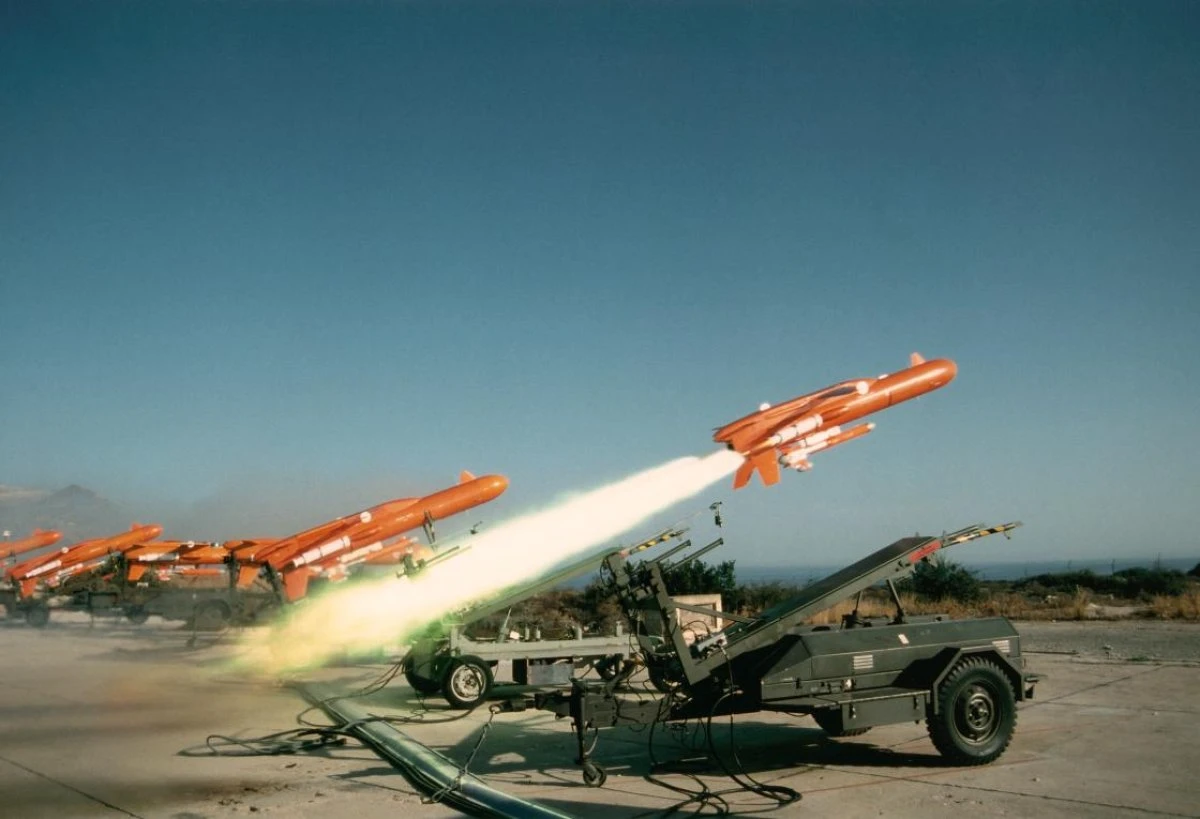
Zelensky separately stressed Ukraine’s need for more missiles for air defence systems. This is not a technical detail, but a central condition for any diplomacy. After large-scale Russian air attacks on Kyiv and other cities, Ukraine’s negotiating position depends directly on its ability to protect the sky.
Russia is terrorising cities with ballistic threats, trying to pressure not only the army but society itself. In response, Ukraine is developing mid-range and deep-strike capabilities that limit Moscow’s ability to expand its aggression. The war is increasingly becoming a contest of systems, production capacity and technological endurance.
That is why the request for air defence missiles cannot be separated from the discussion about a ceasefire. A country left exposed to ballistic attacks cannot negotiate on equal terms. The protection of Ukraine’s sky is becoming an instrument of diplomatic balance.
In his appeal to Putin, Zelensky also addressed Russian society. High inflation, fuel shortages and strikes on military and industrial infrastructure are creating a domestic cost for the Kremlin’s war. This does not mean an automatic rupture inside the regime, but it weakens the image of a war without consequences for Russia itself.
Putin, by contrast, continues to hold a hard line and shows no readiness for a personal meeting. His position is framed around the need for a long-term agreement, but behind that formula Moscow seeks to preserve room for its own conditions. The Kremlin wants talks in which compromise would mean concessions by Kyiv.
This is where Europe’s participation becomes essential. Active involvement by the United States and European states is not needed by Ukraine as decoration, but as a balance of power. Kyiv wants to ensure that its position does not dissolve between allied fatigue, Russian pressure and global crises.
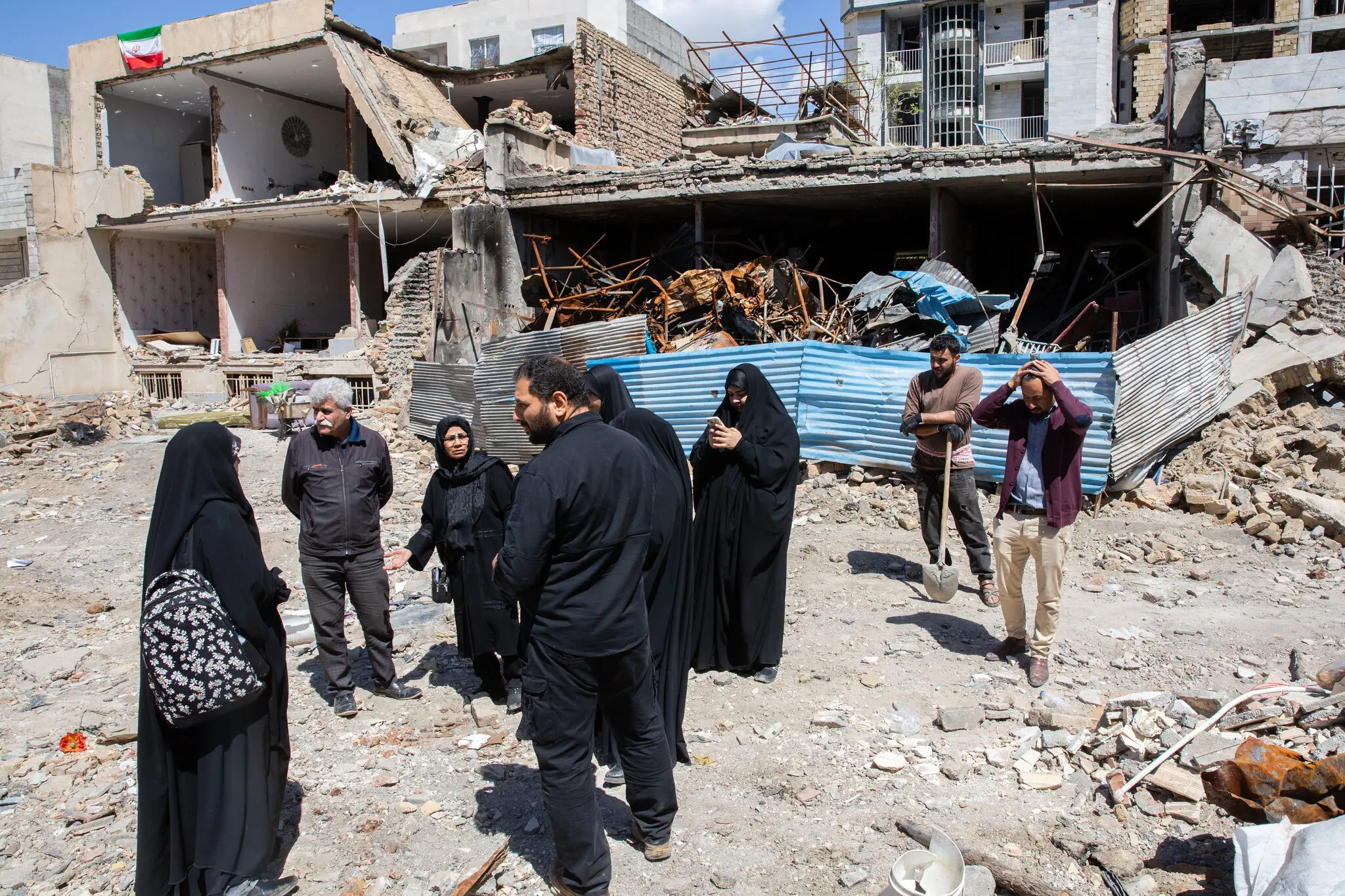
Washington’s focus on Iran has only strengthened that concern. Ukraine cannot allow the war in Europe to fall from the centre of global politics every time another crisis grows louder. That is why Zelensky is insisting on a strong European voice in any negotiation process.
Starmer’s line that Ukraine’s security is Europe’s security now sounds less like a diplomatic phrase than a formula of responsibility. If Ukraine receives a weak peace, Europe will inherit an unstable eastern flank. If Russia does not pay for aggression, force will again become a tool for redrawing borders.
London did not open a quick path to the end of the war. But it marked the limits of an acceptable peace: a ceasefire, talks from the real front line, security guarantees, international participation, compensation and the protection of European interests. For Ukraine, this is a chance not to be left alone in the most dangerous phase of diplomacy.
The main conclusion from the meeting is plain and severe. Europe is ready to support talks between Ukraine and Russia, but it is not ready to accept peace as Kyiv’s frozen defeat. If diplomacy begins, it must rest not on fatigue with war, but on strength, responsibility and guarantees that will outlast the first silence of the guns.