

















Volodymyr Zelensky’s meeting in London with Emmanuel Macron, Keir Starmer and Friedrich Merz was more than another show of solidarity. It marked a moment when Europe tried to bring together three strands of policy: military aid for Ukraine, pressure on Russia and its own place in any future peace process.
For Kyiv, the format mattered as much as the message. France, Britain and Germany remain the core of Europe’s political and military support for Ukraine. Their coordination shapes how quickly decisions on air defence, missiles, drones, sanctions and financing move from declarations into practical action.
The central purpose of the meeting was to keep diplomacy tied to the battlefield. Ukraine is entering a stage of the war in which peace formulas have meaning only if they are backed by the ability to withstand Russian strikes, protect energy infrastructure and preserve military resilience.
According to Daycom’s earlier analysis, Europe’s strategy is looking less like a search for a quick diplomatic breakthrough and more like a long-term effort to strengthen Ukraine before any ceasefire. The aim is to prevent a pause in fighting from becoming preparation time for another Russian offensive.
That logic was clear in London. First, a ceasefire. Then, negotiations from the current line of contact, without legitimising borders changed by force. Separately, Ukraine needs durable security guarantees and continued pressure on Russia’s war economy until aggression ends and losses are addressed.
This is a meaningful shift in tone. European capitals are no longer defining only what they want for Ukraine. They are also defining what they cannot accept for themselves. Ukrainian security is no longer treated as a distant crisis on the continent’s eastern edge. It is becoming part of Europe’s own security architecture.
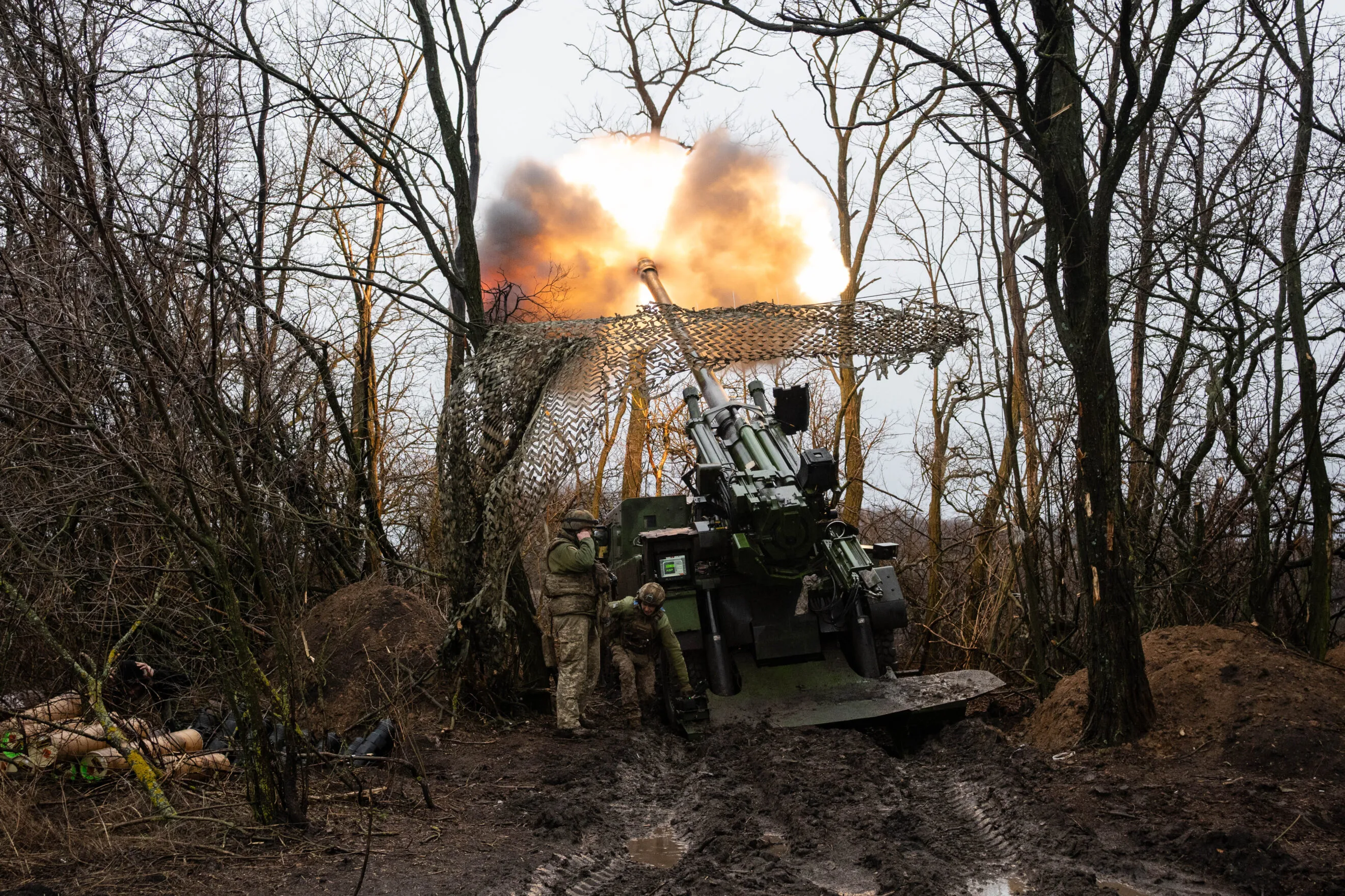
That is why air defence sat at the centre of the London discussion. After repeated Russian attacks, Ukraine needs more than additional missiles for existing systems. It needs scaled-up interceptor production, joint technological solutions and stronger long-range capabilities to reduce Russia’s ability to strike with impunity.
This is no longer the language of emergency assistance alone. It is the language of defence industry. Kyiv wants Ukrainian battlefield experience to become part of a European production cycle. For London, Paris and Berlin, this is also a question of their own readiness in a more dangerous security environment.
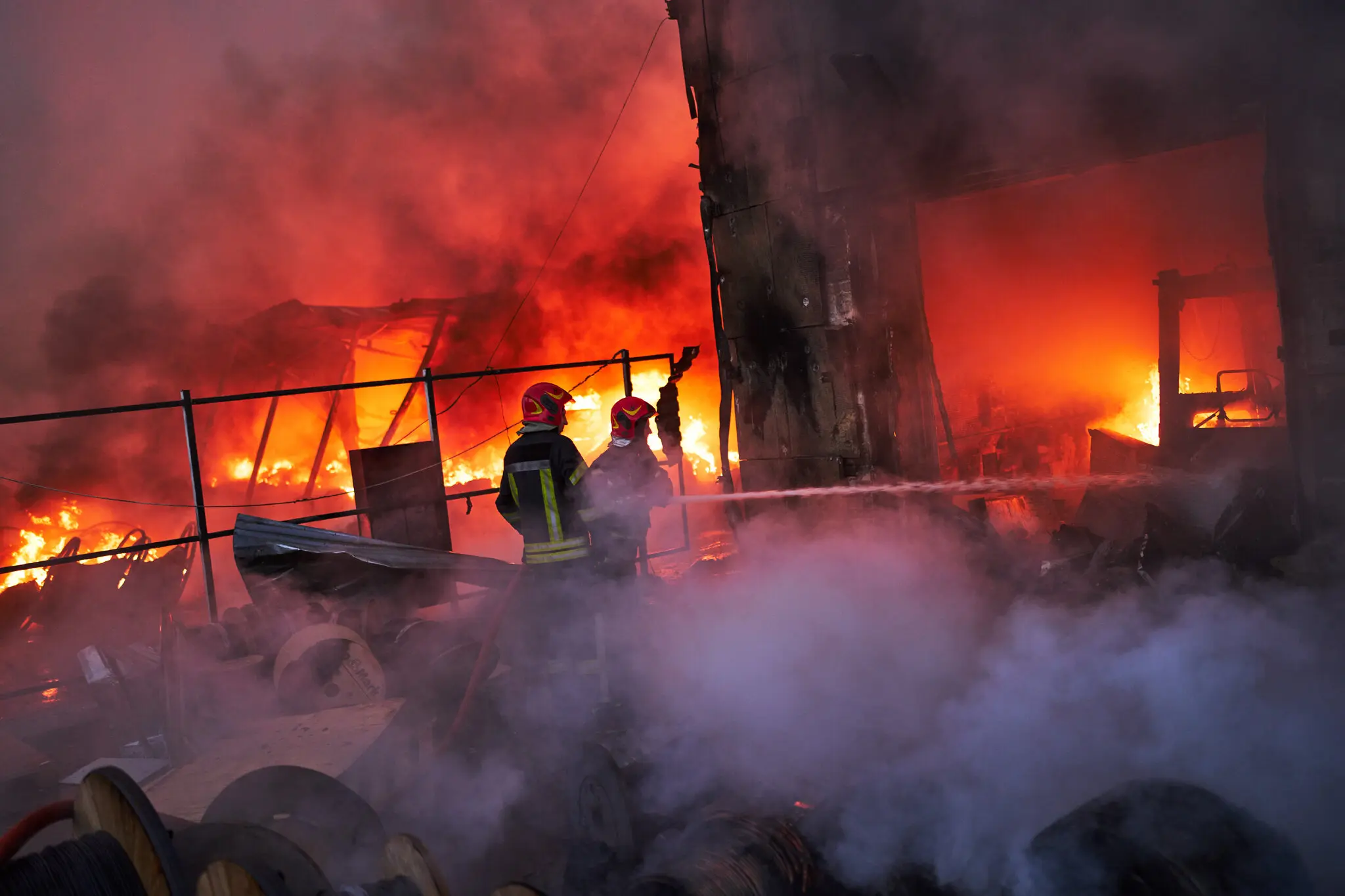
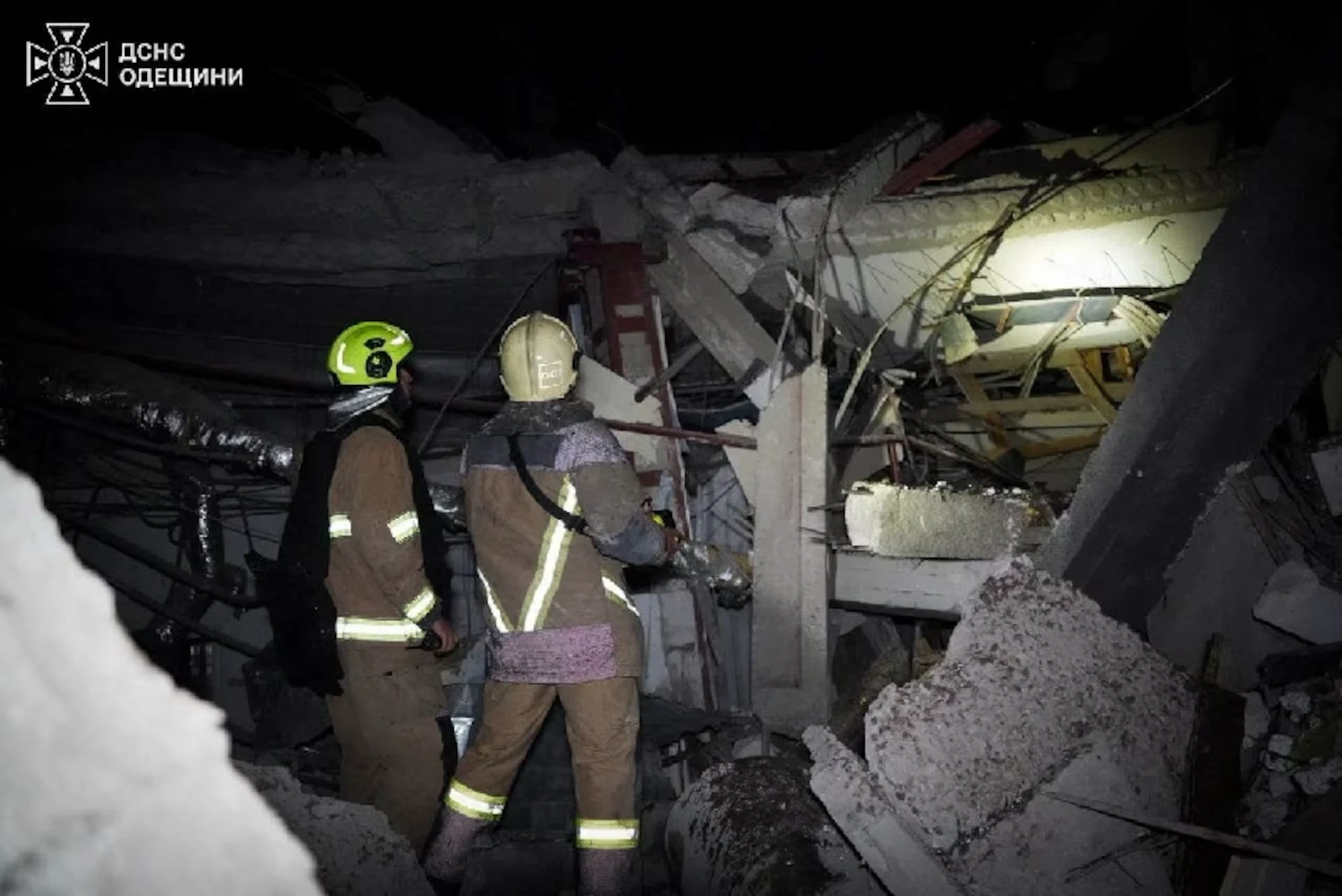
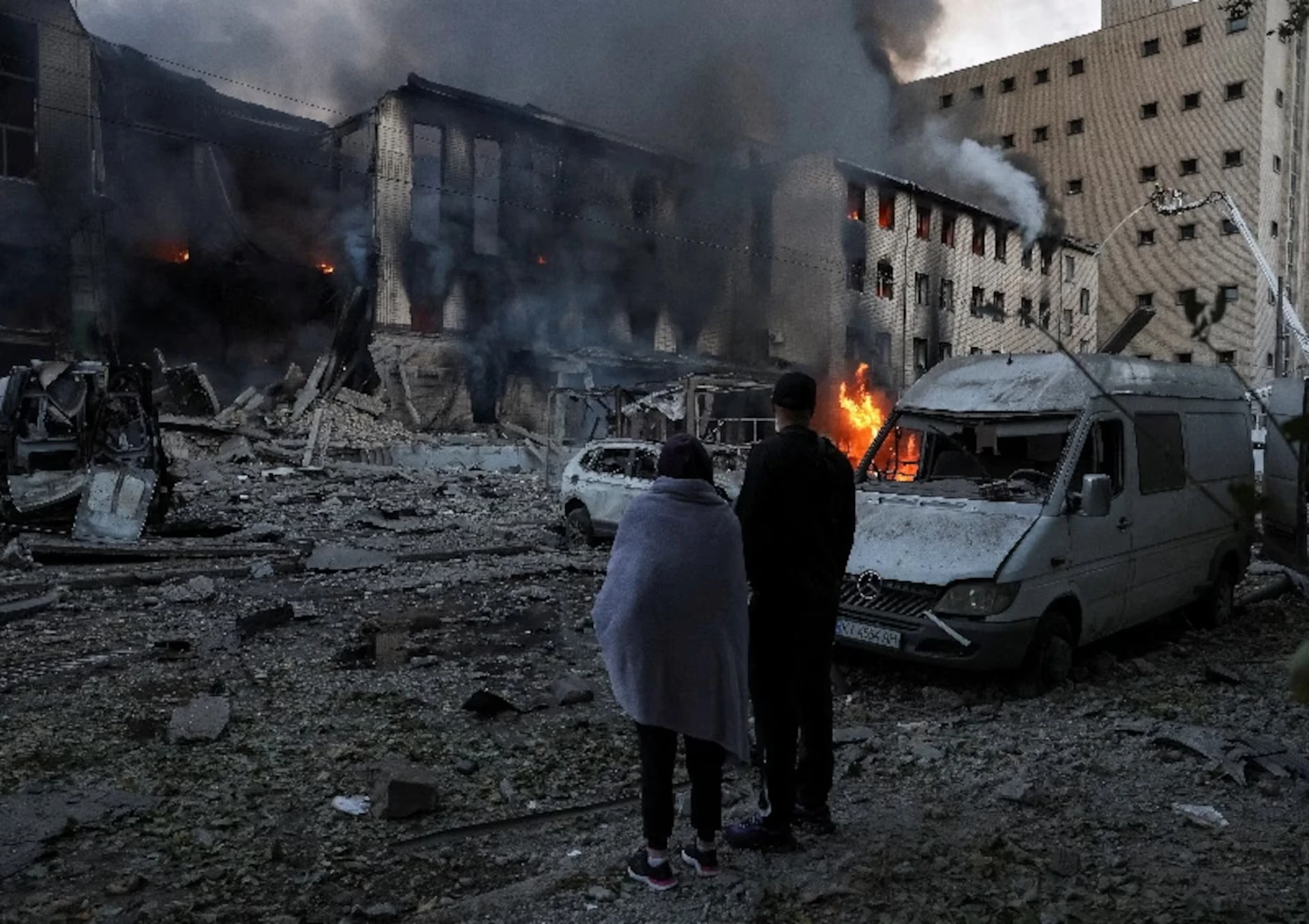
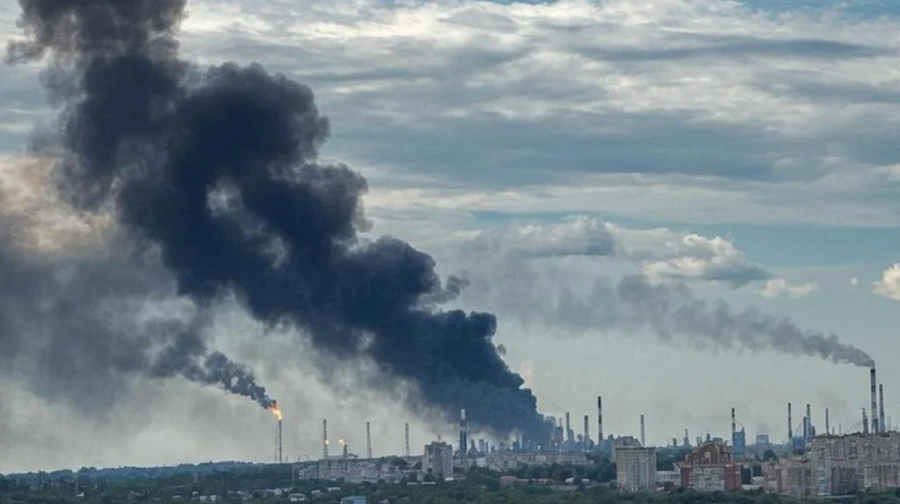
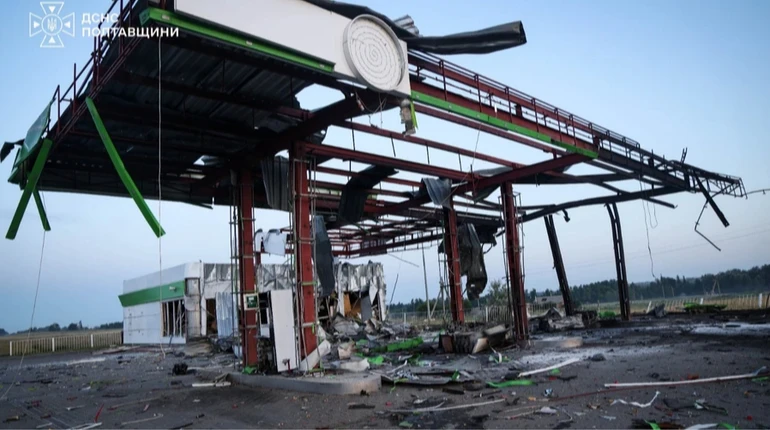
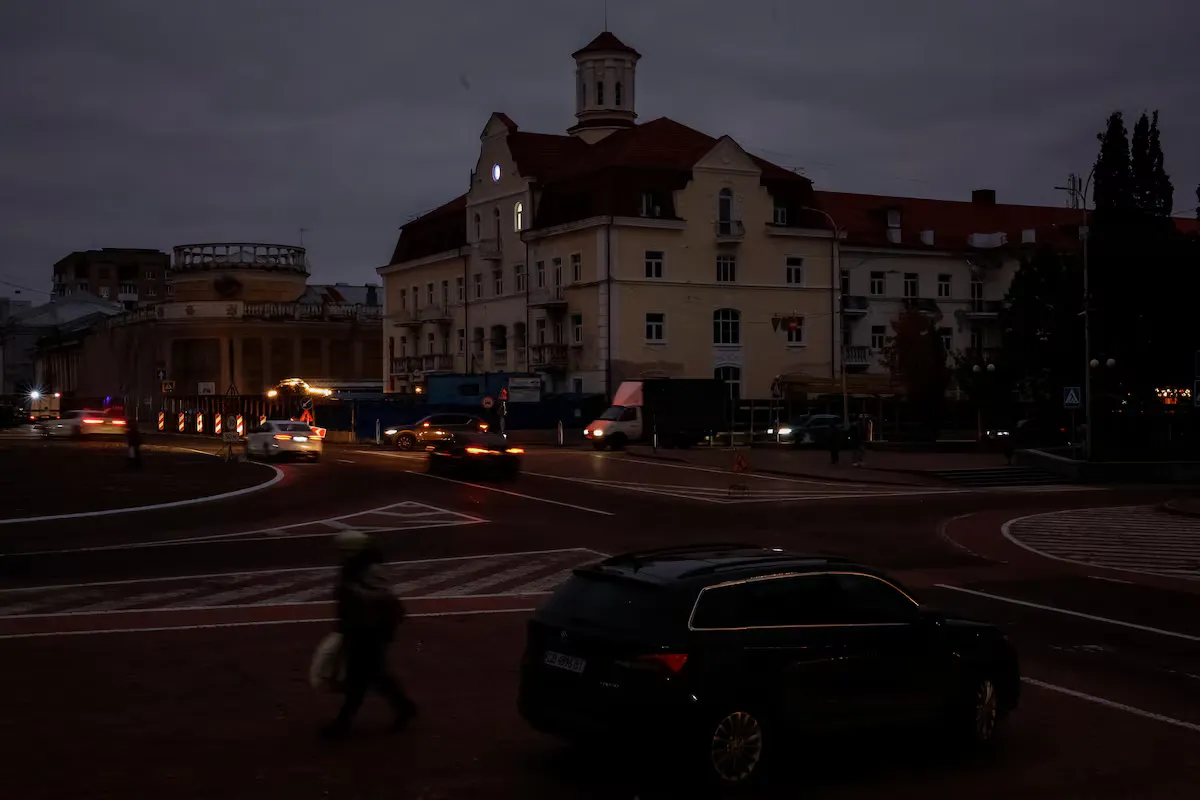
Energy formed another essential line of discussion. Russian attacks on cities and critical infrastructure create double pressure on Ukraine: military and social. Preparing for winter, protecting the power grid and financing repairs now belong to the same survival formula as artillery, missiles and combat drones.
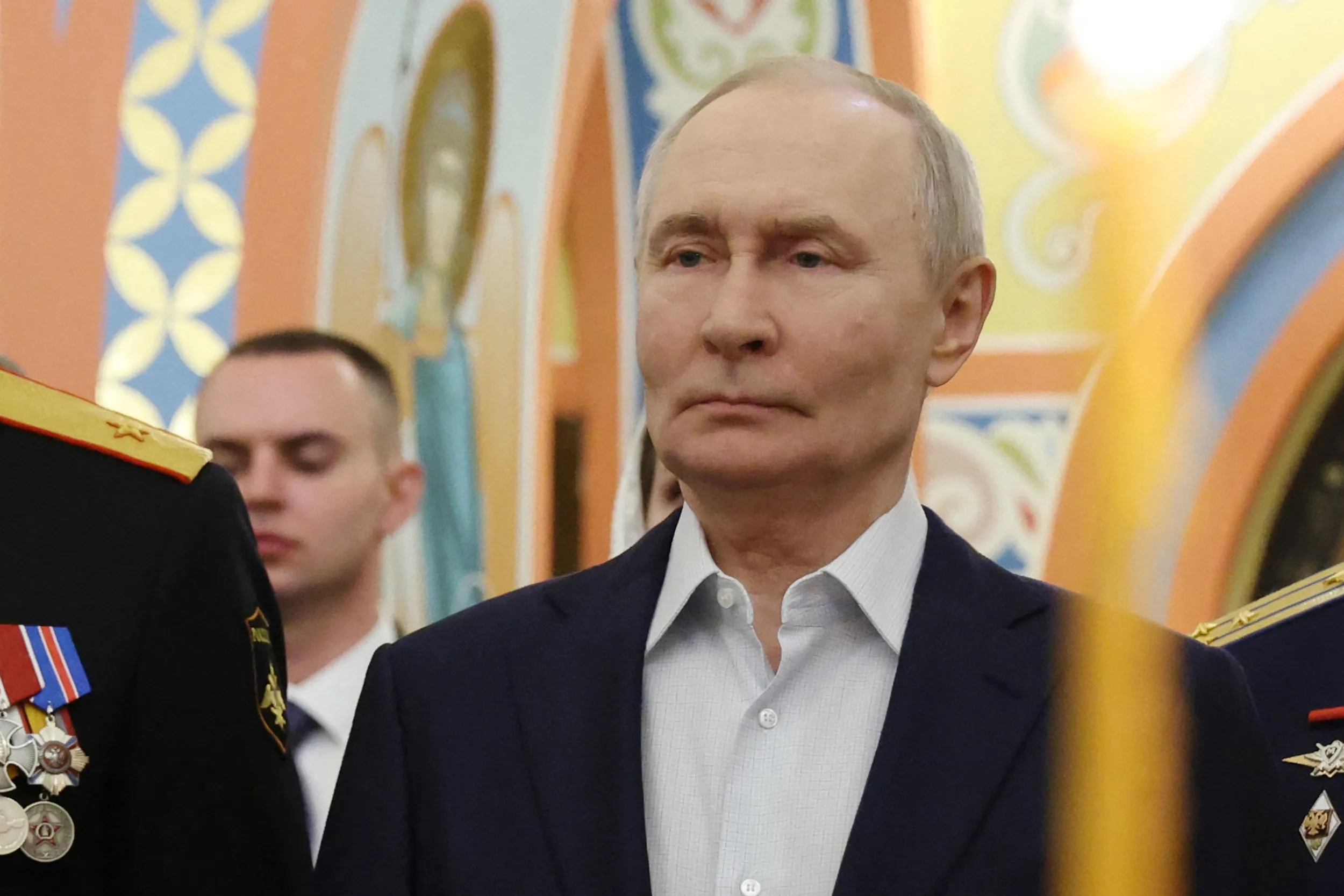
Against that background, Zelensky’s open letter to Vladimir Putin carried a purpose wider than the offer of a personal meeting. Kyiv effectively placed the Kremlin before a public test: if Moscow speaks of peace, it should accept direct dialogue; if it refuses, it confirms that war remains its deliberate choice.
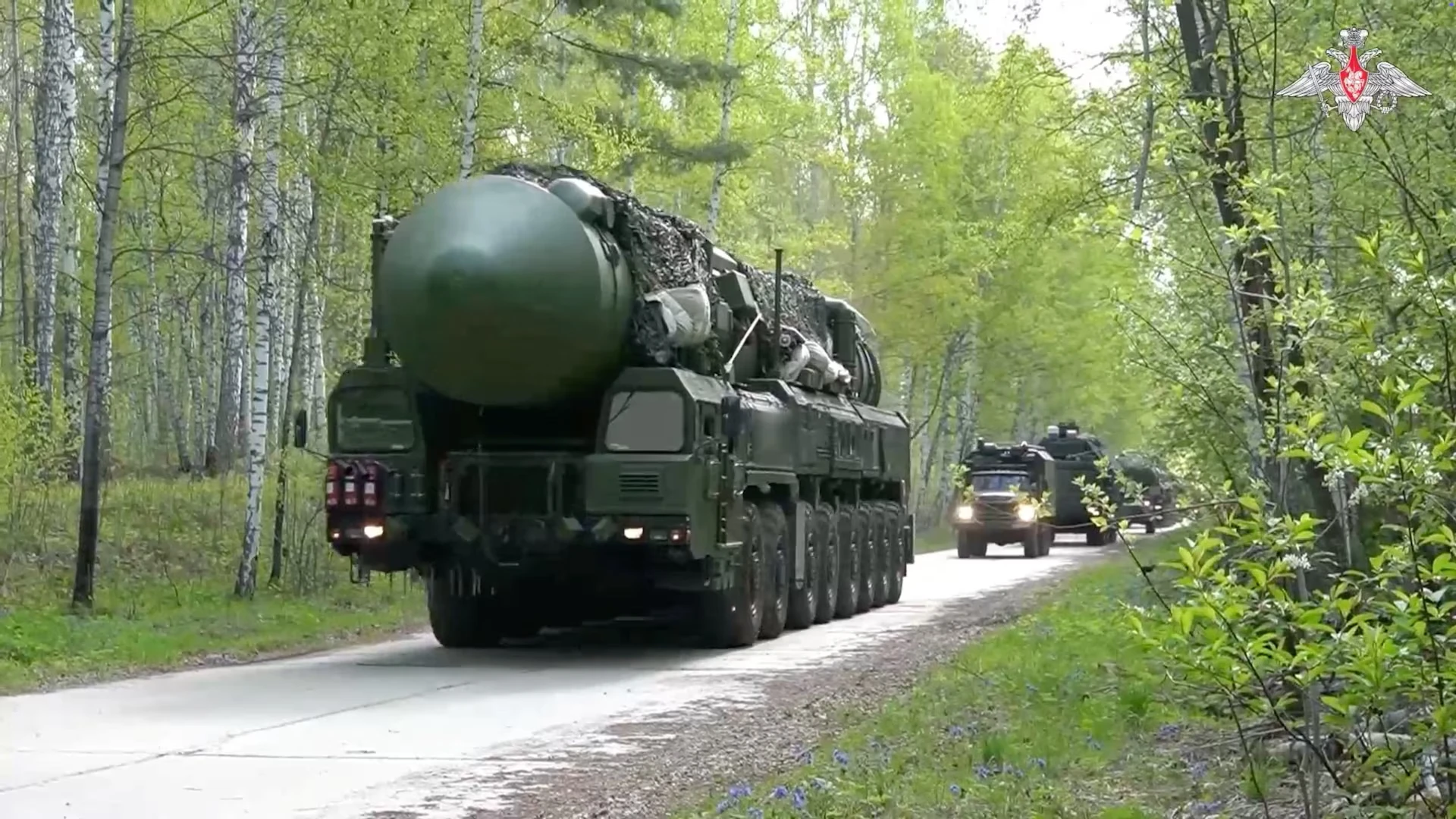
The Kremlin’s response only sharpens that divide. Moscow has shown no real willingness to abandon maximalist aims, which leaves the space for diplomacy narrow. This is why Macron’s call for direct talks between Ukraine and Russia was paired with a broader European role in shaping both a ceasefire and a future peace plan.
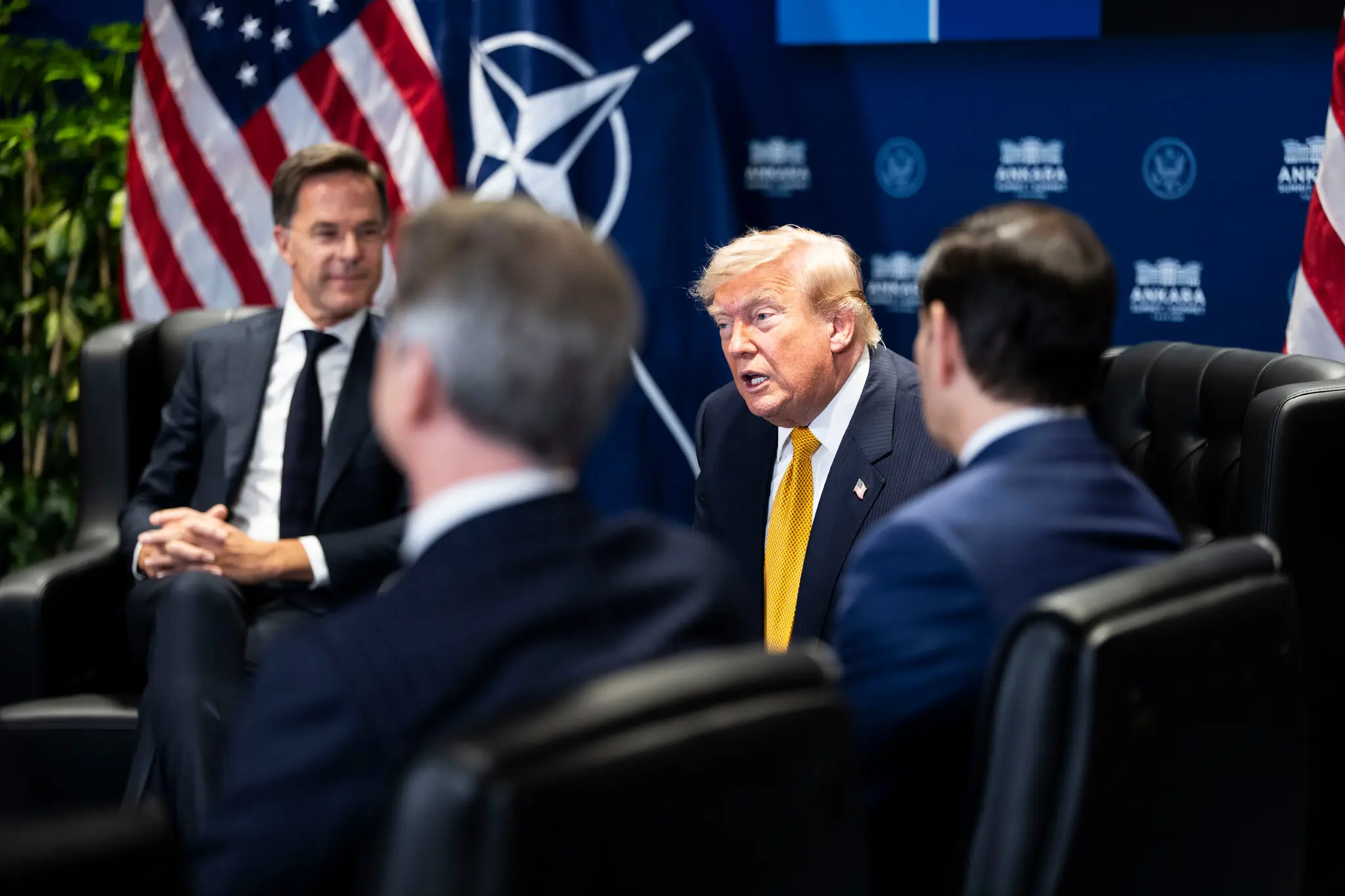
The London meeting also took place amid Kyiv’s concern that Washington’s attention may be pulled toward Iran and the Middle East. For Zelensky, that does not mean turning away from the United States. It means Europe must act with greater agency, rather than wait for American focus to return.
In this sense, London was not an endpoint but a junction before the next decisions. The question is no longer how often European leaders can repeat their support for Ukraine. The question is whether they can turn it into a system: weapons deliveries, joint production, sanctions pressure, energy protection and security guarantees.
For Russia, this means European pressure may become longer, more structured and less dependent on short political cycles. For Ukraine, it means support is increasingly tied not to abstract solidarity but to the concrete needs of the front: air defence, missiles, drones, financing, production, energy resilience and diplomatic protection.
London did not bring peace. But it sketched the framework in which peace might stop being a fragile declaration. Ukraine is trying to force the Kremlin to choose between direct negotiations and deeper isolation. Europe is trying to prove that its support is not a reaction to the latest attack, but a long strategy to contain Russian aggression.