
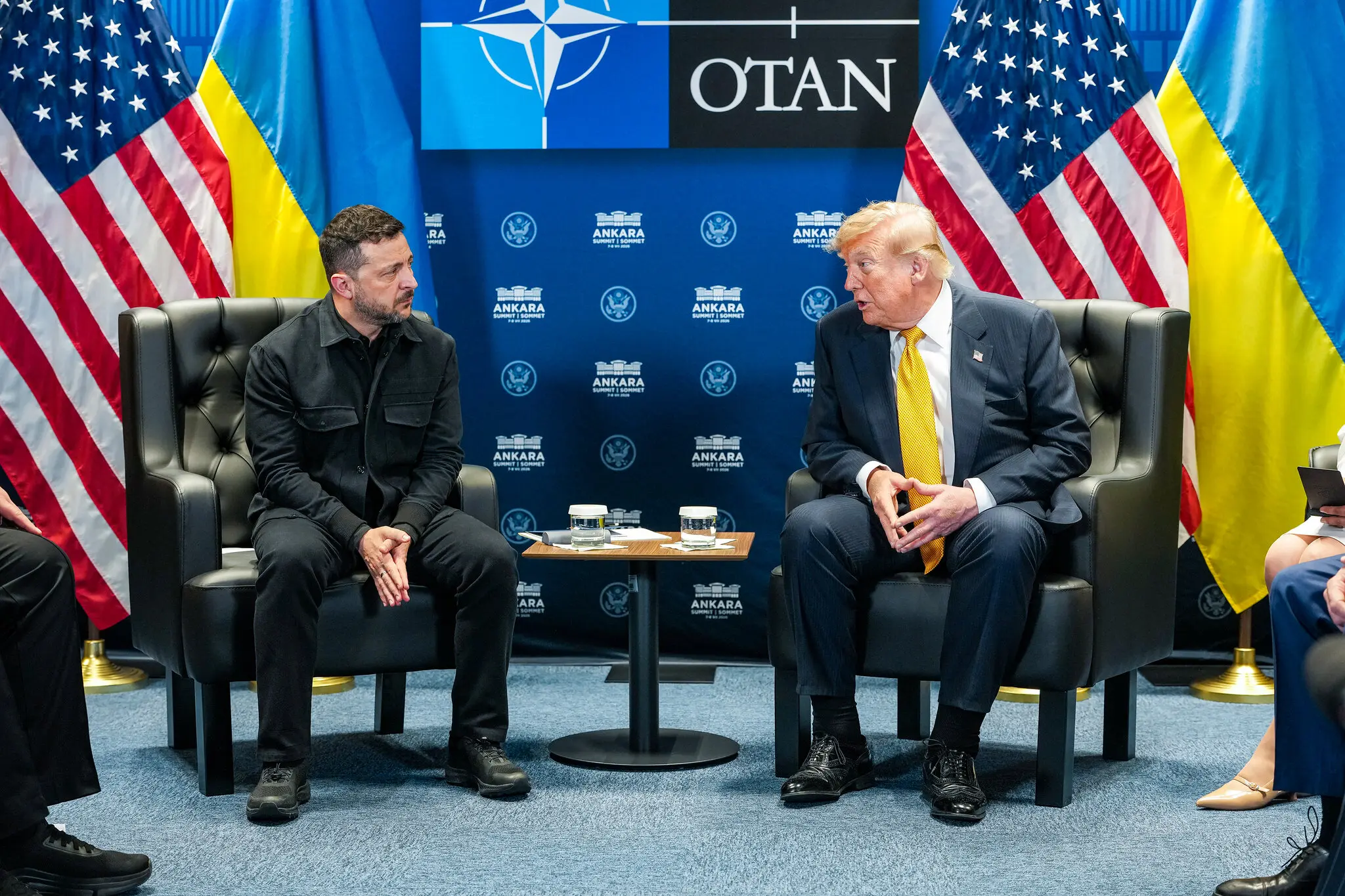






















As NATO leaders gather for their summit in Turkey, tensions between Russia and the alliance’s European members are rising sharply. The Kremlin is directing harsher attacks at countries that support Ukraine while speaking about Donald Trump in a noticeably softer tone.
That contrast has become one of the clearest political signals of the moment. Moscow is making no secret of its irritation with a Europe that arms Kyiv, strengthens the eastern flank and prepares for a long confrontation. At the same time, the Kremlin is trying to preserve a channel with Washington if it sees a chance to weaken Western unity.
The deepest anxiety is felt by countries that remember Russian pressure not as an abstract threat, but as part of their own historical reality. Finland, Lithuania, Latvia and Estonia support Ukraine firmly because they see Russia’s war not as a local conflict, but as a model of future danger for themselves.
In Daycom’s assessment, the Kremlin’s latest wave of threats is aimed not only at Kyiv, but at Europe’s will to defend itself. Russia is trying to make support for Ukraine psychologically more costly: every aid package, every discussion of nuclear infrastructure and every step to strengthen borders is presented by Moscow as a reason for retaliation.
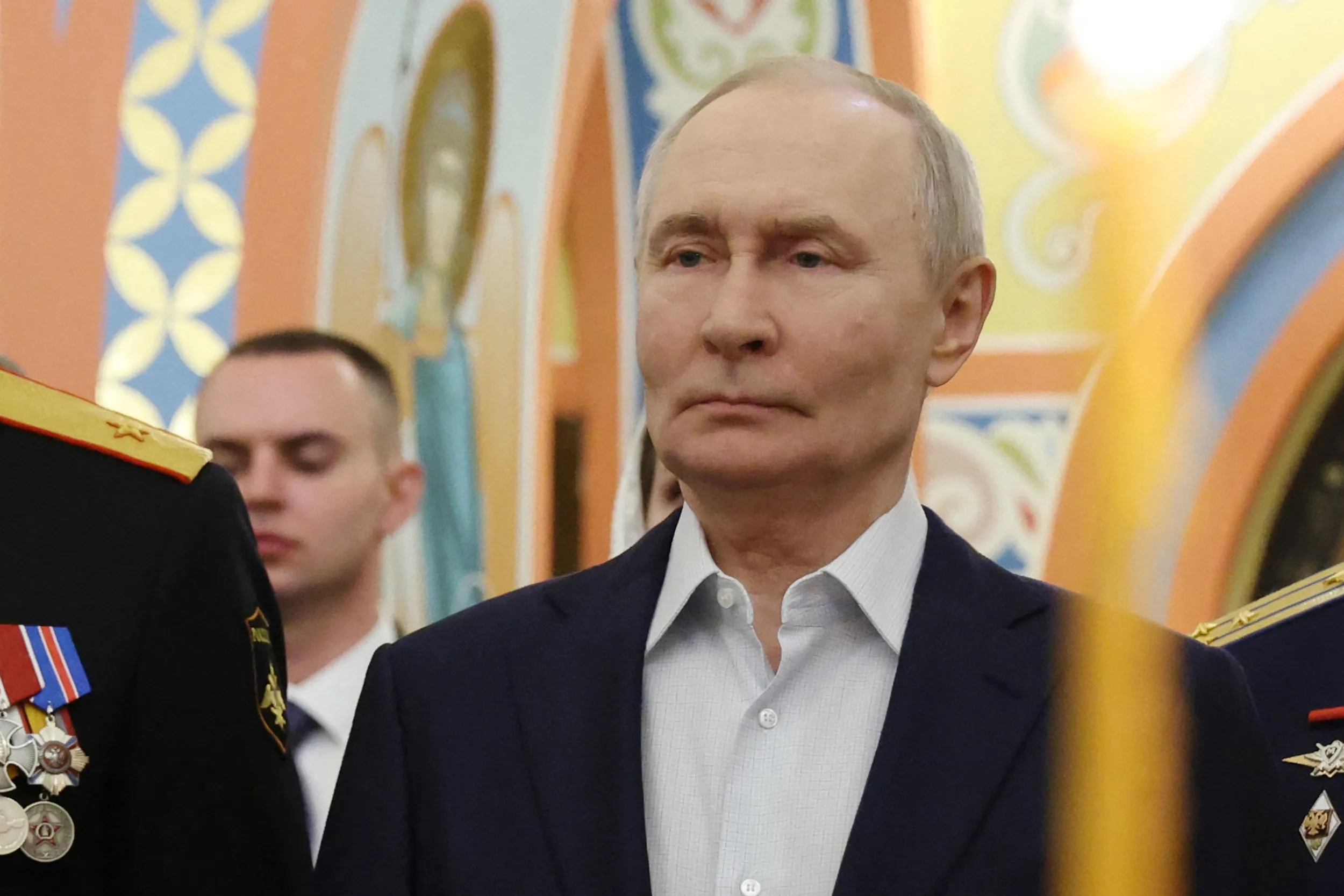
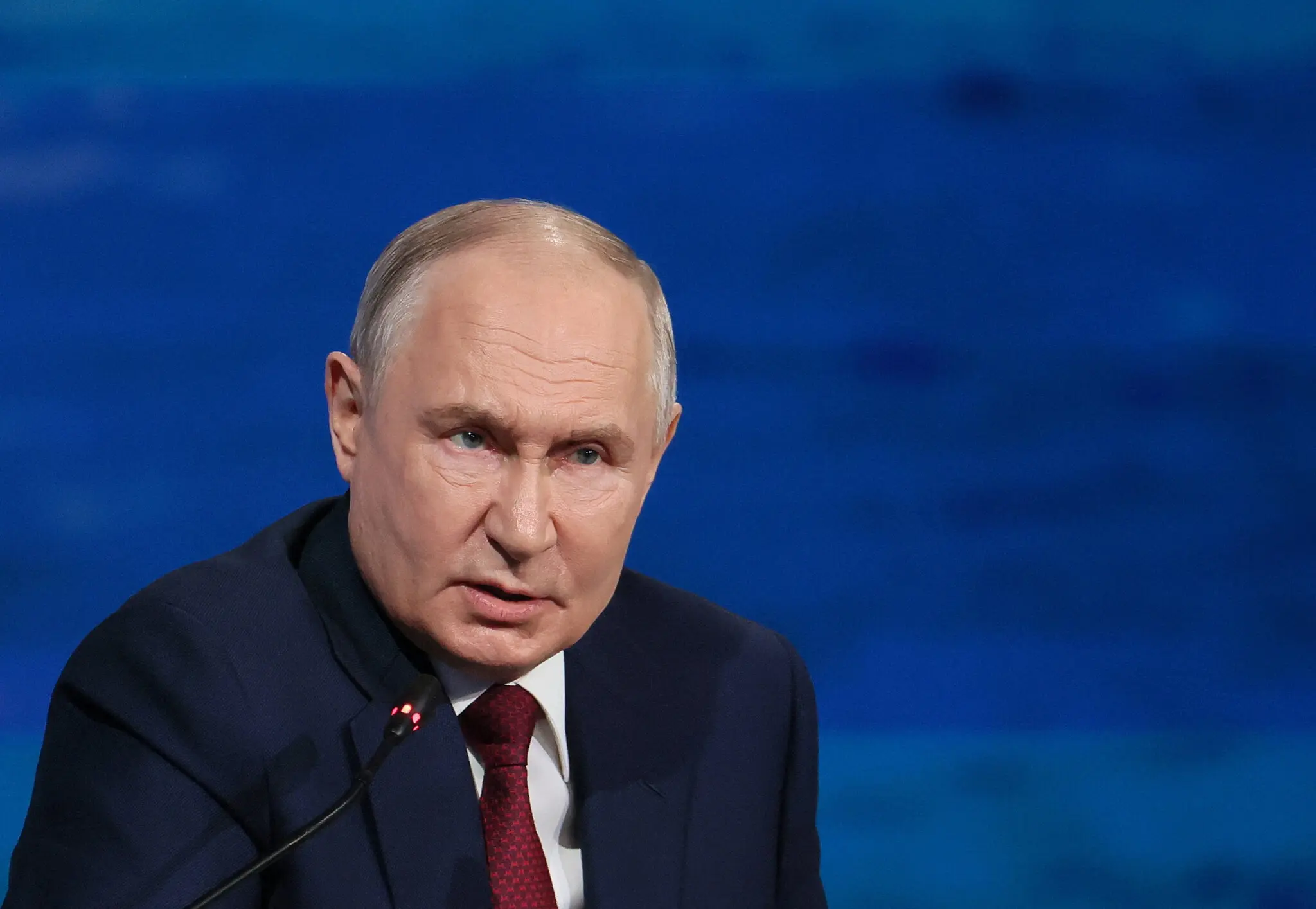
Vladimir Putin has already shifted into the language of semi-direct warnings. He accused European countries of seeking to prolong the war and said Russia must analyze each state’s involvement in actual combat operations. What matters in that formula is not only the accusation, but the hint at future “responsible decisions.”
Such words are not random rhetoric. The Kremlin is gradually expanding the meaning of war, trying to frame assistance to Ukraine as participation in the conflict. That allows Moscow to keep Europe under pressure while preparing the ground for future provocations, cyberattacks, information campaigns or military demonstrations.
Britain occupies a special place in this line. Russia’s foreign intelligence service accused London of involvement in a Ukrainian strike on a museum in occupied Sevastopol that houses a panorama of a Crimean War battle. Even the chosen target in the Russian narrative was symbolic: historical memory, Crimea, Britain and war were folded into a single propaganda story.
For Moscow, such accusations serve a double purpose. They are meant to show the Russian public that the country is fighting not only Ukraine, but a broader West. At the same time, they send a warning to European capitals: support for Kyiv can be declared direct participation in the war whenever the Kremlin finds it useful.
The most dangerous zone of this tension lies in northeastern Europe. Finland, which shares a long border with Russia and joined NATO after the full-scale invasion of Ukraine, is already changing its defense doctrine. Its parliament has supported removing a Cold War-era ban that restricted the transit or stationing of allied nuclear weapons.
For Russia, that became a pretext for new threats. Moscow said the move created a danger to its national security and would require a political and military response. Its rhetoric about Finnish “Russophobia” only underlined how painfully the Kremlin has taken the changed status of a country it long viewed as a zone of restrained neutrality.
Finland has not become more aggressive by itself. The strategic reality around it has become more aggressive. After 2022, neutrality no longer looked like a guarantee of security. For Helsinki, joining NATO and revising old defense limits were not hostile gestures, but conclusions drawn from what Russia does to neighbors it considers weak or isolated.
Lithuania is moving in a similar logic. It borders Russia’s Kaliningrad region and, together with Poland, holds one of the most sensitive stretches of European security. For Vilnius, discussion of lifting its own nuclear ban is not symbolic radicalization, but an attempt to fit into NATO’s new defense architecture.
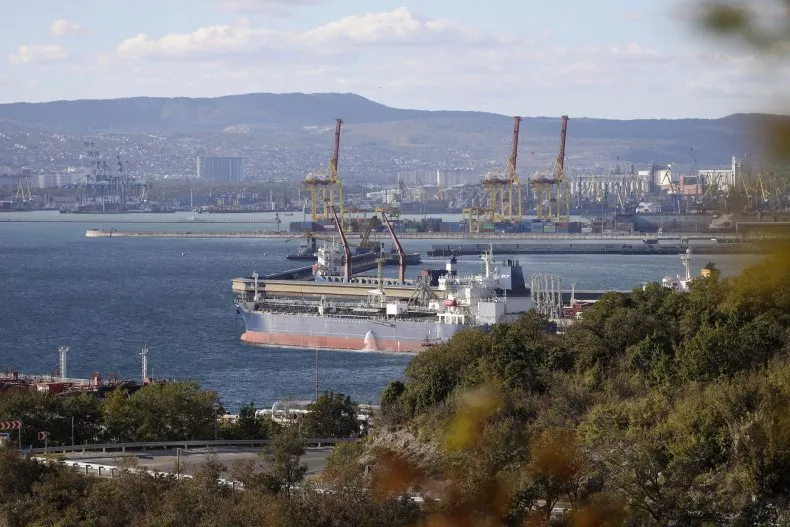
Another hard signal is the withdrawal of Finland and the Baltic states from the treaty banning antipersonnel land mines. The decision may look severe, but its logic is clear for states preparing not for a theoretical war, but for the possibility of slowing a Russian advance on their own territory. In that scenario, mines are again seen as a tool of delay and attrition.
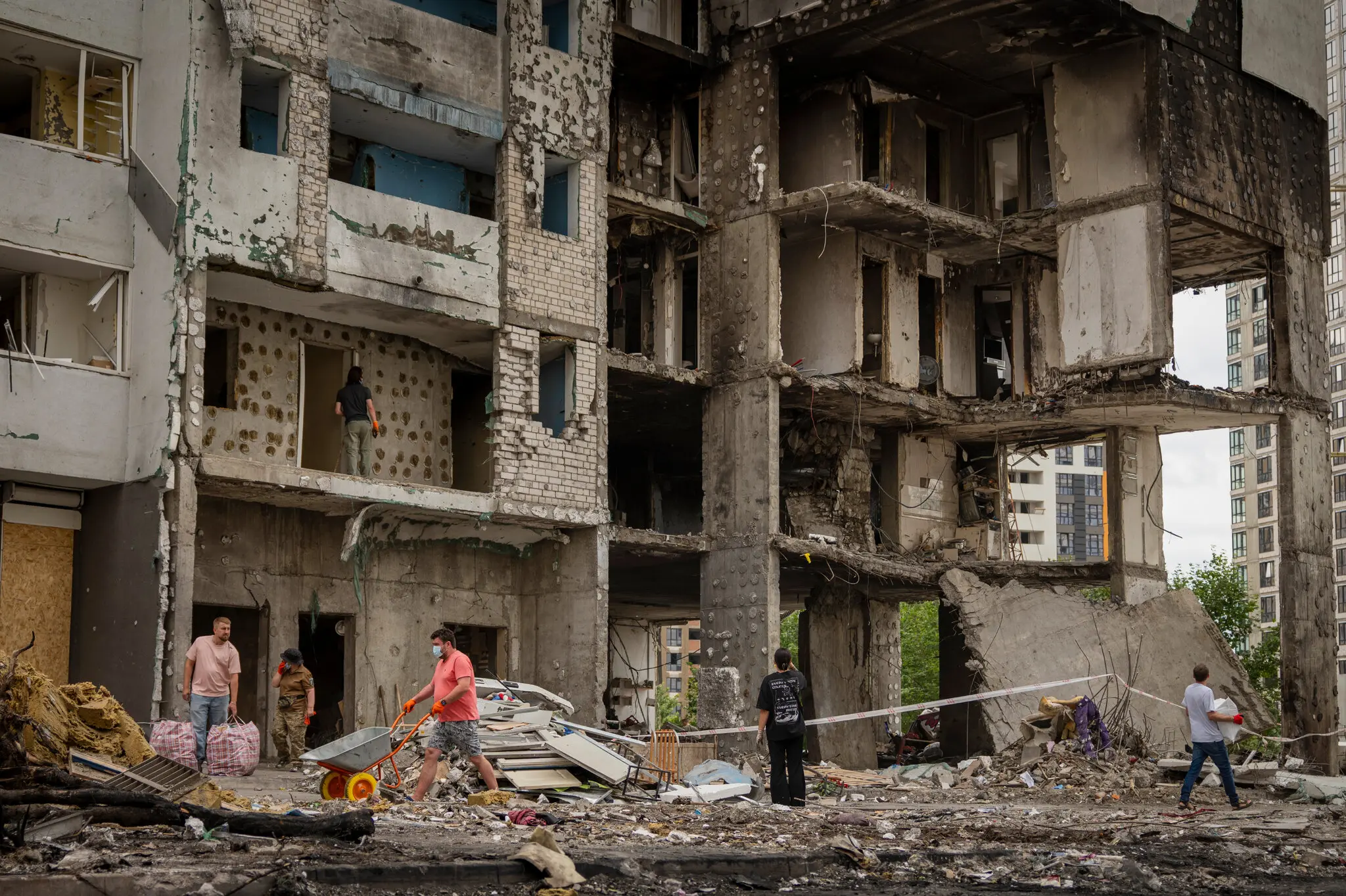
For Western European capitals, such decisions may seem like a return to the darker military language of the 20th century. For the eastern flank, they look more like a return to sobriety. Russia’s war against Ukraine has shown that large land offensives, artillery destruction of cities and mass use of infantry did not remain in the past.
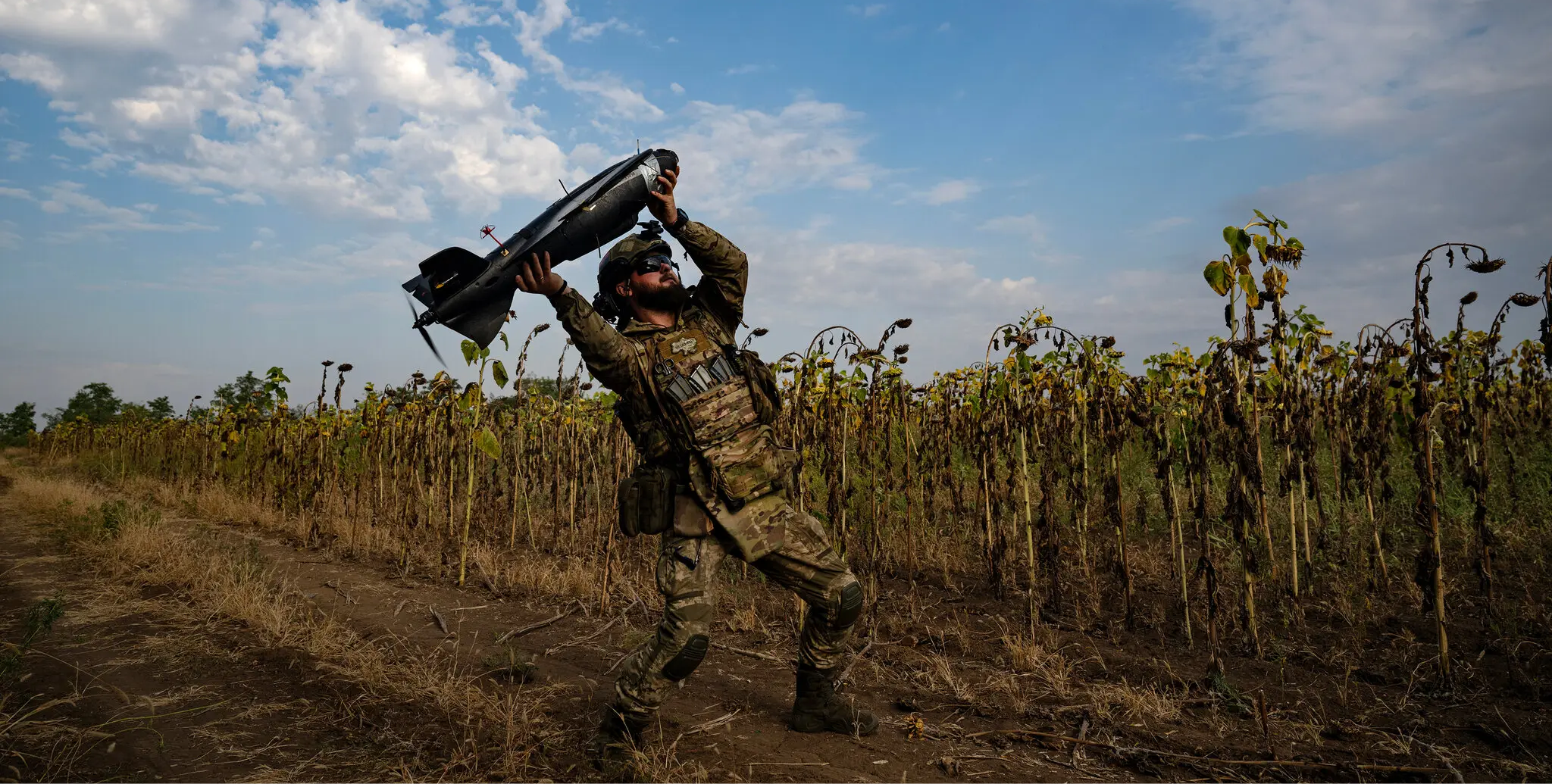
Latvia has also come under information pressure. Russian intelligence accused it of preparing sites for Ukrainian drone launchers and suggested that NATO membership would not protect the small country. Riga rejected the accusations and warned of Russian preparations for provocations in the Baltics and Poland.
Such episodes show how the Kremlin tests the alliance’s boundaries with more than tanks or missiles. A threat can be verbal, intelligence-based, informational, border-related or cyber. Its purpose is not necessarily to start a direct conflict with NATO, but to create doubt: will the allies really act together if the blow is ambiguous, hybrid or local?
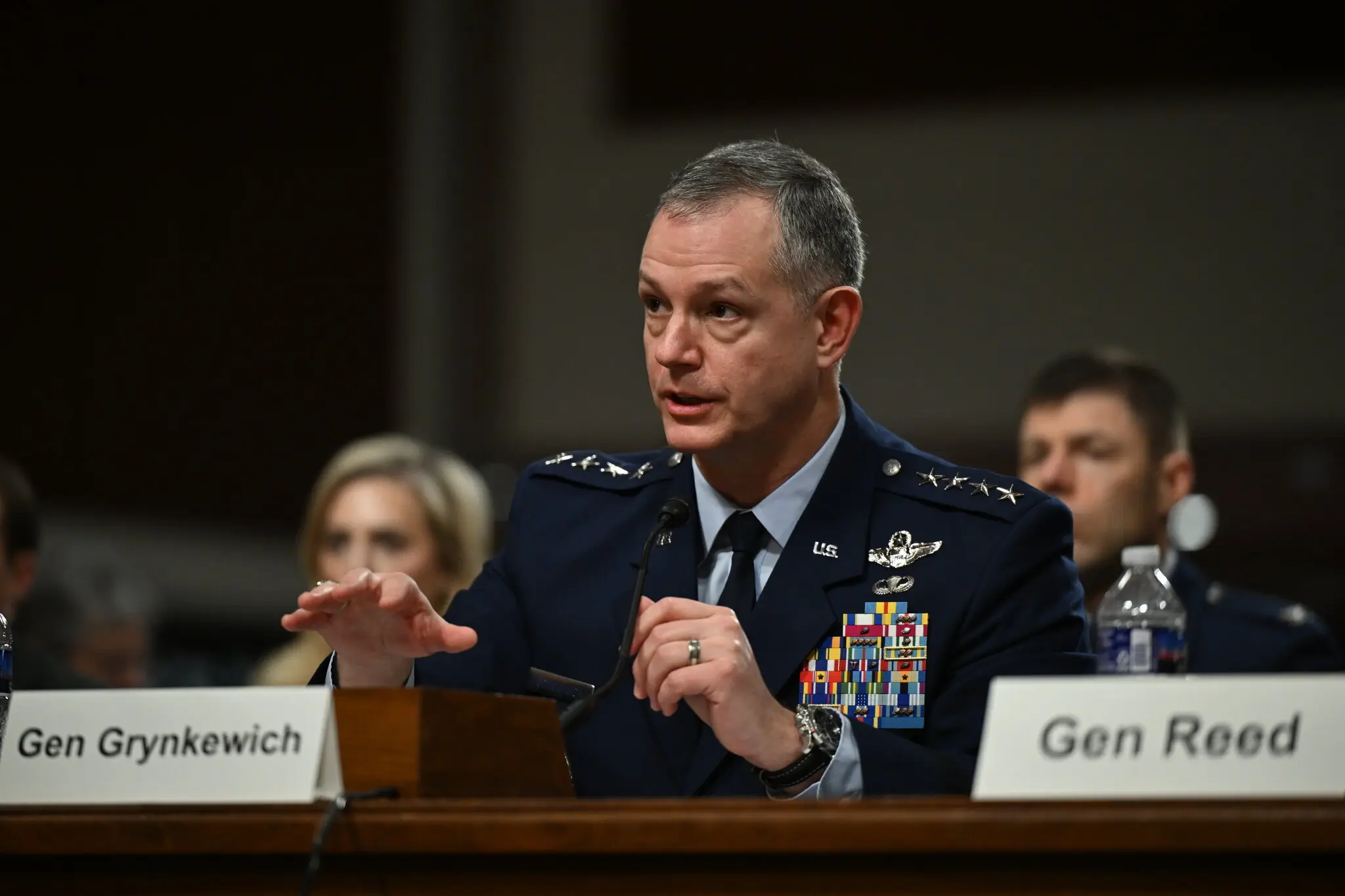
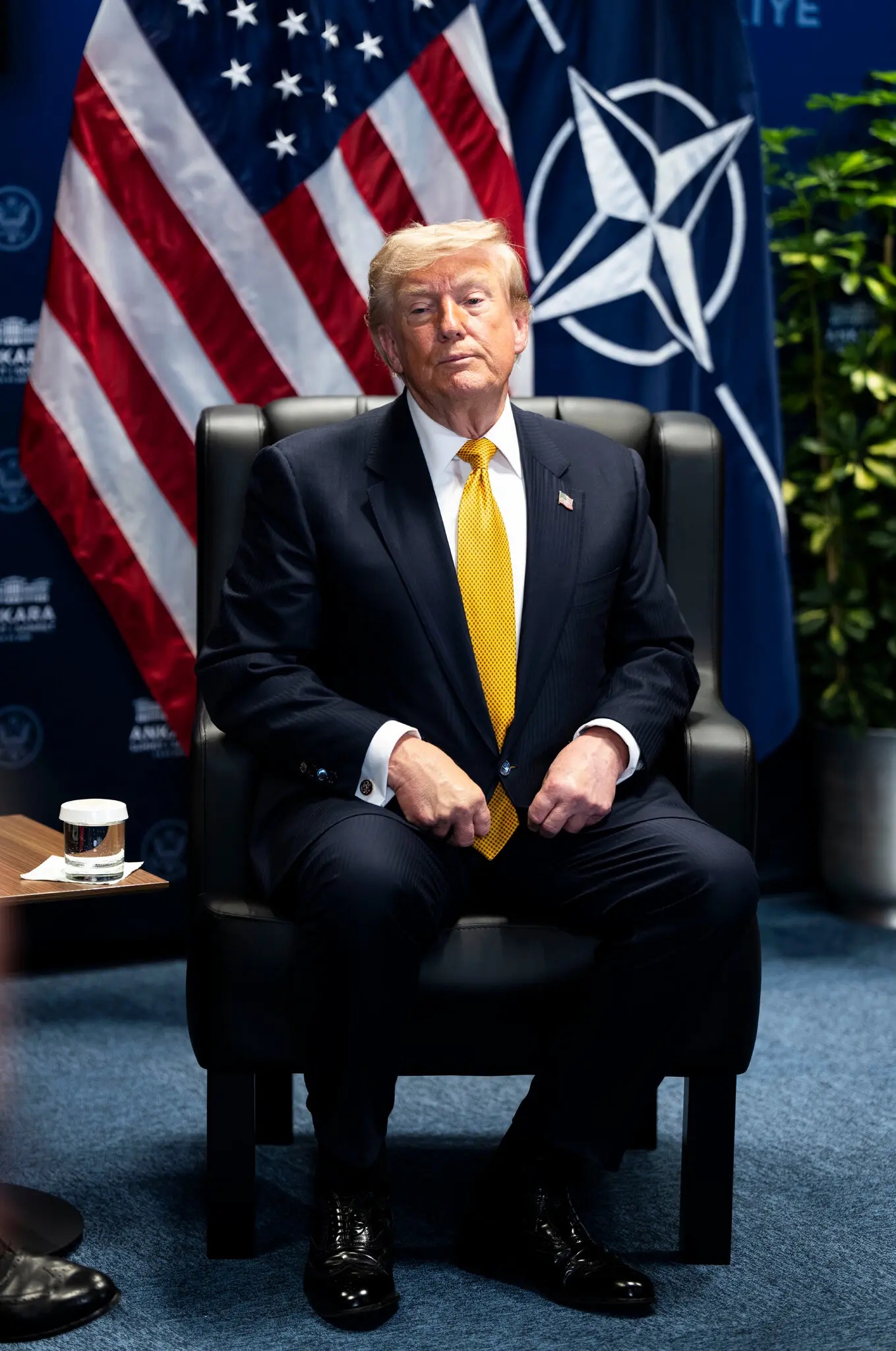
That is why anxiety in Finland and the Baltic states over possible U.S. uncertainty under Trump has concrete meaning. For these countries, NATO’s Article 5 is not an abstract formula. It is the main line between deterrence and catastrophe. If Moscow comes to believe Washington might hesitate, the risk of a Russian test rises sharply.
The Kremlin is working carefully on precisely that crack. It praises Trump, stresses its readiness to speak with him and simultaneously attacks Ukraine’s European allies. The intended message is suspicion: America may reach a separate understanding with Russia, while Europe is left alone with the consequences of its own firmness.
For NATO, this is not only a military test, but a political one. The alliance must prove that support for Ukraine is not a private initiative of several eastern states, but part of a shared security strategy. If the Kremlin succeeds in separating a supposedly “militant Europe” from a “pragmatic America,” it will gain room for pressure.
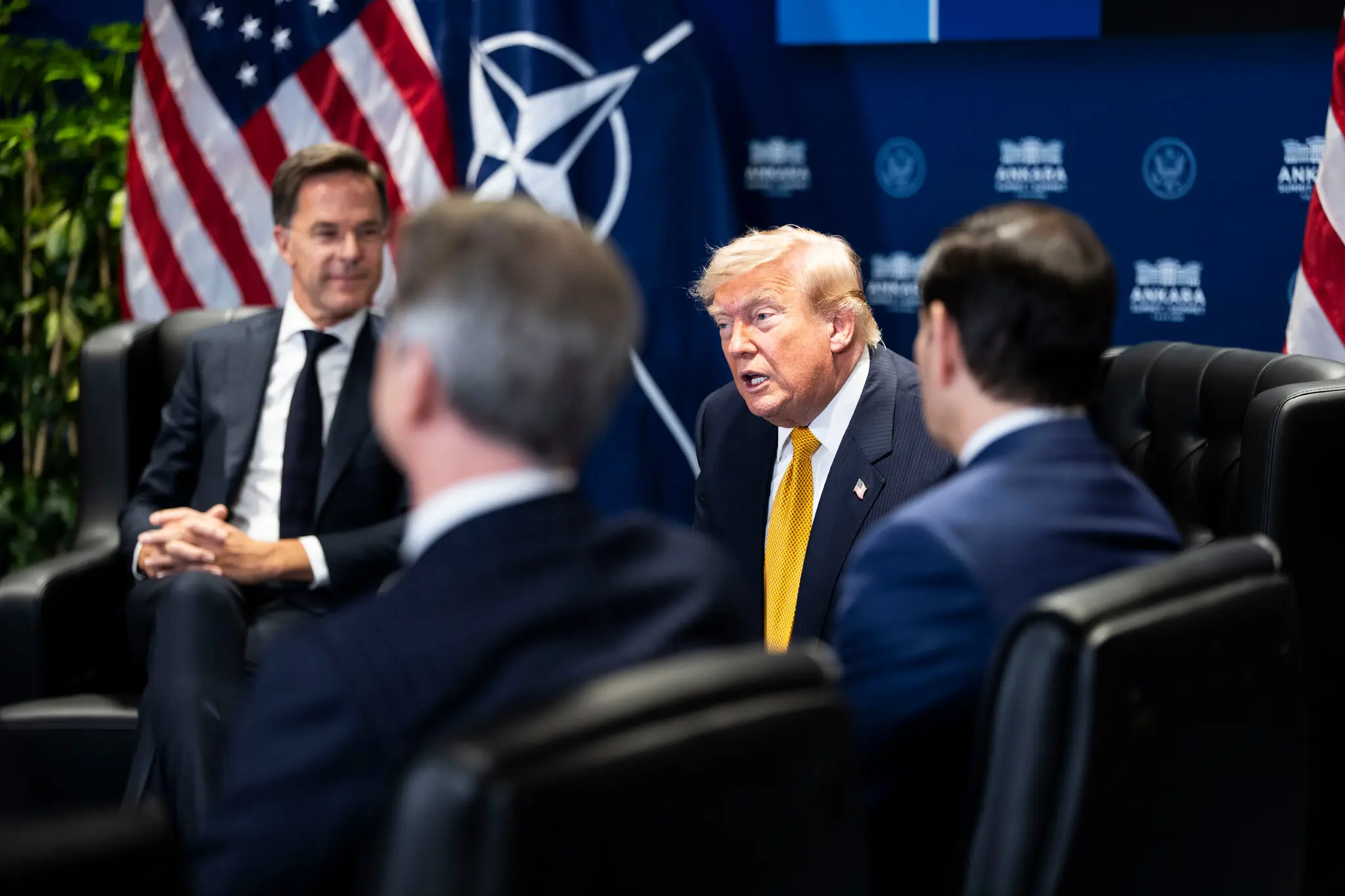
The summit in Turkey is therefore taking place at a moment when formal declarations of unity are no longer enough. Practical answers are needed: air defense for Ukraine, protection of the eastern flank, readiness for hybrid provocations, and clear signals on Kaliningrad, the Baltic region, Finland and the Black Sea. Russia must see not a discussion of fear, but a system of deterrence.
The main conclusion from the current escalation is simple: Moscow no longer hides that it views European support for Ukraine as part of a wider confrontation. It is trying to intimidate those who help Kyiv the most while tempting Washington with a separate dialogue. The nerve of European security now runs between those two moves.
Europe enters this stage with less naivety than it had before 2022. Finland, the Baltic states, Poland and other eastern allies no longer ask whether Russia can pose a threat. They ask whether NATO will be ready by the moment Moscow decides to test its will. That question is becoming one of the most important at the summit, even when it is not spoken aloud.