













Ukrainian soldiers tend to dislike being asked when all of this will end. To an outsider, the question feels natural, almost unavoidable. But for those who have spent years in trenches, under drones, artillery fire, and constant uncertainty, it sounds less like hope than like a trap.
That logic is captured in a thought one Ukrainian officer framed through Viktor Frankl: the first to break are those who believe the war will end soon, just as much as those who convince themselves it will never end. The ones who endure are those who focus on the work that has to be done today.
That may be the most important psychological change in Ukrainian society in the fourth year of the full-scale war. What was experienced in 2022 as shock, rupture, and the collapse of normal life has increasingly become normal life itself — brutal, exhausting, but no longer temporary.
As Daycom assesses, one of the key forms of Ukrainian adaptation has been the rejection of the fantasy of a quick ending. The clearer it becomes that the outside world will not come to save Ukraine to the extent or on the timeline many once hoped for, the less room remains for illusion and the more room there is for reliance on Ukraine’s own strength.
At the start of the full-scale invasion, many believed that the sheer scale of Russia’s aggression would automatically force the world to act decisively, quickly, and irreversibly. The logic was understandable: if evil was this obvious, the international system would have to respond. But the experience of the years that followed proved far harsher and far more sobering.
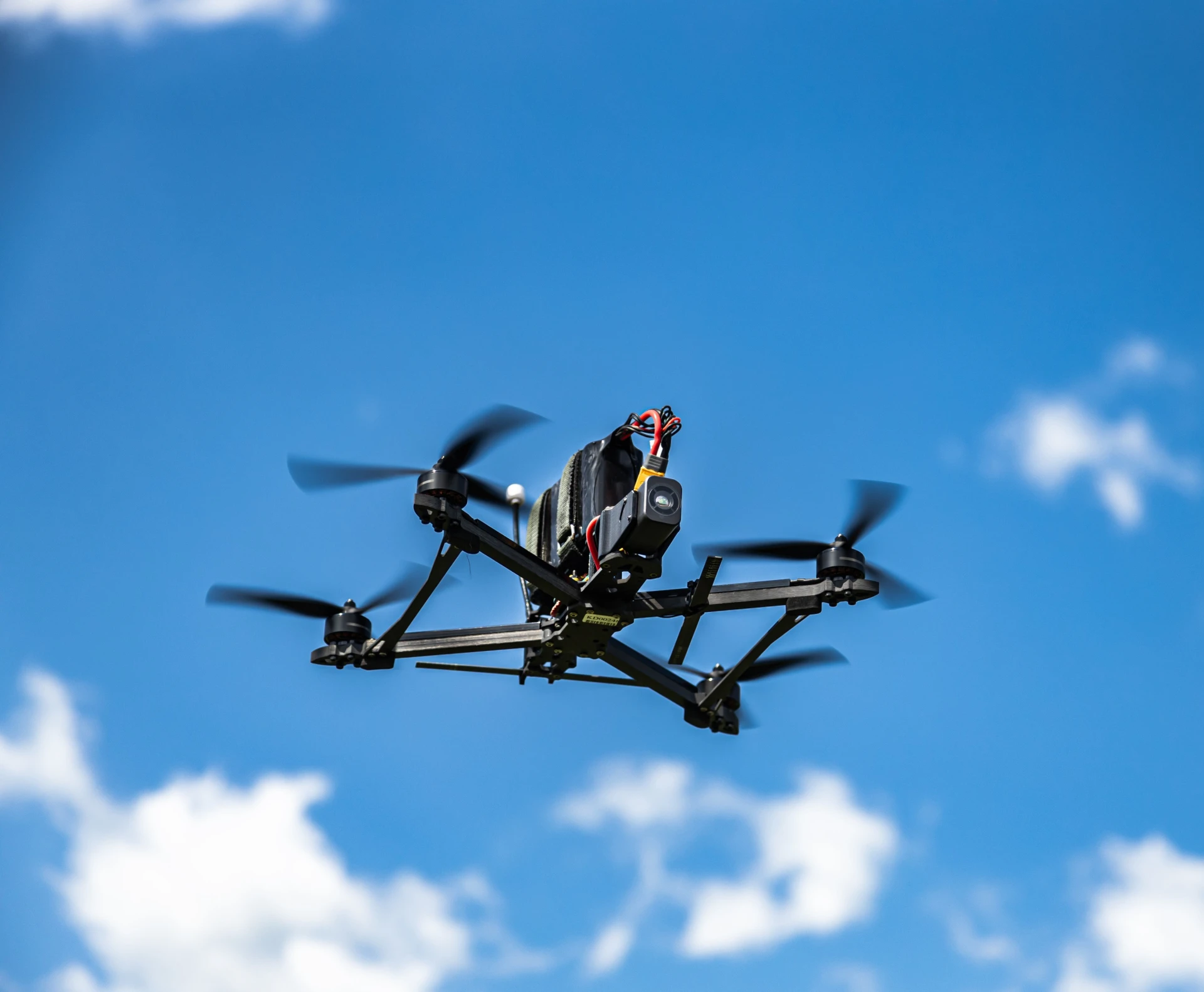
 Лінія фронту в Україні з її дронами та окопами може виглядати як майбутнє і минуле одночасно. Фотографії, що додаються до цього есе, були зроблені у лютому та березні 2025 року — Георгій Іванченко
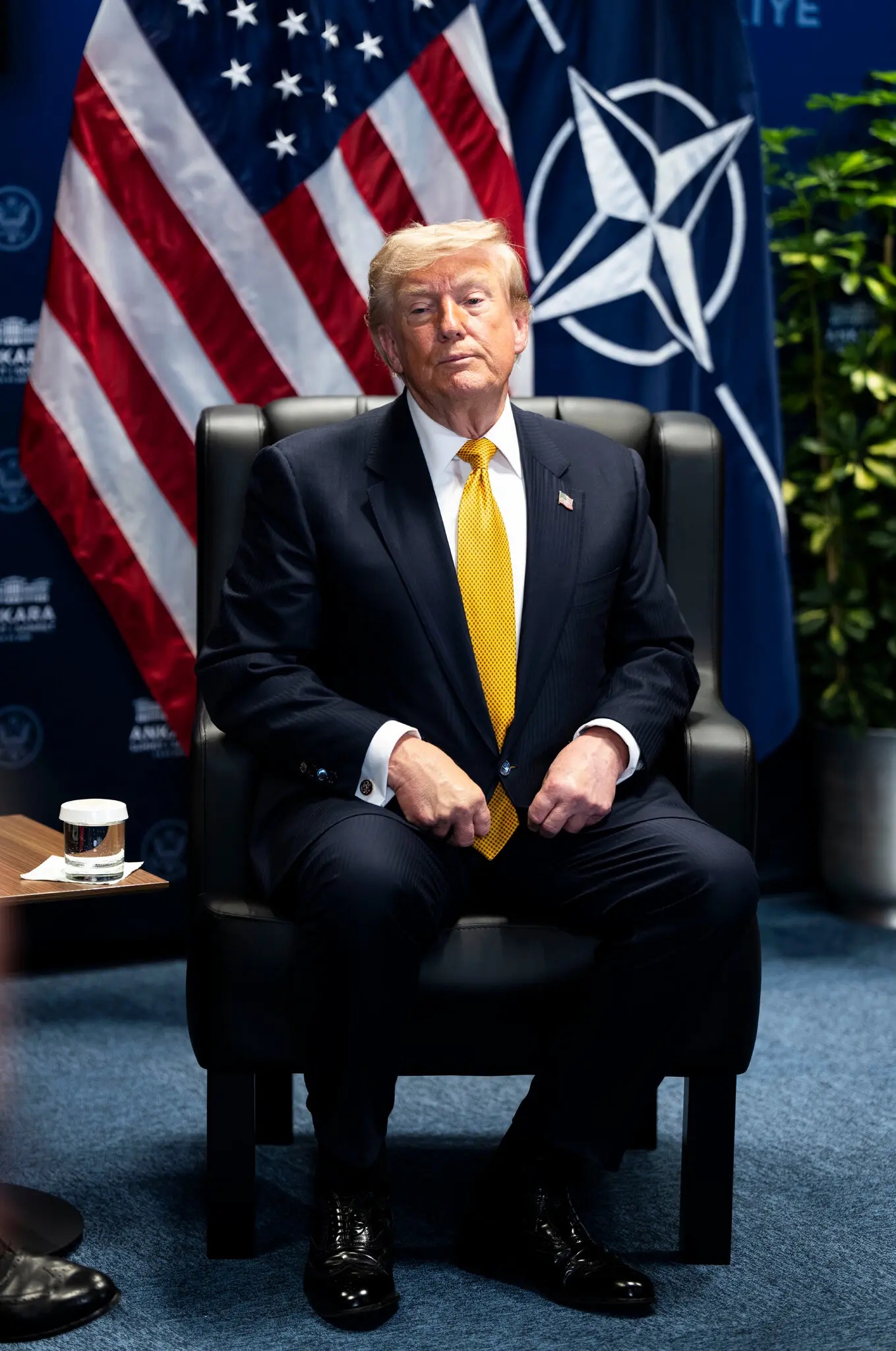
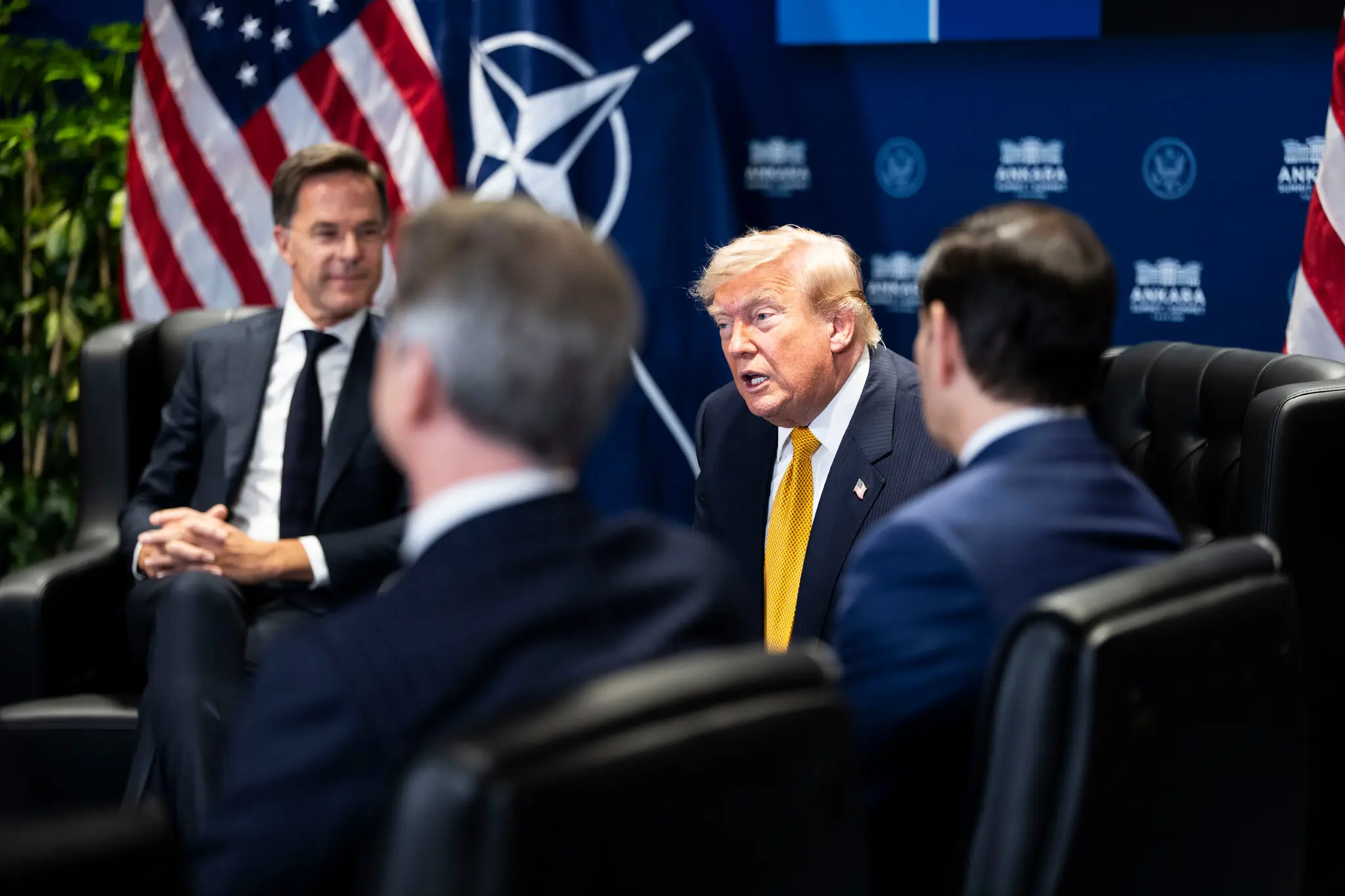
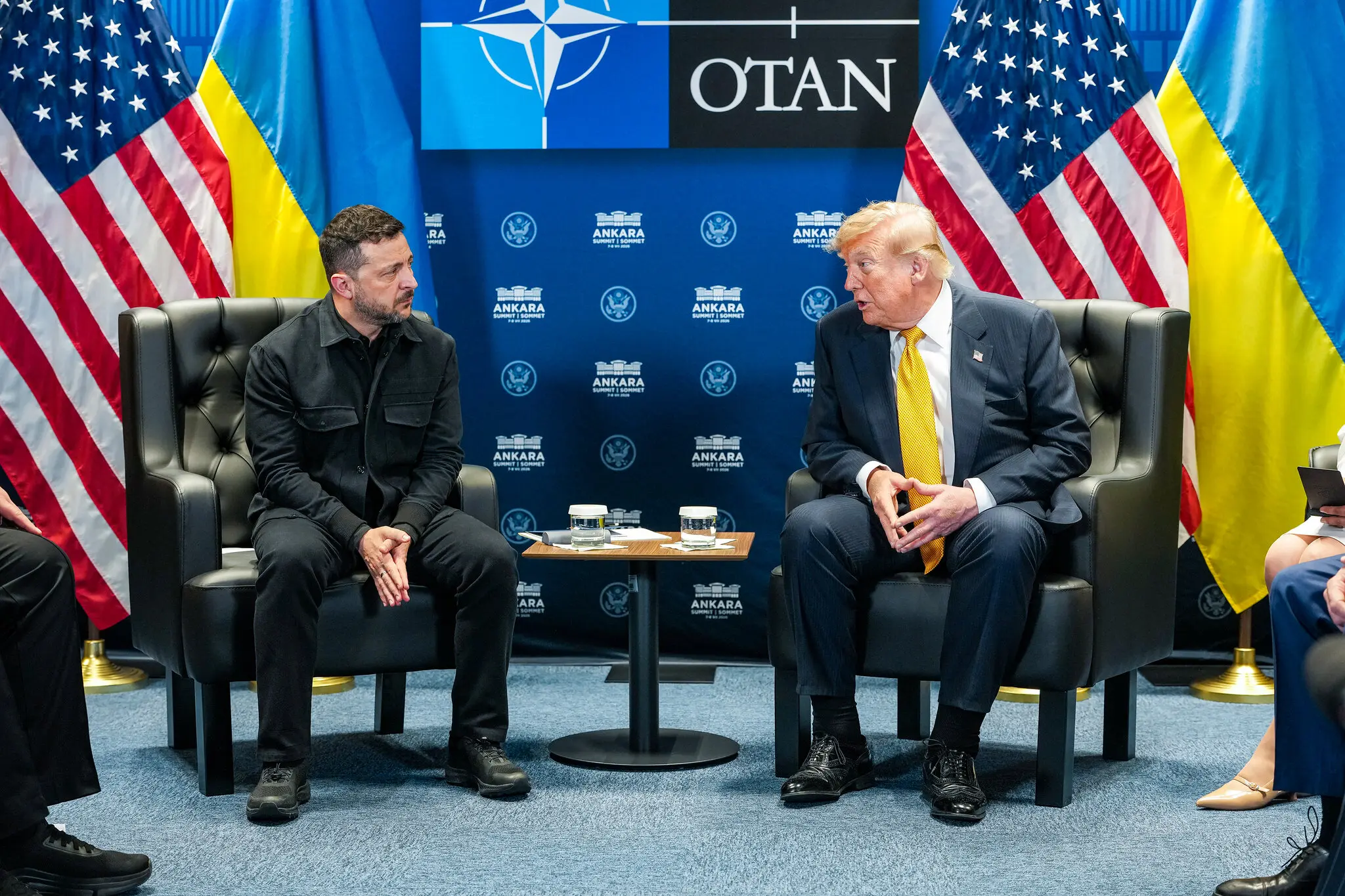
The United States, especially under Donald Trump, has made increasingly clear that its priority is not strategic justice for Ukraine, but a rapid settlement on whatever terms it can secure. Europe, in turn, is not only supporting Kyiv but also painfully rethinking its own security at a moment when the old trans-Atlantic architecture is visibly faltering.
Paradoxically, that realization has not intensified public panic; it has partly reduced it. When help seems guaranteed but remains perpetually just out of reach, it breeds frustration. When it becomes clear that no rescuing external force may arrive — or at least not in time — a country begins to build its survival more soberly.
That is the logic in which Ukraine now lives. War no longer feels like a pause in “real life,” after which everything will return to normal. It is real life now. A front line where future-facing drones coexist with trenches reminiscent of an earlier century no longer feels like a historical anomaly. It is simply contemporary Ukrainian reality.
This new experience of time is reflected most vividly in the stories of the soldiers themselves. Young people who not long ago were studying international law, working construction, making art, or performing on stage now speak less about grand geopolitical concepts than about a particular stretch of the front, a shift rotation, a drone, a mortar, the delivery of ammunition, or the need to stay hidden from thermal imaging.
For them, the war looks less and less like a grand struggle between “East” and “West” and more and more like simply Ukraine’s war. That is a hard but important transformation. If, in the early phase, many still viewed events through the prism of international decisions, the mindset in frontline units is now often different: first and foremost, what Ukraine itself must do in order to hold.
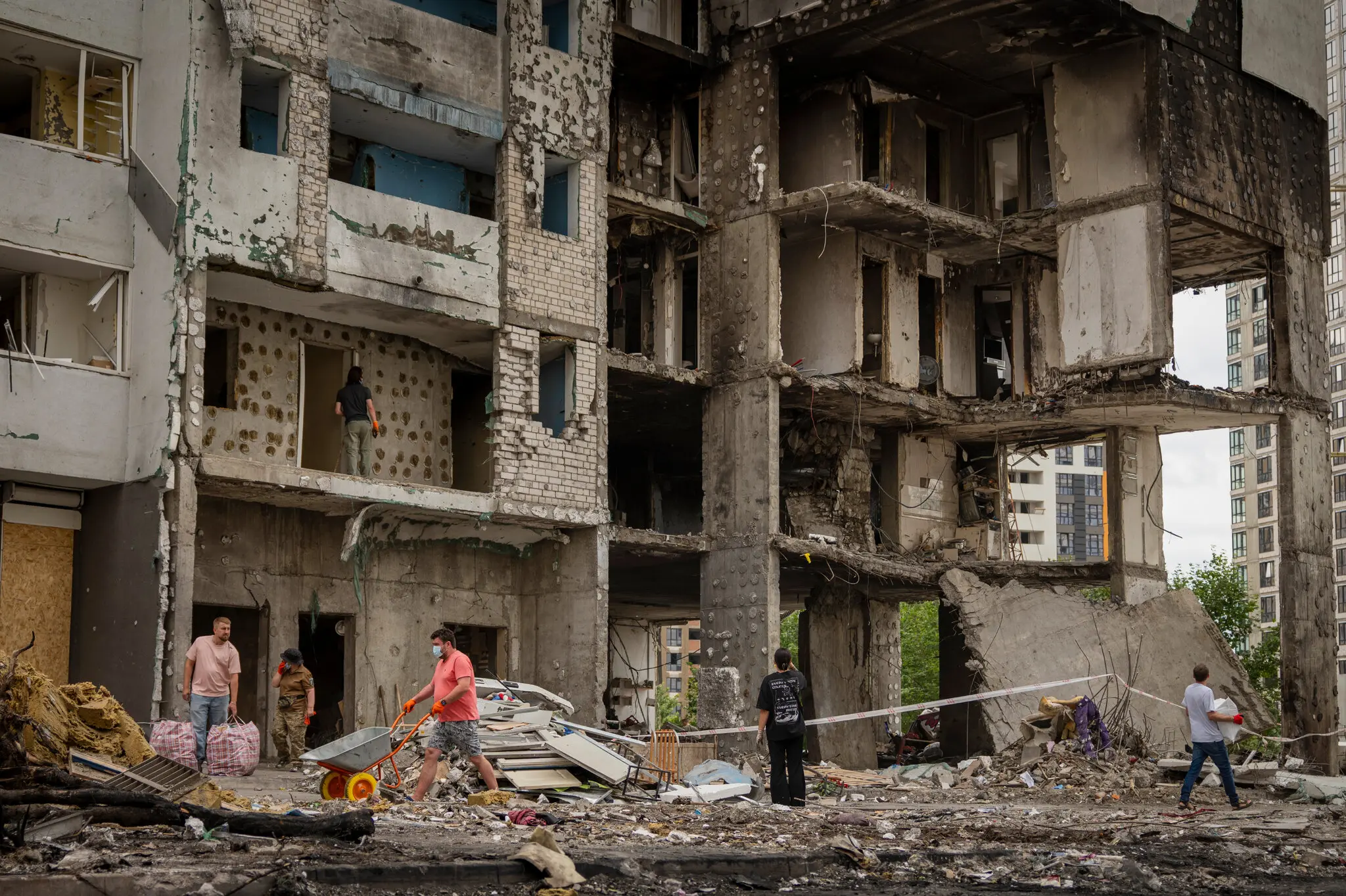
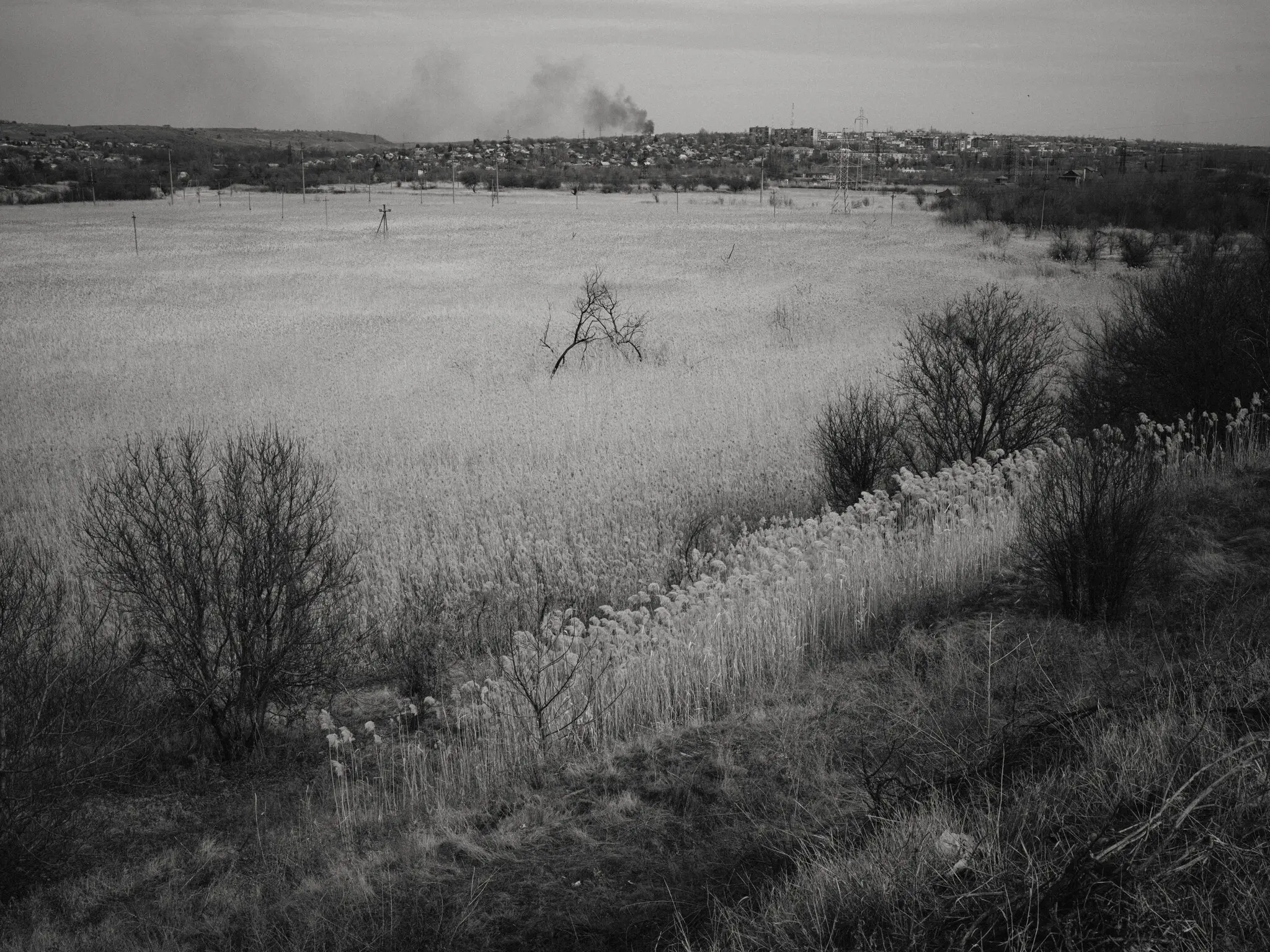 Наслідки обстрілу в Донецькій області — Георгій Іванченко
That is one reason technology has become so central. Drones, ground robotic systems, new methods of logistics, evacuation, and demining are no longer auxiliary tools. They are steadily reshaping the nature of war itself. For Ukrainian units, this is not futuristic novelty, but a practical way to compensate for shortages of manpower and resources in a fight against a much larger enemy.
Here one of Ukraine’s most important strategic advantages becomes visible: not quantity, but adaptability. Russia wages war through the logic of the meat grinder, throwing waves of soldiers into frontal assaults at staggering cost. The Kremlin has bought even minor territorial gains with enormous quantities of men and materiel. But that model requires a reservoir of resources that Ukraine neither possesses nor should try to imitate.
Ukraine simply does not have Russia’s demographic weight, its oil and gas revenues, or the same degree of cynicism toward human life. But the difference is not only about resources. For Ukraine, the war has always rested on a different moral foundation: its purpose is to preserve lives and preserve the state, not to trade square miles for an endless stream of the dead. That is why Ukrainian strategy increasingly leans not toward symmetrical attrition, but toward what might be called strategic neutralization.
That means seeking relatively economical, pragmatic, and technologically precise ways to make Russian offensive operations less effective and the cost of continuing the war steadily higher for Moscow. It promises neither a quick nor a cinematic ending. But it offers the most important possibility: making the war so costly and so unproductive for the Kremlin that the very idea of subjugating Ukraine loses its meaning.
That is why the question “When will this end?” has become, in the Ukrainian context, increasingly meaningless. It is built on the logic of the distant spectator who wants to know how the film ends. But for Ukrainians this is not a film, nor a series that must arrive at a conclusion by the end of the season. It is an environment in which people must live, work, fight, bury the dead, rebuild, teach children, and somehow still plan for a future under conditions of permanent danger.
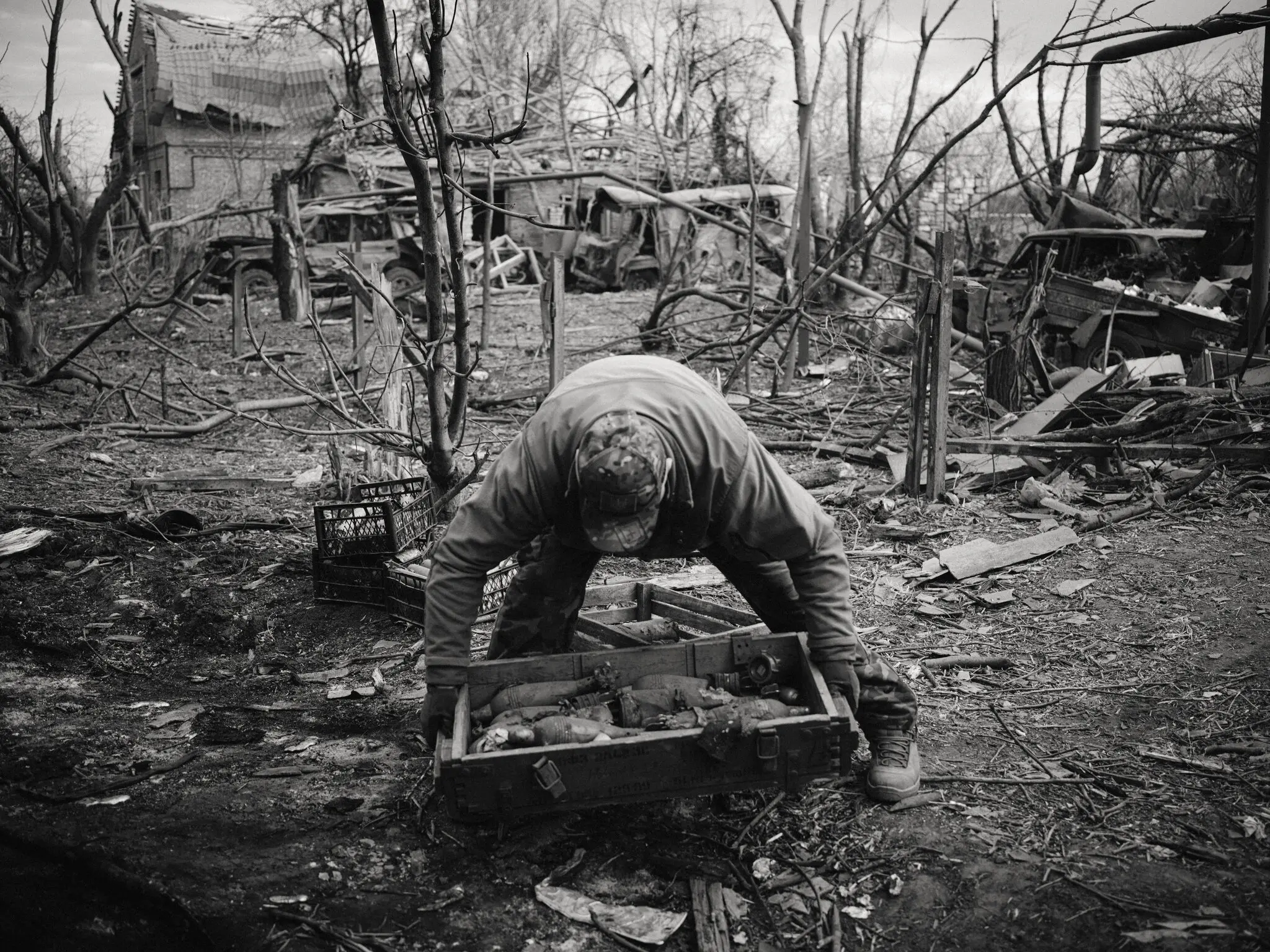 Збір придатних для використання боєприпасів у селі Краматорського району в Україні — Георгій Іванченко
That is why a different question matters far more — not when, but how. How exactly will this war end? Will it end in a pause that merely postpones another strike? Will it end in a peace purchased at the cost of Ukraine’s own political subjecthood? Or will it end in a condition in which Russia comes to understand that the price of destroying Ukraine is simply too high, even for Russia?
It is in that change of perspective that one finds perhaps the most mature Ukrainian answer to the war. Not to live by the promise of an imminent end. Not to seek psychological rescue in the calendar. Not to mistake exhaustion for capitulation. But to hold fast to daily action, to the capacity to adapt, to one’s own defensive strength, and to the right to determine the terms of the ending for oneself.
Because for Ukraine today, the decisive question is not when the last day of the war will come. The decisive question is what kind of country will exist on the day after.