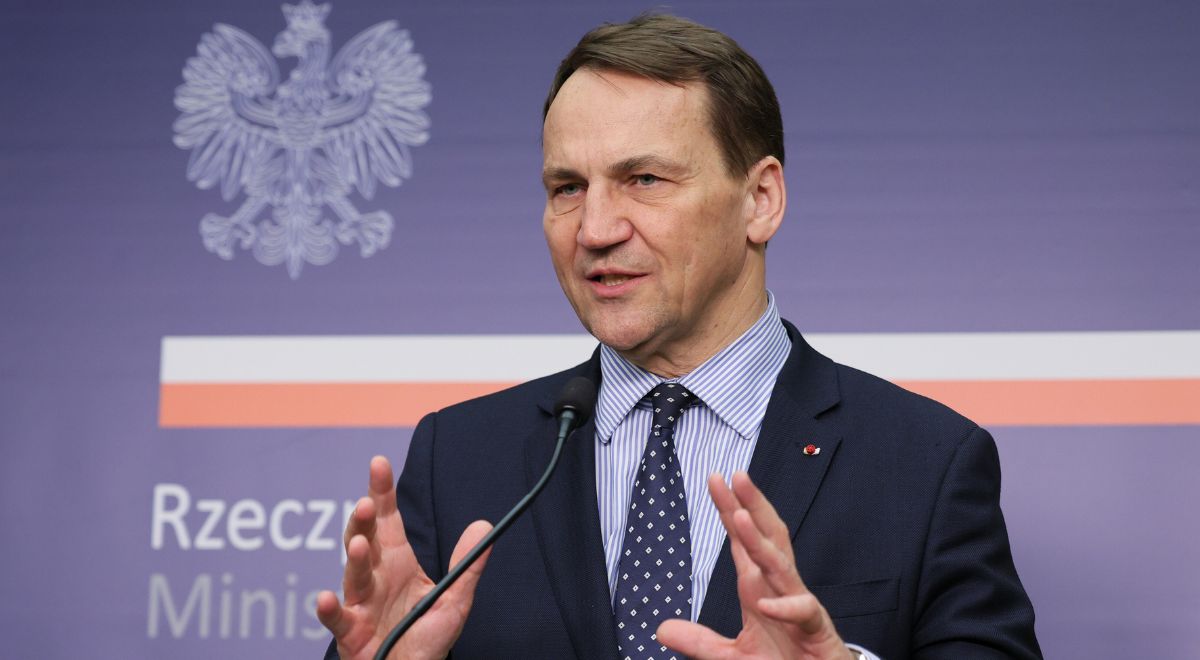
















Kassym-Jomart Tokayev has proposed stopping the Russia-Ukraine war at roughly the point it has now reached. His call for a “freeze” came while he stood beside Vladimir Putin, as Moscow seeks to turn its control of occupied Ukrainian territory into the foundation of any future negotiations.
The Kazakh president urged a return to an “Istanbul 2.0” formula, backed by security guarantees from major powers, including Russia. He also praised Putin’s “utmost diplomatic flexibility,” presenting the Kremlin less as the aggressor than as a potential guarantor of peace.
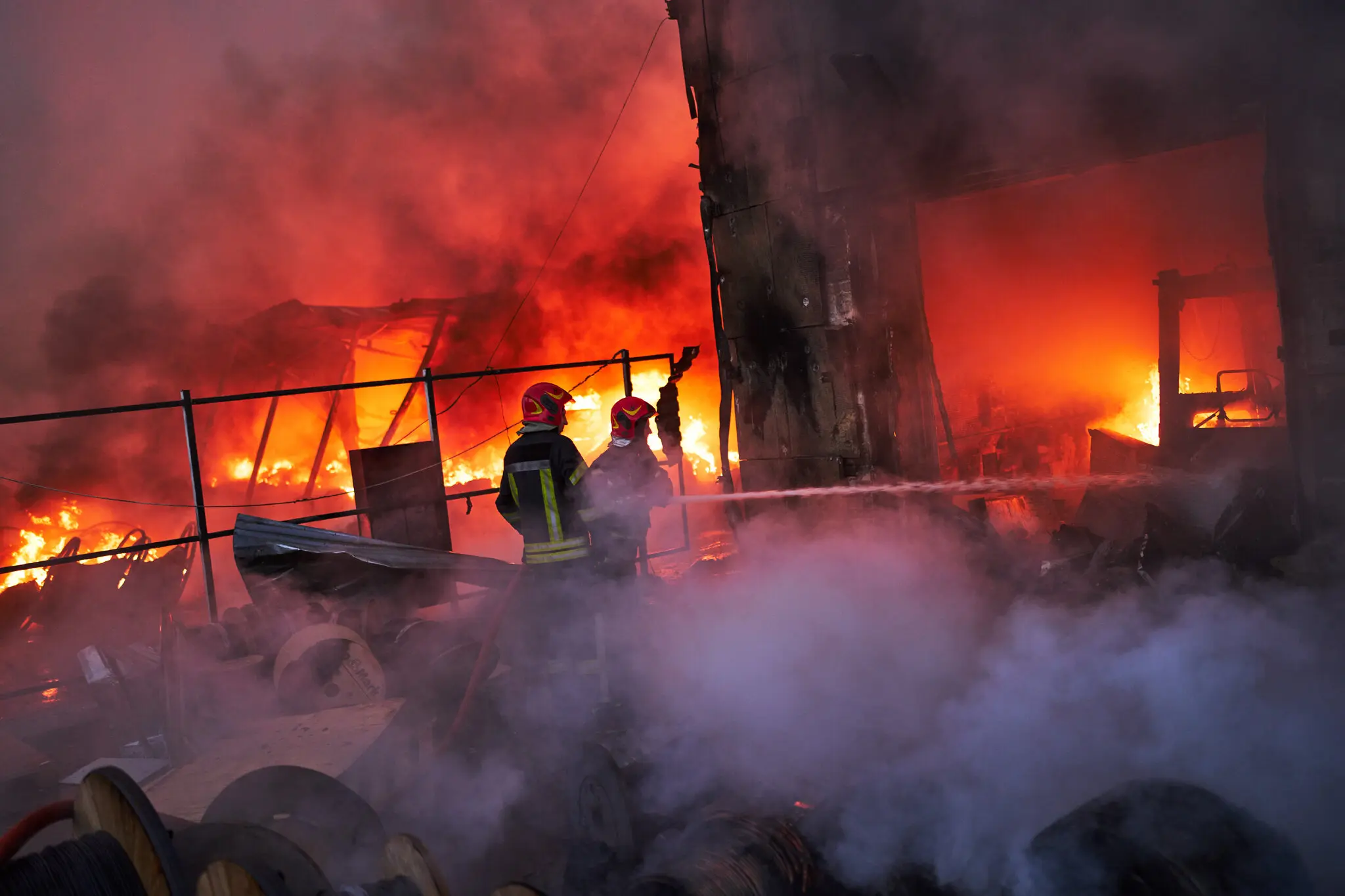
For Moscow, this would be an almost ideal arrangement. A ceasefire without the prior withdrawal of Russian forces could lock in the front line, preserve occupation administrations, allow exhausted units to recover and convert military gains into bargaining power.
In Daycom’s assessment, Tokayev’s language of peace conceals the logic of an asymmetric pause. Russia would gain time, territory and an opportunity to regroup, while Ukraine could lose international momentum without receiving any credible mechanism to prevent another offensive.
The word “freeze” creates a misleading impression of neutrality. It suggests that both sides would simply suspend the conflict on equal terms. In reality, they would enter the pause with radically different assets: one state would remain on another’s territory, while the other would be left divided and exposed to renewed war.
Ukraine has already experienced a version of this model. The Minsk agreements reduced the intensity of fighting at certain stages after 2014, but they did not remove the cause of the conflict. Russia used the years of nominal truce for military preparation, political pressure and, ultimately, full-scale invasion.
For Kyiv, therefore, a frozen conflict is unlikely to sound like peace. It sounds more like a delayed war. A ceasefire has value only when the aggressor cannot use it to rebuild its forces and when violations trigger automatic and credible consequences.
The proposal to revive the Istanbul negotiations also requires scrutiny. The talks of 2022 took place in an entirely different military and international environment. Ukraine had not yet endured years of occupation, mass destruction and sustained attacks that fundamentally altered public attitudes toward any promise made by the Kremlin.
Simply restoring the old framework would ignore the central lesson of the war: an agreement has no weight without the force required to enforce it. Russia has already violated bilateral treaties, international commitments and guarantees of Ukraine’s territorial integrity.
The idea of making Russia one of the security guarantors is particularly contradictory. A state that launched the invasion cannot remain the source of the threat while also serving as a supposedly impartial arbiter. Such a role would give Moscow influence over the mechanism intended to restrain it.
Russia’s interpretation of security guarantees has traditionally involved restrictions on the sovereignty of neighboring states. Under the language of stability, the Kremlin could demand influence over Ukraine’s foreign policy, military strength, weapons and relations with Western partners.
For Ukraine, meaningful guarantees would need to work in the opposite direction. They would have to strengthen its capacity for self-defense, secure long-term weapons supplies, deepen integration with European institutions and ensure a rapid response from partners in the event of another attack.
This is where Tokayev’s formula remains empty. It proposes stopping the shooting but does not explain who would compel Russia to honor the agreement or how. Without such a mechanism, the “great powers” could become not guarantors of peace, but collective witnesses to the next violation.
Tokayev’s remarks must also be understood through Kazakhstan’s own foreign policy. The country shares a long border with Russia, depends on regional transport routes and maintains deep economic ties with Moscow. At the same time, it has expanded relations with China, Europe and the United States.
For years, Tokayev has tried to preserve this multi-vector balance—avoiding open confrontation with the Kremlin without allowing Kazakhstan to disappear entirely into Russia’s political orbit. Peace rhetoric gives him a way to demonstrate diplomatic relevance without directly condemning Putin.
Yet the setting changes the meaning of the message. A proposal delivered beside the Russian president at a bilateral forum inevitably looks like a diplomatic service to Moscow. Tokayev offered a framework that closely matches Russia’s desire to stop the war without surrendering occupied territory.
His praise for Putin’s supposed flexibility serves the same purpose. It helps the Kremlin construct the image of a leader open to compromise, even though Russia’s peace conditions have generally demanded Ukrainian territorial concessions and limits on Kyiv’s strategic freedom.
This is part of a wider contest over responsibility for the war. Moscow wants to persuade foreign audiences that the conflict continues because Ukraine refuses to accept “realistic” terms. A freeze makes it easier to present Kyiv’s refusal as evidence of unreasonable inflexibility.
For some international audiences, that argument may be attractive. A prolonged war is expensive and destabilizing, creating risks for energy markets, trade and domestic politics. In many capitals, there is a growing temptation to treat the absence of gunfire as an adequate outcome.
But ending active hostilities and ending the war are not the same thing. Shooting can stop by order, while the conflict continues through occupation, forced displacement, militarization and the permanent threat of renewed invasion.
A frozen front would also require enormous resources. Ukraine would have to maintain a large army along fortified lines, continue defending its cities from missiles and live with the danger of sudden escalation. This would not be postwar normality, but another form of a permanently mobilized state.
For Russia, a pause could reduce immediate costs without requiring it to abandon its strategic goals. The Kremlin could repair equipment, train new units, adapt its defense industry and wait for a more favorable political environment in the West.
Any agreement must therefore be judged not only by how quickly it saves lives today, but also by whether it creates the conditions for a much larger war tomorrow.
It would nevertheless be a mistake to reject every discussion of a ceasefire. Ukraine also has an interest in reducing casualties, protecting cities and rebuilding its economy. The real question is not whether diplomacy is needed, but what kind of arrangement would avoid rewarding aggression.
A viable ceasefire would require a clear monitoring system, an international presence, predetermined consequences for violations and Ukraine’s continuing right to arm itself. Sanctions should not disappear automatically, and Russia’s ability to rebuild its military should remain constrained.
It is equally important that negotiations not determine Ukraine’s future without Ukraine. Appeals by “great powers” for a quick compromise often conceal an effort to purchase stability at the expense of a smaller state. Such a peace may be convenient for outside capitals while remaining inherently unstable for the region itself.
Tokayev seeks the role of a moderate intermediary, but genuine mediation requires naming the parties’ interests clearly. Russia wants to preserve territorial gains and political leverage over Ukraine. Kyiv wants to prevent a temporary front line from becoming a permanent border imposed by force.
There is no technical formula capable of automatically reconciling those positions. There is a political choice: whether the international system will accept that borders can be changed through war, or make such an outcome too costly and unstable to preserve.
Tokayev’s proposal matters because similar ideas will increasingly be presented as reasonable compromise. The longer the war continues, the stronger the pressure on Ukraine will become to accept not a resolution of the conflict, but an end to its most visible phase.
In Omsk, Putin received a useful diplomatic image: the president of a neighboring state calling for peace, praising Russian flexibility and proposing that the front be frozen. Yet behind that scene lies the essential question—what exactly is to be frozen: the fighting, or Russia’s claimed right to retain what it seized?
For Ukraine, the answer will shape more than its territorial future. It will establish a rule for Europe: whether a state can launch a war, endure sanctions, wait for its opponents to tire and ultimately secure part of its objective in exchange for promising not to advance again.
Peace requires a pause in the shooting, but not every pause leads to peace. If a freeze merely preserves Russia’s military presence and leaves the Kremlin free to choose the timing of the next attack, it will not end the war. It will give the war a new political and military form.