







.jpg)













Ukraine is asking Europe to build a missile-defense system on a timetable that would once have seemed impossible for the continent’s defense industry. Kyiv wants the first operational prototype of the system, codenamed Freyja, ready in the first half of 2027.
This would not yet be a finished shield capable of protecting dozens of cities. The immediate goal is a minimum viable product proving that European radars, a Ukrainian launcher, an interceptor missile and command software can function as a single anti-ballistic system.
The deadline is both an engineering target and a form of political pressure. Ukraine is trying to move its allies beyond recurring debates over strategic autonomy toward a weapon that can be tested, ordered, manufactured and eventually placed on combat duty.
In Daycom’s assessment, Freyja is more than an attempt to create another air-defense system. It is a test of whether Europe can build an independent anti-missile capability without relying entirely on American industry, Washington’s political cycles and the limited global inventory of Patriot systems.
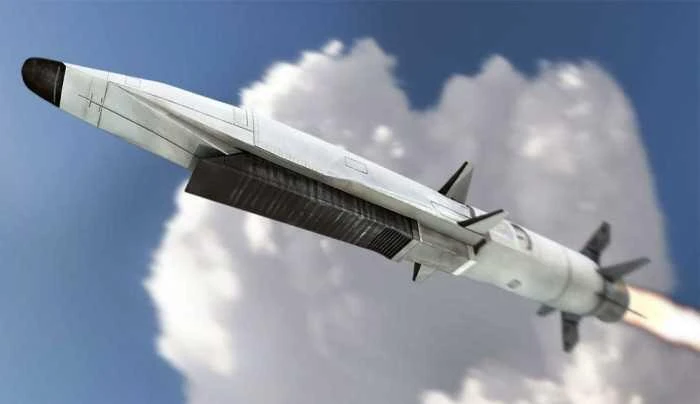
Patriot remains Ukraine’s principal defense against Russian ballistic missiles. Other systems are highly effective against aircraft, cruise missiles and drones, but they have not demonstrated the same consistent ability to intercept ballistic targets traveling at several times the speed of sound.
That dependence has become a strategic vulnerability. Patriot deliveries are constrained by long production cycles, shortages of interceptors and political uncertainty. Any shift in priorities in the United States immediately affects how many Ukrainian cities can be protected from the next Russian strike.
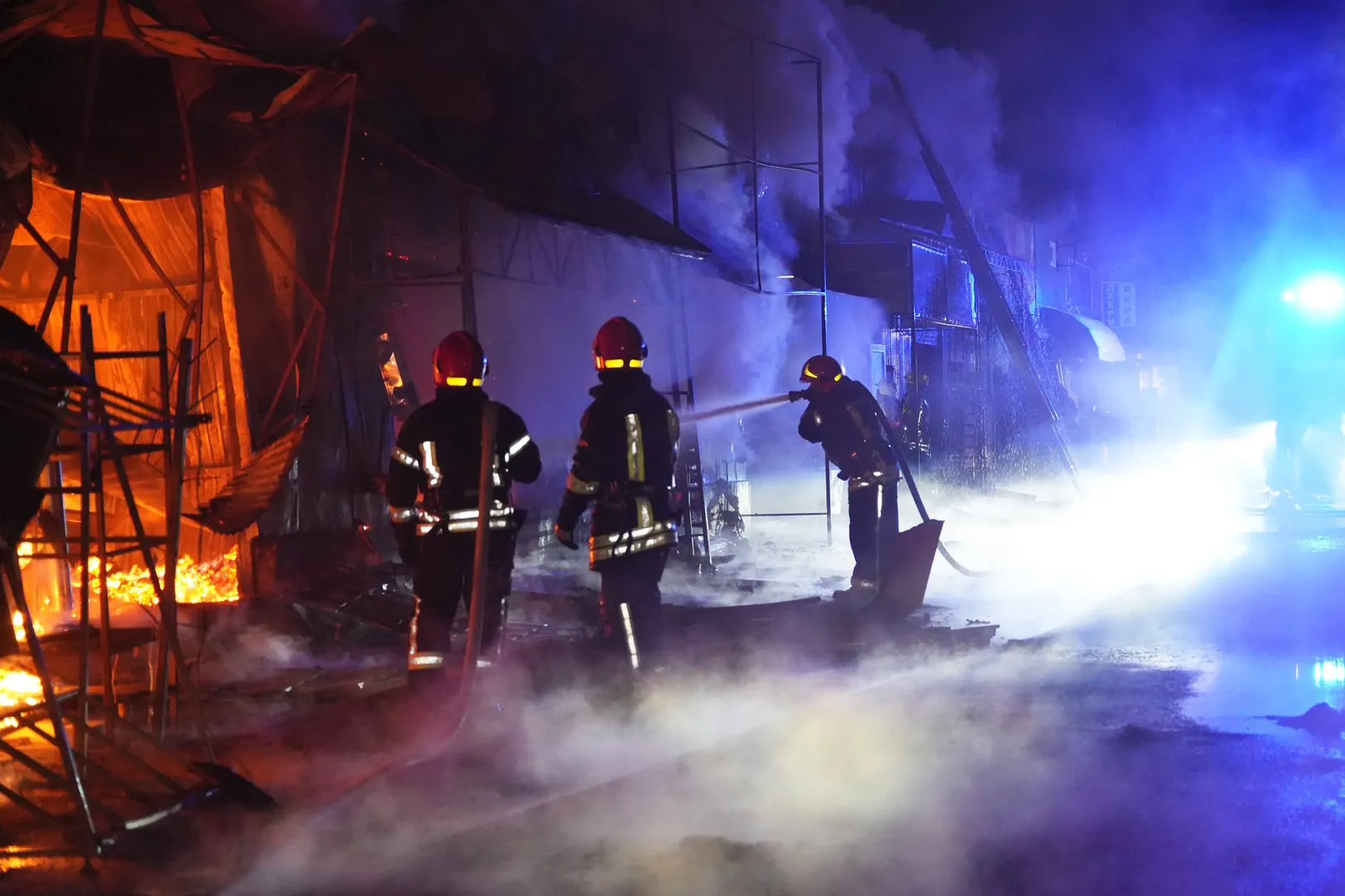
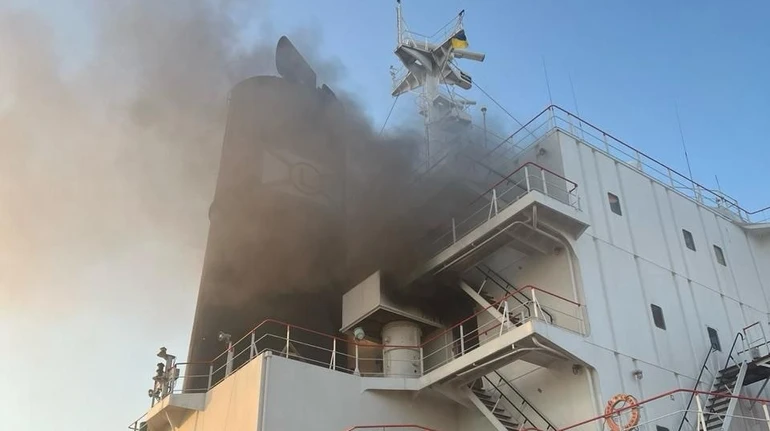
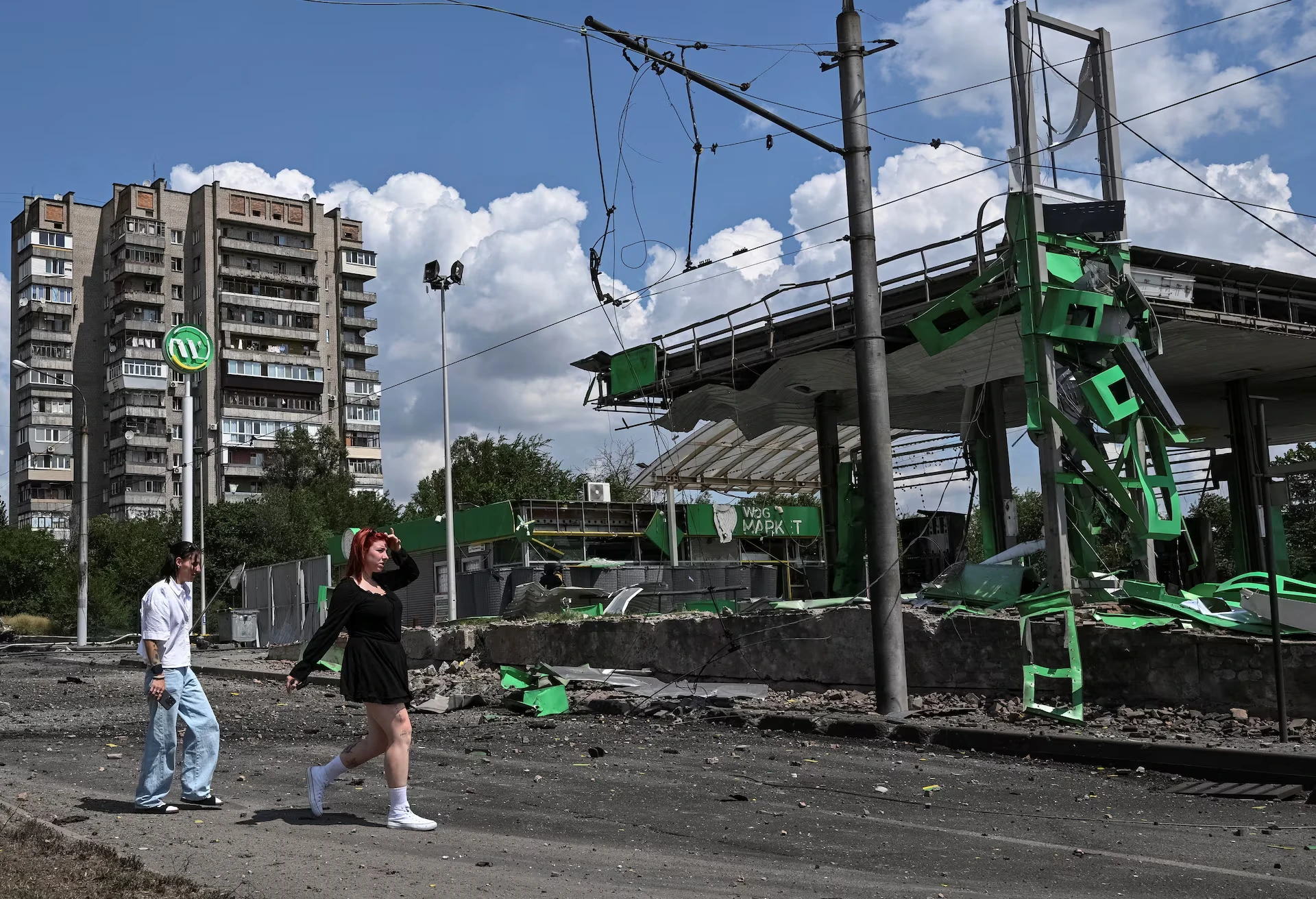
The intensified attacks on Kyiv and Odesa in July again exposed the cost of those shortages. Russia is using ballistic missiles more frequently, forcing Ukraine to choose among defending the capital, ports, industrial centers, energy infrastructure and military logistics near the front.
Even a high interception rate does not solve the problem if stocks are depleted faster than they can be replenished. Russia can manufacture and launch offensive weapons at a pace that turns every expensive interceptor into part of a broader economic war.
Freyja is intended to change that equation. It is being conceived as a less expensive and more technologically open alternative to Patriot, adaptable to the industrial capabilities of different European states and scalable without dependence on a single supplier.
Kyiv is prepared to provide the core of the system: a launcher and an interceptor missile. Its partners are expected to contribute modern radars, sensors, guidance technology, control electronics and experience integrating complex air-defense networks.
Several major European manufacturers have already joined the effort. Eurosam brings experience from the SAMP/T system. Leonardo and Thales specialize in sensors, radar and electronics, while Saab can offer its own solutions for target detection and tracking.
On the Ukrainian side, missile and drone manufacturer Fire Point is expected to serve as the lead industrial partner. The company developed the Flamingo cruise missile and has already reached an agreement with Germany’s Hensoldt to supply radar technology for the project.
Yet a coalition of strong companies does not automatically create a functioning weapon. Missile defense works only when the radar detects a target in time, the command system calculates its trajectory correctly, the interceptor receives precise data and its guidance system completes the engagement.
There are no minor components in that chain. A delay in data exchange, a sensor error or incompatible software can erase the advantages of even a highly capable missile. The central challenge will not be producing individual parts, but integrating them into one reliable system.
Ukraine proposes to address that problem through an open architecture. Instead of relying on a single fixed configuration, Freyja would be built from interchangeable modules. Participating countries could select radars, sensors and other components that match their own industrial capabilities.
Denmark, for example, might choose a Weibel radar, while Sweden could opt for a Saab solution. Other states could use domestically produced equipment. In theory, this would accelerate manufacturing, distribute contracts across Europe and make the project more politically attractive.
Modularity, however, also creates risk. The more configurations a system permits, the more complex testing, certification and maintenance become. A platform assembled from components produced in different countries requires especially strict standards for data exchange, software compatibility and quality control.
Freyja cannot become a defense-industry version of a construction kit in which every government simply adds its preferred component. An open architecture still needs a central engineering authority with the power to set requirements and reject equipment that does not meet operational needs.
Testing the interceptor itself will be even more demanding. Destroying a predictable target at a range is not enough. The system must work against missiles that maneuver, deploy decoys, follow different trajectories and arrive simultaneously with cruise missiles and drones.
Ukraine can provide an environment no other European country possesses. It has accumulated real-world data on Russian ballistic weapons, attack trajectories, electronic warfare and the behavior of air-defense systems during complex, combined strikes.
That makes Kyiv not merely a recipient of assistance, but the holder of critical expertise. European companies can contribute equipment and manufacturing capacity, but Ukraine knows how such a system must function when every technical error may mean a destroyed apartment block or civilian deaths.
The proposed schedule remains extraordinarily ambitious. Less than a year may separate the first meeting of the international steering committee from a working prototype. During that period, participants must estimate costs, divide responsibilities, agree on standards, manufacture components and conduct trials.
A conventional European defense program would take years to pass through those stages. Requirement-setting, tenders, intergovernmental negotiations and budget procedures can consume more time than Ukraine has allowed for the entire first version of Freyja.
That is why private companies are expected to participate directly alongside governments. Manufacturers must be able to work without waiting for every political procedure to conclude. The coalition must operate as a production mechanism, not as another forum for declarations.
A dedicated fund or special governing body could provide stable financing. Without such a structure, Freyja risks becoming dependent on annual budgets, elections, changes of government and disputes over how contracts should be divided among participating states.
Funding will be required not only for research and development. Once a prototype exists, the coalition will need to establish serial production of interceptors, launchers, radars and replacement parts. A successful test will have little strategic value if the system remains limited to a few demonstration units.
Cost must therefore be measured by more than the price of a single interceptor. The essential questions are how many missiles can be produced each year, how quickly stocks can be replenished and whether the industrial base can sustain a prolonged campaign of mass attacks.
This is the difference between a symbolic project and a genuine shield. Europe does not need a system that spectacularly destroys one target during a demonstration. It needs an industrial ecosystem capable of producing hundreds of interceptors and continuously adapting them to new Russian penetration tactics.
For Ukraine, Freyja will not replace Patriot in the near term. American systems are likely to remain the foundation of anti-ballistic defense for years. The new platform should instead be viewed as an additional layer and a future means of reducing dependence on a single manufacturer.
For Europe, the stakes are broader. Russian ballistic missiles threaten more than Ukraine. The continent has only a limited number of systems capable of protecting large cities, military bases, ports and energy infrastructure during an extended conflict.
If Freyja succeeds, Ukraine will become not only a consumer of European security, but one of its principal producers. It would contribute combat experience, missile technology and a real testing environment, while its partners would provide capital, sensors and industrial scale.
If the project becomes trapped in negotiations, it will expose a much larger problem: Europe may understand the nature of the new threat while remaining unable to build complex weapons at the speed imposed by war.
A prototype by mid-2027 would not guarantee the protection of Ukrainian cities. It would, however, show whether Europe can move from dependence to joint production. In that sense, Freyja must intercept not only Russian missiles, but the continent’s most persistent strategic weakness—slowness.