



















Heat becomes dangerous not only when it breaks records. It becomes a threat when the body can no longer shed heat fast enough, the heart works under excessive strain, and water and salts are lost through sweat faster than they can be replaced. That is how heat exhaustion begins.
The condition often looks ordinary. A person has been standing at a bus stop, working outside, exercising, waiting in line, cleaning in a hot room or walking through a humid city. Then come dizziness, weakness, headache, nausea, muscle cramps, heavy sweating or a rapid heartbeat.
The most dangerous mistake is to wait for it to pass. Heat exhaustion is a warning: the body is already failing to cope. Without stopping, moving into a cooler place, beginning to cool down and replacing fluids, the condition can progress to heat stroke — a medical emergency in which the body loses control of its temperature.
According to Daycom’s assessment, the danger of heat exhaustion lies in how ordinary it can appear. It does not always look dramatic. A person may remain conscious, speak, and try to continue working or exercising. Yet those are the minutes that decide whether the episode ends with rest and water or with hospitalization.
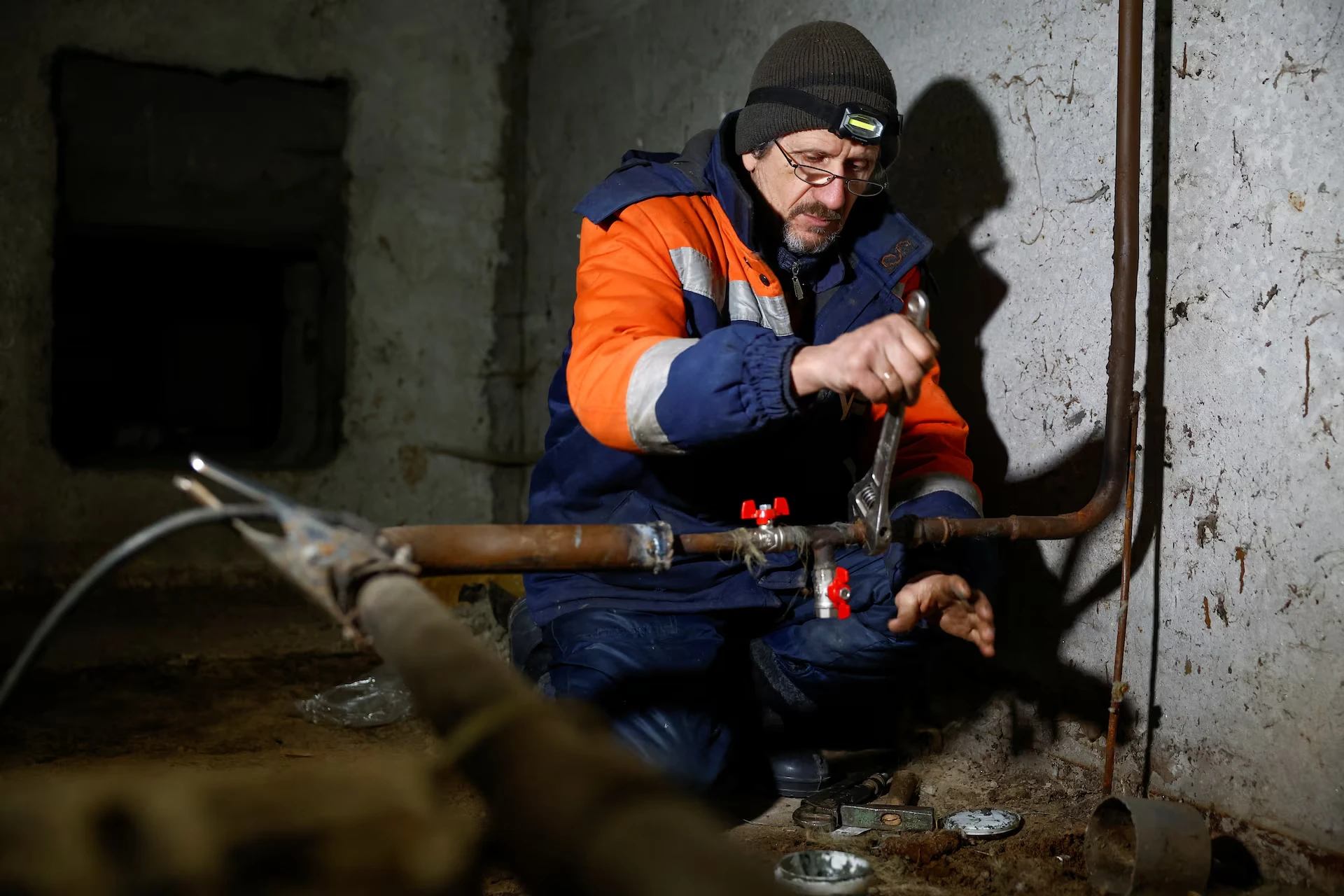
The risk groups are broader than many assume. Those most often affected are people who spend long stretches in heat without breaks: construction workers, utility workers, farm laborers, couriers, athletes, soldiers, tourists, and people without access to housing or a cool indoor space. For them, heat is not weather. It is a condition of work and survival.
Older adults, infants, young children, pregnant women, and people with cardiovascular, respiratory, kidney or mental health conditions, diabetes or high blood pressure are especially vulnerable. Some medications, including certain blood pressure drugs, can also raise risk because they affect fluid balance, sweating or the heart’s response.
Prevention begins not with toughness, but with refusing unnecessary risk. On days of extreme heat, heavy work and exercise should be moved to morning or evening when possible. People should take breaks, seek shade, wear light and loose clothing, drink water before severe thirst appears and avoid treating coffee or alcohol as real hydration.
For those who must work or train in heat, acclimatization matters: gradually increasing exertion over several days. The body can learn to tolerate heat better, but not instantly. A sudden shift into high temperatures after air-conditioned routines or a break increases the risk of heat stress.
The first step when heat exhaustion is suspected is to stop. Do not “make it to the end of the shift,” “finish the last kilometer,” or “stand for a little longer.” Activity should end immediately. Sit or lie down, tell someone nearby that you feel unwell, and move into shade, an air-conditioned space, a cooled car or another cooler place.
Then remove extra layers of clothing and begin cooling the body. A cool shower, wet towels, misting the skin with water, a fan, cold compresses on the neck, armpits and groin, and elevating the legs can all help. Water on the skin combined with moving air speeds evaporation and helps the body release heat.
Fluids should be taken in small sips. If the person has been sweating heavily, doing physical labor or experiencing cramps, drinks with electrolytes such as sodium and potassium can help. But if there is vomiting, confusion or difficulty swallowing, the person should not be forced to drink. Medical help is needed.
Most cases of heat exhaustion should improve quickly with rest, cooling and fluids. If symptoms do not ease within about 30 minutes, worsen, or alarming signs appear, it is no longer a situation to manage at home. Emergency medical help is needed.
The clearest danger signs are confusion, fainting, seizures, sudden severe weakness, abnormal behavior, very high body temperature, hot skin, or loss of the ability to respond or move normally. Heat stroke is the most serious heat illness: body temperature can rise rapidly to a critical level, and the cooling system stops working.
Special care is needed for older people. They may not feel thirst as sharply as younger adults, they adapt more slowly to heat, and they are more likely to have illnesses or medications that increase risk. On hot days, isolated older people need more than general advice. Someone should check whether they have water, shade, a cool place, contact with others and help nearby.
Children also cannot fully protect themselves. They overheat faster, may become absorbed in play and may not say in time that they feel unwell. They must never be left in a car, even briefly. Outdoors, they need shade, water, light clothing, breaks and an adult watching not only the sun, but their behavior.
Athletes often take risks because of discipline. Training in heat may seem like part of endurance, but heat exhaustion is not a sign of weakness. It is a physiological limit. When nausea, dizziness, cramps or unusual weakness appear, continuing the effort can cost far more than missing a workout.
Outdoor workers need systemic protection. Water, shade and breaks should not depend on the goodwill of a supervisor. They are basic conditions of safe labor. In heat, productivity cannot be measured as if temperature has not changed. The body is under additional strain even when the task is the same.
Cities also carry responsibility. Cooling-space maps, open libraries, cooling centers, drinking fountains, shaded bus stops, access to public buildings and warnings for high-risk neighborhoods can reduce hospitalizations. Heat is not only a private health problem. It is also a test of urban management.
The difference between heat exhaustion and heat stroke matters in practical terms. With exhaustion, the person can usually still help themselves or accept help: move into a cooler place, drink and cool down. With heat stroke, consciousness, coordination and temperature control are affected. Then the issue is no longer comfort, but survival.
At home, simple steps matter most. Block windows from daytime sun, ventilate at night, turn off unnecessary heat sources, cool the skin, drink water, avoid heavy meals and alcohol, and plan errands outside peak heat hours. These are not small details. They reduce strain on the heart.
Heat is deceptive because it feels ordinary. But heat exhaustion shows that an ordinary day can become a medical risk when the body loses water, salt and the ability to cool itself. The best treatment begins before the hospital — with attention to the first signals.
The main rule is simple: when someone feels unwell in heat, they should stop immediately, cool down and replace fluids. If there is no improvement within half an hour, or if confusion, fainting, seizures or sudden deterioration appear, emergency help is needed. In extreme heat, caution is not panic. It is the shortest path to preventing exhaustion from becoming heat stroke.