






















The cease-fire between the United States and Iran survived barely a day before its true weakness became clear. The problem is not simply that it is fragile. It is that both sides are already trying to use it as leverage. What was announced as a pause in war is now functioning more like a narrow corridor to negotiations, where silence on the battlefield does not yet mean agreement on what that silence is supposed to produce.
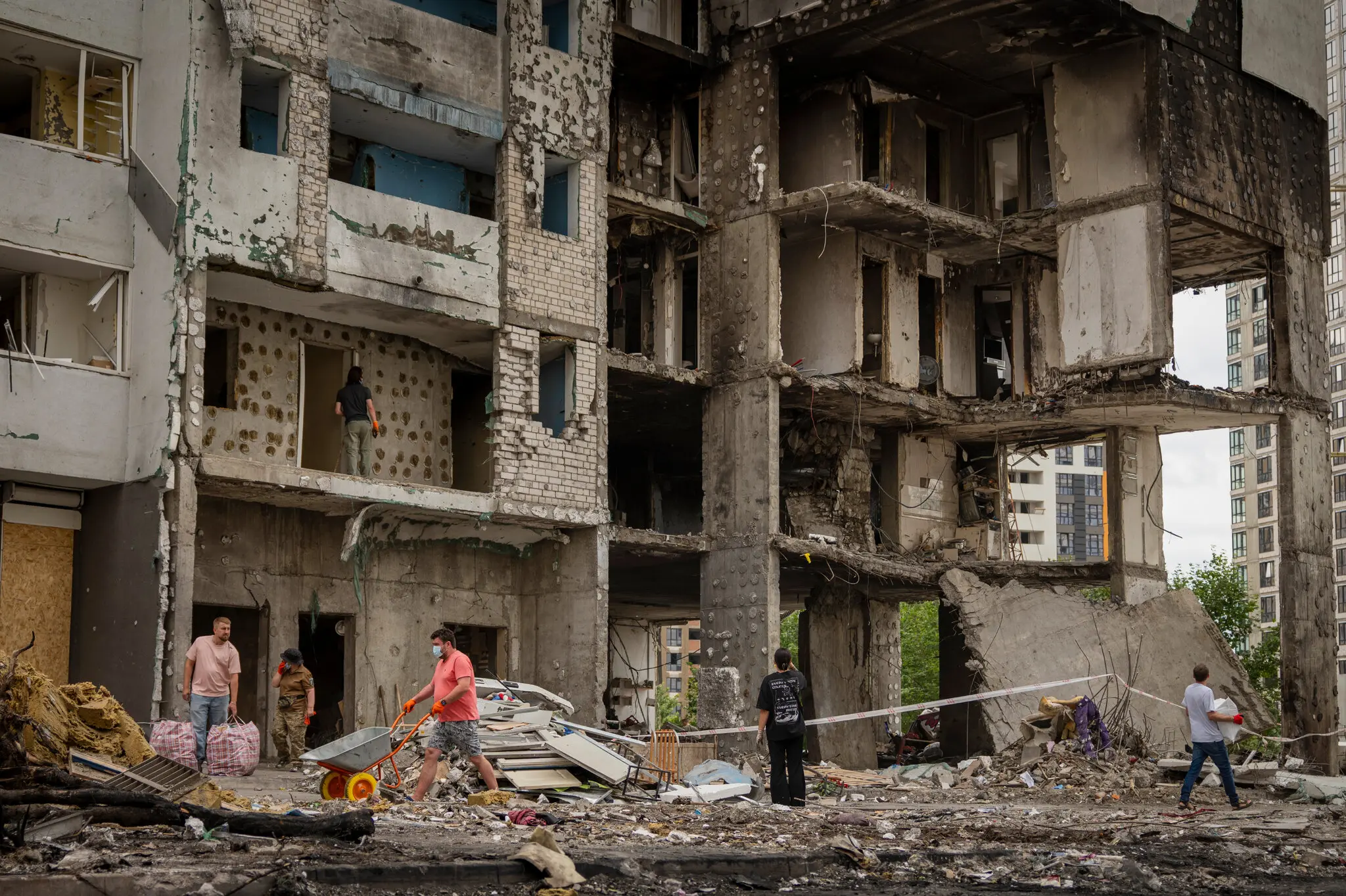
That is why the coming meeting in Islamabad looks less like the beginning of a peace process than a test of whether Washington and Tehran can even assemble a common political language after five weeks of war. Donald Trump wants to show that he can turn a shaky cease-fire into a broader settlement. Tehran wants to show that it has not been broken and still retains the power to shape the terms of the bargain. In this crisis, diplomacy does not begin after the war. It begins inside the ruins of it.
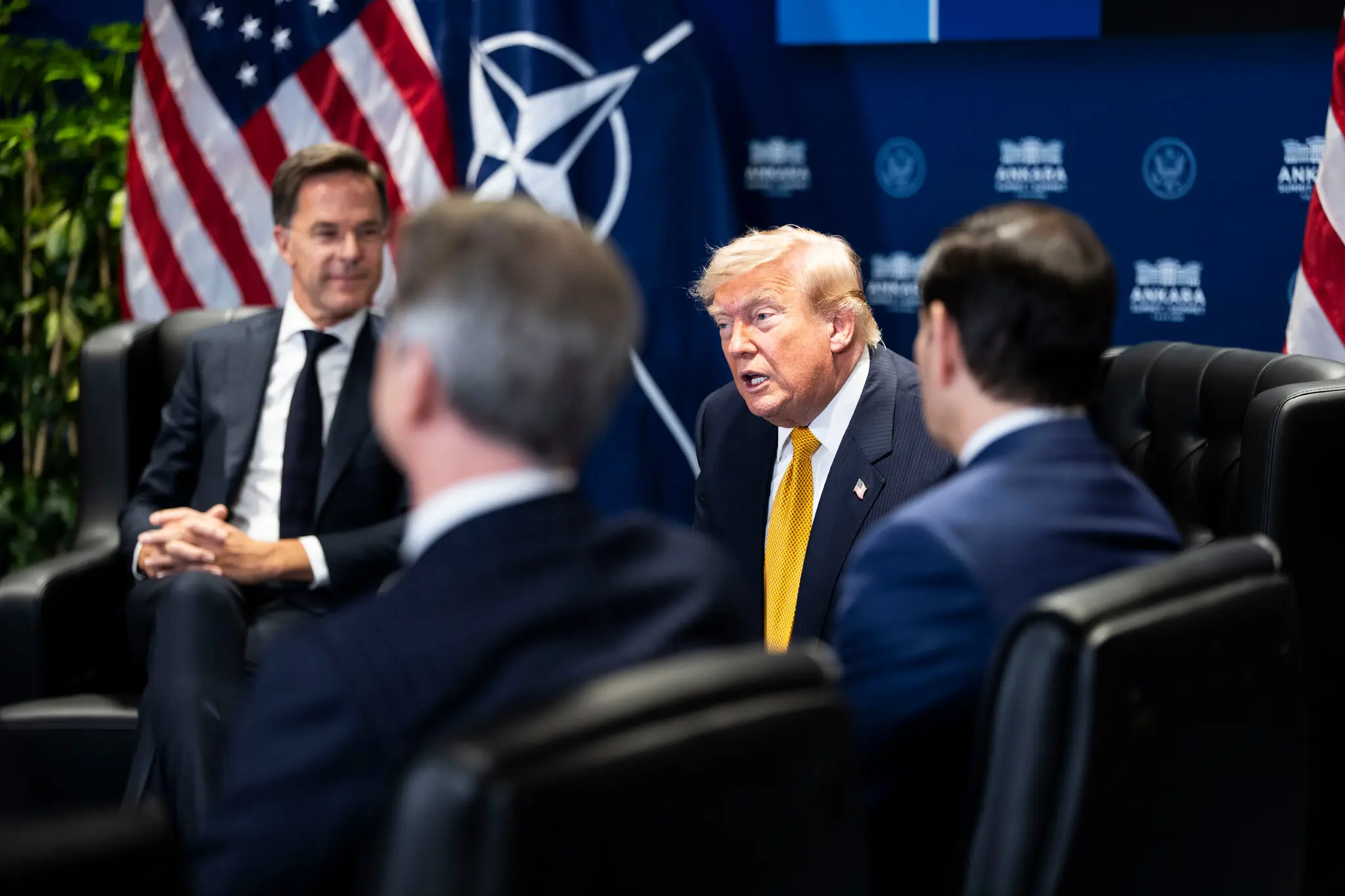
The structure of the talks makes that reality even clearer. J.D. Vance is heading to Pakistan alongside Steve Witkoff and Jared Kushner, carrying a brief that tries to bind together several issues that are not naturally compatible: the end of immediate strikes, the reopening of the Strait of Hormuz, possible sanctions relief and the future of Iran’s nuclear program. According to Daycom’s earlier analysis, this is no longer a classic peace negotiation. It is an attempt to build a minimum framework for coexistence in a moment when any full-scale grand bargain remains far out of reach.
The first danger lies in the fact that the two sides do not even agree on what has already been agreed. Iranian officials are now saying that several elements of the supposed framework have already been violated, especially by Israeli strikes on Hezbollah in Lebanon. The White House insists that Lebanon was never part of the deal. That means Washington and Tehran are approaching the same negotiating table with different maps of the same cease-fire.
This is not a technical dispute. It goes to the center of power in the region. For Tehran, Hezbollah is not an optional ally or a symbolic appendage. It is part of the regional deterrence system through which Iran projects power and protects itself. If Iran accepts a cease-fire while Israel continues to pound one of its key partners, it sends a message across the entire axis of resistance that the Iranian umbrella no longer guarantees cover in the decisive moment. For Washington, by contrast, including Lebanon in the truce would immediately widen America’s responsibility for Israeli behavior.
That is the crack running through the entire arrangement. Trump speaks of the talks as a path toward a real agreement, but the political reality is much harsher. Both sides are trying first to improve their bargaining position and only afterward to discuss the substance of peace. Iran is using public rhetoric to argue that the United States and its ally are already hollowing out the cease-fire. The White House is trying to cast Tehran as a government that is publicly inflating its demands in order to negotiate from apparent strength.
The nuclear issue makes the gap even more dangerous. Iran continues to insist on what it describes as its sovereign right to enrich uranium on its own soil. Washington continues to insist that zero enrichment remains nonnegotiable. That distance is so wide that it leaves almost no room for a rapid comprehensive agreement. On the core issue, both sides are still standing where they stood before the war, only now with more destruction behind them and less trust to spend.
That is why a narrower outcome is beginning to look more plausible than a grand settlement. Instead of a sweeping nuclear accord, the two sides may end up reaching a series of smaller, tactical understandings: partial arrangements on the Strait of Hormuz, limited sanctions relief, technical channels for communication and some mechanism to reduce the chance of renewed attacks. Such a structure would not resolve the central conflict. It would merely slow its return. But in a crisis like this, time itself becomes a strategic asset.
Hormuz remains one of the most important levers in the entire confrontation. Despite the cease-fire, normal shipping has not returned at meaningful scale. That means Iran is still holding the most painful instrument of pressure it has over global markets, oil prices and the domestic political nerves of the United States. As long as tankers are not moving normally, no diplomatic optimism looks fully credible. Peace is not measured by statements. It is measured by whether the infrastructure of world trade begins functioning again without coercion or fear.
For Trump, that creates a double risk. He wants to present himself as the president who stopped a war and forced Iran to negotiate. But any deal that looks too soft will immediately expose him to attack at home. Iran hawks are already signaling that a convenience arrangement that leaves the nuclear issue unresolved will look like weakness. Rising energy prices, voter fatigue and restlessness within his own political camp only sharpen that danger.
Iran is not entering these talks from a position of comfort either, despite its triumphalist rhetoric. The war has dealt heavy blows to the country’s military command and political leadership. Yet that very damage makes symbolic capitulation even less likely. A regime that celebrates victory at home cannot then appear in Islamabad only to accept American terms in public. That is why Tehran’s rhetoric is so hard before the closed-door talks even begin. It is negotiating outward as much as inward.
Vance’s presence in the delegation is therefore more than a staffing detail. It is a signal. Unlike many of the hawks around Trump, he has long been skeptical of a major war with Iran. Tehran may read his involvement as evidence that at least one center of influence inside the White House prefers a controlled exit to endless escalation. But that signal will matter only so much if the broader American negotiating machine continues to rely on a narrow circle of politically trusted envoys without deep institutional expertise on Iran.
That is another weakness in Washington’s position. Once again, extremely high stakes are being placed in the hands of figures who are close to Trump, but not necessarily steeped in the long history of Iranian nuclear diplomacy, the internal logic of the regime or the methodical way Tehran tends to bargain, stall and extract concessions over time. Personal access to the president is not the same thing as strategic depth. Iran, by contrast, enters such talks with negotiators accustomed to attrition, ambiguity and long tactical patience.
Israel remains the most unpredictable variable in the entire picture. It may yet decide that the pause works against its longer war aims, particularly if those aims extend beyond deterrence into the deeper weakening of the Iranian regime itself. If that happens, the diplomatic corridor could close quickly. In that sense, Trump is not negotiating only with Tehran. He is also dependent on how far an ally is prepared to push military objectives that already run beyond the limits of Washington’s public formula.
The new deadline facing the United States and Iran is therefore not a date of breakthrough. It is a date for testing illusions. Can a cease-fire hold when the two sides dispute its basic terms. Can nuclear talks begin while Lebanon remains unresolved. Can oil anxiety fall while Hormuz is still only conditionally open. Can any of this be sold as peace when the central conflicts have not been solved, only postponed.
That is the hardest truth about Islamabad. It is unlikely to resolve the crisis. What it may do is reveal whether Washington and Tehran can move from war to managed bargaining without sliding immediately back into open confrontation. If they can, the world will get a dirty, incomplete but usable truce. If they cannot, this pause will be remembered as little more than a brief interval between blows, a moment in which diplomacy managed, for a few days, to call itself peace.