


















Ukraine’s southern Kherson region has lived through another day in which the war did not look like a major offensive, but carried an exact human cost. Five people were killed in three separate Russian attacks — in the city, at a petrol station and in a village north of the regional capital.
In Kherson, a strike on a residential district killed three elderly people. Their bodies were found in damaged homes. It is one of the cruelest details of the war in the south: death often comes not to a front-line position, but to a room where a person may no longer be able to flee quickly.
Another attack hit a petrol station north of the city. One person was killed and seven were wounded. Later, an evening drone strike killed a man in a nearby village. This is the geography of a Kherson day: a house, a road, a petrol station, a village — ordinary places of life turned into targets.
According to Daycom’s assessment, Kherson remains one of the harshest examples of war after liberation. Ukraine retook the regional capital, but it did not restore safety to it. The city was freed from Russian troops in its streets, but not from Russian fire.
After withdrawing from the western bank of the Dnipro River, Russian forces retained the ability to strike Kherson and nearby settlements from the opposite bank with drones, artillery, mortars and guided munitions. For civilians, this means living within constant reach.
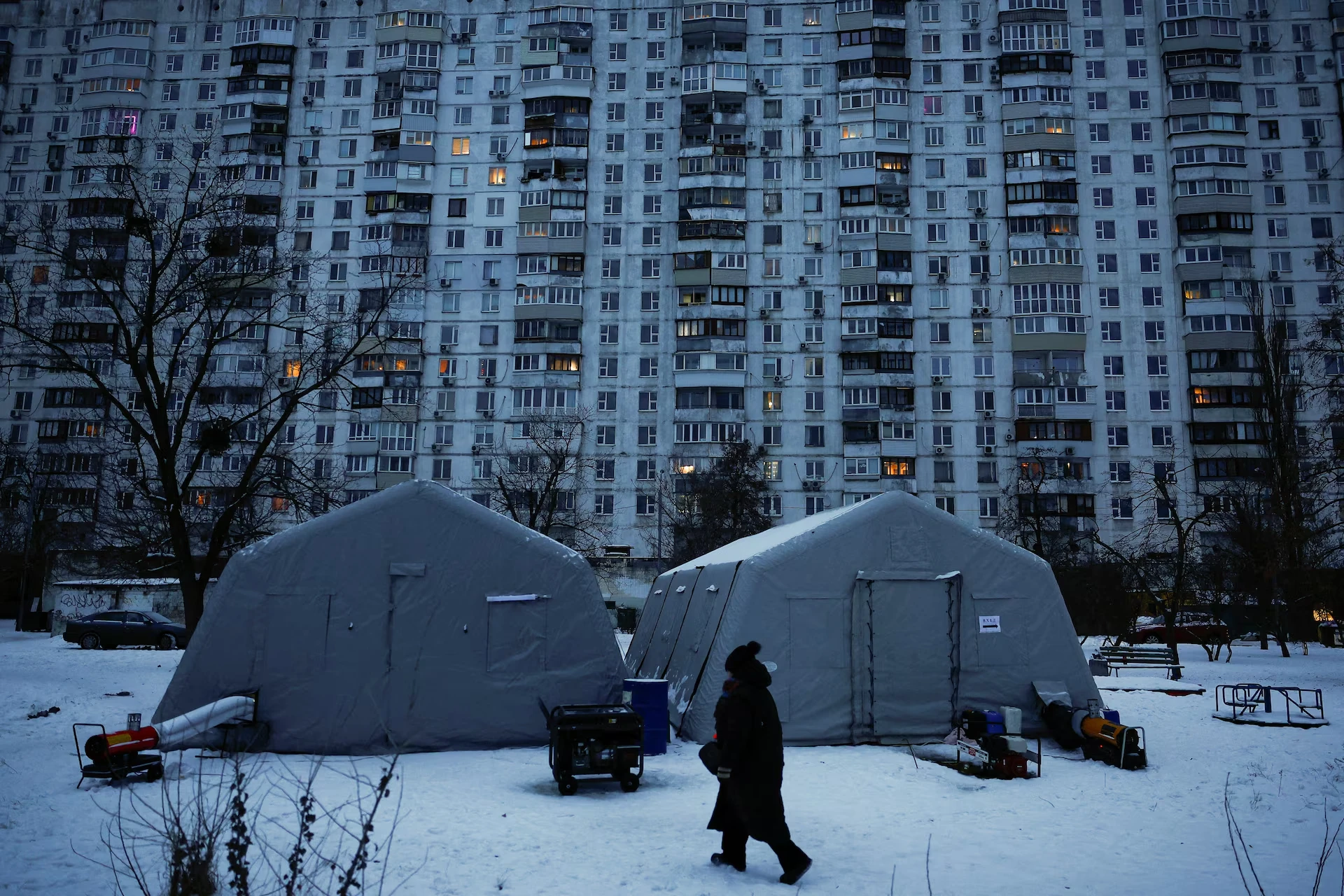
Kherson has become a city where the front is not always visible, but is heard and felt every day. There is no real illusion of rear safety. Distance from danger is measured not in dozens of kilometers, but in the flight time of a shell or drone. People can be at home, at work, near a shop or at a petrol station and still be inside the strike zone.
The deaths of three elderly people in damaged homes reveal the social structure of this vulnerability. Younger and more mobile residents are more likely to have left, or to react faster to danger. Older people often remain because of illness, poverty, attachment to home or the impossibility of starting life again somewhere else.
For them, evacuation is not a simple decision. It means losing an apartment, a yard, neighbors, family graves, a familiar route to the shop and the entire system that held life together. That is why old age itself becomes an added risk factor in front-line communities.
Russian attacks on Kherson have not only a military function, but a psychological one. They are meant to show that liberated territories cannot live normally, that the return of the Ukrainian flag does not mean the return of calm, and that civilian life can be slowly exhausted without a large operation.
This is pressure delivered in small doses. One day, a house. Another day, a minibus. Then a market, a hospital, a farm, a petrol station, a rural road. Each strike may appear local, but together they form a system in which no one knows whether the next sound will be the last.
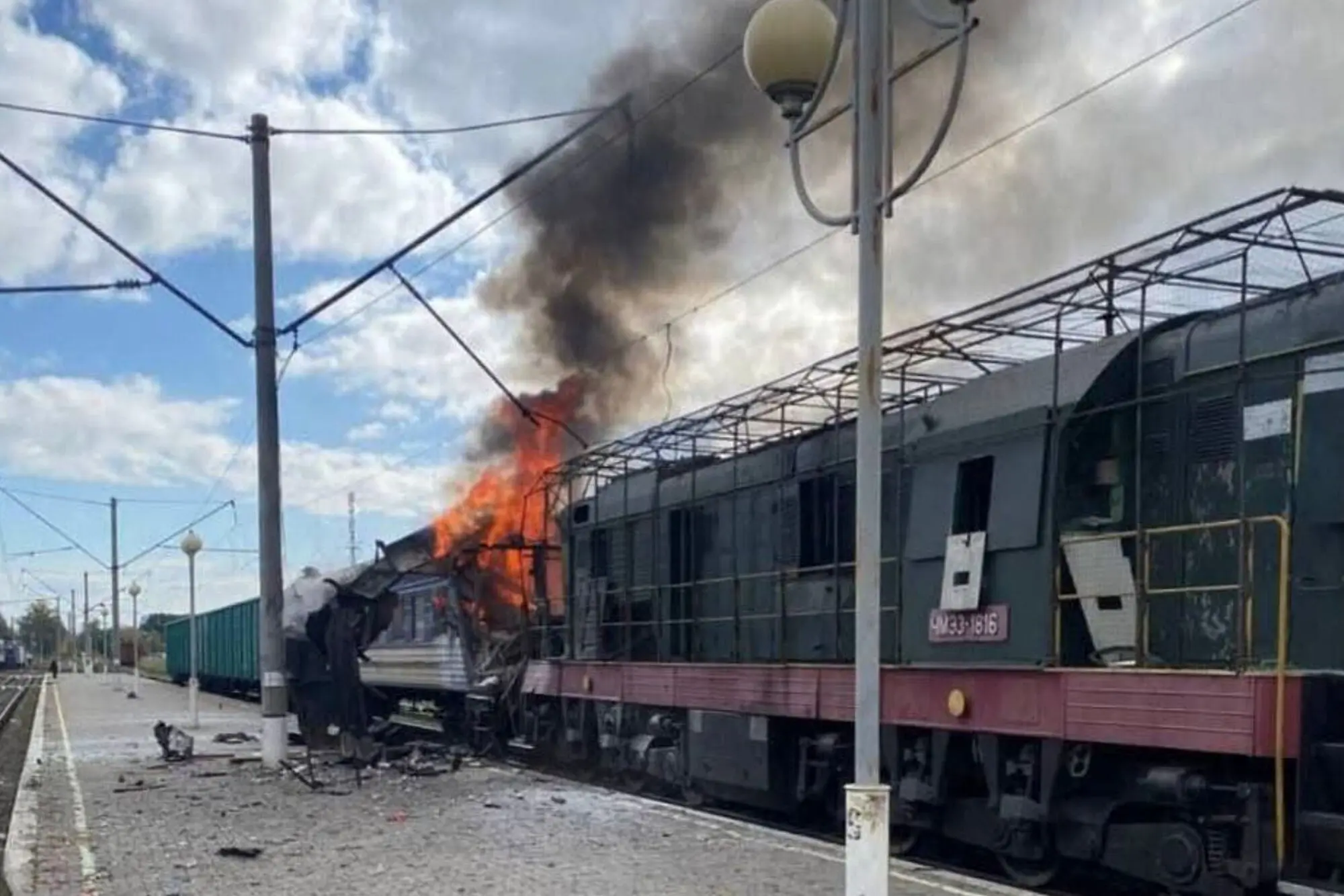
The attack on the petrol station shows another part of this logic. Infrastructure of survival becomes vulnerable as much as military targets. Petrol stations, repair workshops, power lines, warehouses, transport hubs and roads keep front-line communities functioning. A strike on them hits not only individual people, but the ability of an entire district to keep going.
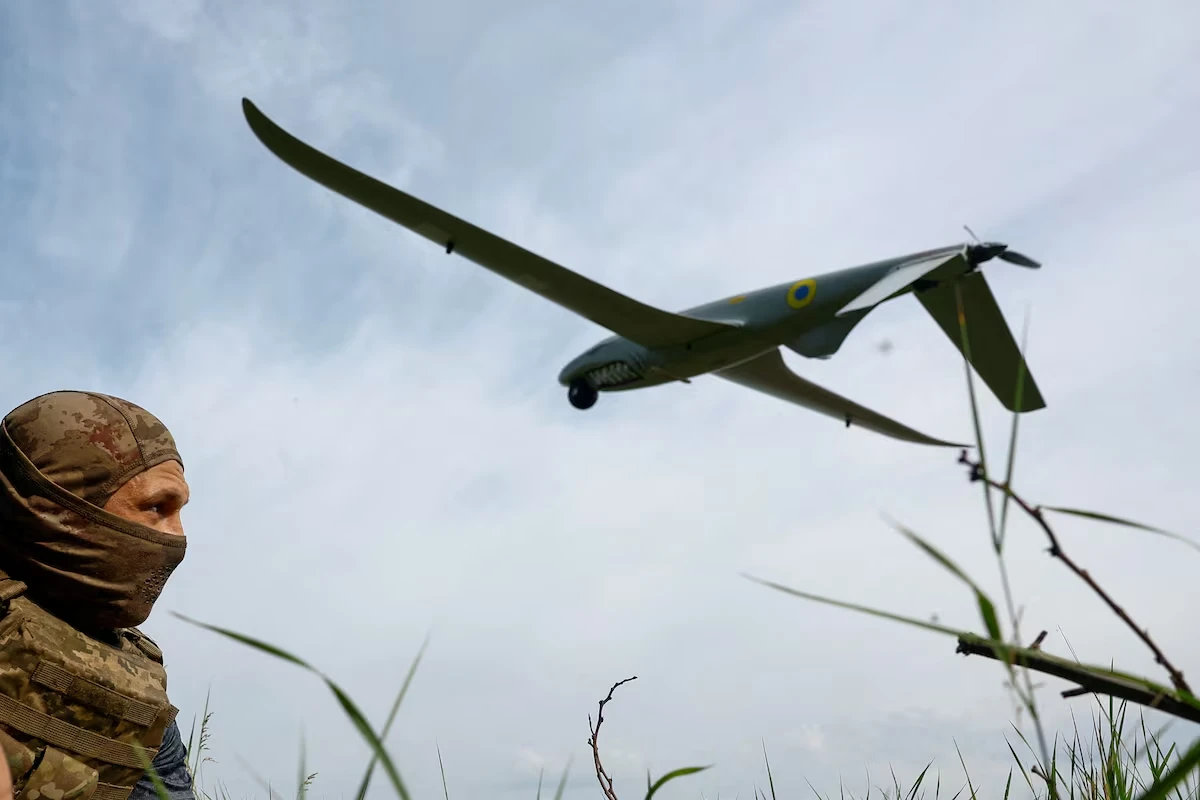
The drone strike on the village adds another layer of precision threat. Drones have changed the daily experience of war. They can track vehicles, individuals, yards, machinery and movement on roads. For villages around Kherson, even silence no longer guarantees safety.
Kherson is one of the four Ukrainian regions Moscow illegally claimed as its own after the full-scale invasion. That claim is especially cynical against the backdrop of daily strikes on the region’s residents. Russia calls the territory “its own,” yet treats it as a space for punishment.
In the first months of the invasion, Russian forces seized much of the region. Ukraine later recaptured Kherson and parts of the western bank. Since then, the region has existed in a torn condition: one part under Ukrainian control and constant fire, another under occupation, pressure and military use.
That unfinished reality is what makes the region so painful. Kherson is neither a distant rear nor a classic front line. It exists in between, where civilians carry the daily risks of the front but do not always receive the attention the world gives to major offensives or mass missile strikes on capitals.
Reports of a driver killed by a Ukrainian drone across the border in Russia’s Belgorod region are another reminder that border warfare increasingly touches civilians on both sides. But there remains a fundamental difference: Russia launched the full-scale invasion and turned Ukraine’s south and borderlands into zones of constant fire.
Both sides deny deliberately targeting civilians. Yet for Kherson, that legal formula changes little in daily life. When elderly people are found in destroyed homes and a petrol station becomes a place of death and injury, civilians are already carrying the main burden of the war.
Kherson needs not only a military response, but a sustained system for protecting life: evacuation routes, shelters, mobile medicine, support for elderly residents, infrastructure repair, anti-drone measures and constant attention to small settlements that often disappear from headlines.
The war in Kherson is not measured only by major operations. It is measured by the names of people who did not survive another day in their own home, near a road or in a village. This kind of war becomes invisible to the world fastest — and breaks those who remain most deeply.
Five deaths in Kherson region are not an episode on the edge of the larger front. They are a reminder that the struggle for a territory does not end after liberation. Russia no longer controls Kherson, but it tries every day to prove that it can still control fear there.