


















Sergii Koretskyi has become Ukraine’s prime minister at a moment when the office looks less like a political prize than an engineering task under fire. His appointment marks a shift in emphasis: after disputes over drones, defense and ministerial conflicts, Volodymyr Zelenskyy is placing energy at the center of government.
Koretskyi is Ukraine’s third wartime prime minister. Unlike many Ukrainian heads of government, he does not come from a party hierarchy or parliamentary school. His biography is built around the energy business, state companies, oil, gas, networks, financing and the management of large systems.
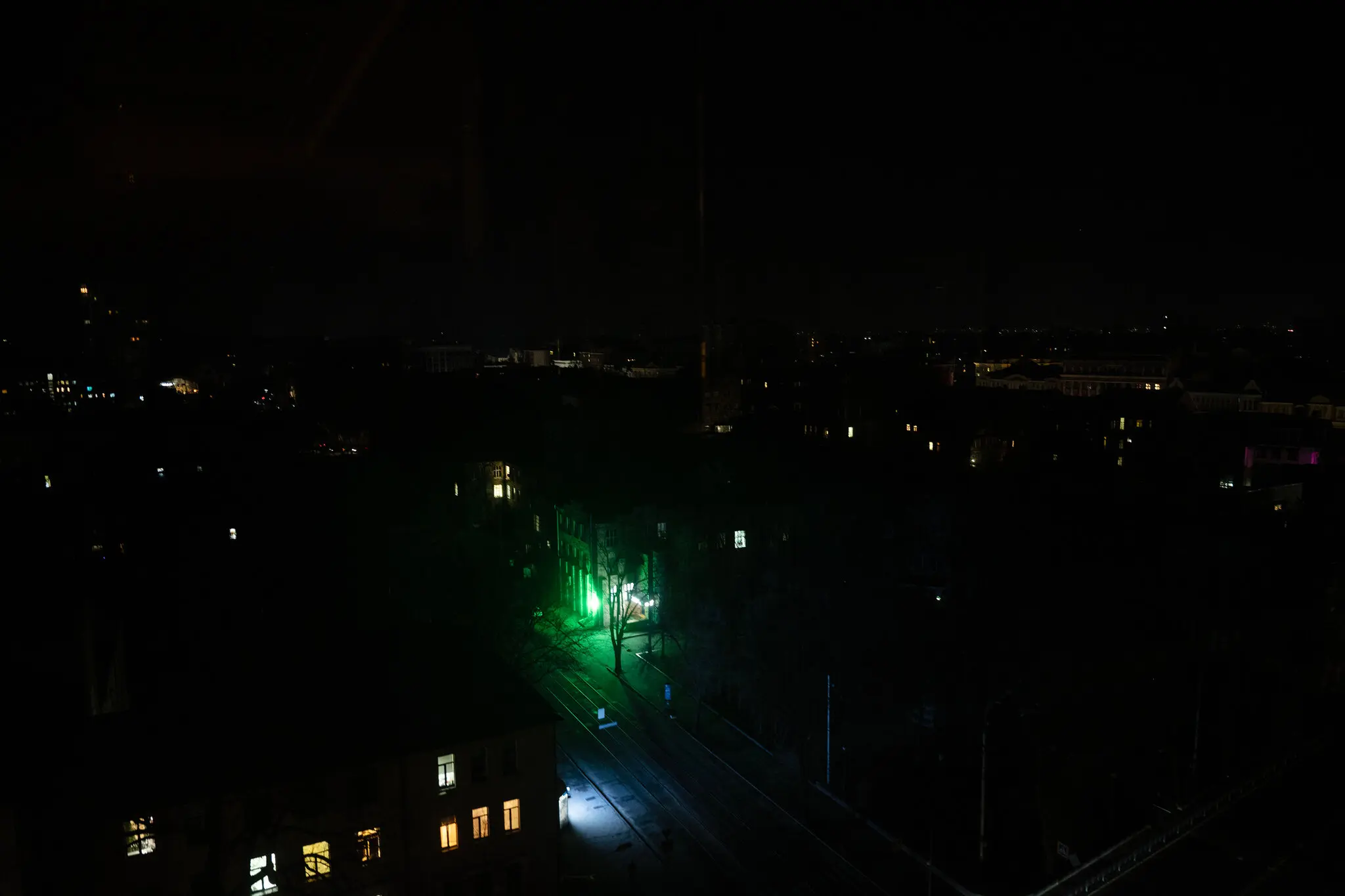
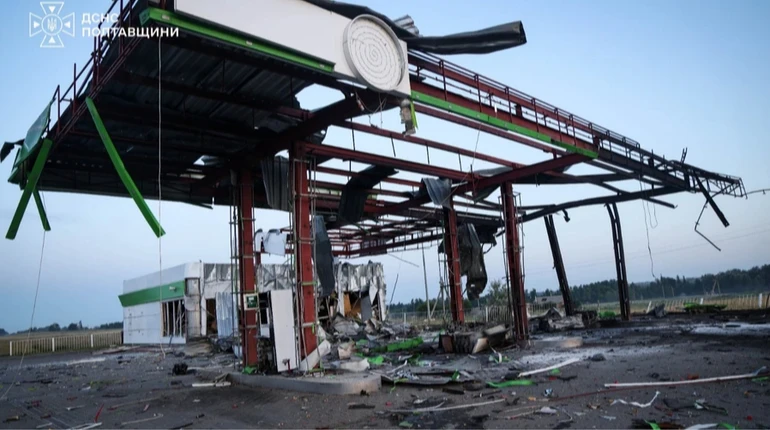
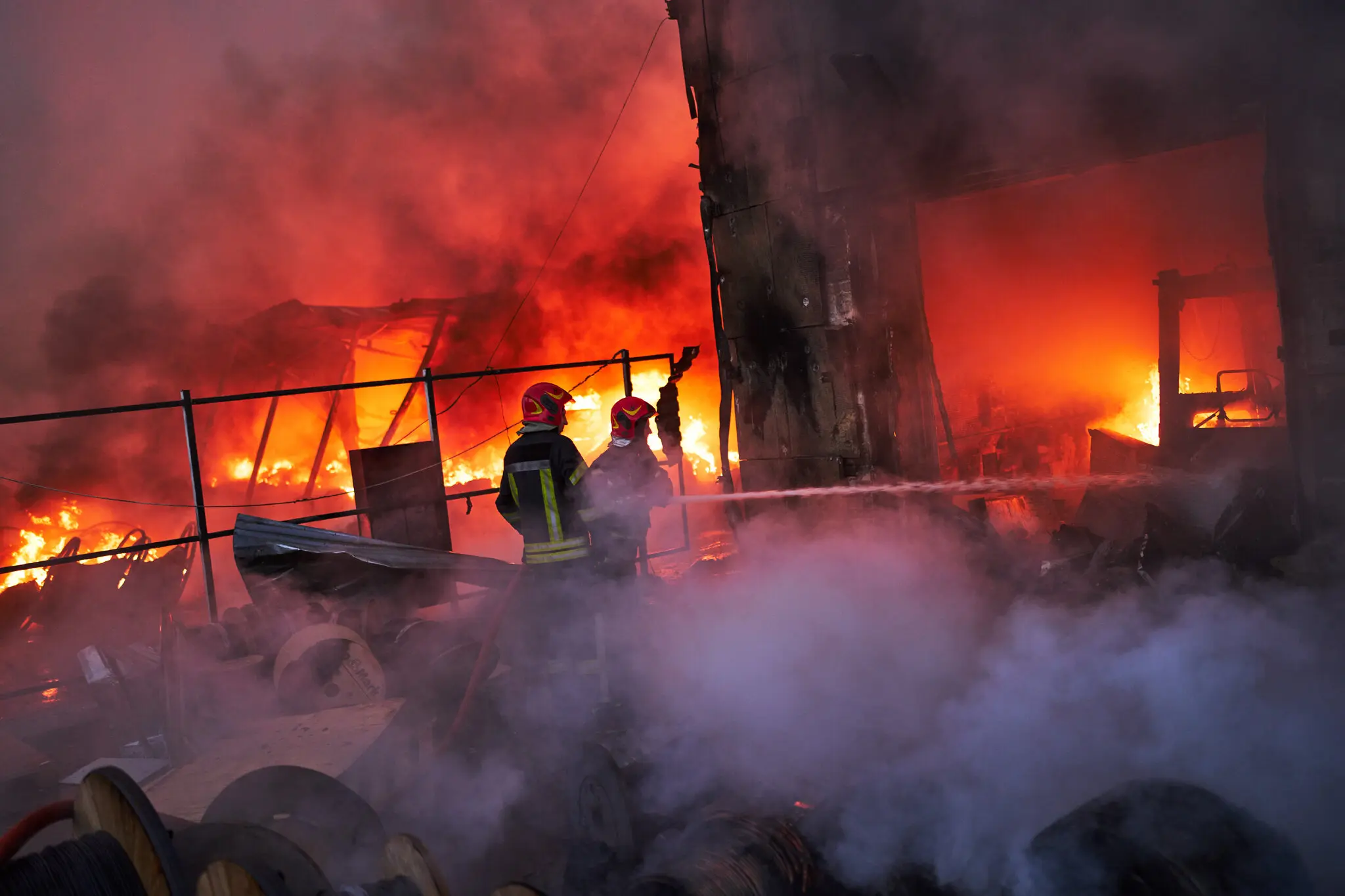
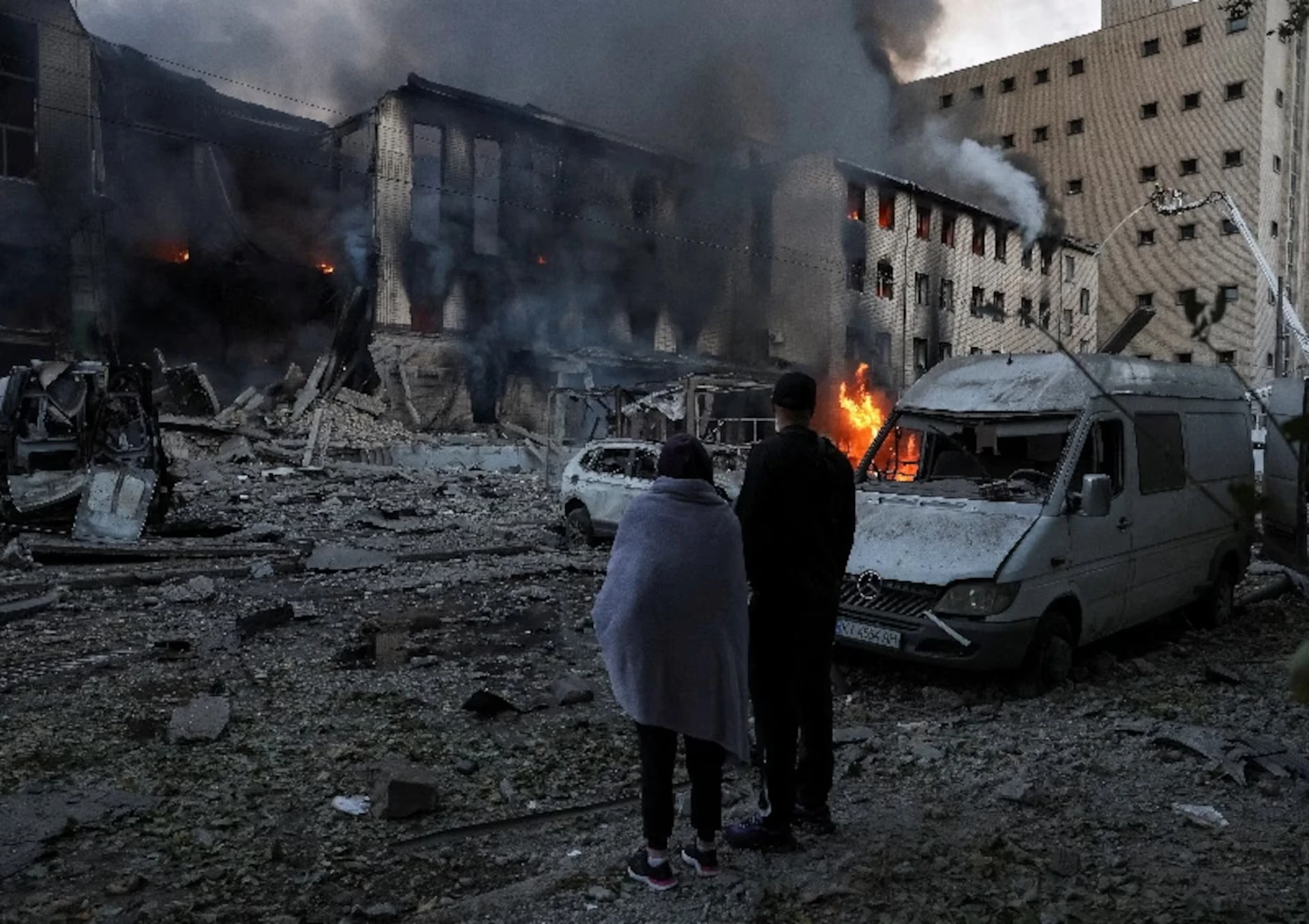
The appointment is easy to understand through the calendar of war. Ukraine is heading into another winter after the heaviest attacks on its energy infrastructure. Russia is striking not only the front line, but apartments, boiler houses, transformers, pumping stations and the gas balance. In such a war, a prime minister becomes not only an administrator, but the official responsible for the endurance of the rear.
According to Daycom’s assessment, Koretskyi’s selection shows that Zelenskyy is looking not for a political speaker, but for an operational manager for the most vulnerable season. Energy is no longer a sectoral issue. It has become part of defense, social stability, the economy and trust in the state.
Koretskyi is 48. He is trained as an engineer and economist and has more than two decades of experience in the energy sector. His career has included oil production, refining, fuel retail, wholesale management, international financing and leadership of large corporate structures.
Since May 2025, he had led Naftogaz, one of Ukraine’s largest state companies, responsible for a significant share of gas production, imports and supply. Before that, he headed Ukrnafta, the country’s largest oil company and part of the Naftogaz group.
His earlier experience in the private sector also matters. Koretskyi led Western Oil Group, Continuum Group and one of Ukraine’s largest gas station chains, WOG. This is not the biography of an official who spent his whole life moving through offices. It is the biography of a manager who worked with markets, fuel, logistics, prices, credit and operational discipline.
In peacetime, such a career would have meant a technocratic bet. In war, it carries a different meaning. Fuel, gas, electricity and heat are not merely economic resources. They are the ability of the army to move, cities to live, factories to operate, hospitals to receive the wounded and society to avoid breaking under the pressure of darkness and cold.
Koretskyi has no previous government experience and is not tied to any party. In ordinary politics, that could be a weakness. At this moment, it may become an advantage. Zelenskyy needs a figure who does not carry old factional conflicts and does not look like the representative of a separate political clan.
But political neutrality has its price. A prime minister without a party base depends on the president, the parliamentary majority and the ability to prove effectiveness quickly. In wartime Ukraine, authority does not come with the office. It must be shown through light in cities, stable tariffs, prepared reserves, fast repairs and clear decisions.
Koretskyi’s central task is preparation for winter. That sounds technical, but in reality it is one of the year’s key political tests. After massive Russian strikes on generation facilities, substations and grids, Ukraine’s energy system needs not only repair, but a new level of protection, redundancy and risk management.
The problem is compounded by a shortage of air defense systems, especially interceptors capable of stopping ballistic missiles. Even the best energy management cannot fully compensate for a lack of air defenses. If a missile hits a critical node, the prime minister is responsible not for preventing the strike, but for the speed of recovery.
That means Koretskyi’s government must work at the intersection of energy and defense. Ukraine needs protection for critical sites, mobile generation, transformer reserves, decentralized solutions, electricity imports, gas reserves, stable fuel logistics and coordination with the military. This is not classical economic policy. It is the management of a country under missile pressure.
His experience at Naftogaz may help precisely there. Ukraine’s gas system has long been not only economic infrastructure, but strategic infrastructure. It connects production, imports, storage facilities, regions, the budget and international partners. Whoever understands this system understands one of the central nerves of state resilience.
At the same time, the premiership is broader than energy. Koretskyi receives the government amid personnel turbulence, protests over the dismissal of Mykhailo Fedorov and arguments over the future of drone warfare. He will have to prove that an energy focus does not mean a narrowing of Ukraine’s war strategy.
The new government is already declaring the need to fully equip the army with different types of drones and scale the defense sector. It is the right formula, but its practical difficulty is immense. The cabinet must hold the front with technology, the rear with energy, the economy with taxes and production, and society with a sense of fairness.
Koretskyi cannot afford to be only an “energy prime minister.” If he reduces his role to winter preparation, he will fall into the trap of a narrow mandate. His real mission is to build a government machine capable of withstanding several crises at once: Russian strikes, manpower shortages at the front, air defense shortages, defense procurement, budget pressure and social exhaustion.
That is why his corporate experience will be useful, but insufficient. Companies are managed through hierarchy, metrics and financial discipline. A state at war is also managed through trust, parliament, public responsibility, regions, allies and the morale of citizens. A prime minister does not merely optimize processes. He explains why the country must endure another season of pain.
His lack of a party past may create space for technocratic decisions, but it may also make him too dependent on the presidential vertical. Ukraine has already seen how strong concentration of power helps decisions move quickly, while also creating the risk of mistakes that must later be corrected under public pressure.
Koretskyi comes after a government reset meant to create a sense of renewal, but which partly opened new lines of tension. The street has shown that Ukrainian wartime society does not remain silent when it sees a threat to the quality of the state. The new prime minister must work in this atmosphere of heightened sensitivity.
His first major advantage is concreteness. People may disagree about politics, but everyone understands what heat at home, fuel for a generator, light in a hospital, gas in storage and grid repairs after a strike mean. If the government gets through the winter better than Moscow expects, that will become Koretskyi’s political capital.
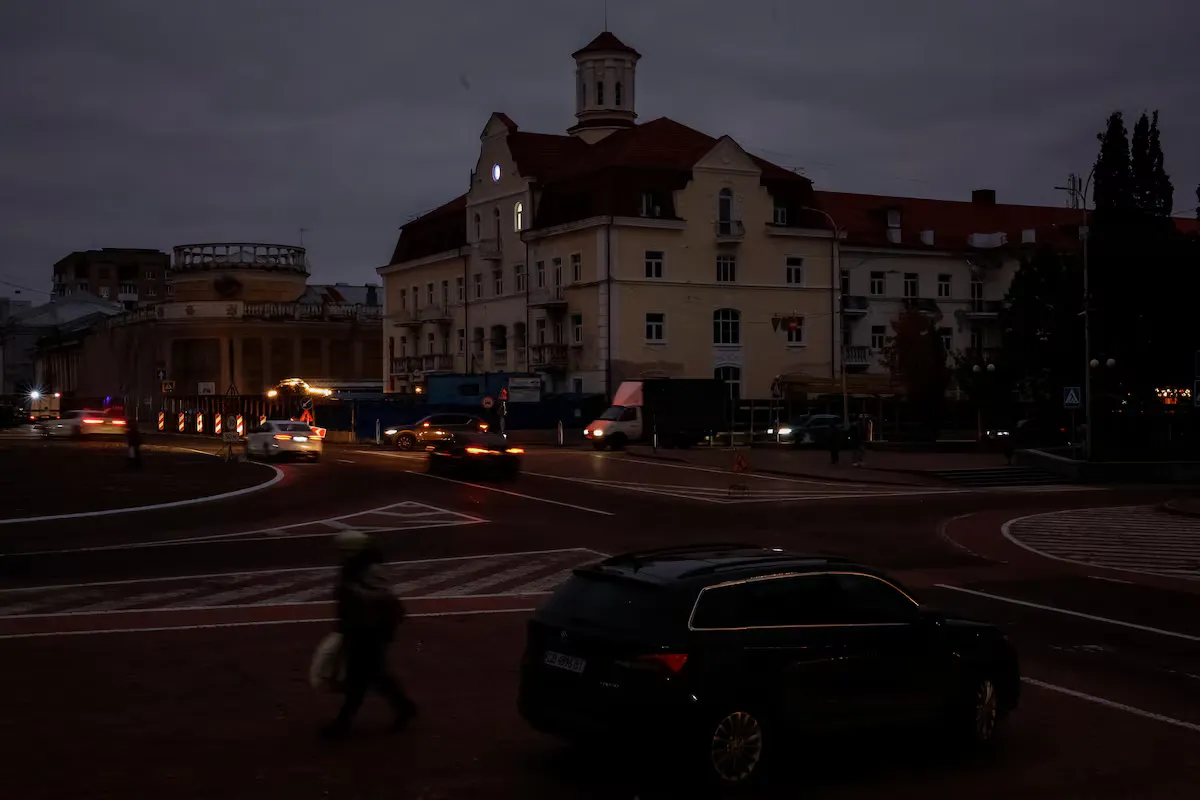
His first major risk is the same concreteness. Energy leaves little room to hide behind rhetoric. Its failures are visible immediately: dark windows, cold apartments, halted factories, fuel lines, rising prices, emergency blackouts. In this office, results will be measured not by press conferences, but by the temperature inside homes.
For Zelenskyy, appointing Koretskyi is an attempt to change the tone of government. After a period in which the main language of power was technology, defense, sanctions and diplomacy, the infrastructure state returns to the center. It repairs, supplies, reserves, insures, plans and keeps the country from physically breaking.
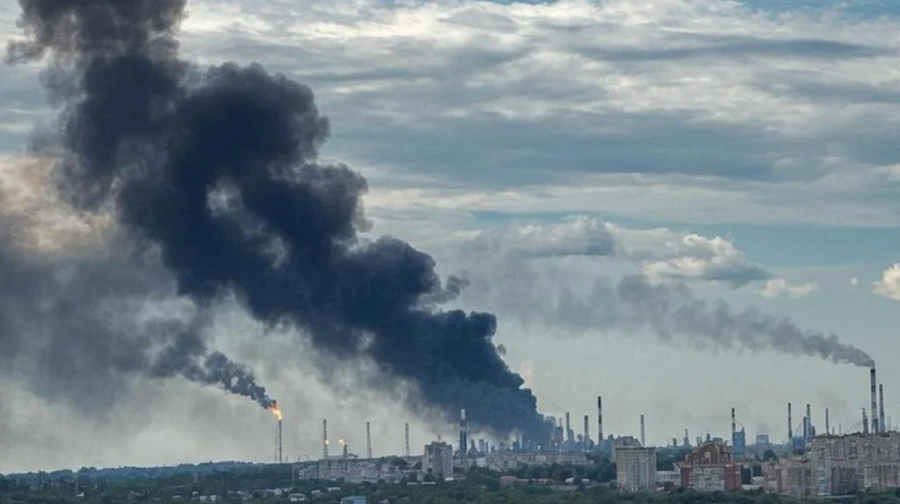
This is no less important than drone attacks on Russian refineries. Moscow has long understood that Ukrainian resilience can be attacked through sockets and radiators. If Koretskyi’s government can reduce the effect of those strikes, it will weaken one of the Kremlin’s main strategies: turning cold and darkness into political pressure.
To do that, the prime minister must move quickly. Summer and autumn in wartime energy policy are not a pause, but the last window for preparation. Repairs, purchases, agreements with partners, equipment reserves, protection of facilities, import planning and communication with local communities must happen before strikes and frost create a new reality.
Koretskyi was born in Lutsk, worked in big business, led fuel and energy structures and even built a coffee business. There is a distinctly Ukrainian trajectory in that biography: from entrepreneurship and the market into state management at a moment when the state needs not an ideologue, but a person able to assemble a system.
His success will depend on whether he can transfer managerial discipline from business into government without losing political hearing. Ukrainian society no longer sees technocracy as an automatic virtue. It wants results, but it also wants explanations, transparency and a sense that decisions are not being made behind closed doors.
That means the new prime minister must speak not only with the president and energy executives, but with cities, soldiers, entrepreneurs, donors and citizens. His main resource is not a party. It is trust in competence. That trust is given quickly to those who work precisely. It is withdrawn just as quickly if competence turns into opacity.
Ukraine is entering the next stage of the war with a government that has less room for error than any before it. The front needs drones. People need fairness. The economy needs energy. Allies need predictability. The president needs a stable executive machine. Koretskyi now sits at the center of all these demands.
His appointment is not romantic. It does not carry the image of a young digital reformer or a politician of the grand stage. It is a bet on a man of infrastructure. That may be exactly right for a moment when the central question is simple: can the state secure another winter of life for the country?
If Koretskyi passes that test, he will become not merely a technical prime minister, but one of the key managers of Ukrainian resilience. If he does not, his neutrality and professional biography will not shield him from political responsibility. In war, energy is not a sector. It is the way a state remains alive.