




















Kostiantynivka has again become the center of a major information offensive around the war in Ukraine. Russian commanders told Vladimir Putin that Moscow’s forces had allegedly captured the city, but Kyiv directly rejected the claim. President Volodymyr Zelenskyy called it another Russian lie.
Ukraine’s General Staff confirmed that Ukrainian units continue defensive operations inside the city and on its approaches. This is not an attempt to describe the situation as stable or to downplay the danger. It is a crucial distinction: heavy fighting does not equal loss of control.
That difference now carries the political weight of the entire episode. For Russia, the formula “the city has been taken” is needed as a ready-made image of victory. For Ukraine, the task is to prevent the Kremlin from replacing battlefield reality with rhetoric in which any small-group infiltration is presented as full control.
According to Daycom’s assessment, Kostiantynivka has become for Moscow not merely a military target, but a test of its ability to dictate the agenda in Donbas. If Russia can convince audiences that the city has already fallen, it gains political value before achieving an undisputed result on the ground.
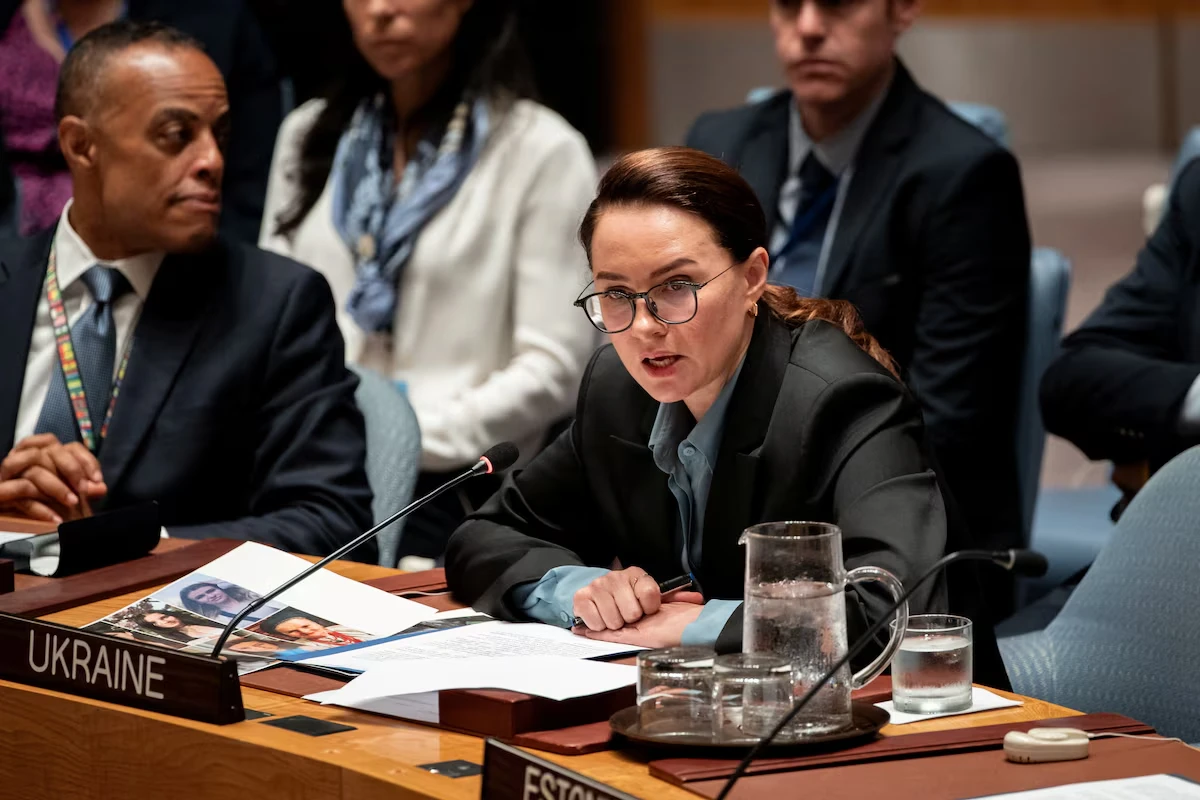
Zelenskyy responded sharply and publicly. He stressed that the claim of Russian control over Kostiantynivka was untrue and suggested that Putin meet him there if the Kremlin really considered the city its own. It was not a diplomatic gesture so much as a political challenge.
Moscow answered in its familiar style. Kremlin spokesman Dmitry Peskov said Kostiantynivka was allegedly already part of Russia and that the invitation for Zelenskyy to come to Moscow still stood. The logic was clear: not talks on neutral ground, but the imposition of conditions and symbols.
At the same time, Russia’s Defense Ministry proposed a six-hour ceasefire around the city for the handover of the bodies of fallen Ukrainian soldiers. Formally, this was a humanitarian issue. But it was tied to Moscow’s claim of Kostiantynivka’s “liberation,” a political construction Ukraine rejects.
That is why such a proposal cannot be treated only as a technical procedure. The exchange of bodies requires silence, precise routes, guarantees and trust in agreements. When a humanitarian issue is presented as proof of already established Russian control, it becomes part of information pressure.
Kostiantynivka matters to the front far beyond the limits of the city map. It is the southern element of the defensive belt shielding the approaches to Kramatorsk and Sloviansk. Its loss would give Russia a more convenient foothold for pushing north along a key line of Ukrainian defense.
This explains Moscow’s persistence around the city. Kostiantynivka is part of what is often described as Ukraine’s “fortress belt” in Donetsk region. It is not a single fortified point, but a system of cities, logistics, roads, industrial zones and high ground that supports much of the regional defense.
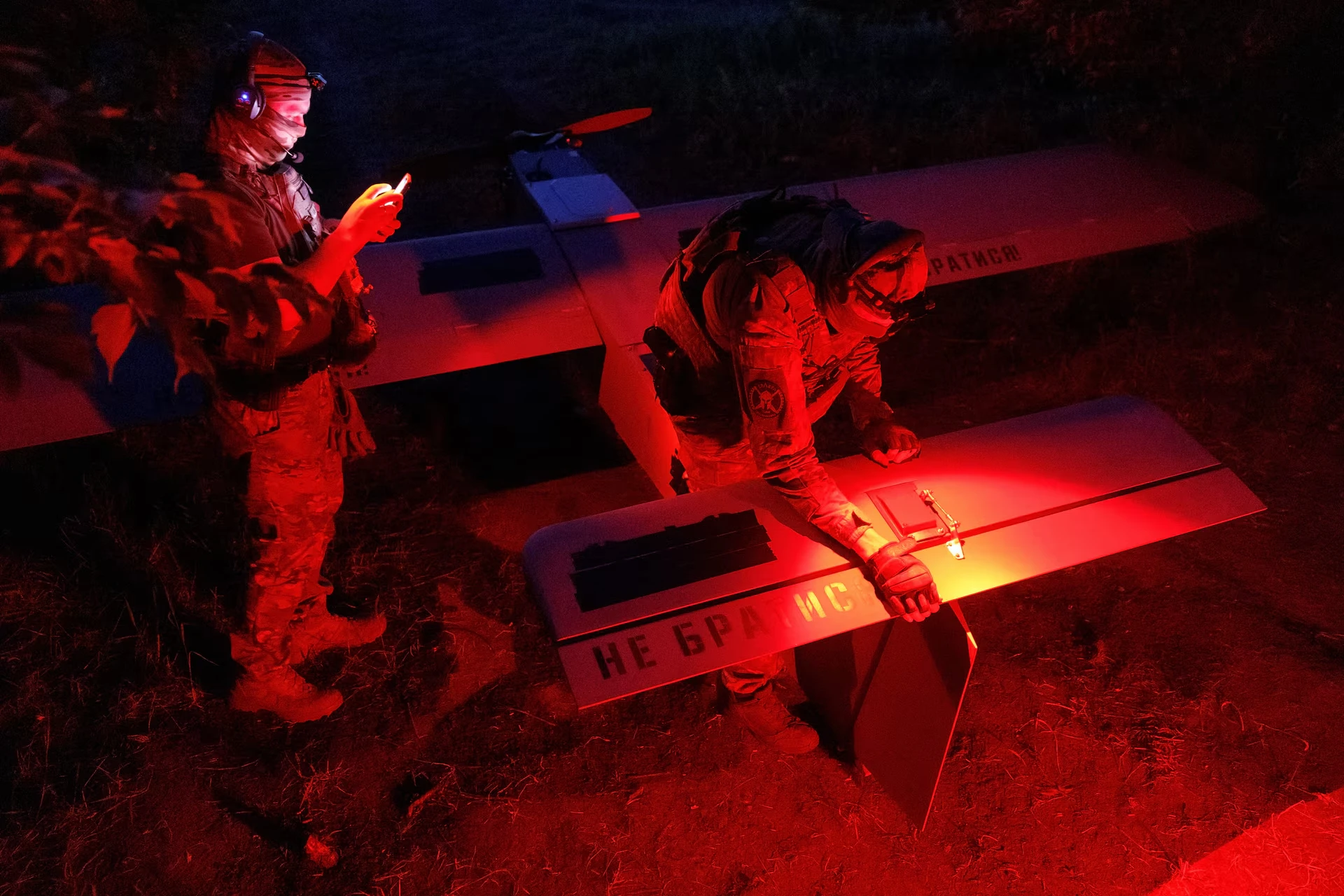
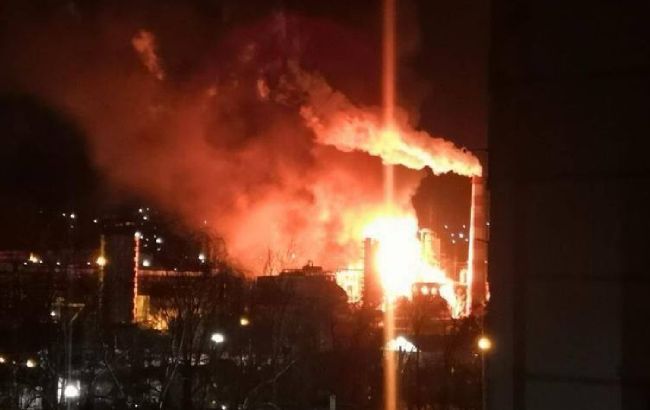
Urban battles always produce gray zones. Infantry may enter separate blocks, drones may dominate routes, artillery may tear up approaches, and the line of contact may shift street by street. But control of a city is not a video from ruins or a flag raised over a building.
Control means the ability to hold territory, maintain supply lines, evacuate the wounded, bring in reserves and avoid dependence on brief raids or accidental breakthroughs. That is what is missing from Russia’s version: it sounds like a political declaration, not a description of a completed military operation.
For Putin, Kostiantynivka also matters because Russia’s campaign in Donbas needs major names. After months of exhausting battles, the Kremlin needs a symbol of advance that can be presented as proof of the offensive’s inevitability. Small villages and tree lines cannot produce that effect.
This explains the attempt to speak at once about “clearing operations,” new battle positions, humanitarian handovers and readiness for exchanges. All these signals are meant to form one picture: Russia as the supposed master of the situation. But if Ukrainian units are still defending the city, that picture collapses.
Moscow’s claims about the capture of several other settlements in Kharkiv and Donetsk regions follow the same logic. They are designed to create the impression of a broad offensive impulse. Yet the main political focus remains on Kostiantynivka because its operational weight is far greater.
Ukraine’s response is built on a restrained but firm frame: the front is difficult, fighting continues, but the city has not been surrendered. This matters both for the military and for society. The war is fought not only for territory, but for the ability to stop the enemy from declaring reality settled before it is.
Kostiantynivka is now where three levels of war converge: tactical, operational and symbolic. Tactically, it is a fight for blocks and approaches. Operationally, it is a struggle for the defensive belt of Donetsk region. Symbolically, it is a battle over who gets to name the result before it becomes a fact.
That is why Russia’s claim of the city’s capture is dangerous not only as propaganda noise. It is an attempt to prepare political ground for further pressure: on Ukrainian society, on Kyiv’s allies, on any future negotiation track and on perceptions of the war beyond Ukraine.
As long as Ukraine’s General Staff speaks of defense inside the city and on its approaches, the key fact is not Kremlin rhetoric but the unfinished battle. Kostiantynivka has not become an undisputed Russian gain. That is why Moscow is rushing to call it its own: victories missing on the ground are being pursued through words.