






















Russia says it has captured Kostiantynivka, one of the key cities in Ukraine’s defense of Donetsk region. If confirmed, the claim would mark one of the most important changes on the eastern front in recent months and a serious blow to Ukraine’s fortified belt.
Kyiv has not publicly commented on Moscow’s assertion. That makes caution essential: this is not yet an established fact, but a Russian claim that the Kremlin immediately presented as a strategic achievement. In the battle for Donbas, information effects often run ahead of verified maps.
Vladimir Putin received the report from his commanders at a command post and described Kostiantynivka as a city of major strategic importance. In the Russian version, it appeared not merely as another point of advance, but as a transport and industrial hub of Donbas for which Moscow has fought a long and exhausting battle.
According to Daycom’s earlier analysis, Kostiantynivka’s significance extends beyond its name on the map. It is part of the line linking Sloviansk, Kramatorsk and Kostiantynivka into a defensive system that for years has held back Russia’s movement westward across Donetsk region.
Russia’s General Staff framed the claim as part of a broader operation to seize the whole of Donetsk region. In that logic, Kostiantynivka is not an end point, but an intermediate step toward pressure on the next Ukrainian defensive nodes, above all in the direction of Sloviansk and Kramatorsk.
That is why even an unconfirmed Russian claim carries political weight. The Kremlin wants to show that despite Ukrainian strikes on its rear, fuel shortages, refinery attacks and social fatigue, the Russian army can still continue its offensive and produce symbolic results.
For Putin, that demonstration is especially useful now. In recent months, Ukraine has carried the war deeper into Russian territory, striking oil infrastructure, military sites, logistics, Crimea and even the perimeter of Moscow. That erodes the Kremlin’s old promise that it could keep the war far from most Russians.
Russia’s response now has two parts. The first is strikes on Ukrainian cities, including Kyiv, where the latest attack became the deadliest on the capital this year. The second is an effort to show battlefield gains that can be presented as proof of unchanged Russian initiative.
In this structure, Kostiantynivka is both a military and propaganda target. Militarily, it raises difficult questions for Ukrainian logistics and defense west of the Bakhmut axis. Propagandistically, it allows the Kremlin to speak of the city’s “liberation” and progress toward full control of Donetsk region.
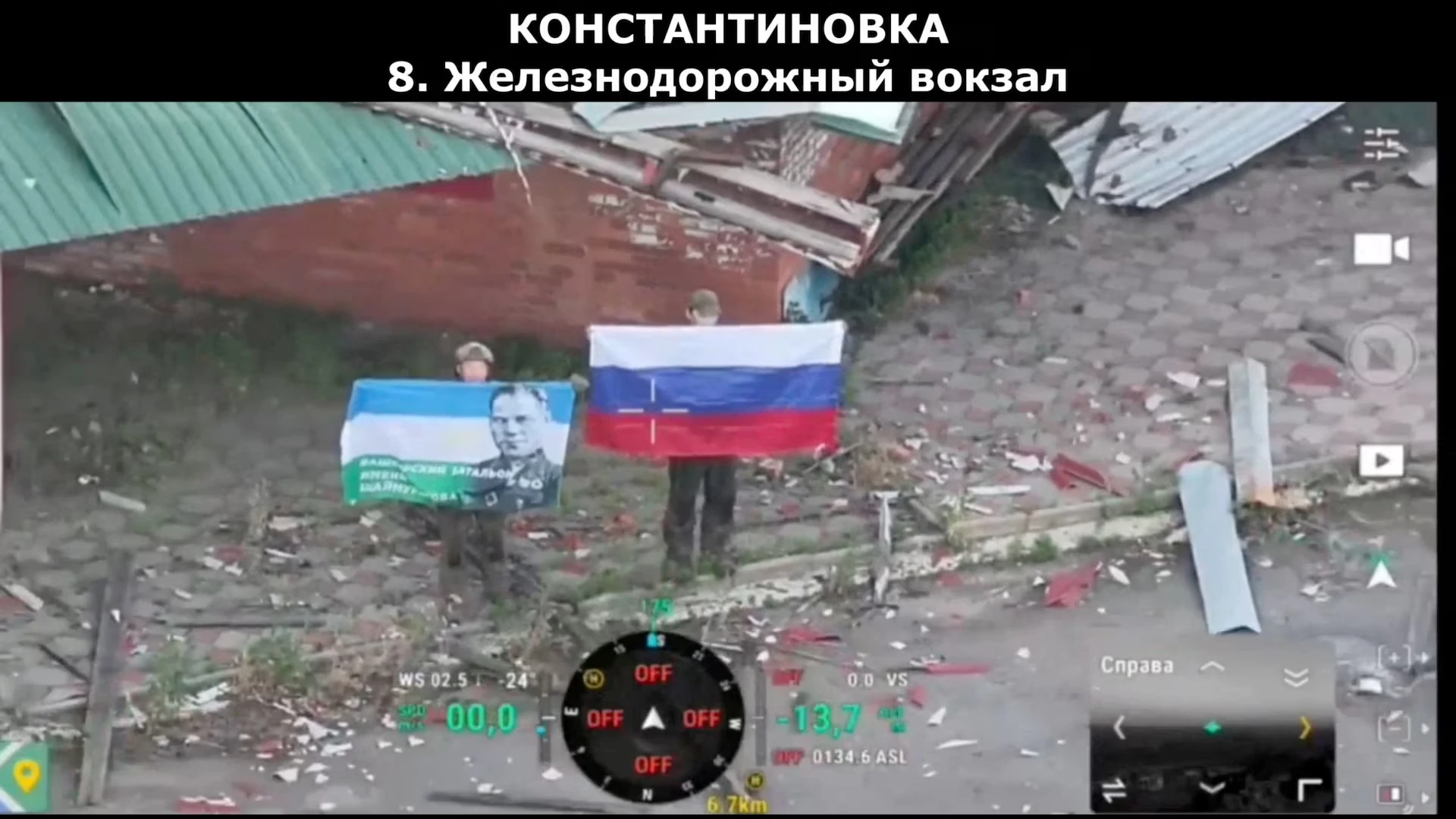
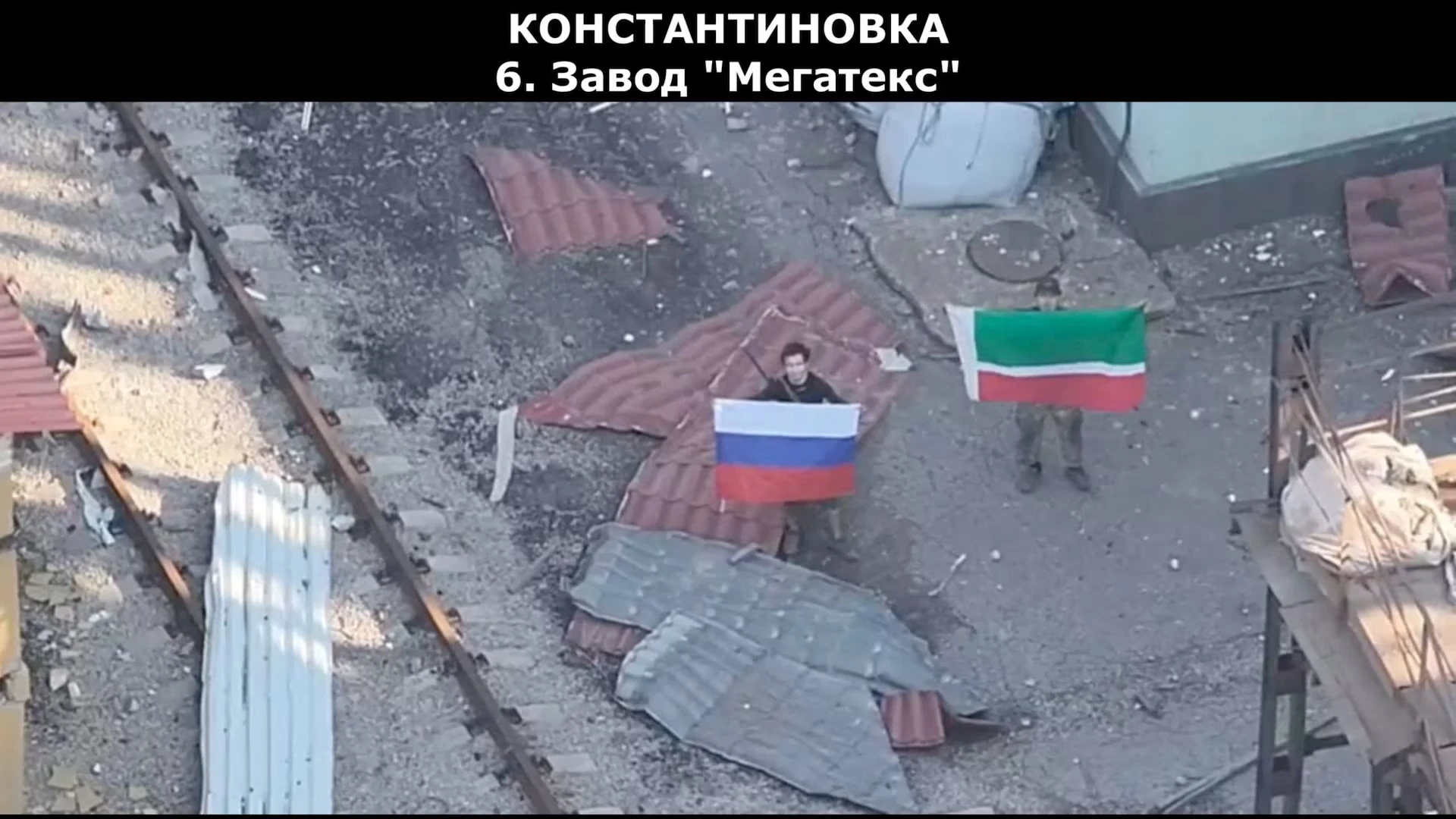
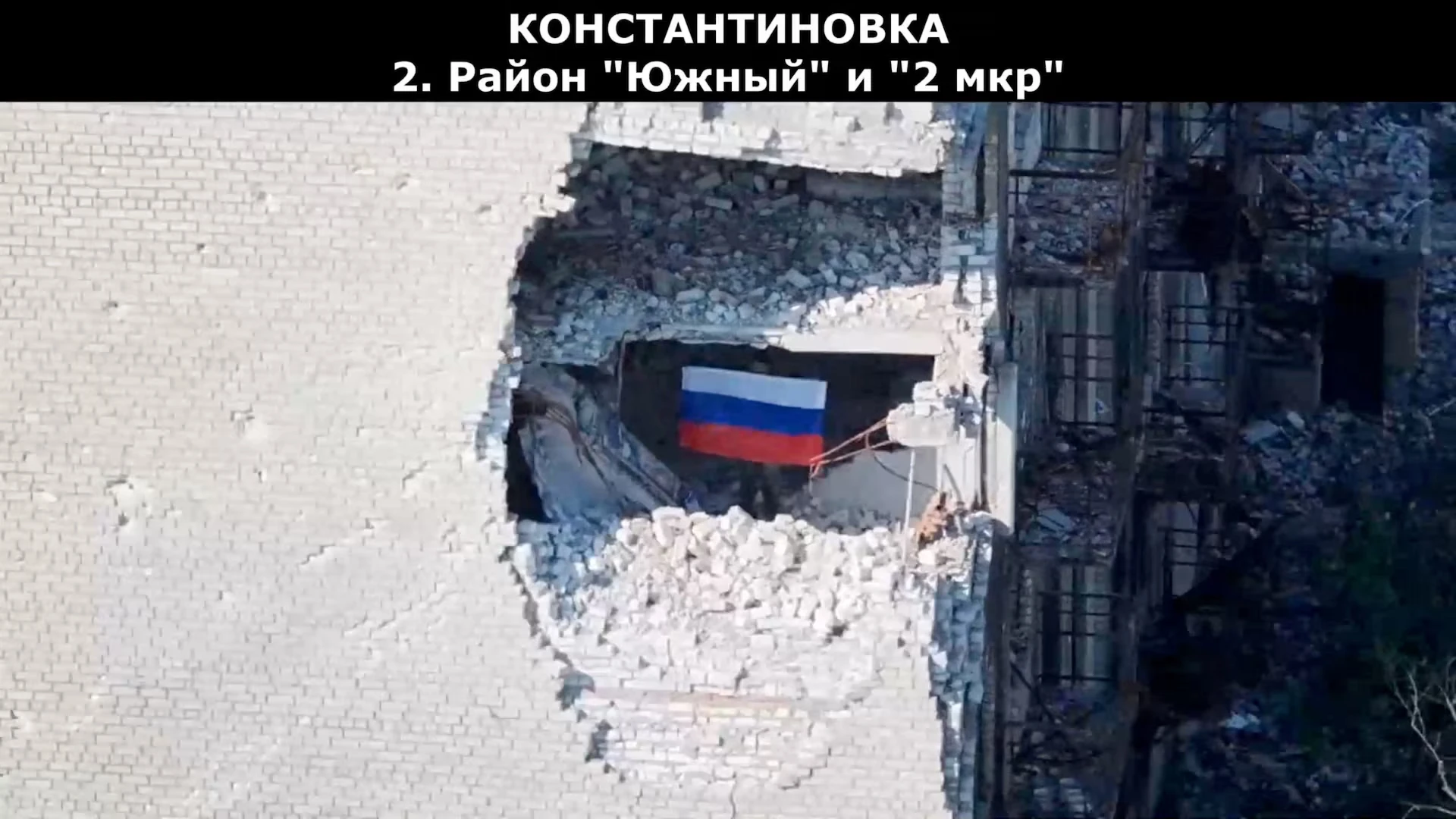
Russian channels have already circulated images of soldiers with flags beside shattered buildings. Such images have long become part of Russia’s wartime ritual: show a flag, ruins, a few troops and create the impression of a completed victory. But in Donbas, the capture of ruins does not always mean operational stability.
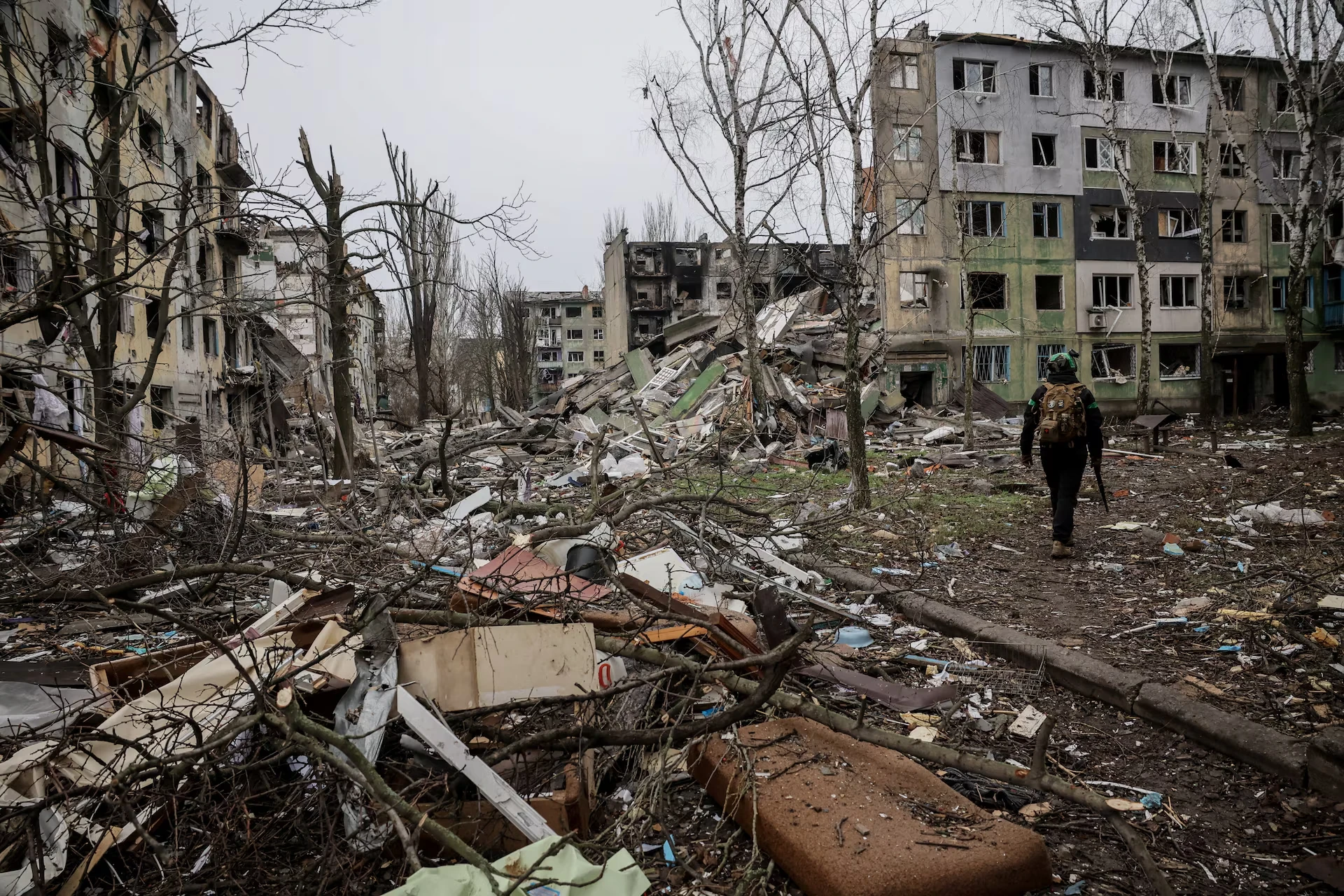
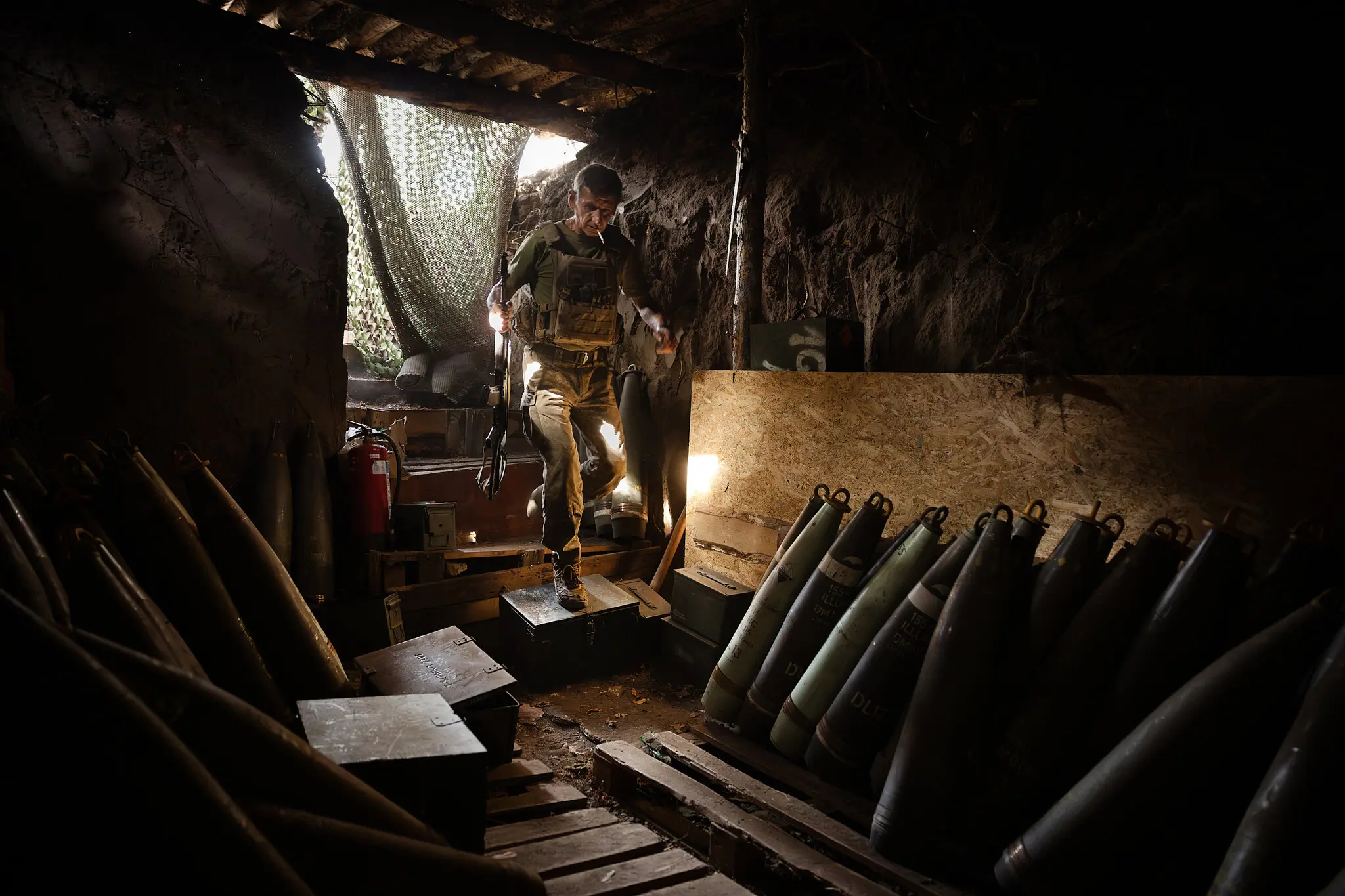

Even if Russian forces have entered the city or control a significant part of it, the next stage may not be easier. Destroyed cities absorb troops, require holding operations, clearing, logistics and constant protection from Ukrainian strikes. In a war of attrition, every captured kilometer carries a long price.
Russian commanders also spoke of closing in on Lyman, another important logistical and strategic node in northern Donetsk region. That points to Moscow’s intention to stretch pressure across several directions, forcing Ukraine to choose where to hold reserves and where to risk defensive depth.
Yet the picture is not one-sided. Ukrainian officials have repeatedly said that Russia’s advance in the east has slowed considerably since the start of the year, and that Ukrainian forces have retaken ground in some areas. The Kremlin can achieve local results, but only at a very high cost.
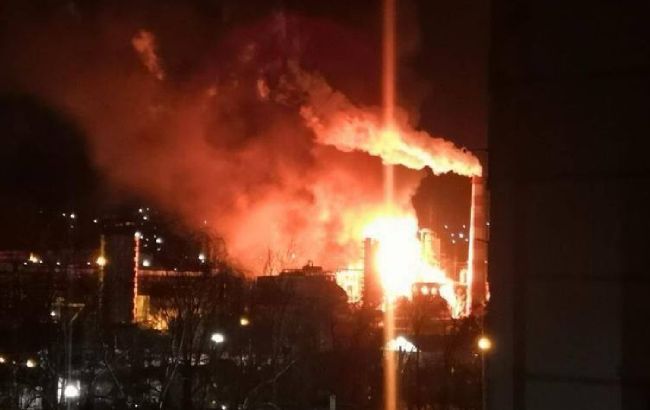
That cost is increasingly reaching Russia’s rear. Ukrainian strikes on refineries and fuel infrastructure have already caused shortages, gas-station lines and the need to seek gasoline from abroad. For a state building its war economy on oil, this is not merely an everyday inconvenience. It is a strategic signal.
Against that background, Putin spoke of the need to expand “security zones” on neighboring territory in response to Ukrainian long-range strikes. The formula is dangerous because it turns defensive rhetoric into a justification for further expansion. The Kremlin calls security what in practice means trying to push Ukraine back by force.
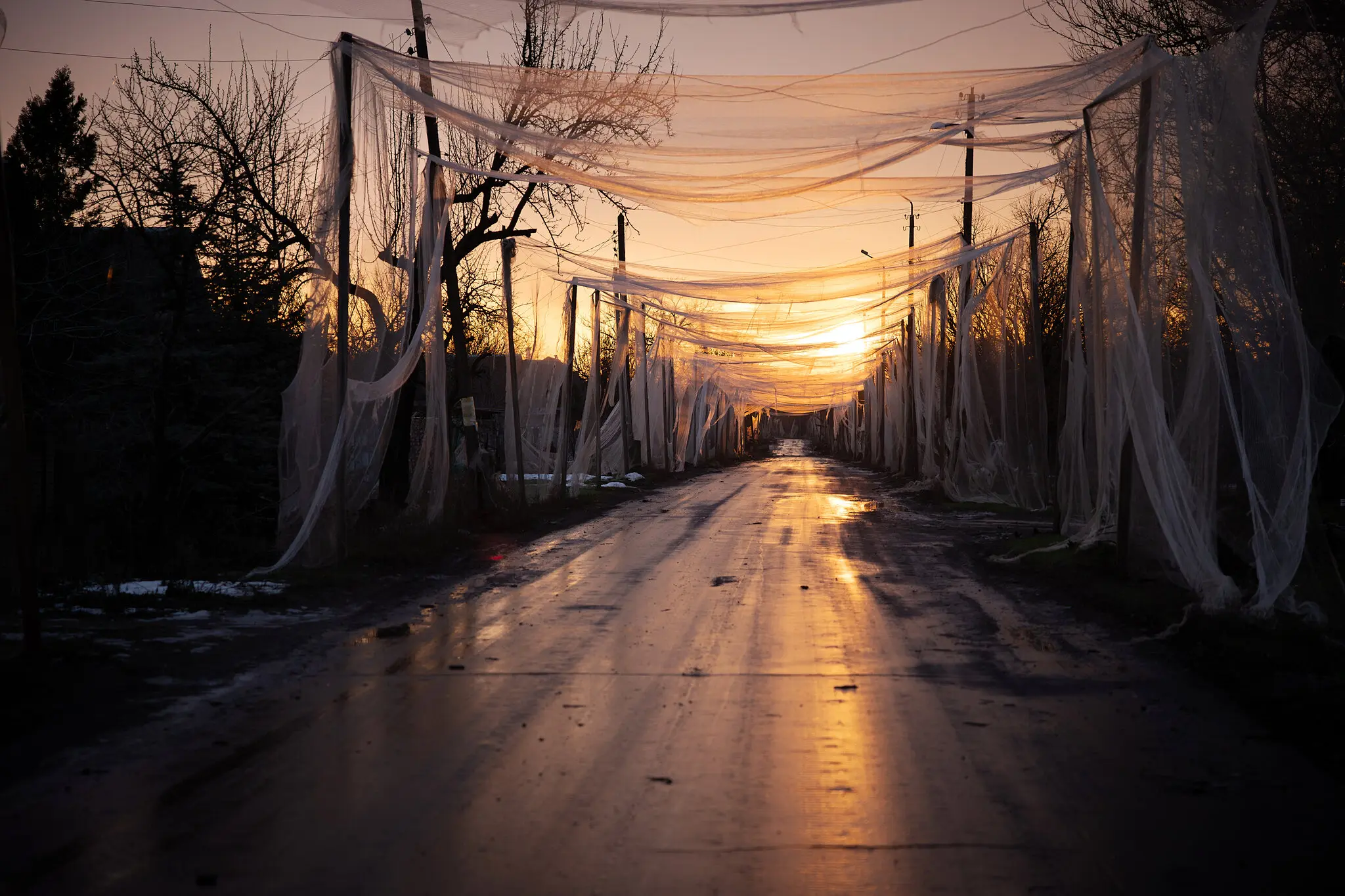
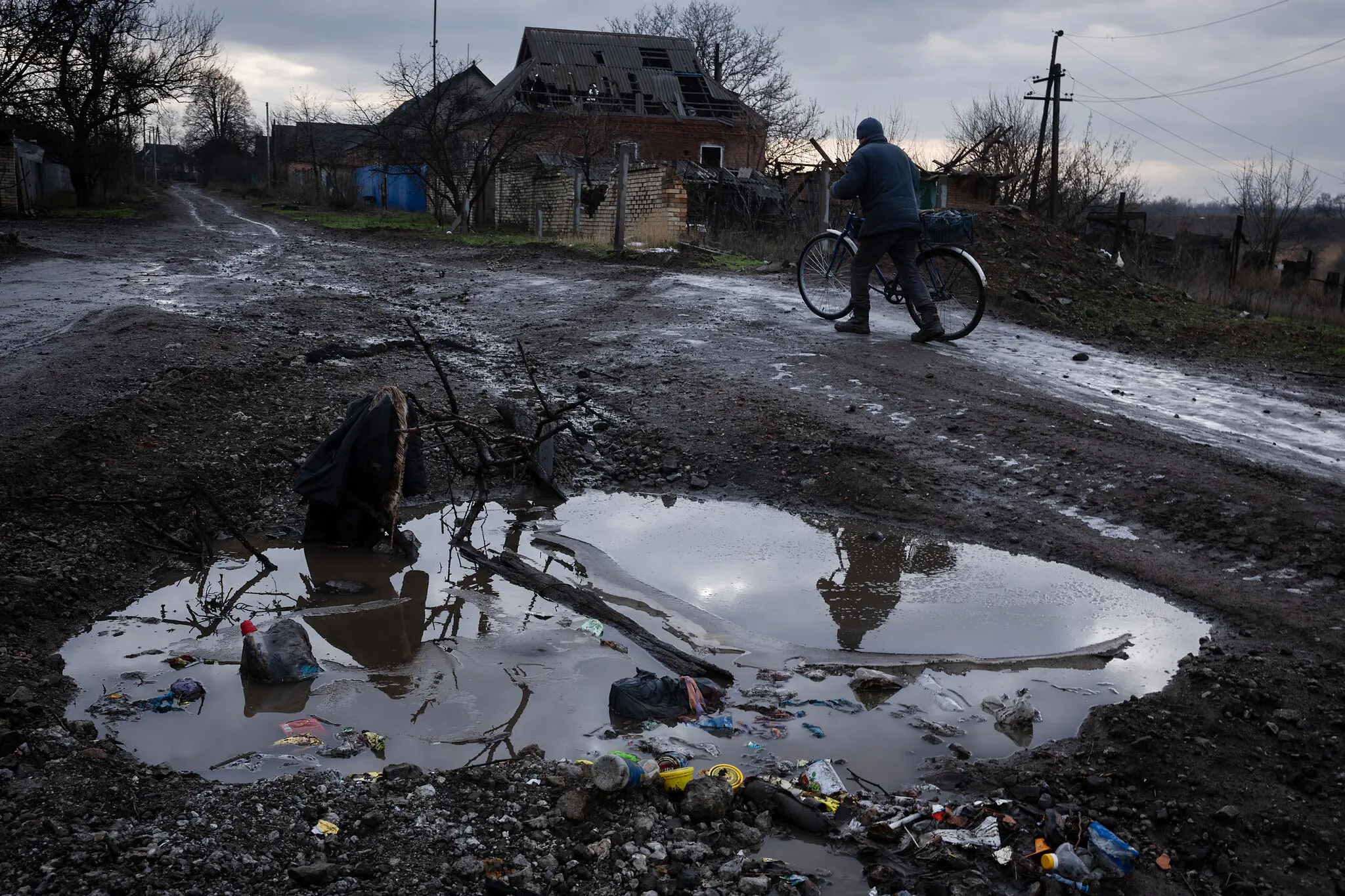
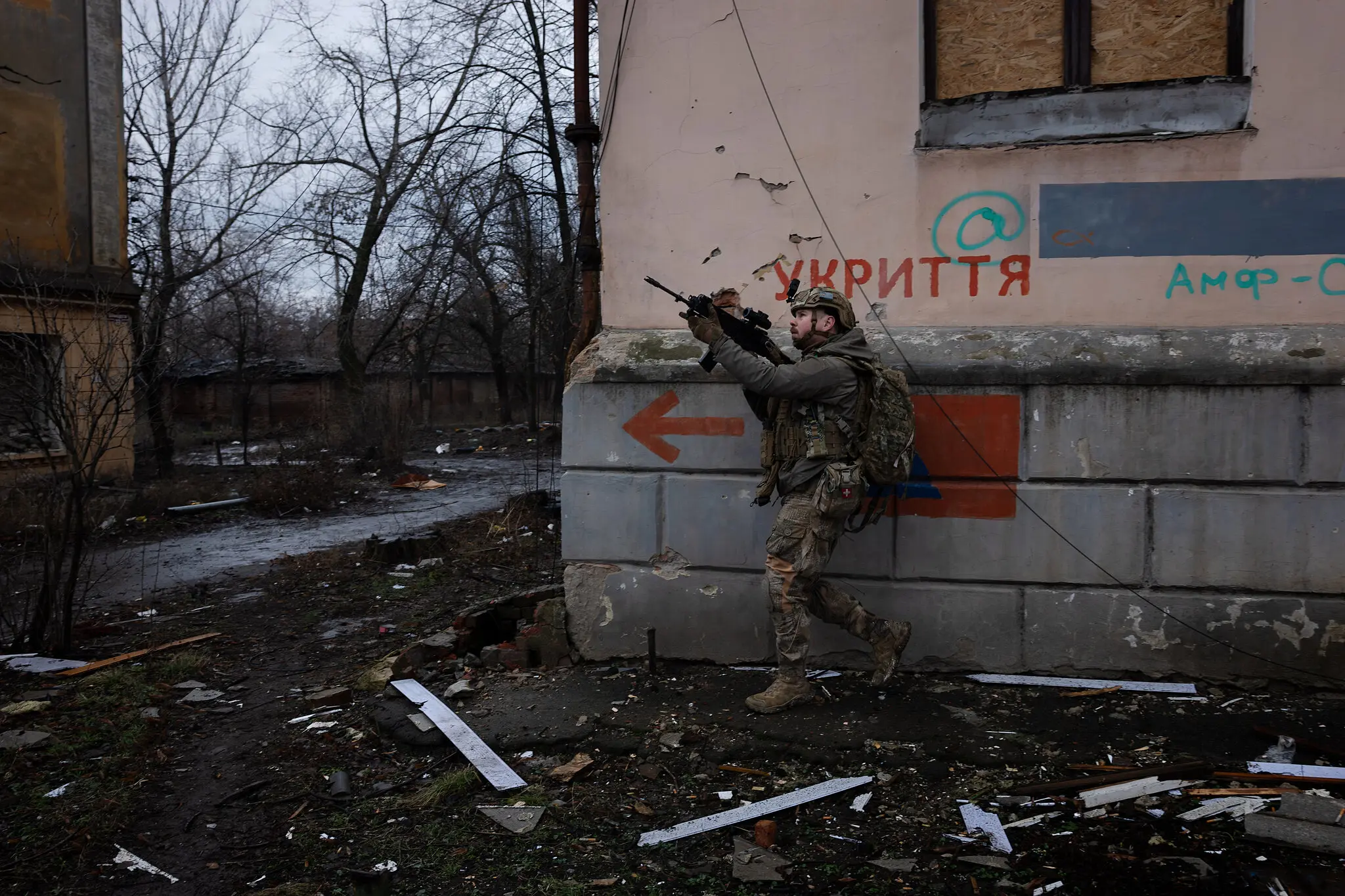


Russian officers are already speaking of progress in border areas of Kharkiv and Sumy regions, where Moscow wants to create buffer zones. But the experience of this war shows that every Russian “security zone” for Moscow means a danger zone for Ukrainian towns, villages and civilians.
This is especially cynical after strikes on Kyiv and Sumy region, where civilians were killed, among them a small child. Russia claims to be protecting its own facilities, yet answers with attacks that destroy residential buildings. In this logic, the Kremlin’s “security” is built through danger for Ukrainians.
The claim about Kostiantynivka therefore cannot be read only as front-line news. It belongs to a wider strategy: show Russian society an offensive, justify new buffer-zone claims, drown out domestic irritation over the fuel crisis and answer Ukrainian strikes on the rear with a display of force.
Ukraine now has to address several tasks at once. The first is preserving defensive resilience in Donetsk region, even if some nodes become harder to hold. The second is continuing long-range pressure on Russia’s war economy. The third is pressing allies for faster deliveries of air defense and ammunition.
For Ukraine, Kostiantynivka has not only operational significance. It is part of the larger story of Donbas resistance, where cities became fortifications not because of abstract geography, but through years of defense, losses and slow Russian advance. That is why any change there is painful not only militarily, but symbolically.

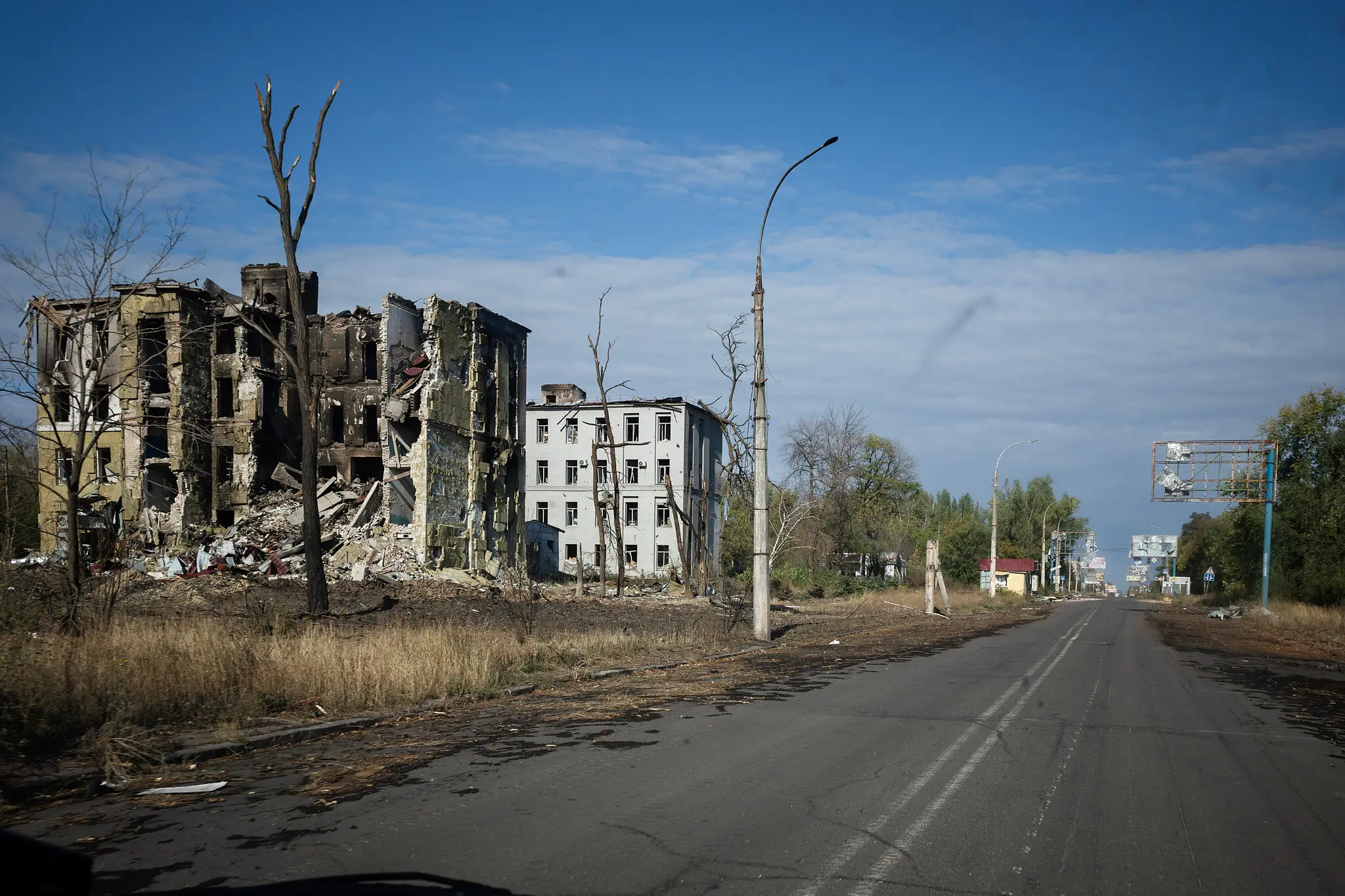

For Moscow, the city becomes an argument in negotiations that are effectively stalled. American efforts to revive a peace track have been postponed amid another crisis, while the Kremlin has rejected a proposed direct meeting with Volodymyr Zelensky. Putin speaks in the language of the front because, for now, he believes it gives him more than diplomacy.
That does not mean Russia’s position is immovable. On the contrary, statements about new “security zones” and the need to respond to Ukrainian strikes show that Moscow feels pressure. But the Kremlin’s response is still not a search for an exit. It is an attempt to widen the field of war.
If Kostiantynivka has indeed come under Russian control, it will be a difficult episode for Ukraine. But even then, it would not prove inevitable Russian victory. In a war of attrition, a single city can change the operational map, but it cannot cancel the central question: whether Russia can keep paying an ever higher price for each step.
Ukraine is trying to raise that price — on the front, in Crimea, at Russian refineries, in logistics and inside Moscow’s sense of being beyond reach. Russia is trying to answer with captured ruins, strikes on cities and new threats of buffer zones.
At the center of this confrontation stands not only Kostiantynivka. The deeper question is who exhausts first: Ukraine under pressure from missiles, the front and shortages of air-defense interceptors, or Russia under the pressure of losses, rear-area strikes, economic disruption and the constant need to prove that its war still has offensive logic.
 Український солдат в обложеному східному місті Костянтинівка на початку цього року — Тайлер Хікс
 Костянтинівка в зоні смерті — Тайлер Хікс
Moscow’s claim of capturing the city signals a harsher phase. The Kremlin is not retreating from its intention to control Donetsk region and is simultaneously expanding the rhetoric of “security” to support new territorial claims. For Ukraine and its allies, this should not sound like a reason for fatalism, but as a reminder: the front, the sky and the rear have become a single field of this war.