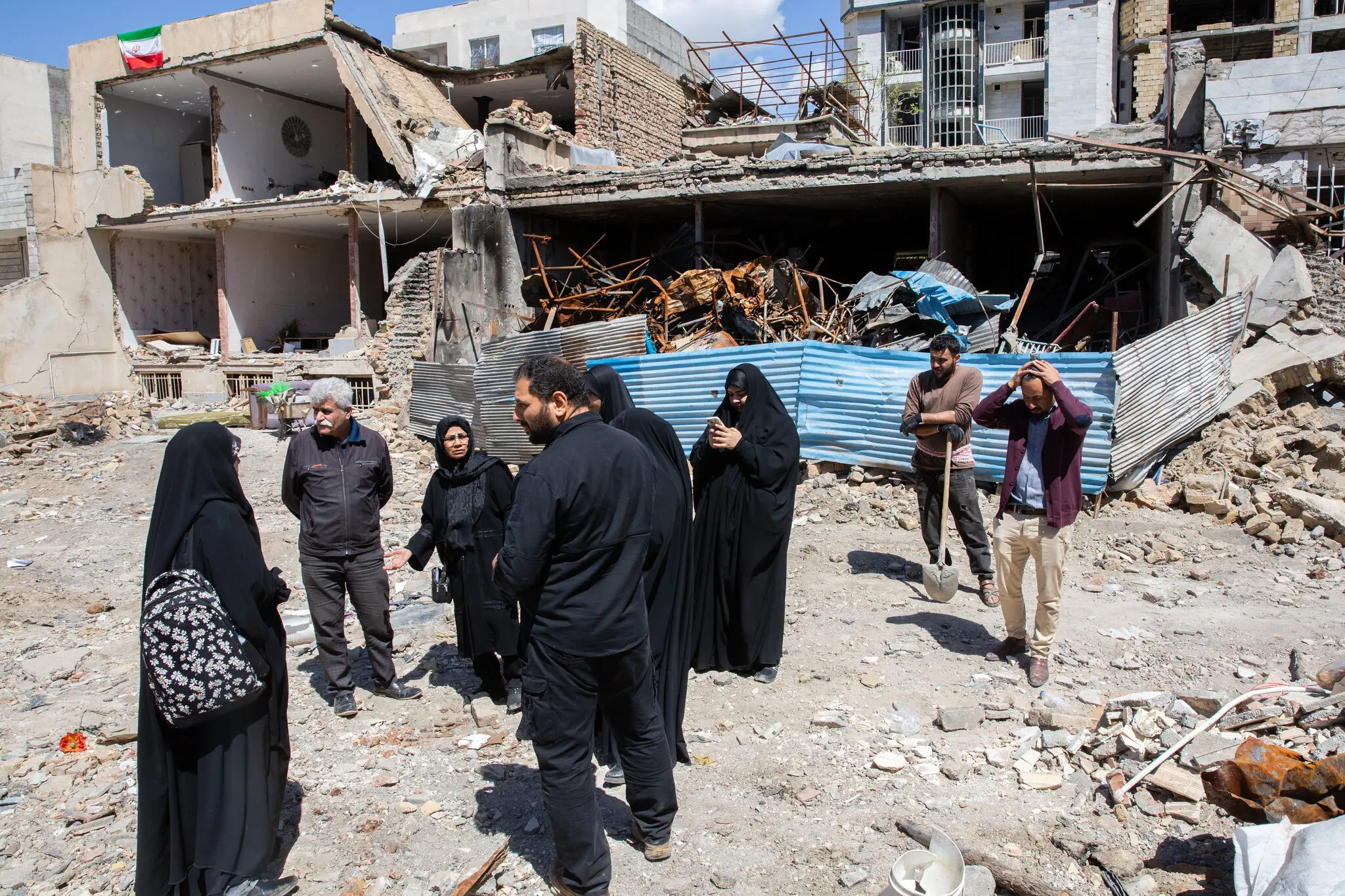







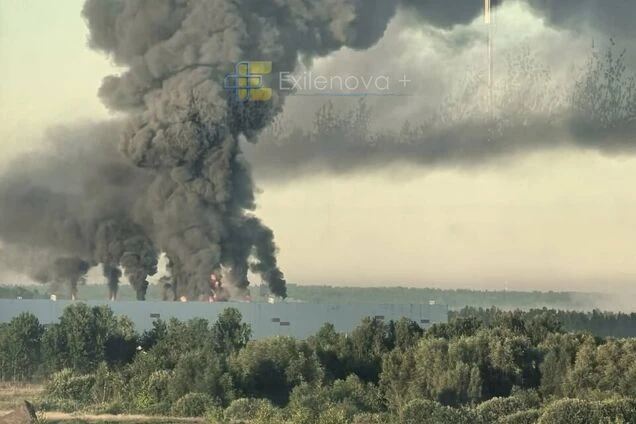












The road to Kostiantynivka has become part of the front itself. Burned-out vehicles line the shoulders, torn anti-drone netting hangs over exposed routes, craters cut through the asphalt, and the silence is constantly broken by the sound of unmanned aircraft overhead.
Here, danger does not pause. It waits above the road, near apartment entrances, in dark corridors and across open courtyards. Any car, any person carrying a bag, any evacuation van or military pickup can become a target.
Kostiantynivka is still marked on maps as a city, but in reality it has become something else: scorched, emptied, shattered and governed by the rules of drone warfare. Before the full-scale invasion, tens of thousands lived here; now only a small remnant remains, mostly those who cannot or will not leave.
According to Daycom’s earlier analysis, Kostiantynivka is one of the starkest examples of the new order at the front: a city no longer has to be fully captured to be made almost unlivable. It is enough to dominate the sky with drones, strike the roads and break the rhythm of evacuation.
 Костянтинівка в зоні смерті — Тайлер Хікс
Humanitarian teams, police units, military administrations and volunteers have worked here in a mode where every trip could be the last. They carried lists of people who had finally agreed to leave, shouted “evacuation” beneath windows, lifted the bedridden, carried wheelchairs, gathered documents and packed bags.
For many residents, the decision to leave came too late. Elderly people stayed in apartments without electricity, gas, heat or running water not because they misunderstood the danger. Often, they simply had no other life beyond those walls — even when the walls themselves had been reduced to fragments.
That is one of the most painful features of the war in Donbas: people remain not out of confidence, but out of exhaustion. Leaving does not mean changing an address. It means losing the last possessions, memories, neighbors, graves, courtyards and habits that still made life recognizable.
Kostiantynivka now lies inside a kill zone — a broad belt of the front where drones define the rules of movement. Vehicles no longer simply drive down a road. They pass through an invisible system of surveillance, targeting and attack.
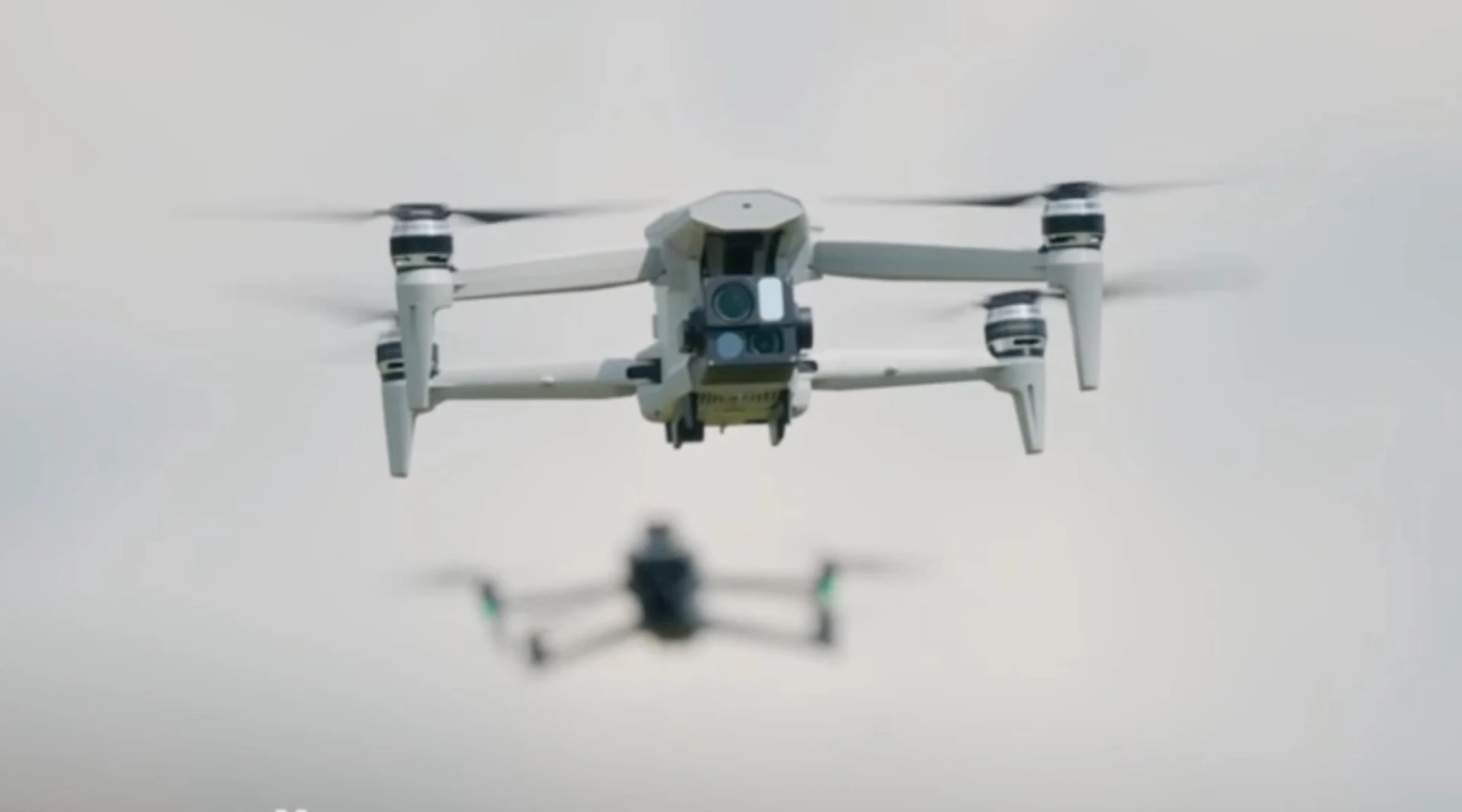
Drones have turned evacuation into a distinct form of combat. They can see the color of a vehicle, its speed, its direction and sometimes the people standing near a doorway. This is not random shelling of a grid square. It is a personalized threat chasing a specific target.
 Костянтинівка — Тайлер Хікс
Even humanitarian transport has no guaranteed protection. Evacuation vehicles have been hit, missions have been aborted, and wounded people have failed to receive help in time. Under such conditions, the line between a military operation and the rescue of civilians almost disappears.
That is the moral fracture at the heart of Kostiantynivka’s story. Evacuation has become not only a logistical task, but a test of human endurance. Rescuers have seen bodies, carried the wounded, persuaded elderly residents to abandon their homes, and then returned to the same streets again.
War creates a particular kind of professional numbness. A person who must evacuate the living and retrieve the dead every day cannot experience each scene from the beginning. He learns to function mechanically because otherwise he would not survive the work. That numbness itself becomes evidence of the scale of destruction.
Kostiantynivka matters not only as a humanitarian disaster. Its defense has direct military logic. The city blocks the route toward Kramatorsk, one of Ukraine’s key remaining strongholds in Donbas. A Russian breakthrough here could alter the configuration of the front across northern Donetsk region.
Russia’s tactics around Kostiantynivka combine the old and the new. On the ground, there are grinding assaults, small-group advances and attempts to cling to outskirts and industrial zones. In the sky, there is the mass use of FPV drones, reconnaissance drones and strike systems that make nearly every movement visible.
 Оскільки місто ставало дедалі небезпечнішим, гуманітарні групи залишали цивільним особам запаси, але вони закінчуються — Тайлер Хікс
This creates the effect of a modern siege. The medieval logic of exhaustion has returned in technological form: a city does not have to be stormed in a single day if it can be cut off from movement, water, evacuation, repairs, supplies and ordinary human presence.
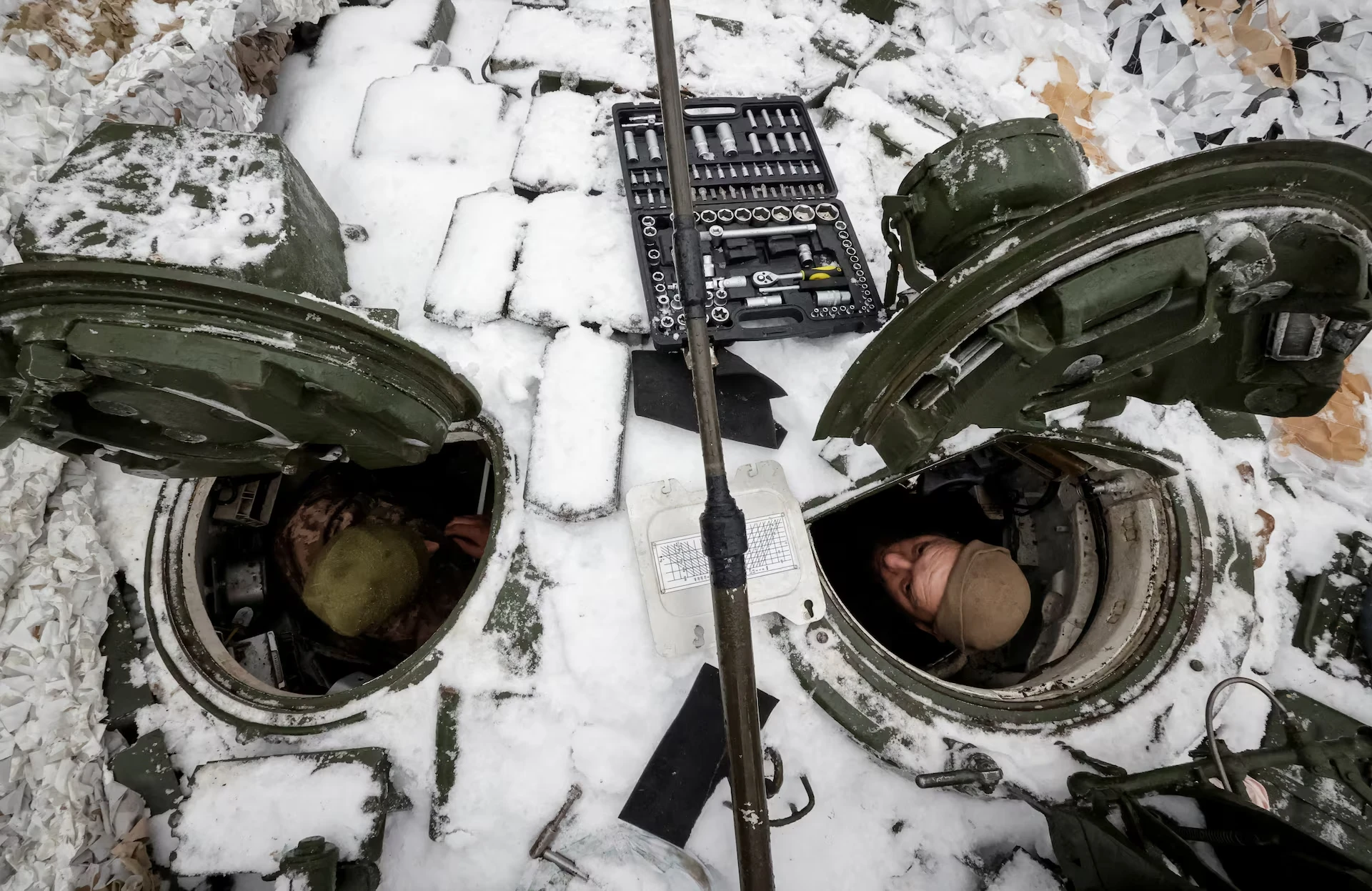
Ukrainian troops hold Kostiantynivka in conditions where the sky often feels like hostile territory. Infantry remains the clearest proof of control: as long as Ukrainian soldiers remain in trenches, basements, shelters and shattered districts, the city does not become Russian ground.
But that formula carries a high price. Every meter is held not by an abstract “defense line,” but by people moving in short bursts between entrances, trees, awnings and holes in walls. In a drone war, even a short distance can be longer than life.
Artillery, reconnaissance units and Ukrainian drone teams operate like a single nerve of the front. Observers find Russian targets, coordinates are passed, guns fire, and infantry holds position. This mechanism prevents tactical pressure from becoming an operational breakthrough.
At the same time, Russia is trying to turn Kostiantynivka into another symbol of attrition after Mariupol, Bakhmut, Avdiivka and other cities whose names have become shorthand for destruction. The strategy is consistent: strike for long enough, strike heavily enough, force civilians out and make the defense spend men and resources.
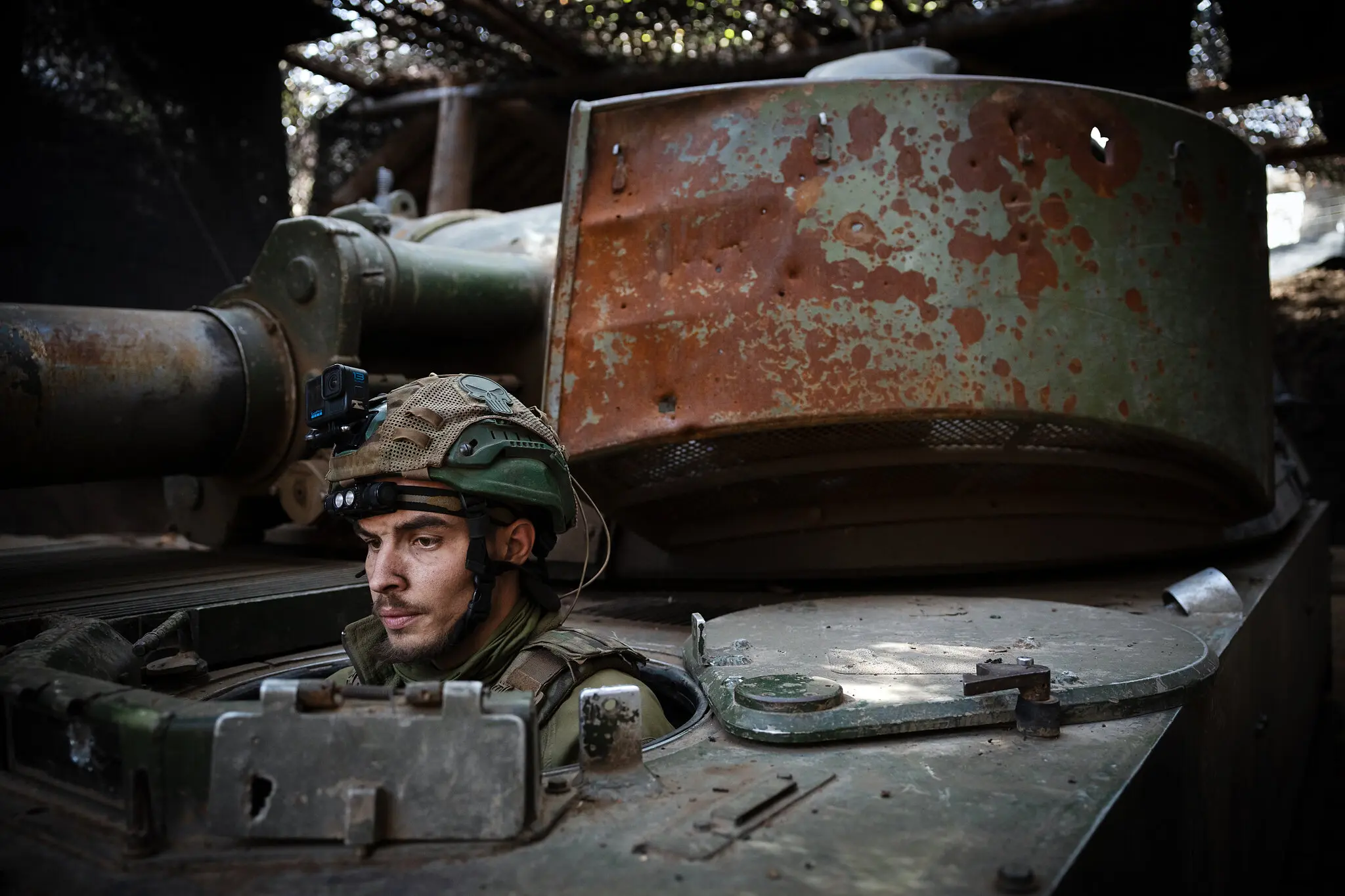 Українські власні групи безпілотників та спостереження надсилають їм координати, сподіваючись уповільнити наступ — Тайлер Хікс
In that logic, a city disappears before the flag changes. First electricity goes, then water, heating, shops, transport, hospitals, communications and familiar neighborhood routes. What remains are basements, fires, broken furniture, water in canisters and people who step outside only when survival requires it.
Kostiantynivka shows that civilian life at the modern front is destroyed not only by explosions. It is destroyed by the impossibility of movement. If a person cannot safely cross a street, if a vehicle cannot reach an entrance, if a rescuer cannot collect the wounded, a city loses its most basic function: protecting its people.
That is why Kostiantynivka’s story extends beyond one local battle. It speaks to the future of war itself. Drones are no longer an auxiliary tool. They are the environment in which the front exists. They absorb part of artillery’s terror, part of reconnaissance, part of blockade and part of deliberate intimidation.
For Ukraine, the answer cannot be heroism alone. It requires electronic warfare systems, anti-drone protection, armored evacuation, robotic platforms, dispersed logistics, new shelter tactics and durable routes for moving civilians out of gray zones.
The problem is no longer confined to one city. The drone zone is expanding, and every next settlement near the front risks following the same trajectory: shelling first, then interrupted evacuations, then shortages of water and bread, and finally near-total isolation.
 Українські артилерійські групи в місті та його околицях готові озброїти та відкрити вогонь зі своїх гаубиць, коли буде виявлено російську ціль — Тайлер Хікс
For Ukraine’s international partners, Kostiantynivka is an uncomfortable but precise test. Support is measured not only in long-range missiles or large weapons packages. It is also measured by whether an elderly woman can be saved from the fifth floor while a strike drone circles above her block.
In this sense, humanitarian and military logic can no longer be separated. Without anti-drone protection, there is no evacuation. Without evacuation, civilians become hostages of the front. When civilians remain, defenders are forced not only to fight, but to keep risking themselves to rescue those trapped behind.
Kostiantynivka holds not as a city in the peacetime meaning of the word. It holds as a node of resistance, a corridor of containment and a place where the true nature of this phase of the war is visible. Here, the sky has become the main height, the road a trap, and evacuation an act of courage.
The most terrible thing in this story is not only the ruins. Ruins have already become a familiar image of the war. The more frightening truth is how quickly a modern city can be pushed back into conditions of bare survival, where people burn wood, hide in basements, bury neighbors in courtyards and measure life from one drone flight to the next.
 «Я бачу зруйновані будинки, розбиті життя, вбитих людей. Я бачу біль людини, яка втратила все», – сказав пан Ткаченко. «З ким ви намагаєтеся домовлятися?» — Тайлер Хікс
Kostiantynivka is not yet finished as a battle. But it is already complete as a warning. The future war for Ukrainian cities will be decided not only by the number of soldiers and guns, but by the ability of the state and its allies to close the sky to small, cheap and omnipresent machines of death.
And as long as Ukrainian infantry stands in the shattered districts, and rescuers keep searching for those who can still leave, Kostiantynivka remains more than a point on a map. It is the line where one question is being tested: whether civilization can still protect the human being in a place where technology has learned to hunt every movement.