





















In the basement of a building with charred walls in Kostiantynivka, 65-year-old Volodymyr moves cautiously between old cupboards and a makeshift kitchen. Shells rumble overhead, and drones buzz in the distance. “It’s scary, but we keep going—what else can we do?” he says, adjusting the flashlight on his head.
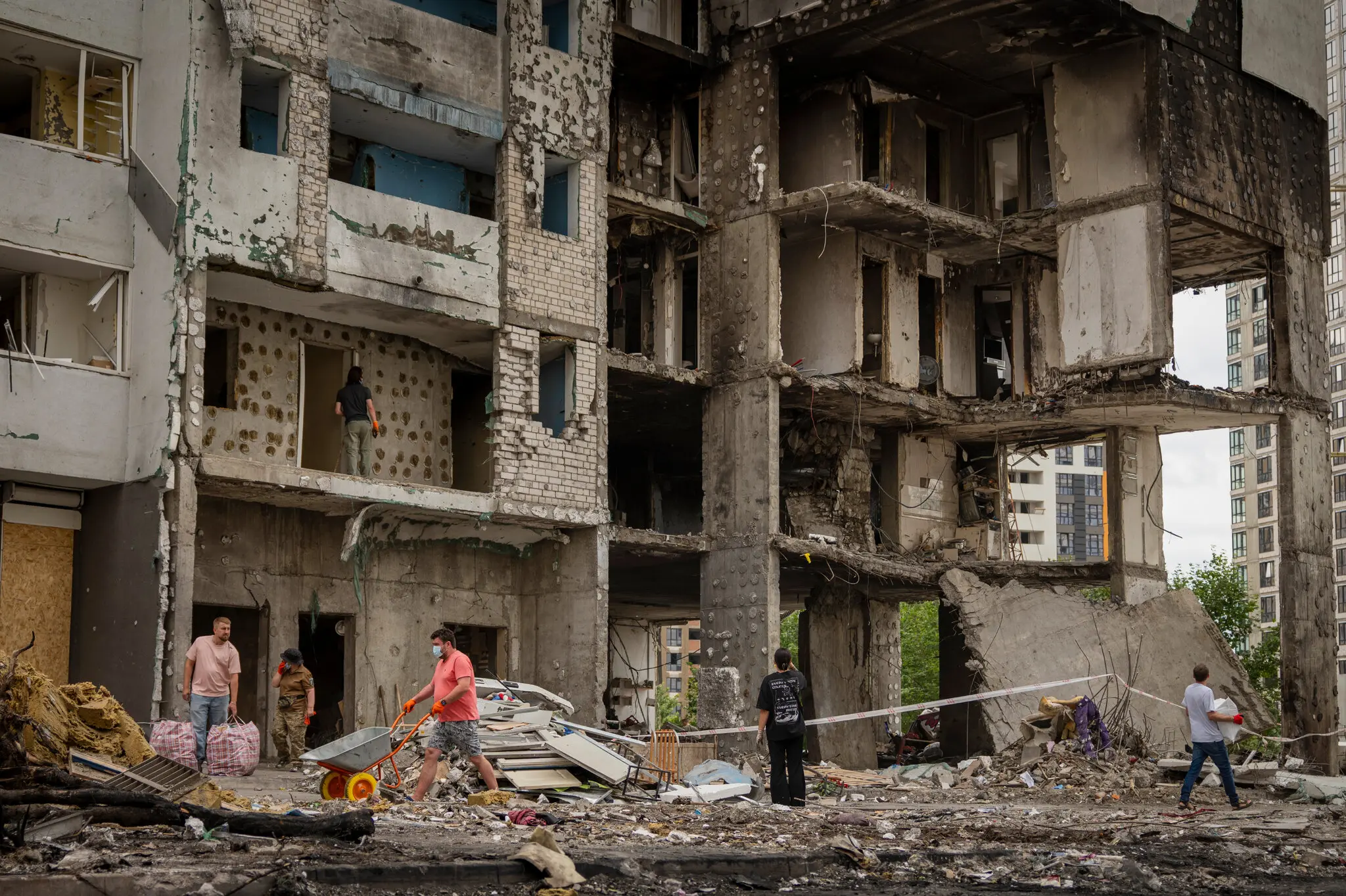
His house is riddled with shrapnel, and the yard has been without windows for a long time, but there’s nowhere to go. Volodymyr stayed behind to care for his seriously ill mother-in-law. Stories like this have become the norm in Donetsk Oblast: people live amid the ruins because they have neither money nor a backup life where the war in Ukraine doesn’t dictate every day.
Kostiantynivka was, until recently, a key hub for Ukrainian forces, but now finds itself on the front line. Russian troops are pressing from the direction of Pokrovsk, which is on the verge of falling, and are preparing to storm the so-called “belt of fortresses” in the east. The city appears to be the most vulnerable link in this defensive chain.
According to Ukrainian analysts, fighting is already underway on the southern outskirts. Explosions can be heard across entire neighborhoods, and several enemy drones circle the sky simultaneously. For those who remain, life under shelling has become a mix of survival and routine, where fear never disappears but is dulled by the daily grind.
In the basement where Volodymyr lives, people have set up a temporary home. The gray concrete walls serve as a backdrop for kitchen cabinets, a stove, and stockpiles of grains. Humanitarian organizations hardly come anymore—it’s too dangerous. Those who remain have organized their own collection of water and food.
They collect rainwater and then carry it to a field purification station. It takes hours, but it allows them to maintain a basic level of hygiene. A generator in the corner hums almost nonstop, providing a minimum of light and heat. Here, no one talks about comfort, only about how to make it through to morning.
“It’s hard, but bearable,” Volodymyr shrugs. He speaks of his reality as if it were the new normal: learning to live without reliable electricity, without water, without the certainty that the walls will withstand the next strike. Life in the shelter has become the new way of life in the frontline zone.
On the street, an elderly woman in a thick blue coat pulls a cart with a gas cylinder past two armed soldiers. This scene shows how the front line has blended the civilian population and the army into a single street scene. For many city residents, soldiers have become neighbors just like the mail carrier or nurse once were.
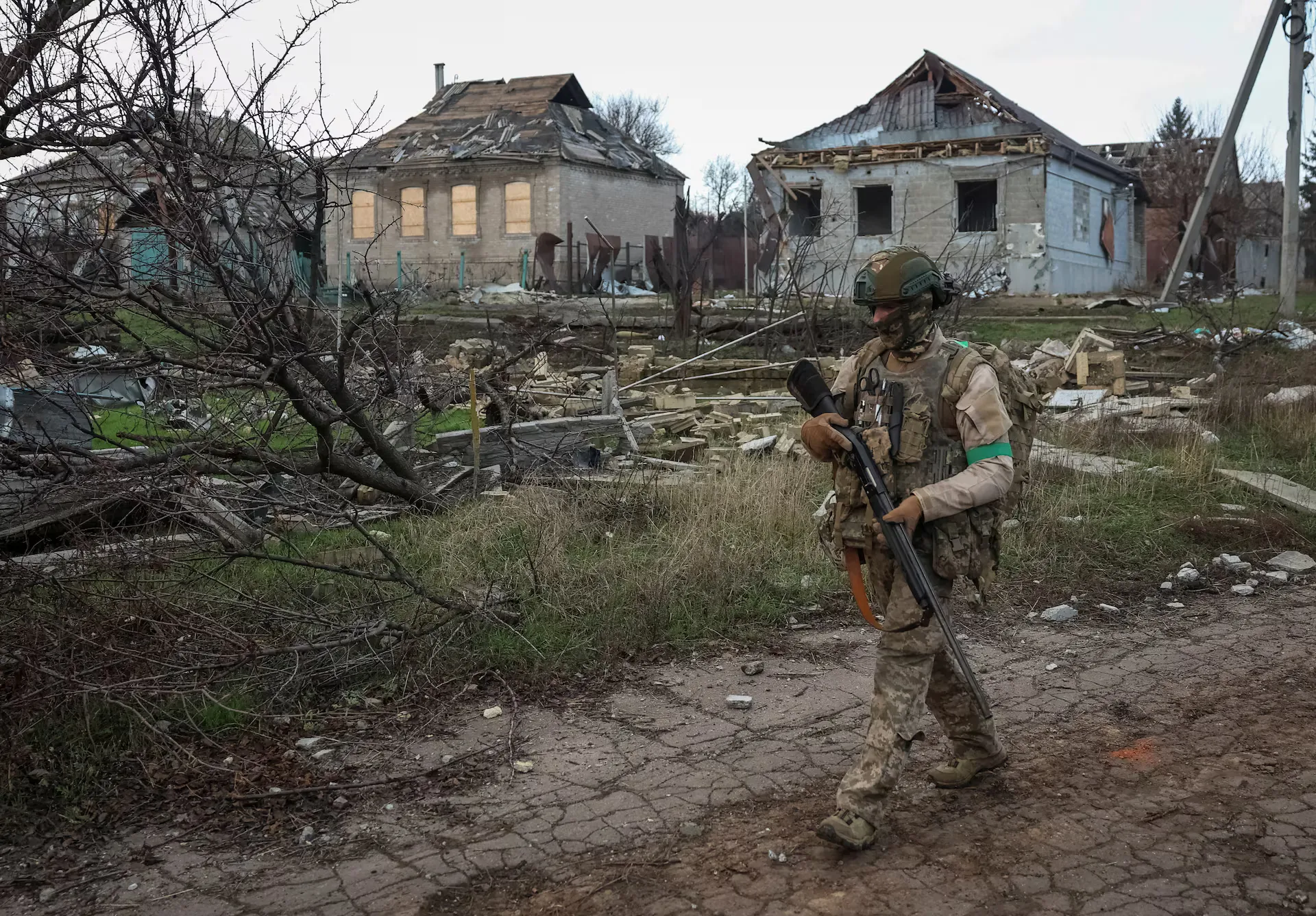 Військовослужбовець 49-го окремого штурмового батальйону «Карпатська Січ» ЗСУ проходить повз будівлі, пошкоджені російським військовим ударом, на тлі російської атаки на Україну, у прифронтовому місті Костянтинівка Донецької області, Україна, 7 грудня 202 — Анатолій Степанов
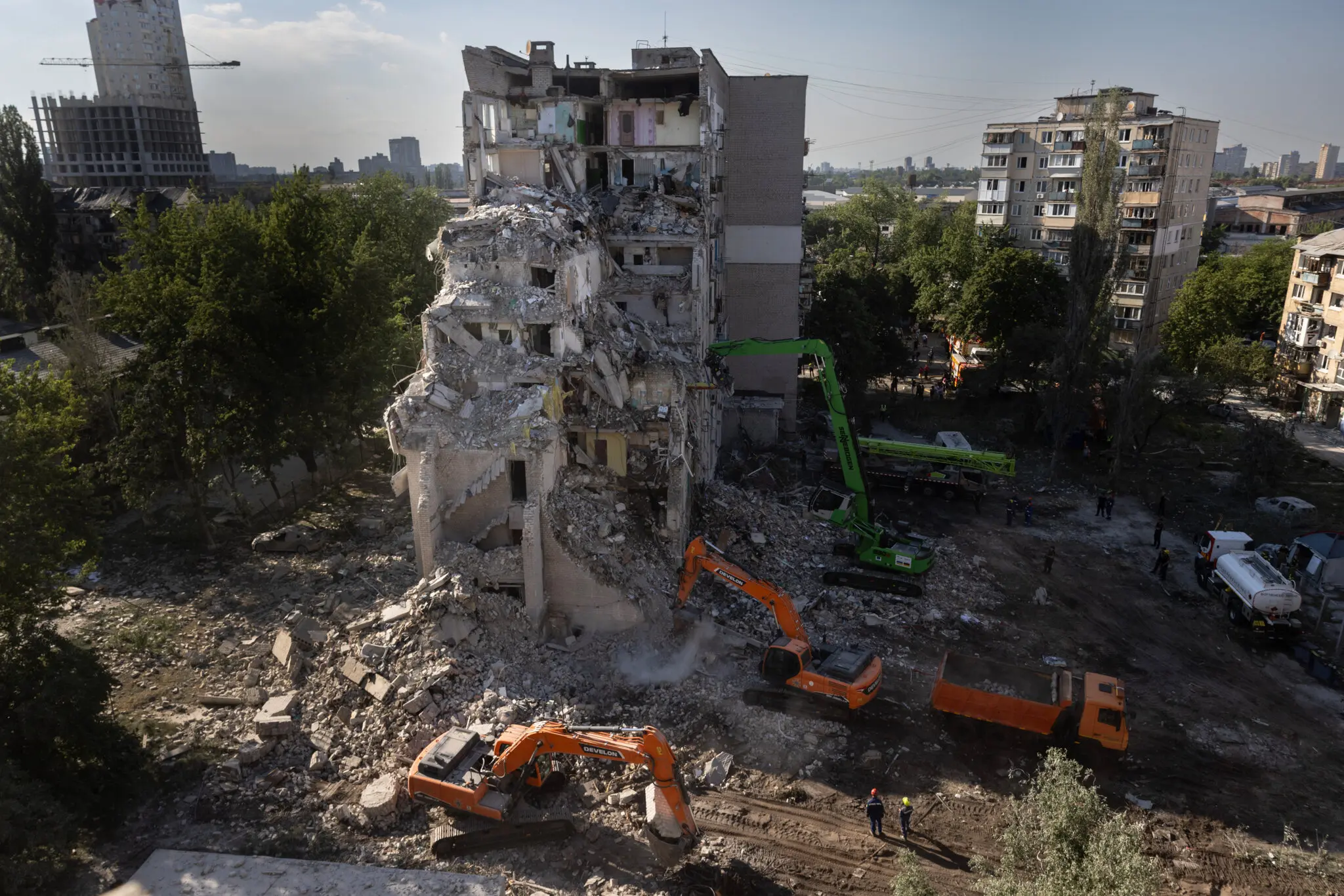
Yuriy, a 54-year-old resident of another building, still limps from the shelling. Neighbors pulled him from under the rubble when a Russian missile struck the building’s entrance. “Where am I supposed to go? And with what?” he asks, counting his $85 pension. Rent in a safer place is three times as expensive.
His apartment could crumble from the next strike, but for him, it’s still home. In frontline cities, owning a home has turned from an asset into a trap. Those without savings remain amid the ruins because they can’t afford to relocate, even within the same region.
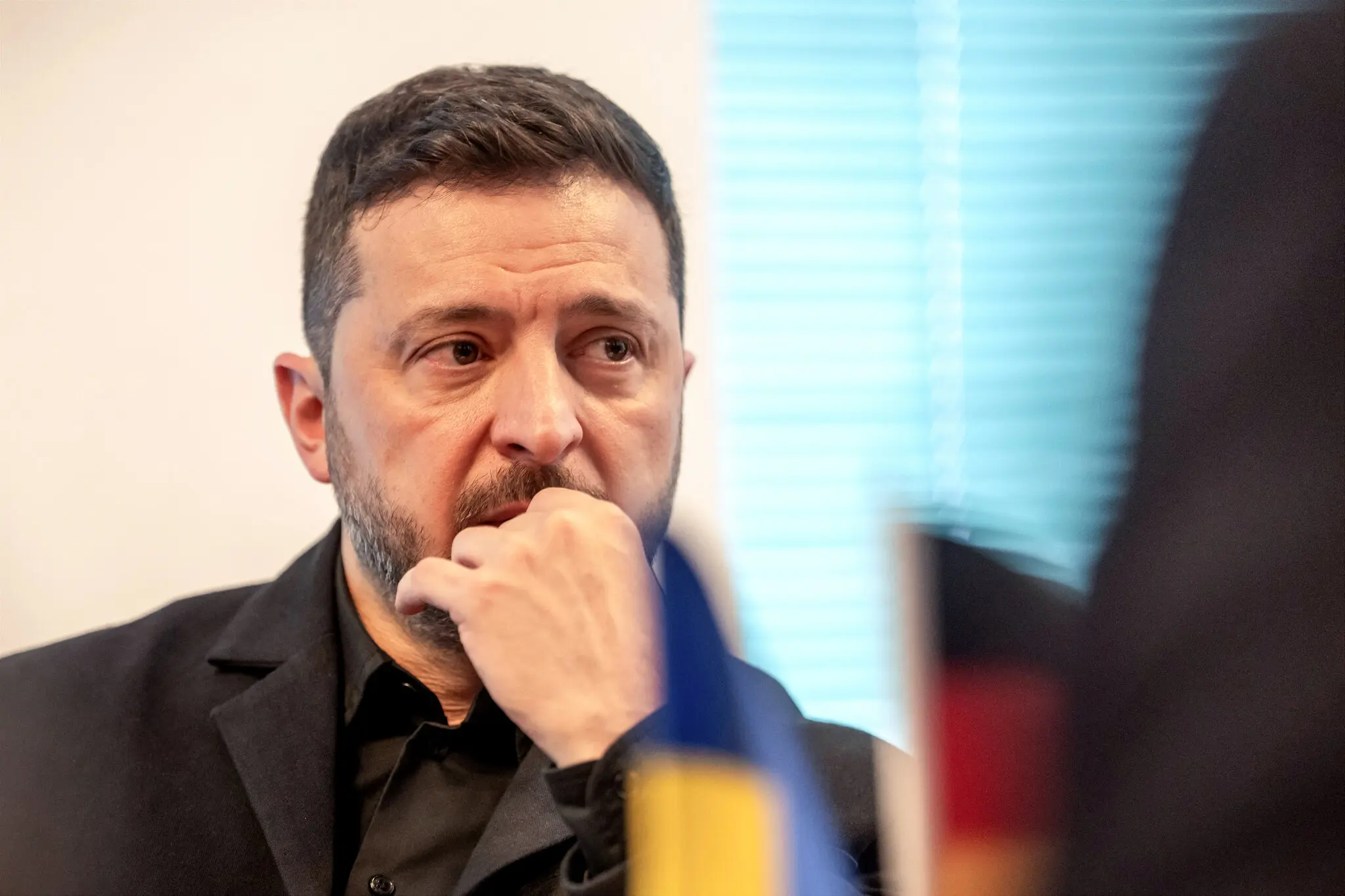
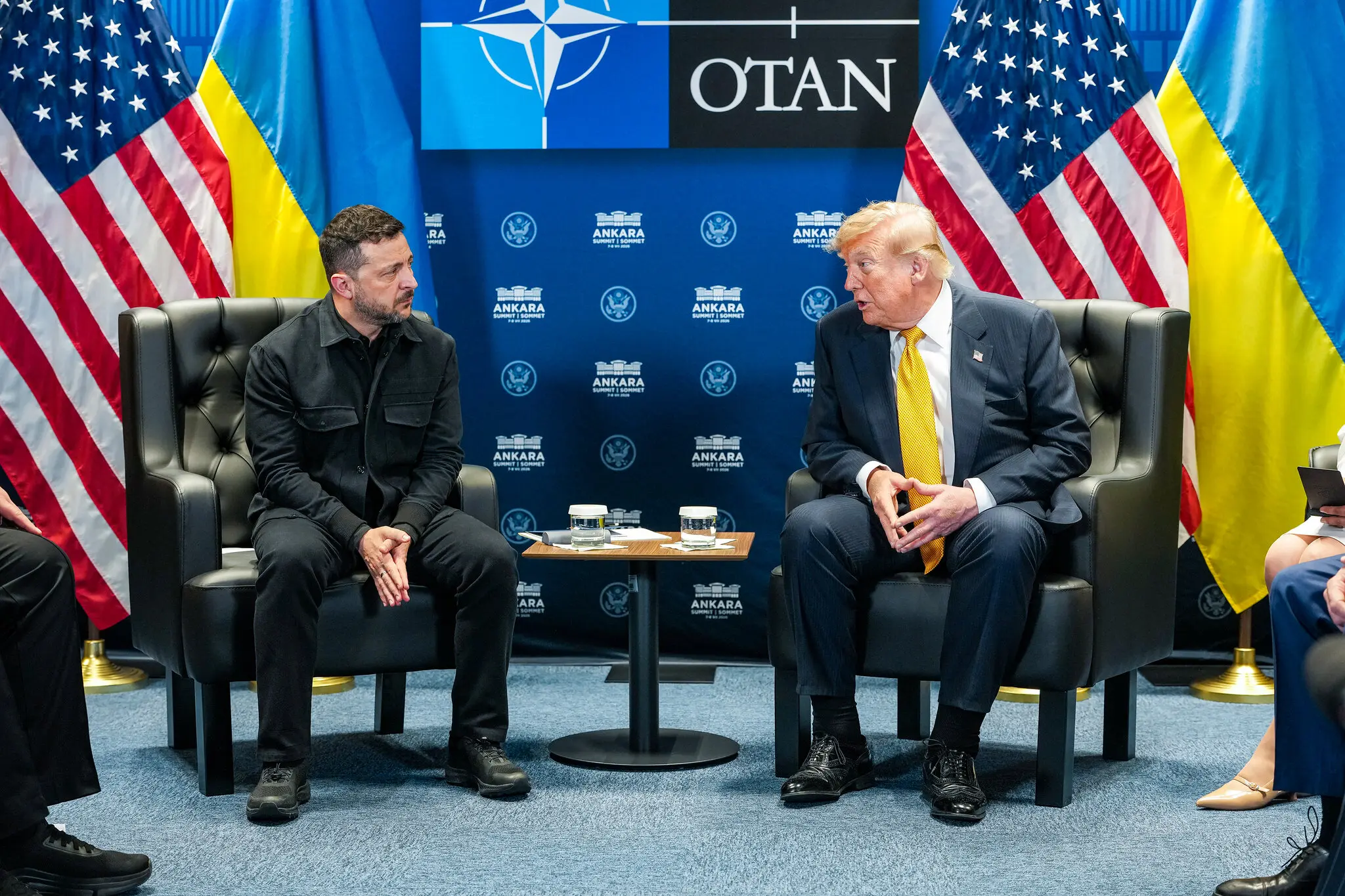
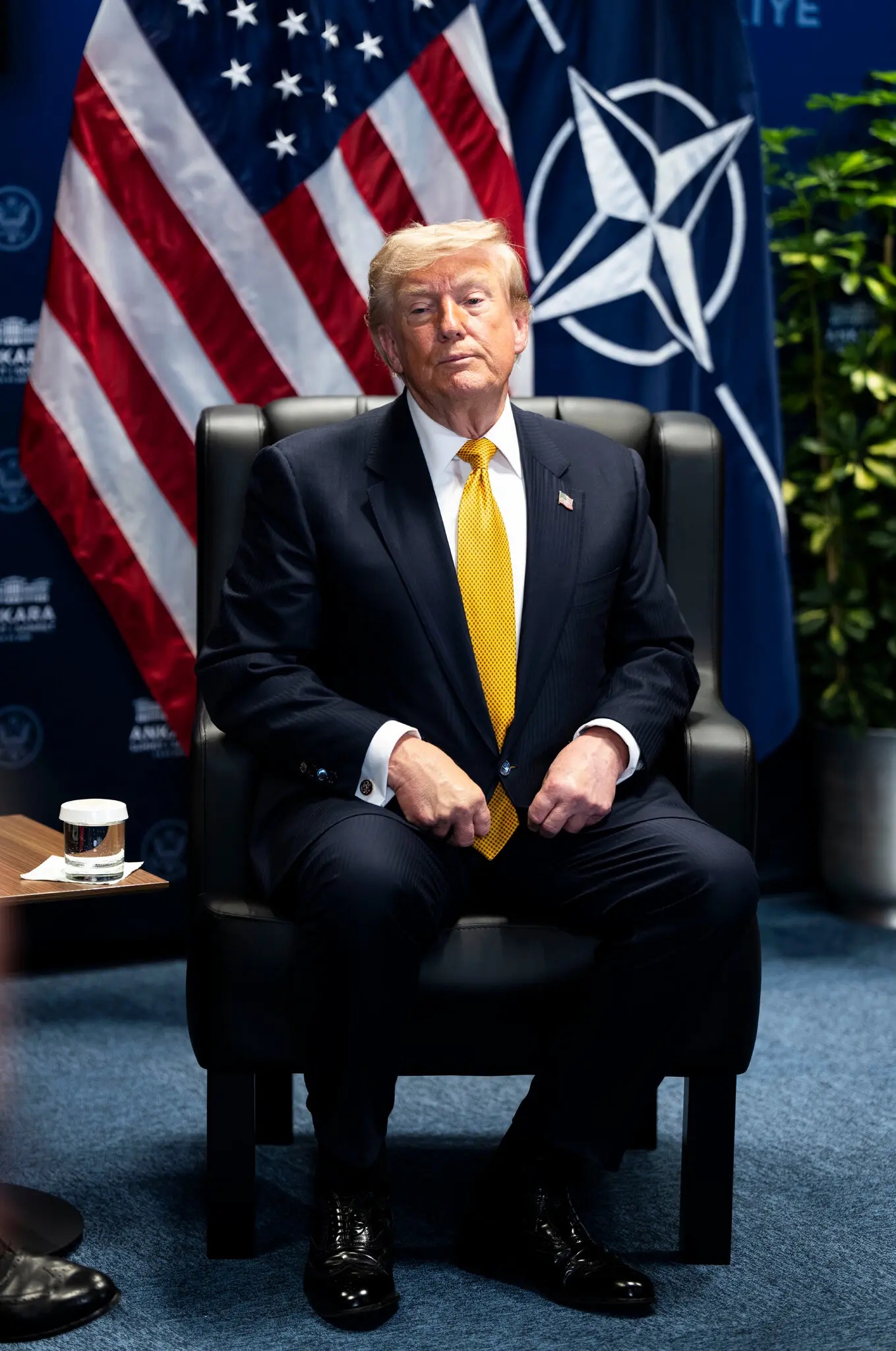
Meanwhile, in London, the red carpet is being rolled out for Volodymyr and Yuriy. On Downing Street, the leaders of Britain, France, and Germany are meeting with Volodymyr Zelenskyy to discuss a peace plan and further military aid. The high-level diplomacy stands in stark contrast to the reality of the basements in Kostiantynivka.
The president speaks of “constructive but difficult” negotiations with American and European partners. Ukraine rejects a ceasefire proposal that appears too favorable to Moscow. At stake are not only borders but also the fate of cities located just a few kilometers from the front lines.
Zelenskyy is seeking security guarantees and long-term funding. For him, the peace plan is not just a piece of paper for world capitals, but also an answer to people like Volodymyr: will their backyards ever be civilian again, or will they remain a “gray zone” between war and political compromises.
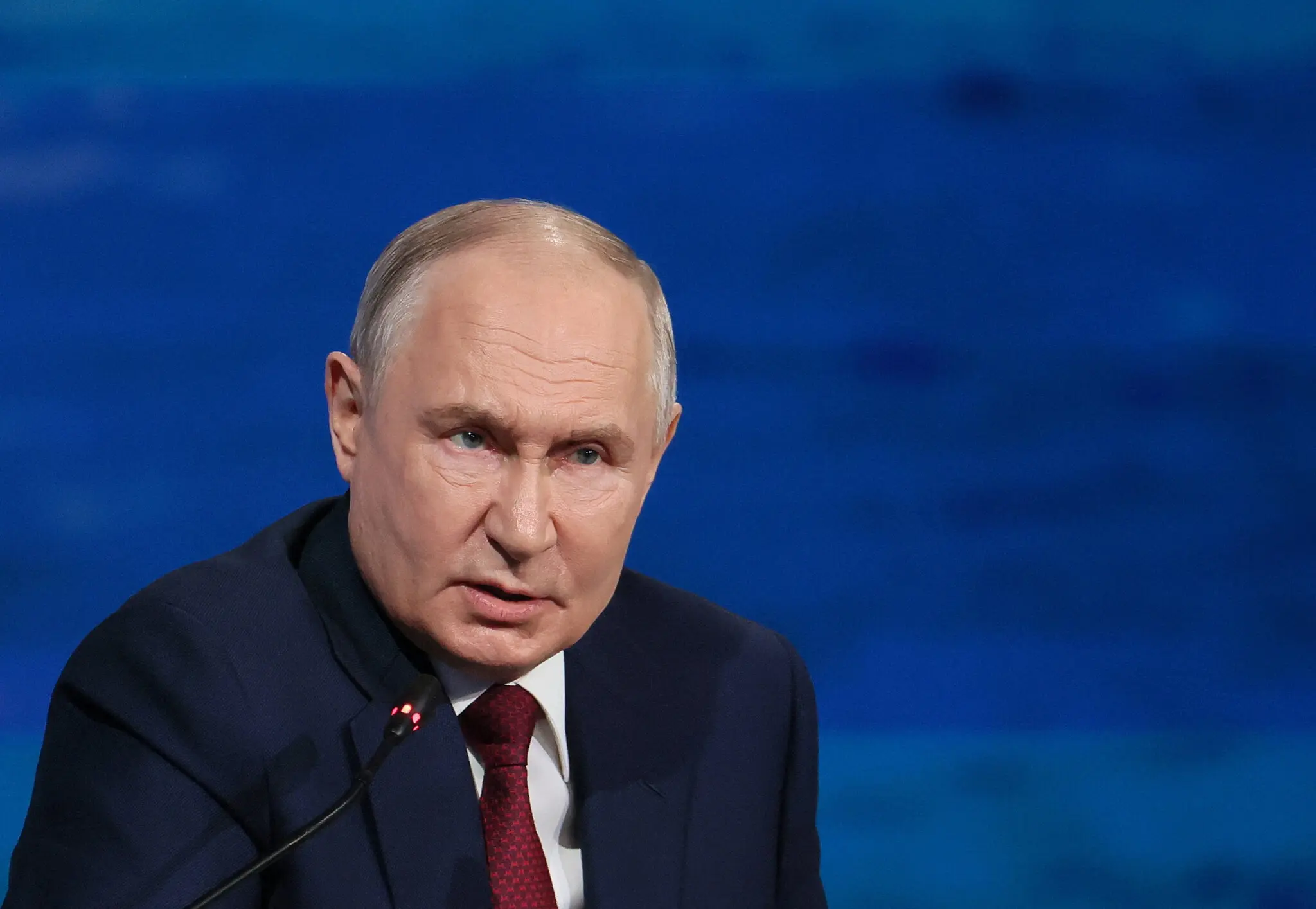
In the Kremlin, they already refer to Donetsk Oblast as their territory and want to formalize this in exchange for peace. Kostiantynivka is included in this set of demands. For Putin, Ukraine’s refusal is an obstacle to “victory”; for Kyiv, it is a matter of survival. Every centimeter of land here takes on literal significance.
“I consider every centimeter of the Motherland important,” says Dmytro from the 49th Separate Assault Battalion “Karpatska Sich,” which is fighting on these front lines. He speaks without grandstanding, with a weariness clearly audible in his voice. For him, the front line runs not only across maps but also through streets where people still live.
Soldiers move through the city in short bursts, hiding behind trees, rubble, and the remains of fences. Every courtyard can become a target, every open area—a line of fire. Defending the city involves not only positions on the outskirts but also complex logistics navigating the ruined neighborhoods.
 Мешканці переходять вулицю на тлі нападу Росії на Україну у прифронтовому місті Костянтинівка в Донецькій області, Україна, 7 грудня 2025 року — Анатолій Степанов
Life under shelling changes one’s perception of time. For Volodymyr and Yuriy, the future is reduced to the coming hours: will there be an attack today, will there be enough fuel for the generator, will they be able to get medicine? Ceasefire negotiations seem distant and abstract to them as long as the explosions can be heard in real time.
Yet it is precisely these people who become the main argument in international discussions. When Kyiv refuses to make “painful concessions,” it relies not only on international law but also on the willingness of its citizens to hold the front line. The war in Ukraine is not just about tanks and missiles, but also about the choice to stay home, no matter what.
Western capitals are searching for a formula for a “just and lasting” peace. But for cities like Kostiantynivka, any formula is tested by a simple question: will normal life return here, or will it remain a buffer zone, doomed to new shelling after the next lull?
In this sense, the story of one basement aptly illustrates the strategic dilemma. If a peace plan solidifies the occupation of part of Donetsk Oblast, the people currently hiding in shelters risk becoming “surplus” on their own land. If, however, Ukraine defends its territory, the war will continue, but with a different horizon of hope.
While diplomats count the points of the agreements, Kostiantynivka counts the days until winter. With each passing week, it gets colder, and the shelling becomes harder to endure without a steady supply of light and heat. Local authorities are urging people to leave, but not everyone agrees. Some believe that losing their home is worse than surviving another attack.
Vladimir’s phrase, “It’s scary, but we carry on,” sounds like the unofficial motto of frontline Donetsk Oblast. It combines fear, a habit of living with danger, and the stubborn determination to stay where you were born. And it is precisely this stubbornness that prevents the city from becoming nothing more than a military target.
If political decisions in London, Washington, and Kyiv truly take into account the experiences of cities like Kostiantynivka, the peace plan could become not just a document for history, but also a chance for people in basements to return to their homes. If not—this story will remain yet another proof of how easily the world grows accustomed to the pain of others.