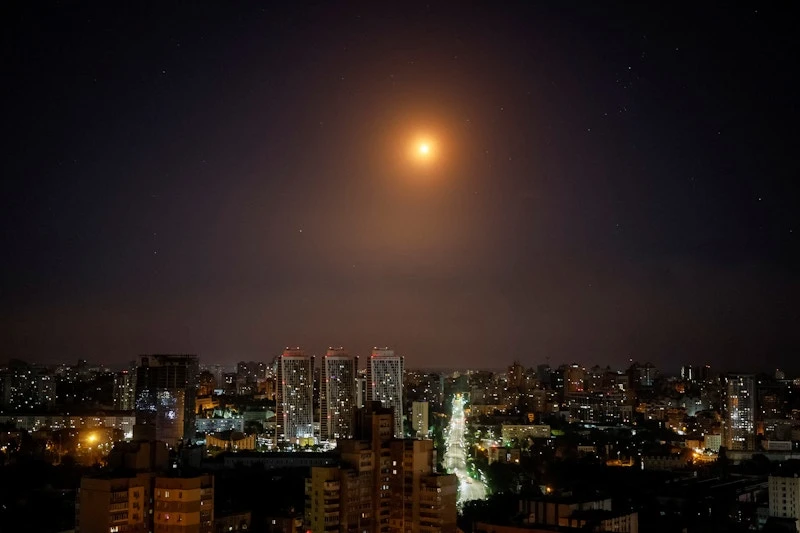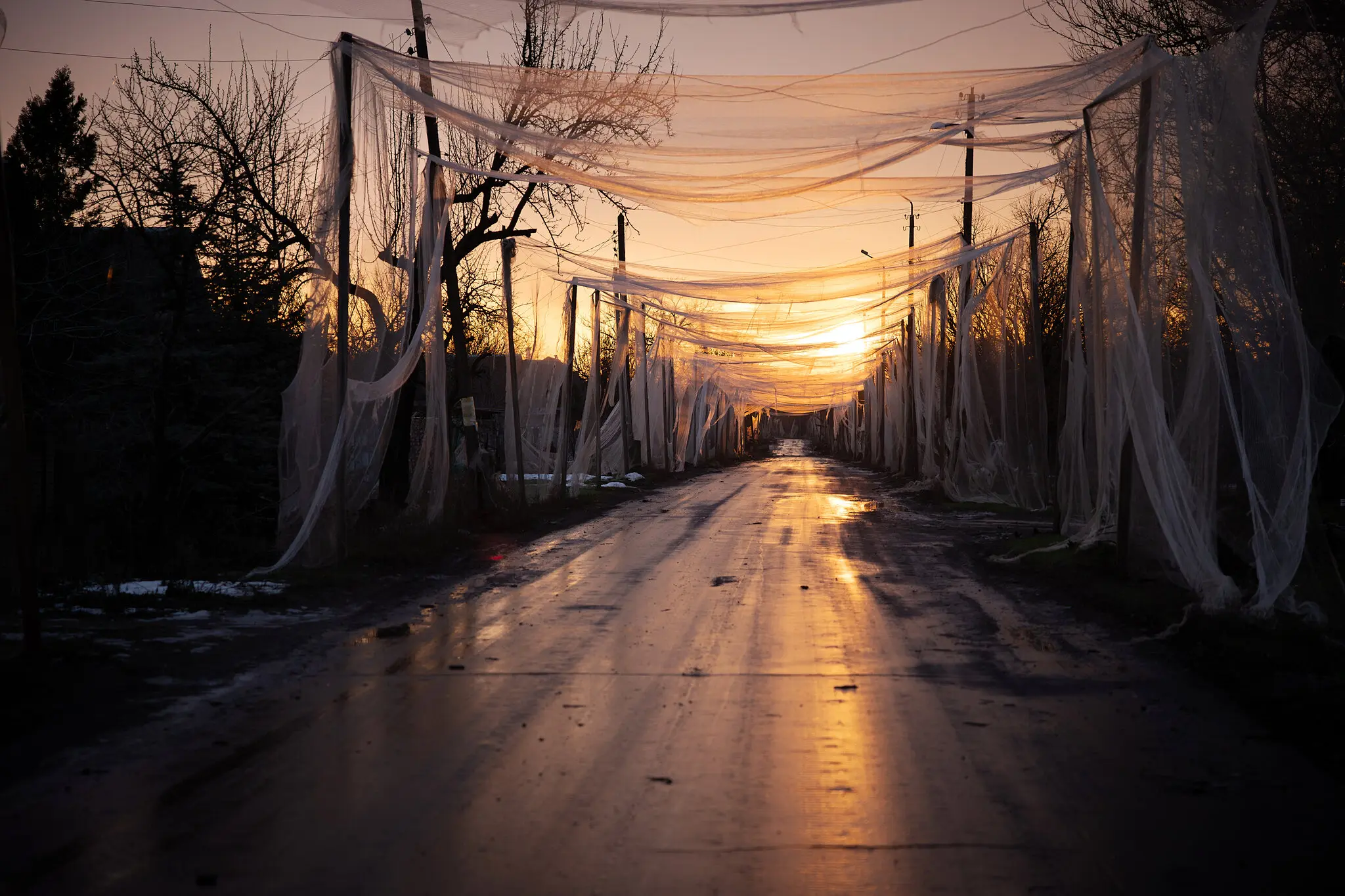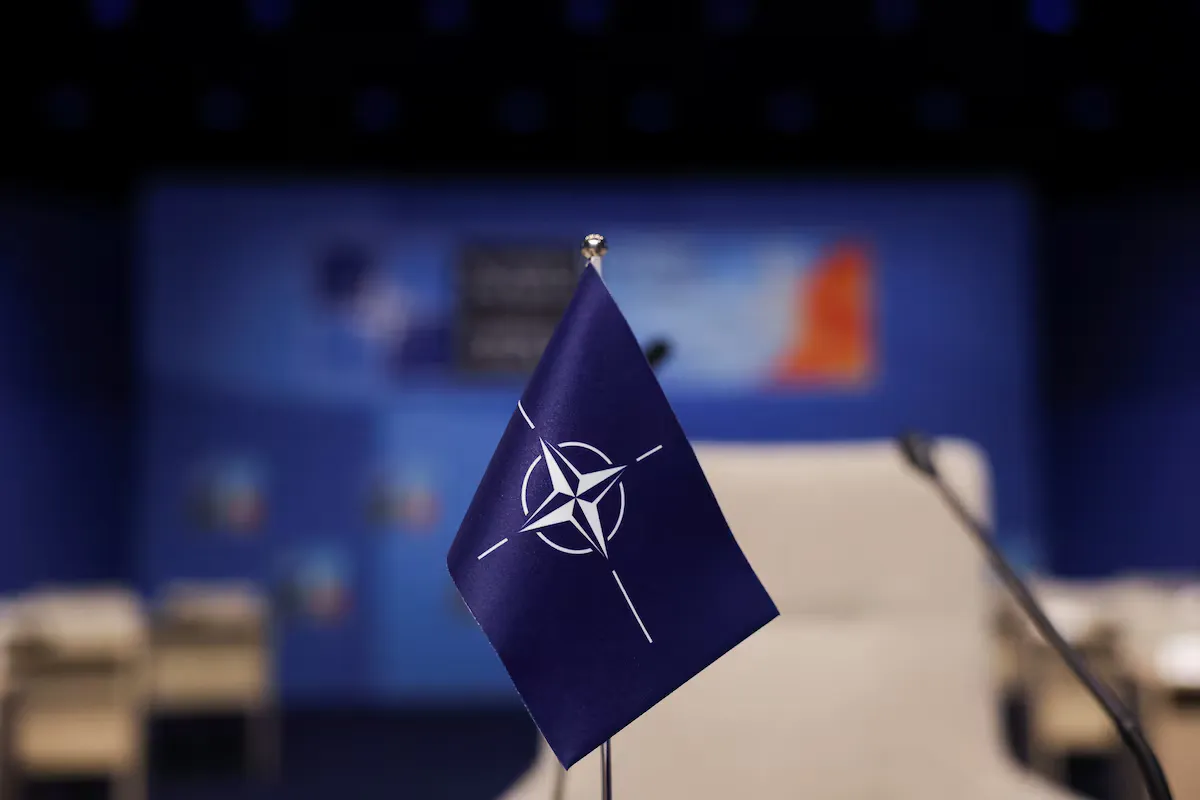










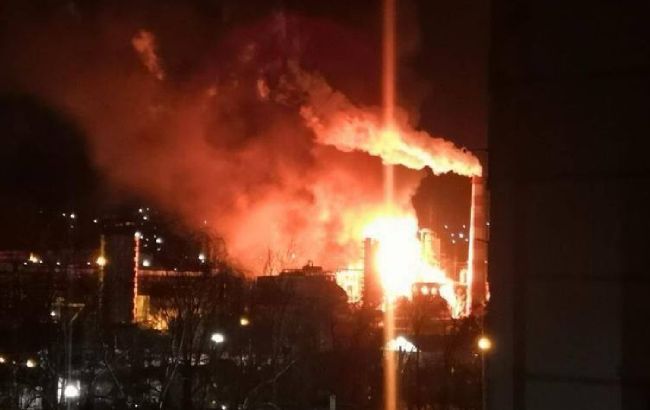
















Kyiv endured another night in which the air raid alert lasted for hours and morning began with fires, rubble and the search for people inside shattered homes. Russian missiles and drones struck the capital on the eve of the NATO summit in Turkey, where the war in Ukraine will again stand at the center of European security.
At least 14 people were killed and more than 100 were injured. Children were among the wounded. Rescue operations continued after the first casualty reports, meaning the toll was not final. For Kyiv, it was the second major attack in less than a week.
Residential districts suffered the most. In the Podilskyi district, a strike destroyed the upper floors of an apartment block, damaged other buildings and left people trapped inside. In the Darnytsia district, explosions tore through the ordinary nighttime silence of neighborhoods where people had simply been sleeping in their own homes.
According to Daycom’s analysis, this attack was not only a military episode but a political signal. Moscow is striking Kyiv precisely when Ukraine’s allies are preparing to discuss peace, defense and the future security architecture. In doing so, Russia is trying to impose its own agenda on the NATO summit — one of fear, urgency and pressure.
The scale of the attack showed how Russia combines volume and speed. Dozens of missiles and hundreds of drones were launched at Ukraine. Ukrainian air defenses managed to shoot down or neutralize most drones and some missiles, but failed to stop ballistic, supersonic and hypersonic weapons.
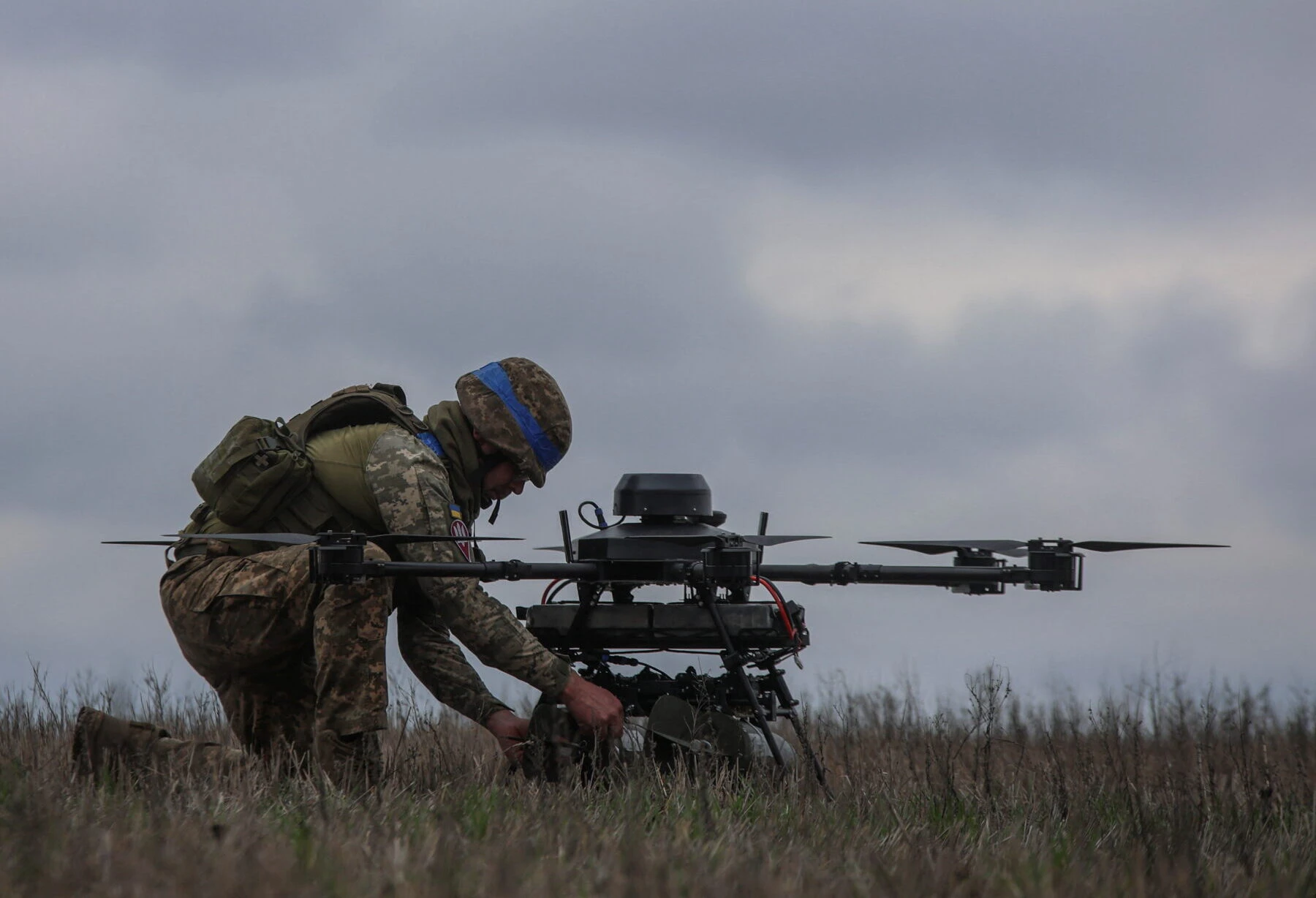
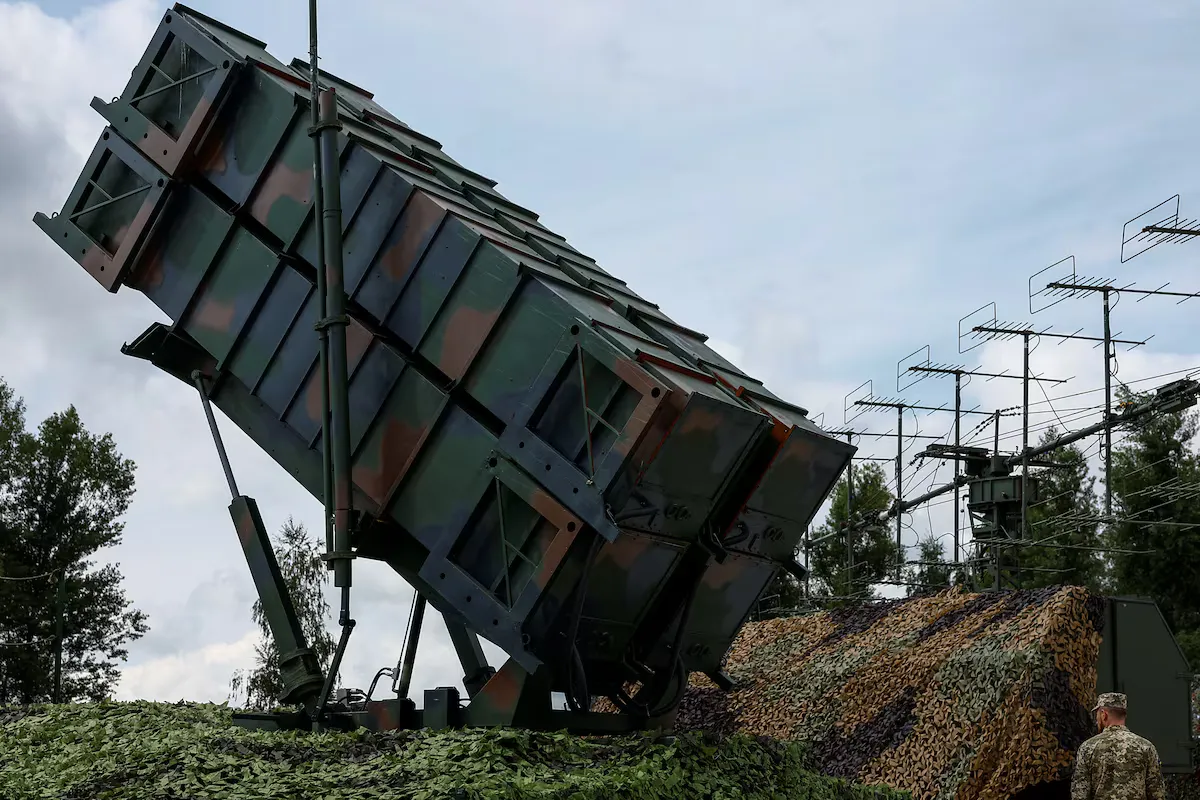
This is where the central gap in Ukraine’s defense was exposed. Drones can be shot down by mobile teams, suppressed by electronic warfare and intercepted with cheaper systems. Ballistic missiles leave far less time to react. They require Patriot-level systems and a sufficient stock of interceptor missiles.
Ukraine has long warned of shortages of such interceptors. After this night, however, the deficit stopped being a technical detail. It acquired specific addresses: Podil, Darnytsia, damaged entrances, apartments without walls, children in hospitals and people waiting for hours near rubble for news of loved ones.
In Podilskyi district, rescuers worked at height using ladder trucks while firefighters extinguished lingering flames. In such scenes, war stops being a map of the front. It becomes a stairwell, the smell of smoke, shards of glass and the voices of those searching for relatives in concrete dust.
One of the most painful details of this attack is its repetition. Only days earlier, Kyiv had endured the deadliest strike of the year, when 31 people were killed. The new wave did not allow the city to emerge from mourning. Russia is layering one strike over another, turning civilian exhaustion into part of its strategy.
The Kremlin described military, energy and industrial facilities as its targets. But the reality in Kyiv again looked different: apartment blocks, burned cars, shattered windows, destroyed homes and rescuers pulling people from buildings where there was no military romance — only night, sleep and ordinary life.
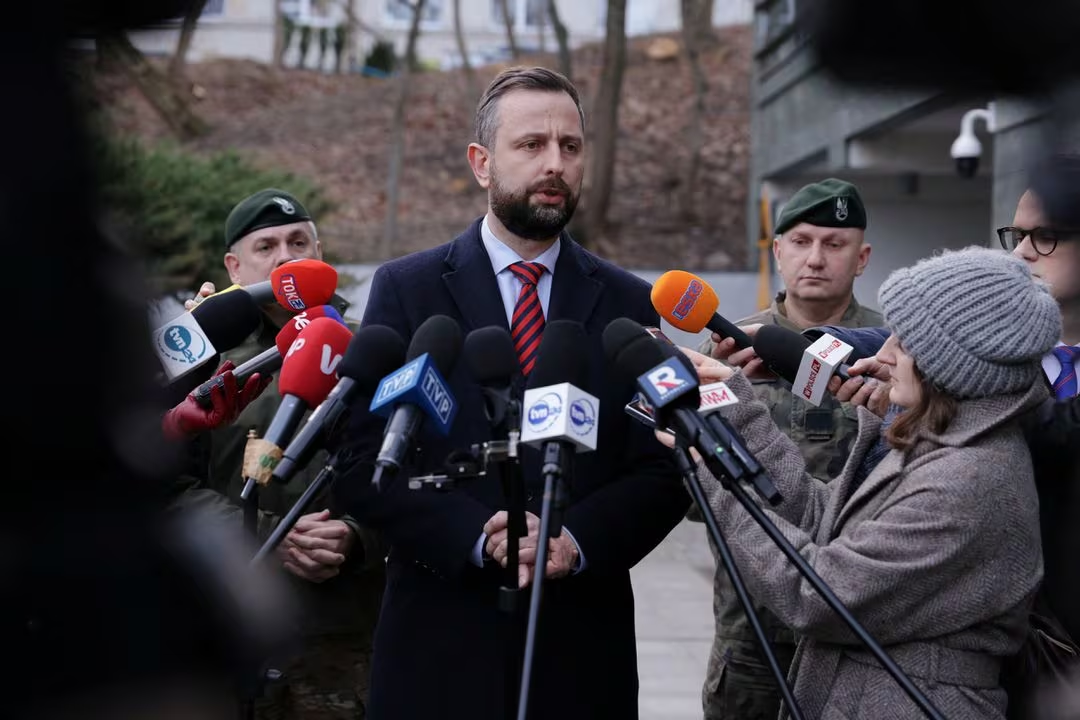
Ahead of the NATO summit, this image carries more force than any diplomatic formula. Volodymyr Zelenskyy called on allies to make strong decisions and directly linked civilian protection to air defense deliveries. For Ukraine, words of support matter only when they become interceptor missiles.
Zelenskyy’s meeting with Donald Trump in Ankara will now take place under the pressure of this night. If Washington wants to speak about ending the war, it cannot separate peace from the protection of the sky. Negotiations without stronger defense risk becoming not a path to peace, but a pause Moscow can use for another strike.
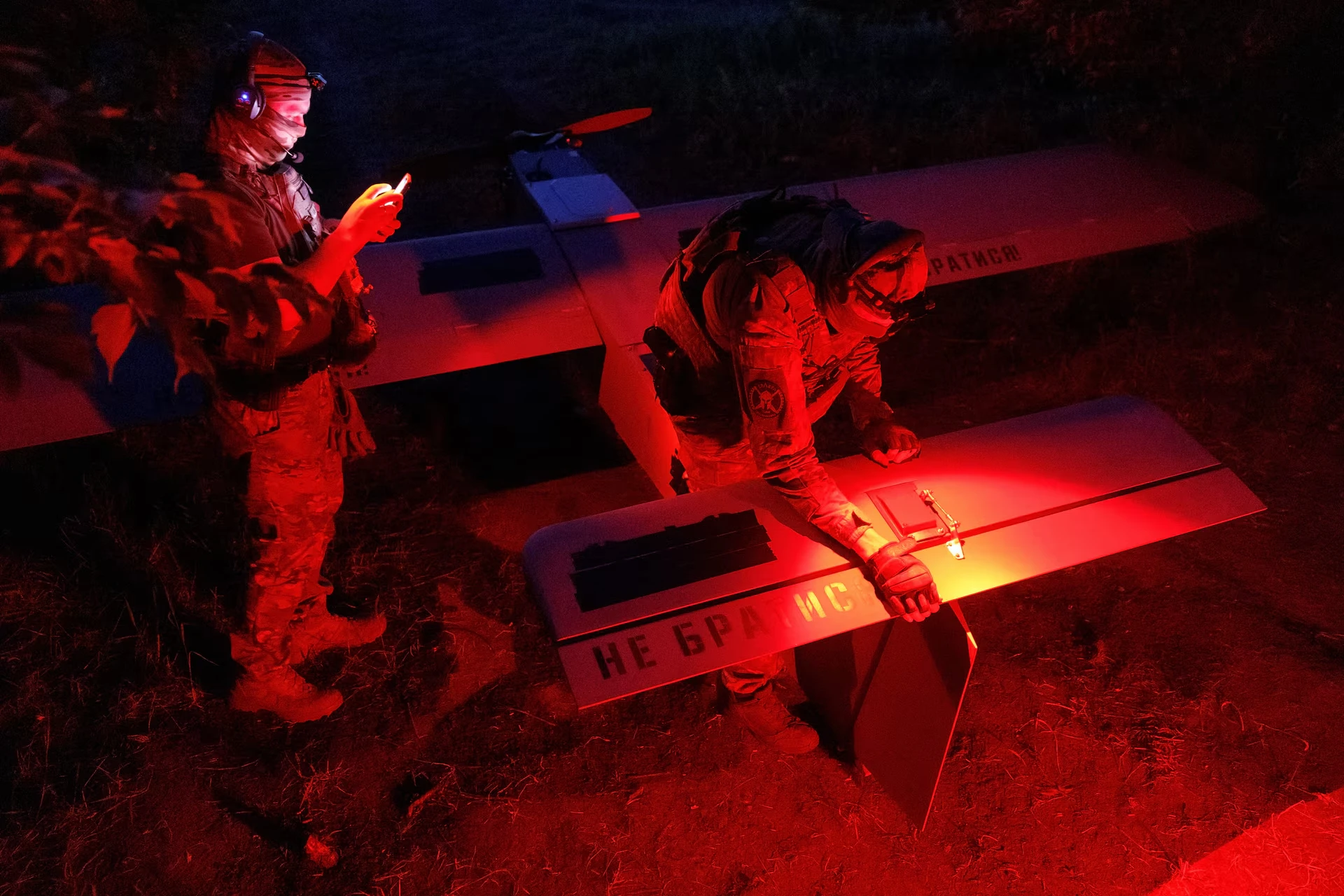
Russia is also trying to present its attacks as a response to Ukrainian strikes on its rear infrastructure. Ukrainian drones are indeed increasingly targeting energy facilities, ports, logistics hubs and occupied Crimea. In Sevastopol, strikes on energy infrastructure caused a temporary blackout.
But there is no symmetry here. Ukraine is trying to weaken the resource base of the war — fuel, ports, logistics and military facilities. Russia responds with massive strikes that kill residents of the capital, destroy apartment buildings and force entire districts to relive nights of fear.
That does not diminish the military logic of Ukrainian strikes on Russian rear areas. On the contrary, it makes them more important: Kyiv is trying to raise the cost of the war for Moscow, disrupt its logistics and show that occupied Crimea and Russian ports are not beyond reach. But such a campaign cannot replace the need for a stronger sky over Ukrainian cities.
At this point, the war is entering a dangerous phase. Ukraine is developing drones and long-range capabilities, while Russia searches for gaps in air defense and exploits the Patriot shortage as an operational opportunity. Each side is striking the other’s weaknesses, but for Ukraine the price of a mistake is measured in lives lost in residential neighborhoods.
That is why the NATO summit in Ankara is becoming a test not of sympathy, but of speed. The Alliance already knows what Ukraine needs: more air defense systems, more interceptors, faster production decisions, long-term contracts and clearer political will. After nights like this in Kyiv, that is no longer a wish list. It is the minimum condition for cities to survive.
Kyiv has endured again, but endurance itself must not reassure its allies. The city can clear glass, put out fires, repair facades and return transport to its routes. But no capital has an unlimited reserve of human pain that can be called resilience every time.
Russia is striking Kyiv before the summit not because it has failed to hear talk of peace, but because it wants to define the price of that peace. It is trying to prove that it can raise the stakes at any moment. The West’s response must be more than diplomatic. If Ukraine’s sky remains open to ballistic missiles, any peace process will be born under the ruins of apartment buildings.