



















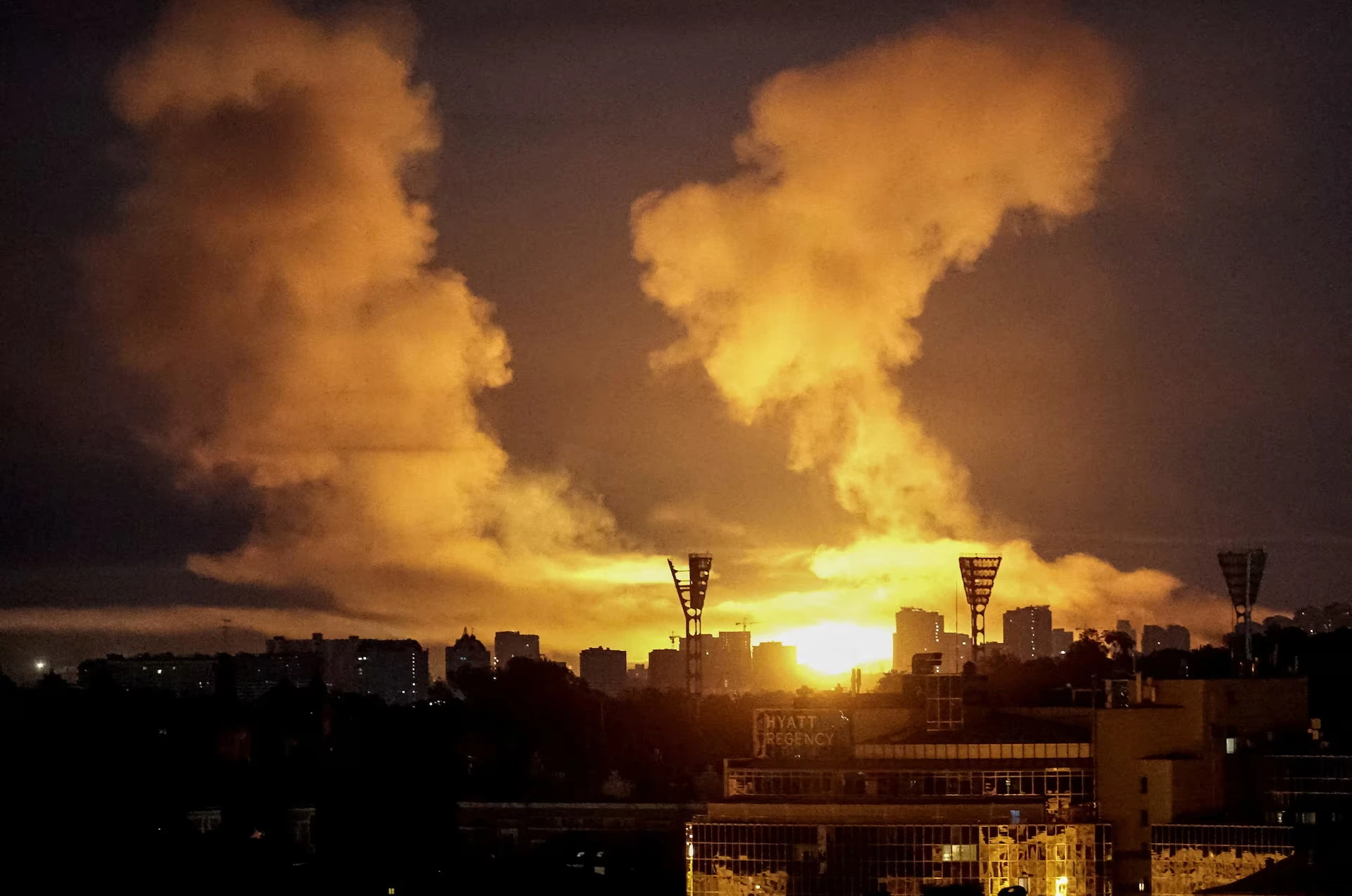
Kyiv again woke not to morning, but to explosions, sirens and fires. Russia attacked the capital with waves of ballistic missiles and drones, turning the night into a prolonged assault on residential neighborhoods, civilian infrastructure and the fragile feeling of safety.
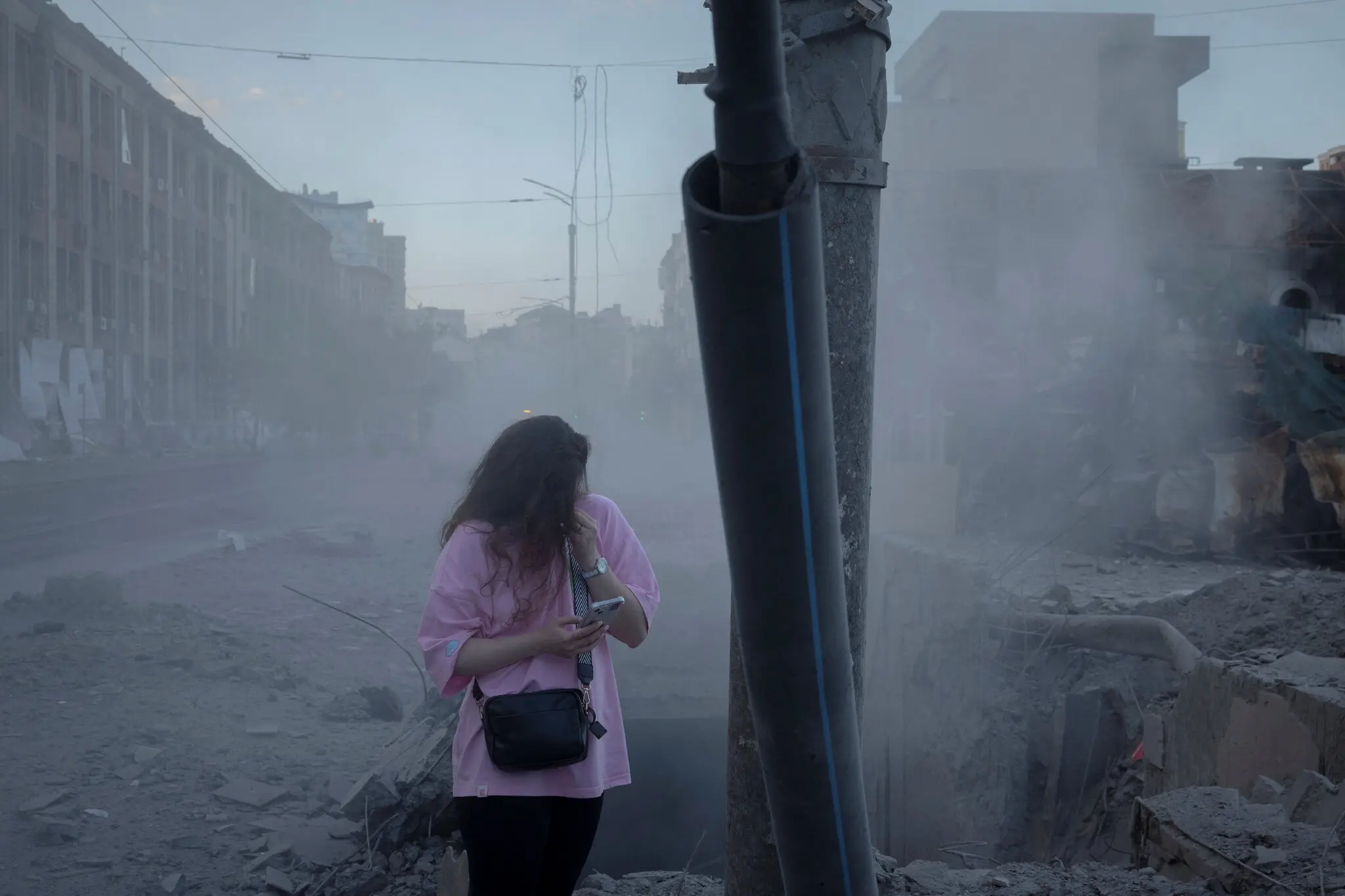
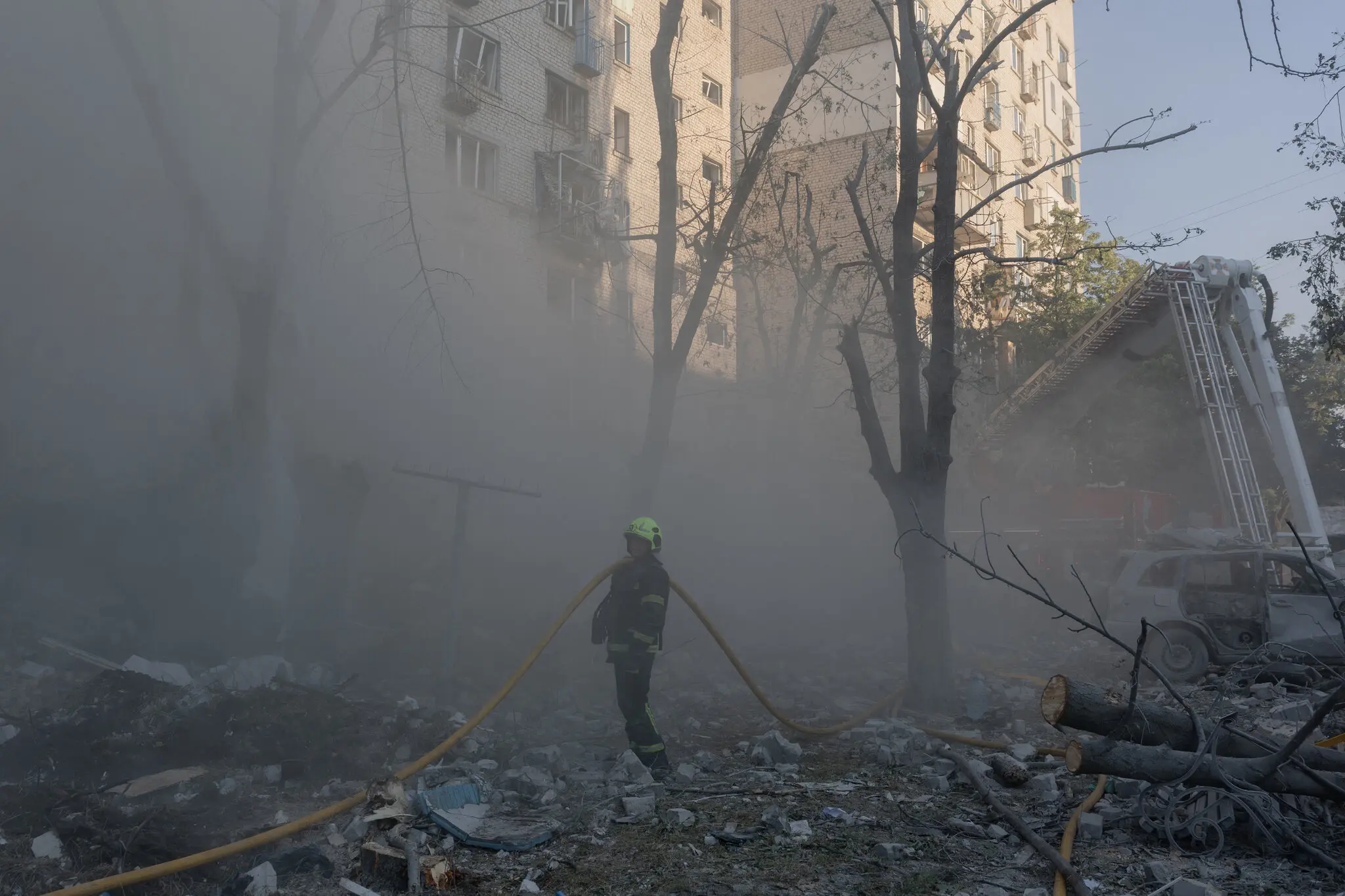
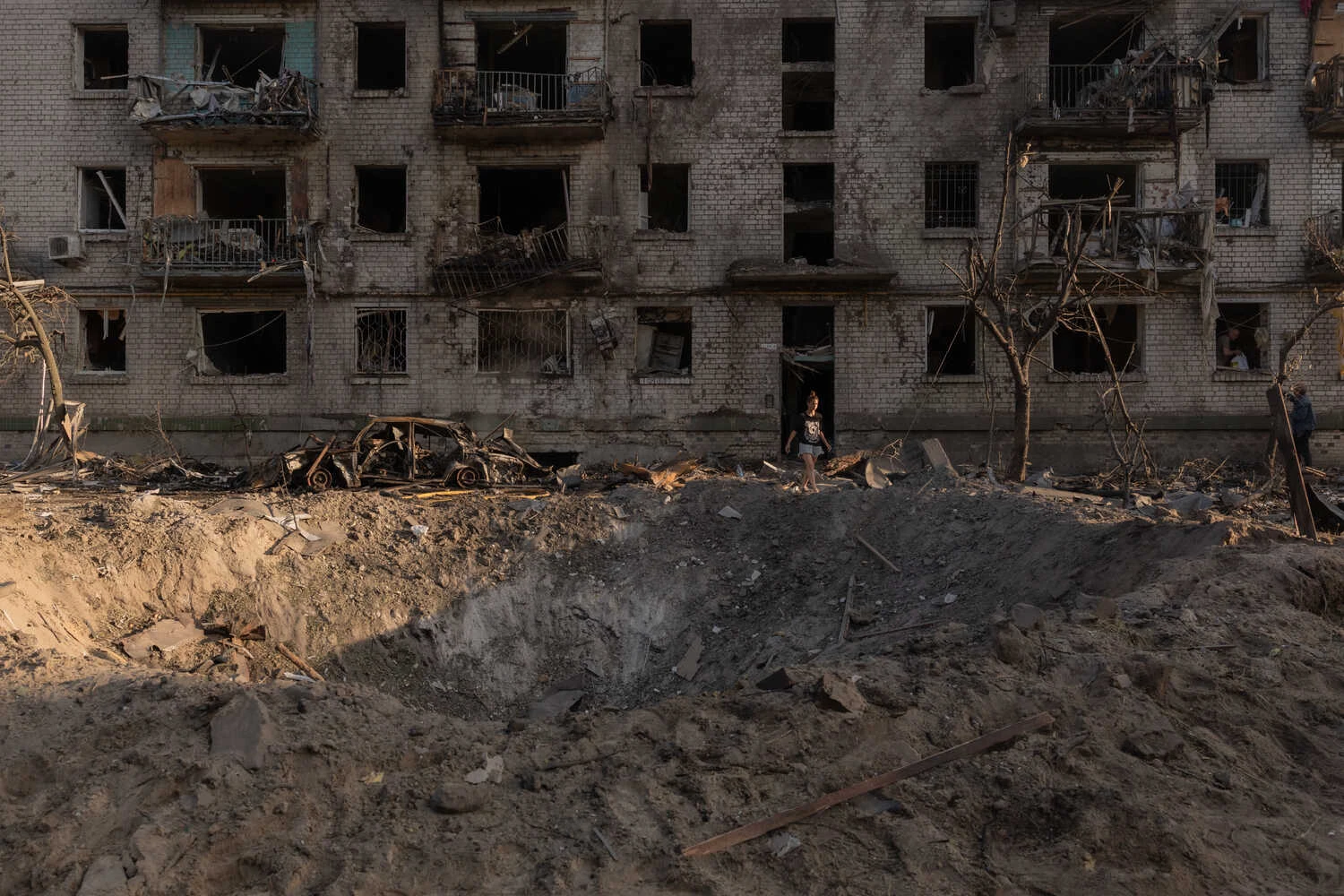
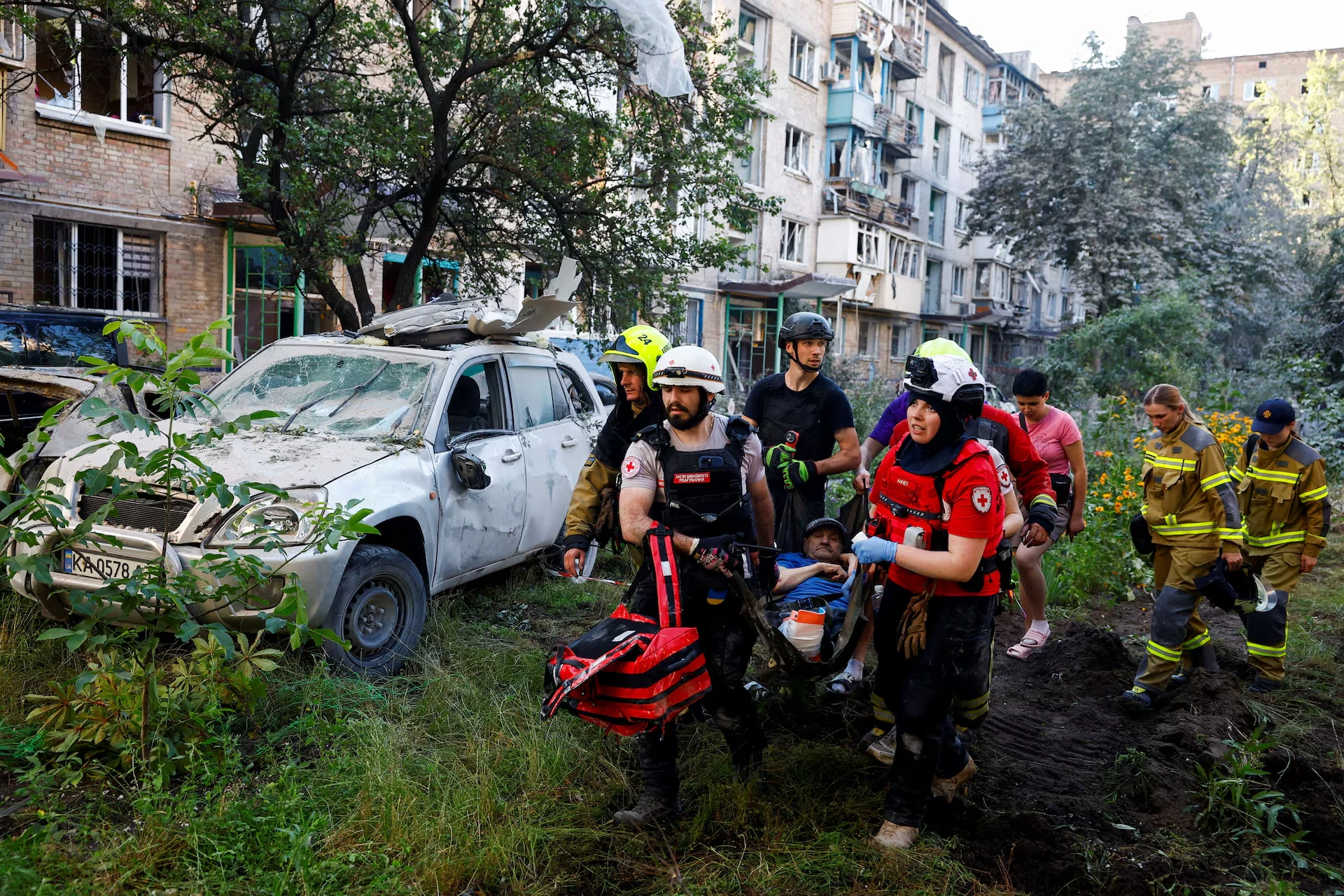
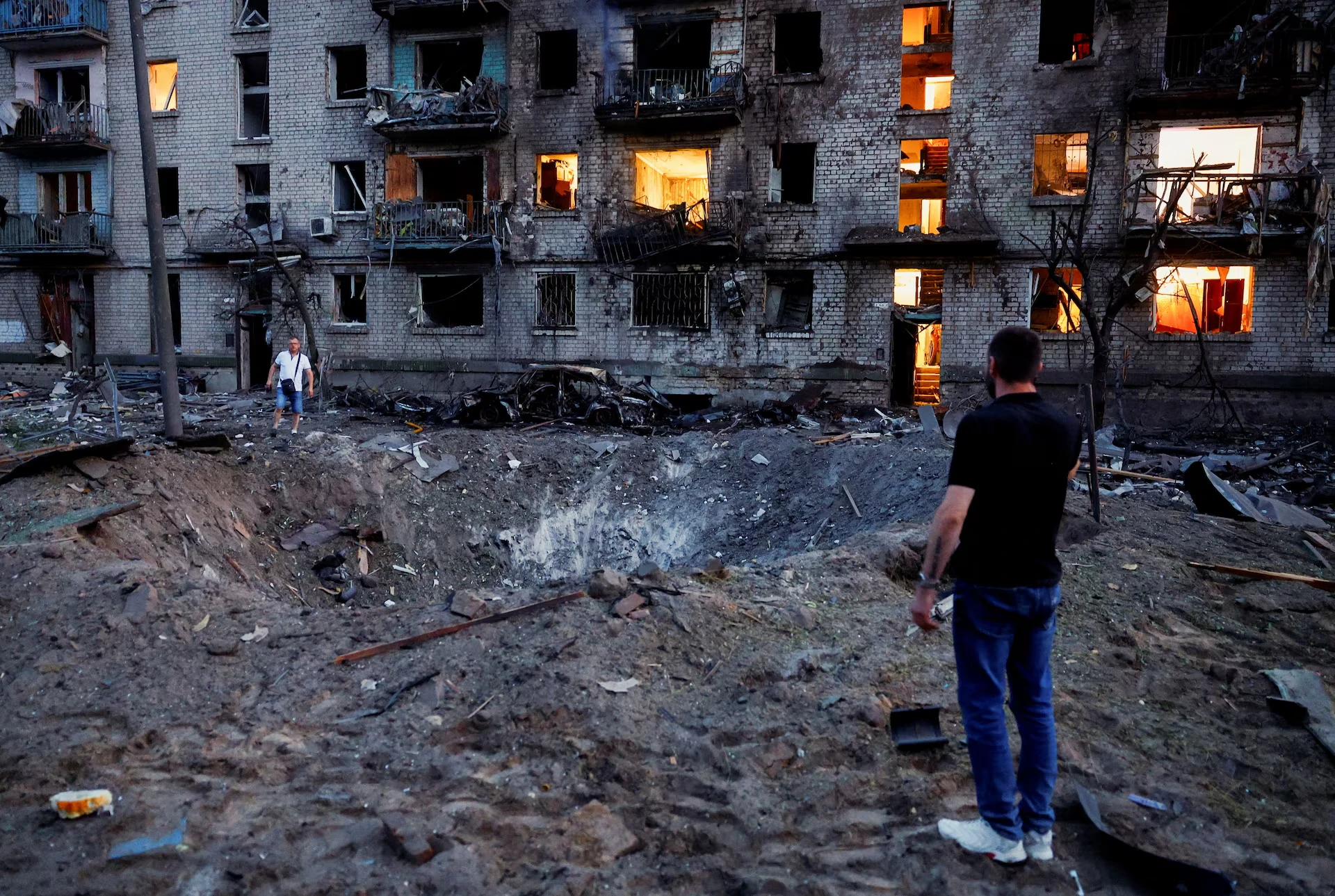
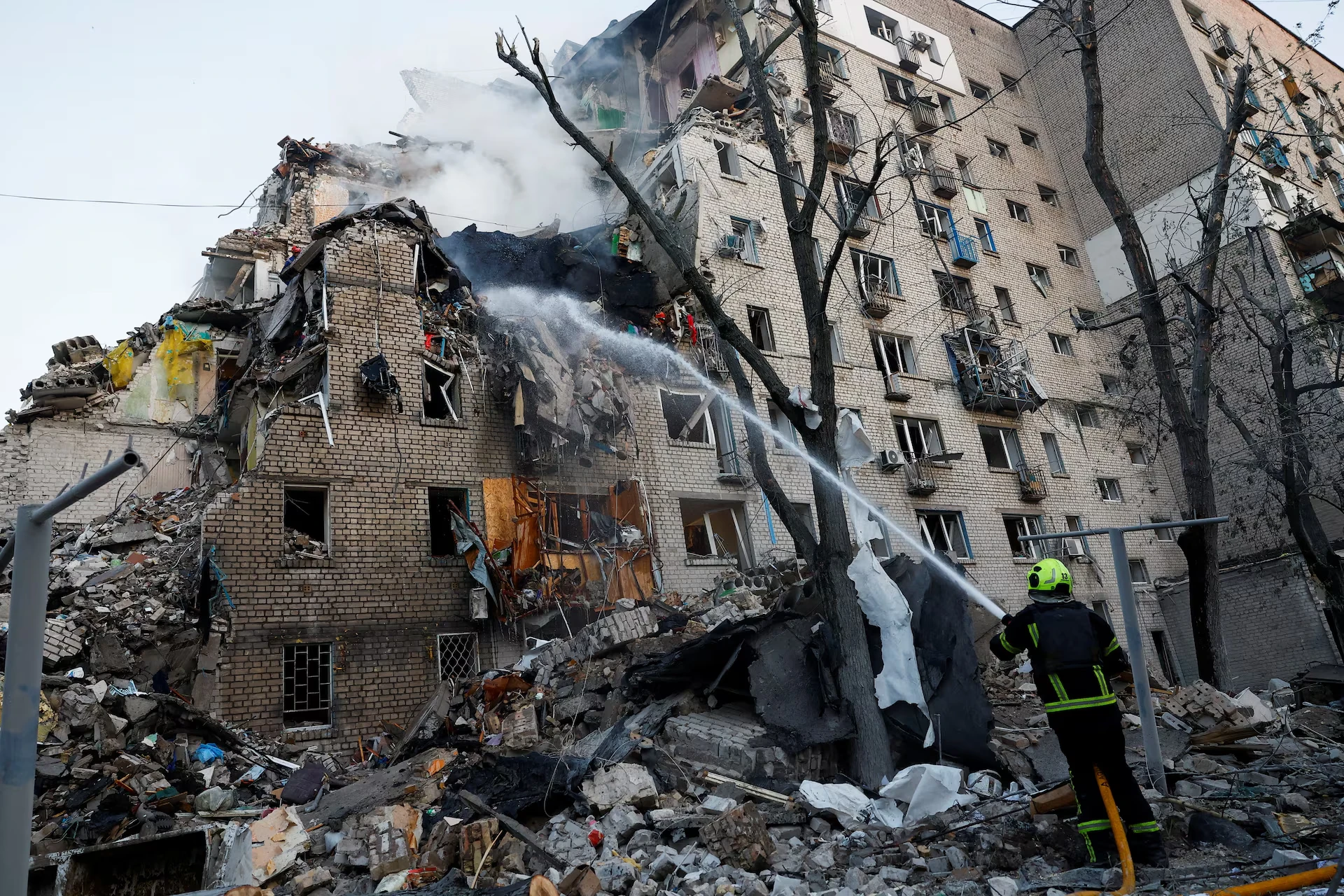
At least 30 people were killed and more than 92 were wounded. Apartment blocks were partially destroyed, people may have remained trapped under the rubble, and rescuers worked at several sites at once as more explosions sounded over the city.
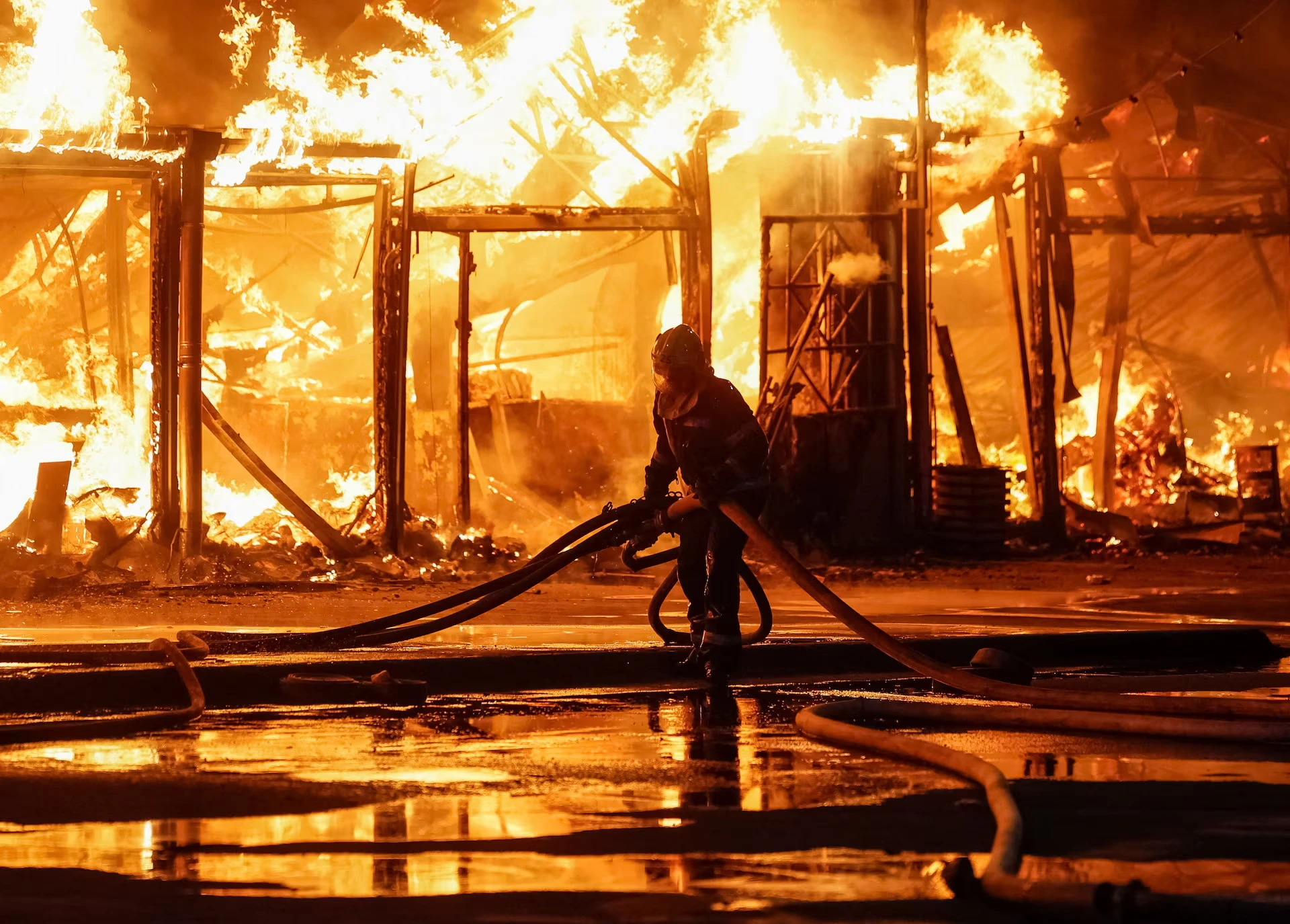
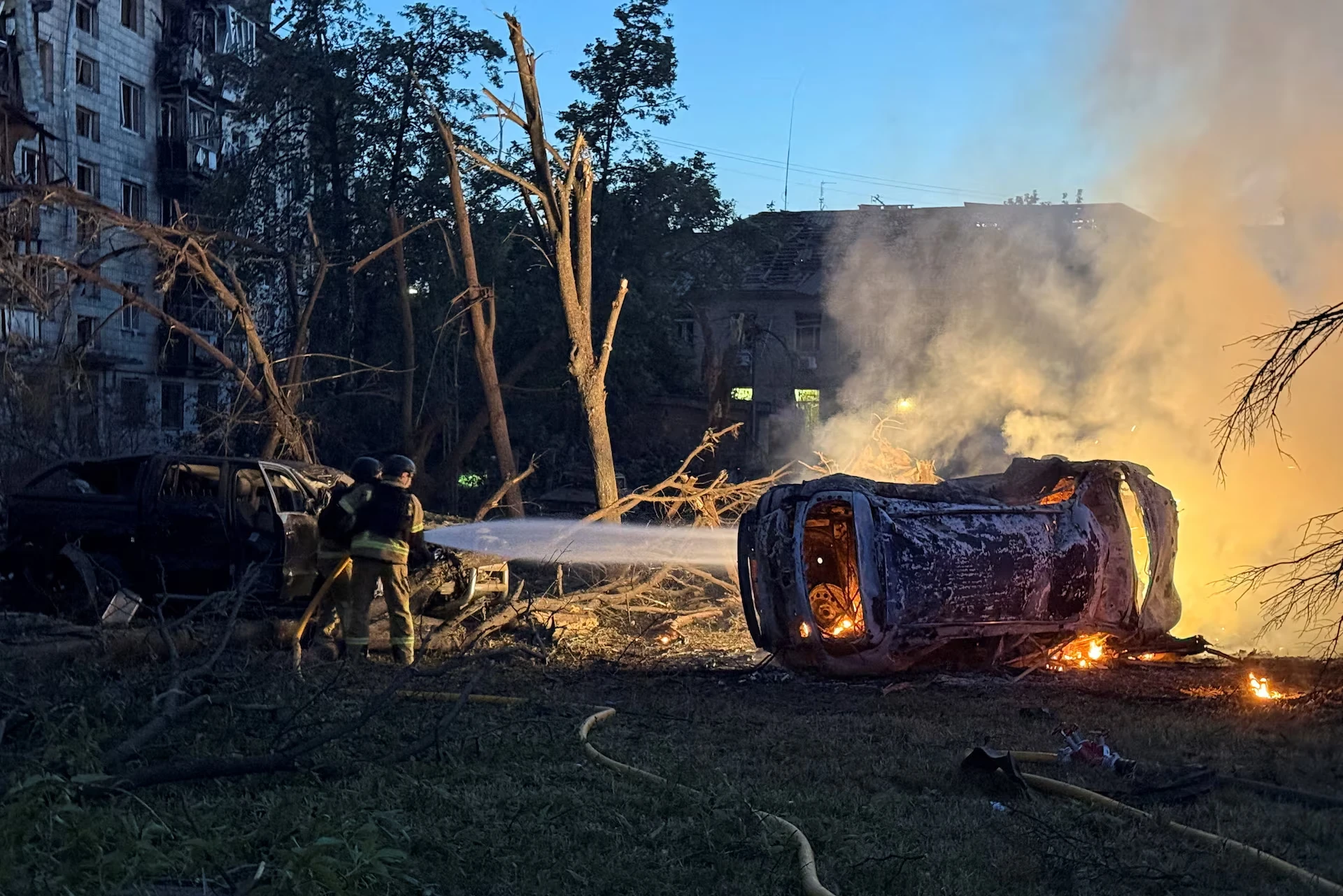
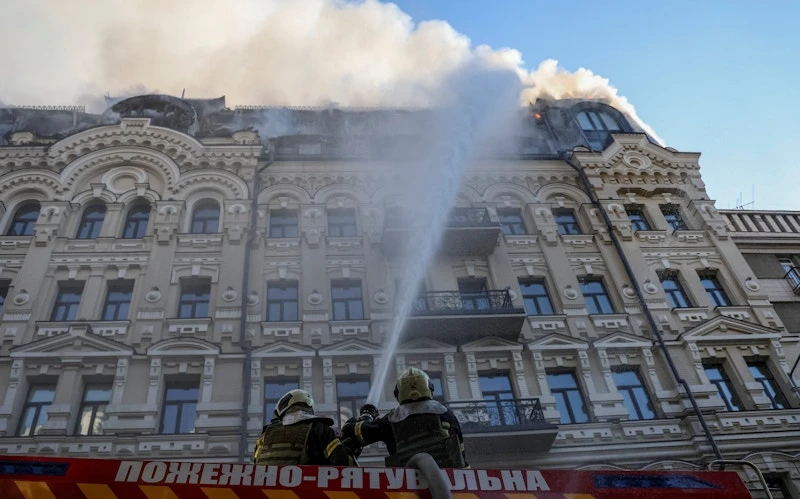
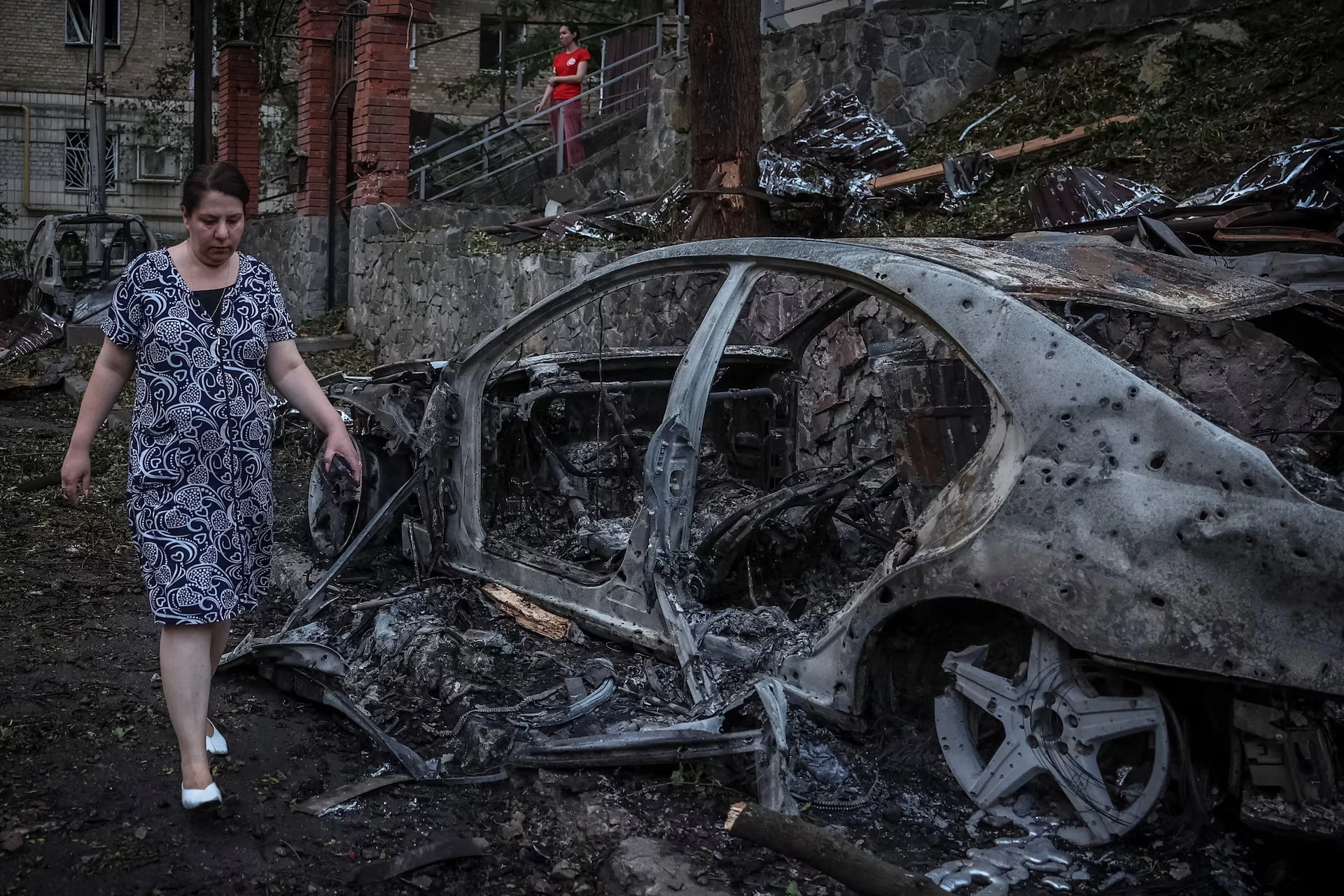
Fires broke out in different districts of the capital. Apartments and cars burned; a market, a hotel and an ambulance station were damaged. This was not a precise strike on a military target, but an attack that once again erased the line between front and rear.
Kyiv again woke not to morning, but to explosions, sirens and fires. Russia attacked the capital with waves of ballistic missiles and drones, turning the night into a prolonged assault on residential neighborhoods, civilian infrastructure and the fragile feeling of safety.
At least 30 people were killed and more than 92 were wounded. Apartment blocks were partially destroyed, people may have remained trapped under the rubble, and rescuers worked at several sites at once as more explosions sounded over the city.
Fires broke out in different districts of the capital. Apartments and cars burned; a market, a hotel and an ambulance station were damaged. This was not a precise strike on a military target, but an attack that once again erased the line between front and rear.
According to Daycom’s earlier analysis, the nighttime strike on Kyiv should be read as part of a broader Russian logic of coercion. Moscow is trying to show that Ukrainian attacks on its rear will not go unanswered, and that Ukraine’s capital will continue to pay a human price in a war of attrition.
In recent weeks, Ukraine has intensified drone strikes on Russian territory. Fuel infrastructure, logistics, targets in occupied Crimea and areas the Kremlin long tried to keep psychologically distant from the war have come under pressure.
Those attacks are gradually eroding one of Vladimir Putin’s central political constructs: the idea that the war can remain a television event for most Russians, rather than a physical threat. When drones reach fuel facilities and strategic nodes, that distance disappears.
That is why the strike on Kyiv looks not only like a military operation, but also like a political signal. The Kremlin is trying to return fear to the center of Ukrainian life, demonstrate its capacity for escalation and cover its own vulnerability with a display of force.
Moscow described the attack as a response to Ukrainian strikes inside Russia. That formula serves two purposes. For the domestic audience, it explains violence as retaliation. For the outside world, it tries to equate attacks on Russia’s military rear with mass strikes on Ukraine’s capital.
But that equivalence does not hold. Ukraine’s recent strikes have been aimed primarily at energy, military and logistical elements of Russia’s war machine. In Kyiv, residential buildings, civilians, medical infrastructure and urban space were again hit.
For Putin, this escalation has another function: compensating for the absence of major battlefield success. The Russian army is trying to seize the rest of Donetsk region, but it is advancing slowly, at heavy cost and without a rapid strategic result.
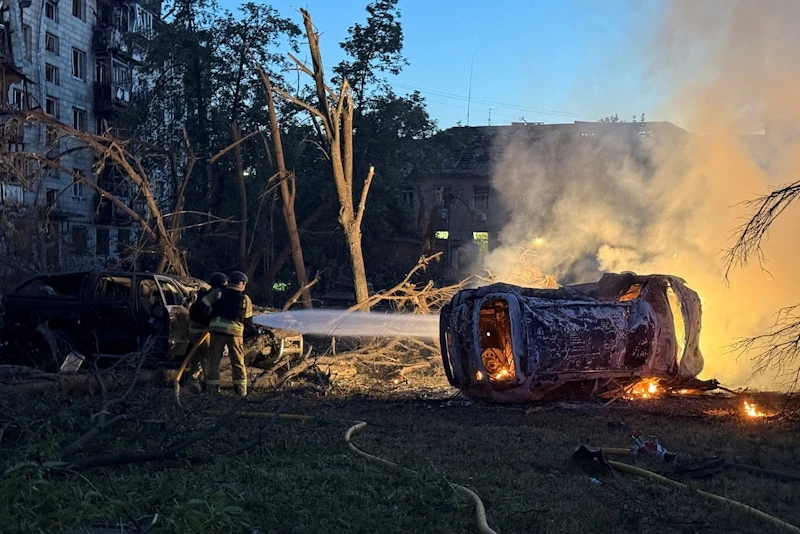 у Києві, 2 липня 2026 року — Stringer
When the front does not produce a convincing victory, the Kremlin shifts emphasis to long-range terror. Missiles and drones become a way to create the illusion of initiative: if Russian forces cannot break through on the ground, they can strike cities, energy sites, hospitals, hotels and markets.
Kyiv had been expecting a large attack. About two weeks had passed since the previous massive strike — enough time for Russia to accumulate missiles and drones for another wave. President Volodymyr Zelensky had warned in advance that Moscow was preparing a “massive strike.”
That predictability does not make the attack less dangerous. On the contrary, it shows how the war is entering a rhythm of accumulation and exhaustion. Russia gathers strike systems, Ukraine prepares air defenses, the city lives between alerts, and civilians again become part of a strategic calculation.
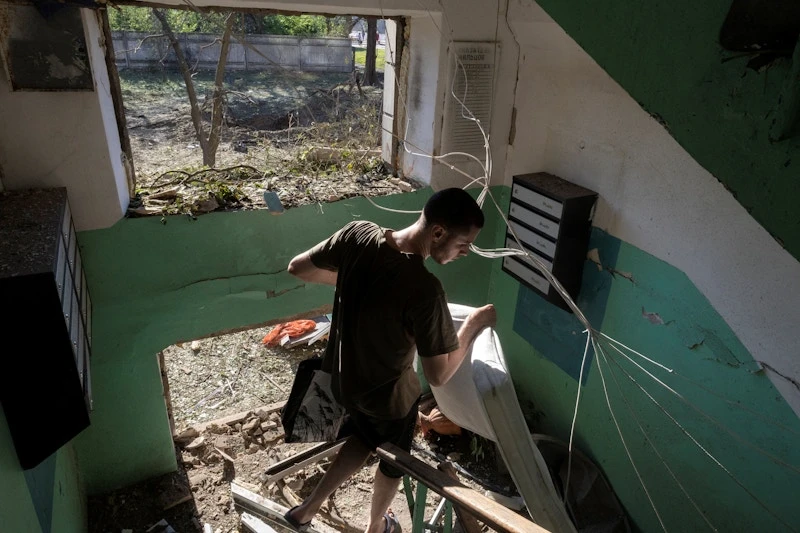
For the capital, each such strike has several layers of consequences. There is the immediate one: the dead, the wounded, destroyed apartments, fires and searches under the rubble. There is the longer one: fear, sleeplessness, trauma for children and the strain on rescuers, hospitals and city services.
There is also a political layer. Kyiv remains the symbol of Ukrainian statehood, and attacks on the capital therefore matter not only on the military map. Russia is striking the center of decision-making, the international image of resilience and the psychological nerve of the country.
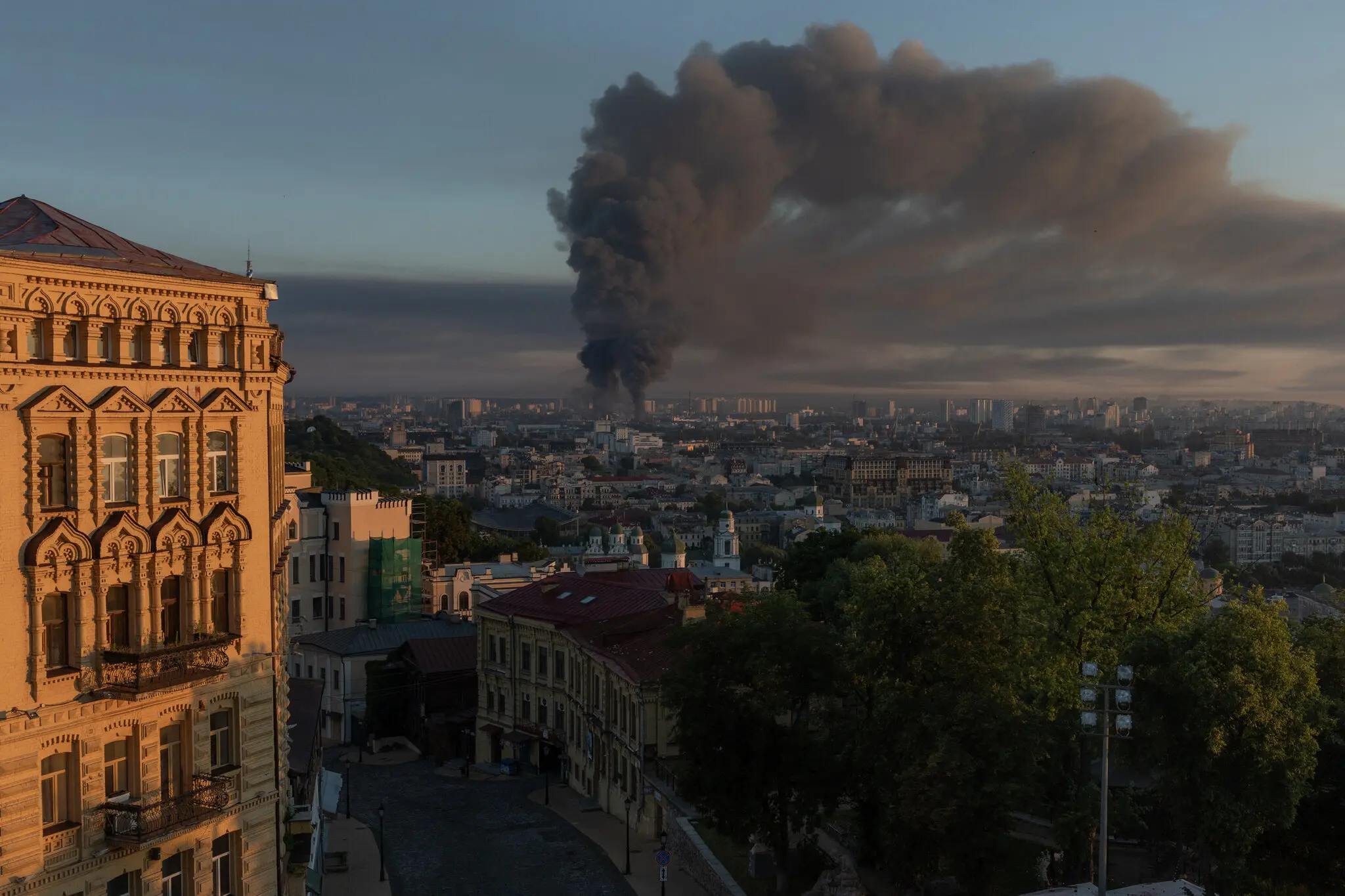
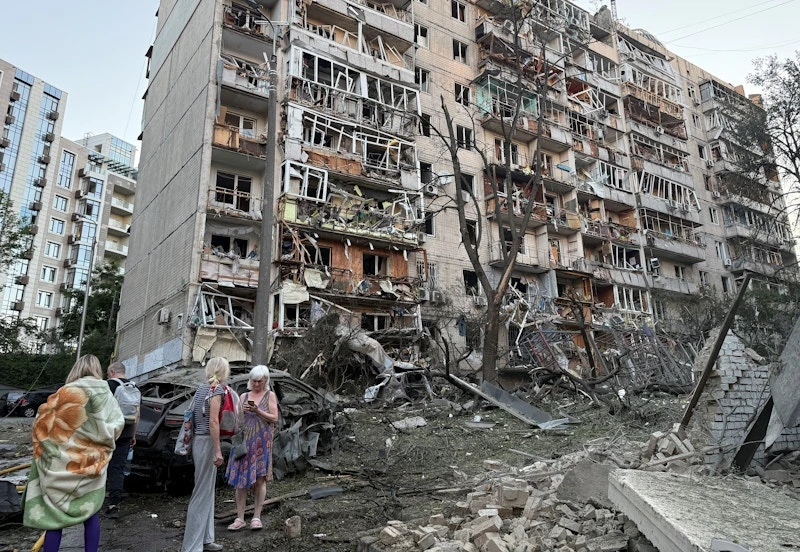
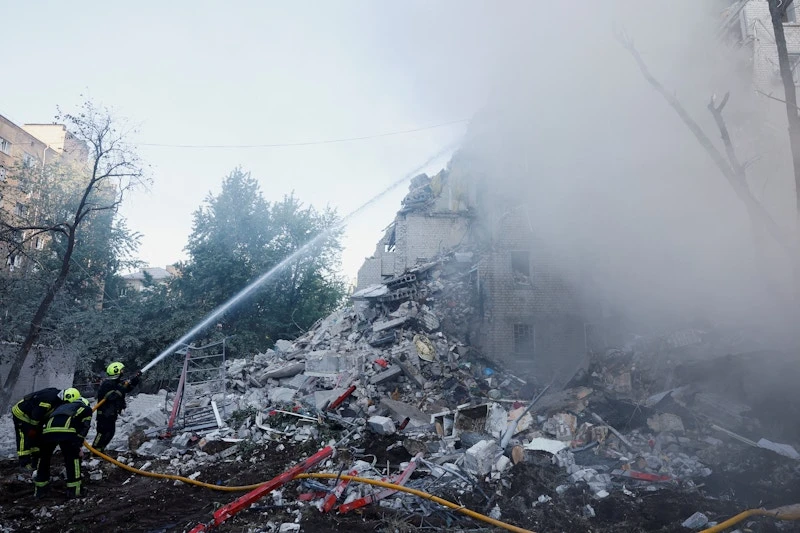
At the same time, such attacks do not change the Kremlin’s central problem: Ukraine is not stopping its strikes on Russia’s rear. On the contrary, each wave of missile terror strengthens Kyiv’s argument that without long-range capabilities, air defense and systematic pressure on Russian military infrastructure, the defense of cities will remain incomplete.
This is where a new stage of the war closes its circle. Russia seeks to intimidate Ukrainian society and make it pay for strikes on Russian territory. Ukraine seeks to make Russia’s war more expensive by hitting fuel, bases, depots and logistics, without which missiles and offensives cannot function.
For Ukraine’s allies, the attack again raises a simple question: is Kyiv receiving protective systems quickly enough? Every destroyed apartment block in the capital is not only the result of a Russian decision, but also a reminder of shortages in air defense systems, interceptor missiles and permissions for deeper strikes.
Russia’s strategy rests on the assumption that pain, repetition and fatigue can become political resources. If Kyiv keeps waking in smoke, Moscow calculates that society and partners will begin looking not for justice, but for a pause at any price.
But the experience of this war shows something else. Massive strikes have not broken the Ukrainian state, but they have made its demands to the world harder. After every attack, the argument for “caution” in supporting Ukraine sounds weaker, because caution does not protect people under rubble.
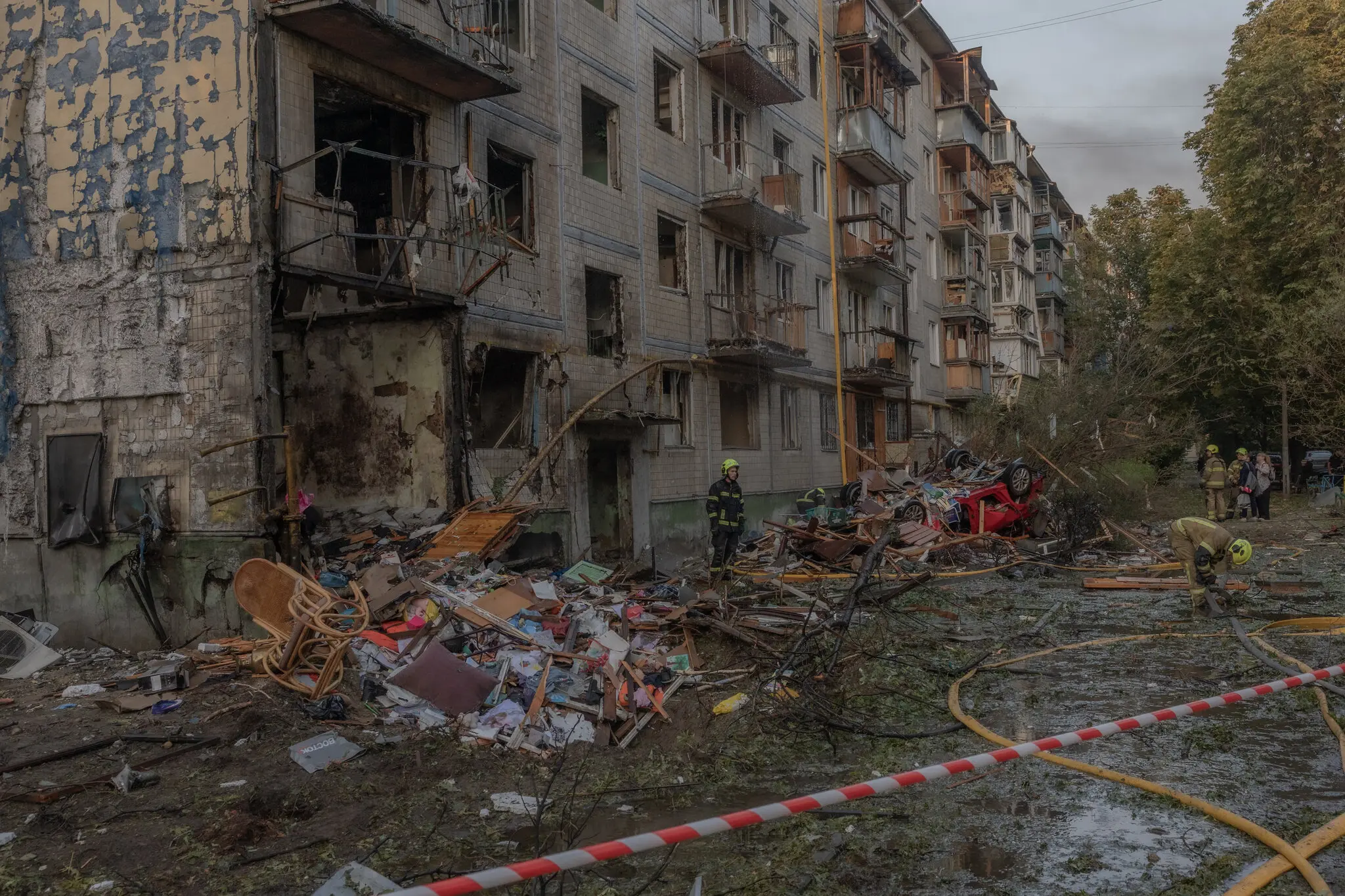
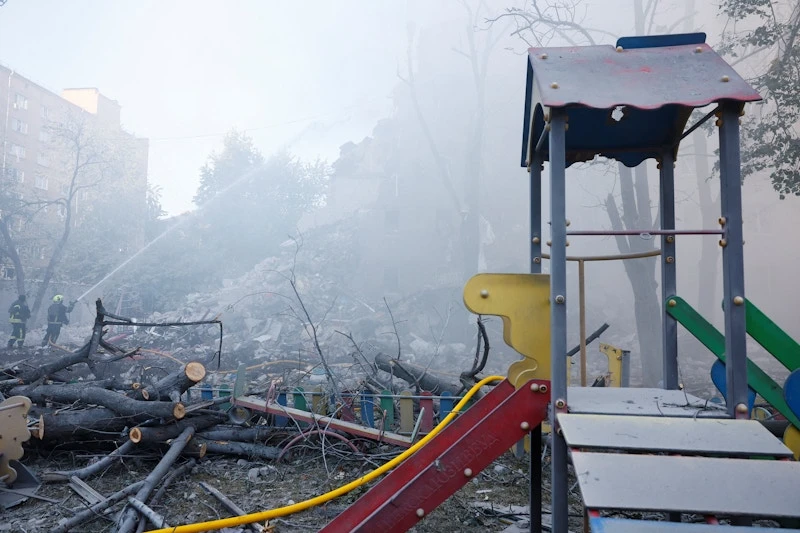 Пошкодження у Києві, 2 липня 2026 року — Валентин Огіренко
The nighttime strike on Kyiv became another proof that Russia is not seeking de-escalation. It answers its own vulnerability with intensified terror, and battlefield problems with strikes on cities. This is not a sign of a force confidently winning. It is a sign of a regime that cannot stop.
Kyiv survived the night with losses, fires and new ruins. But the main conclusion reaches beyond the capital: the war is increasingly becoming a contest not only of armies, but of rear areas, industry, nerves and the ability to endure strikes without giving up the right to strike back.



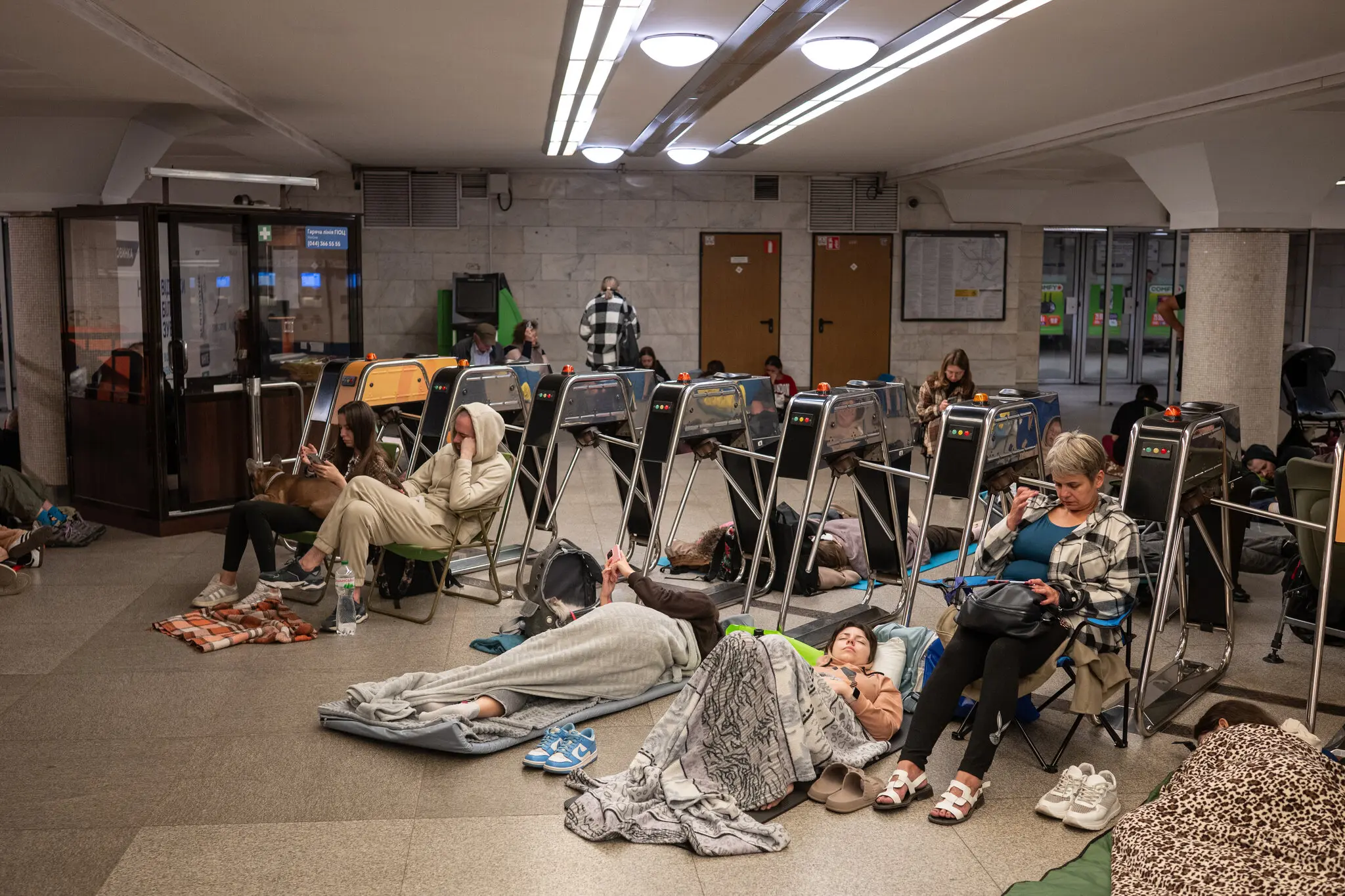
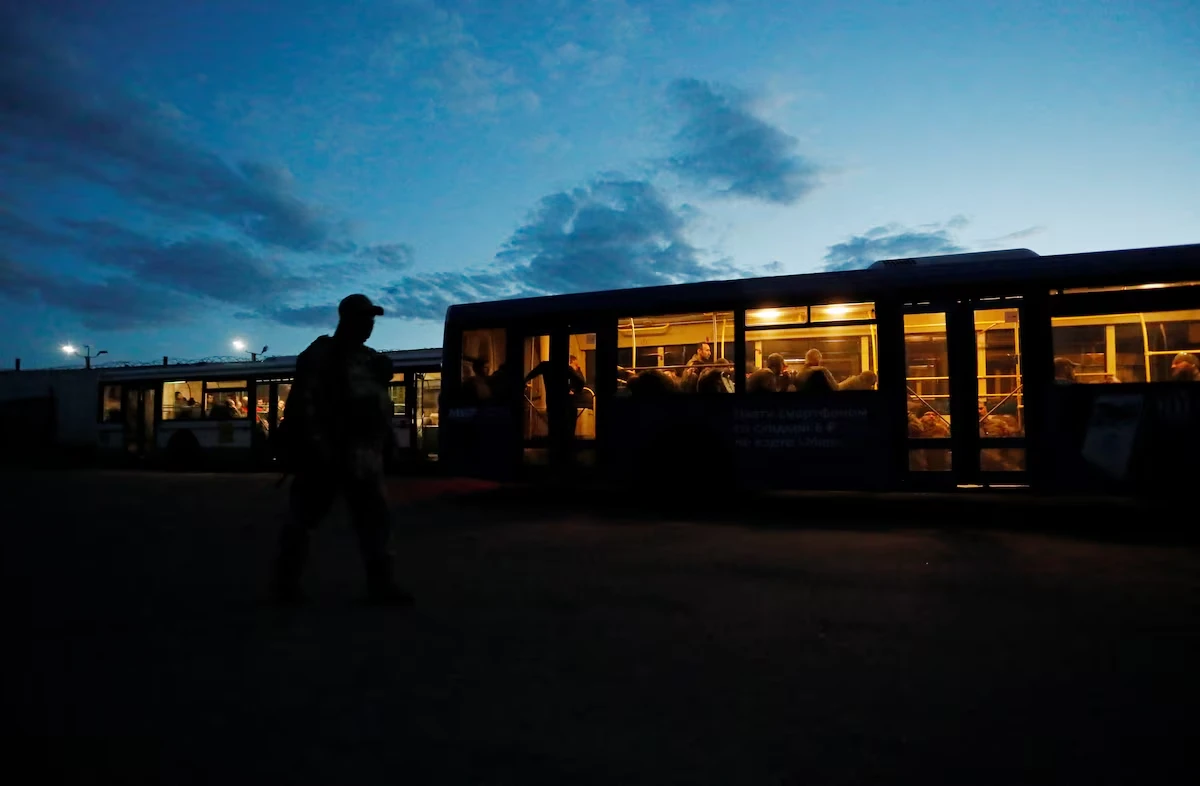

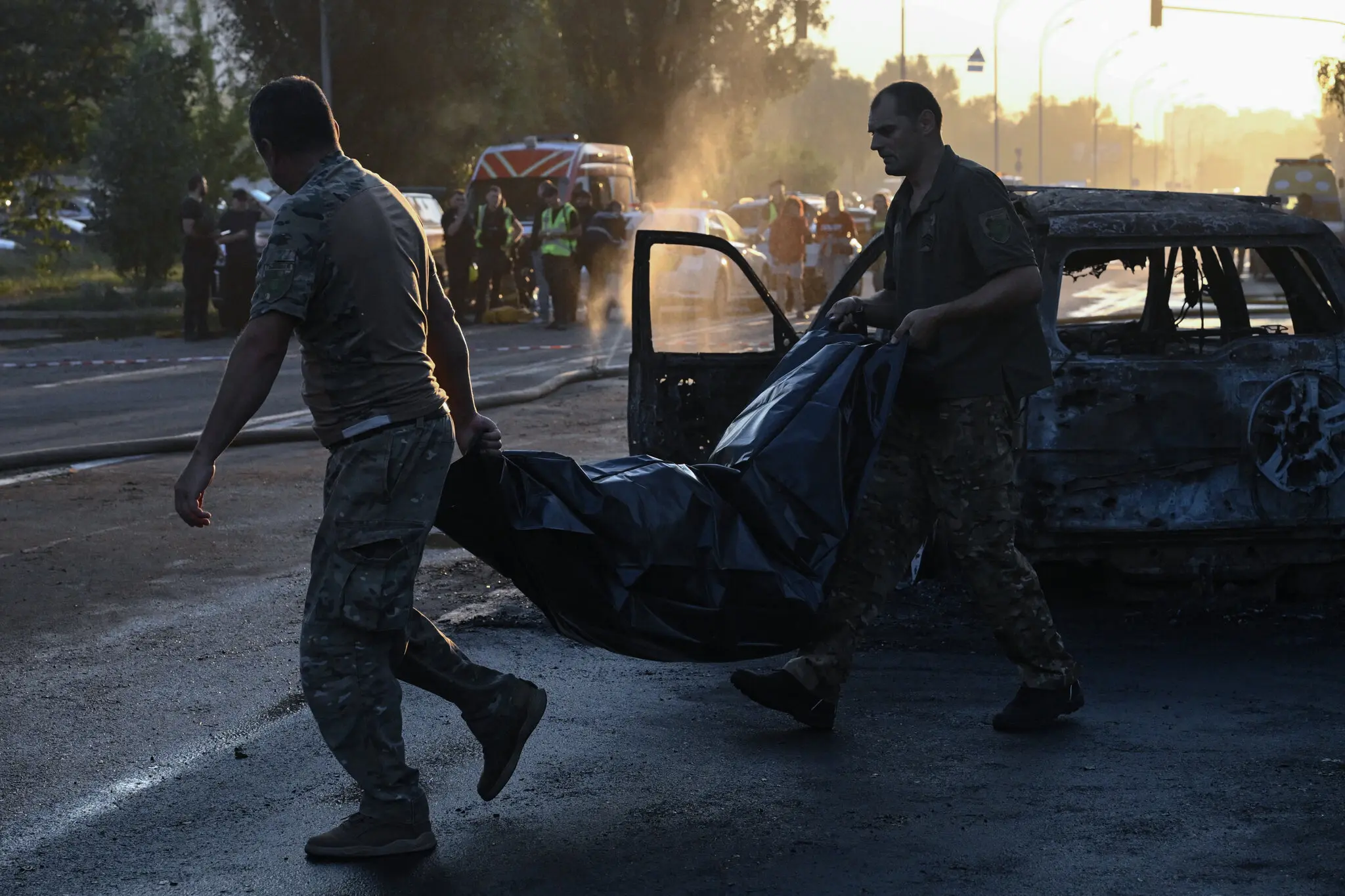 Поліцейські виводять потерпілого з місця російського нападу на Київ у суботу — Геня Савілов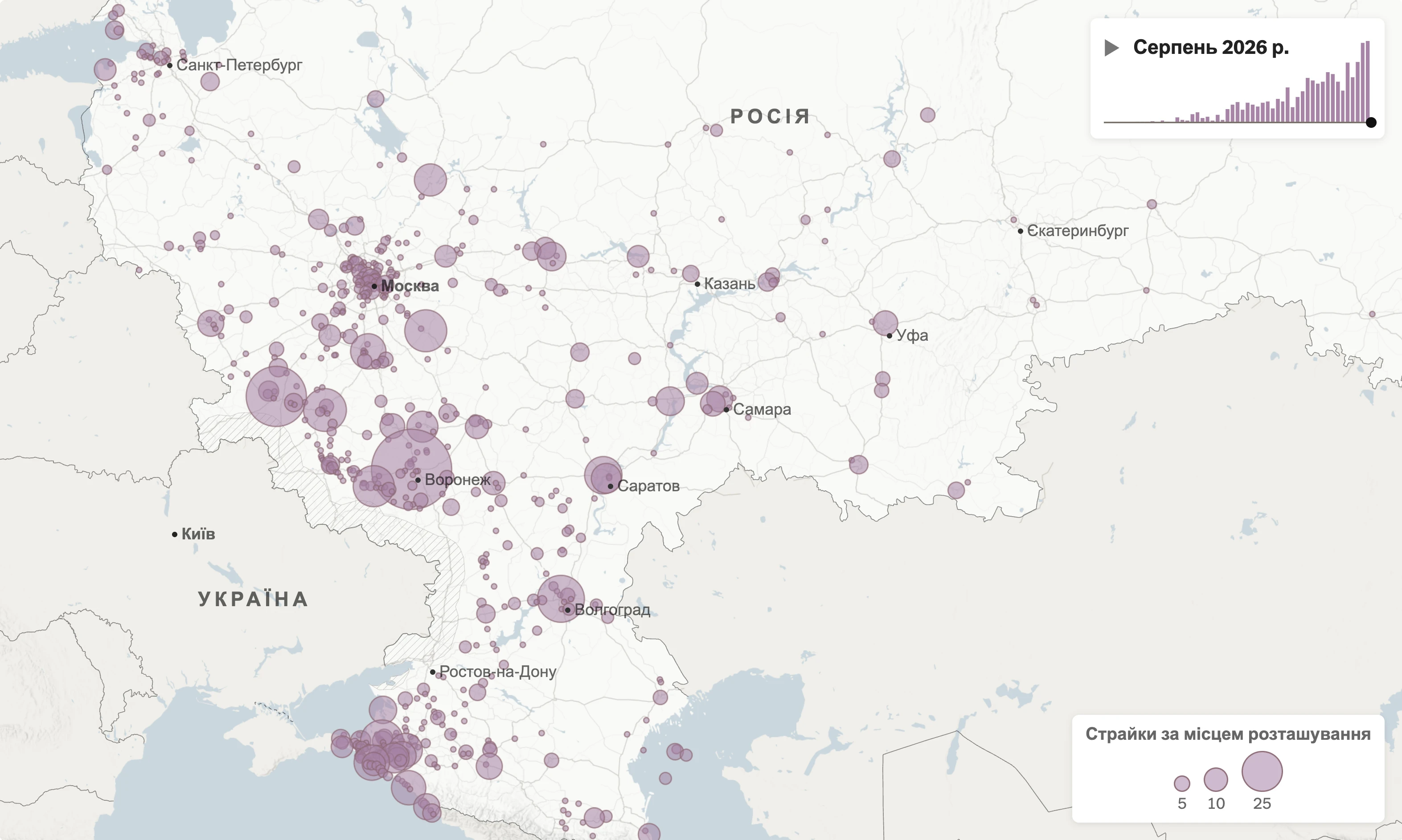
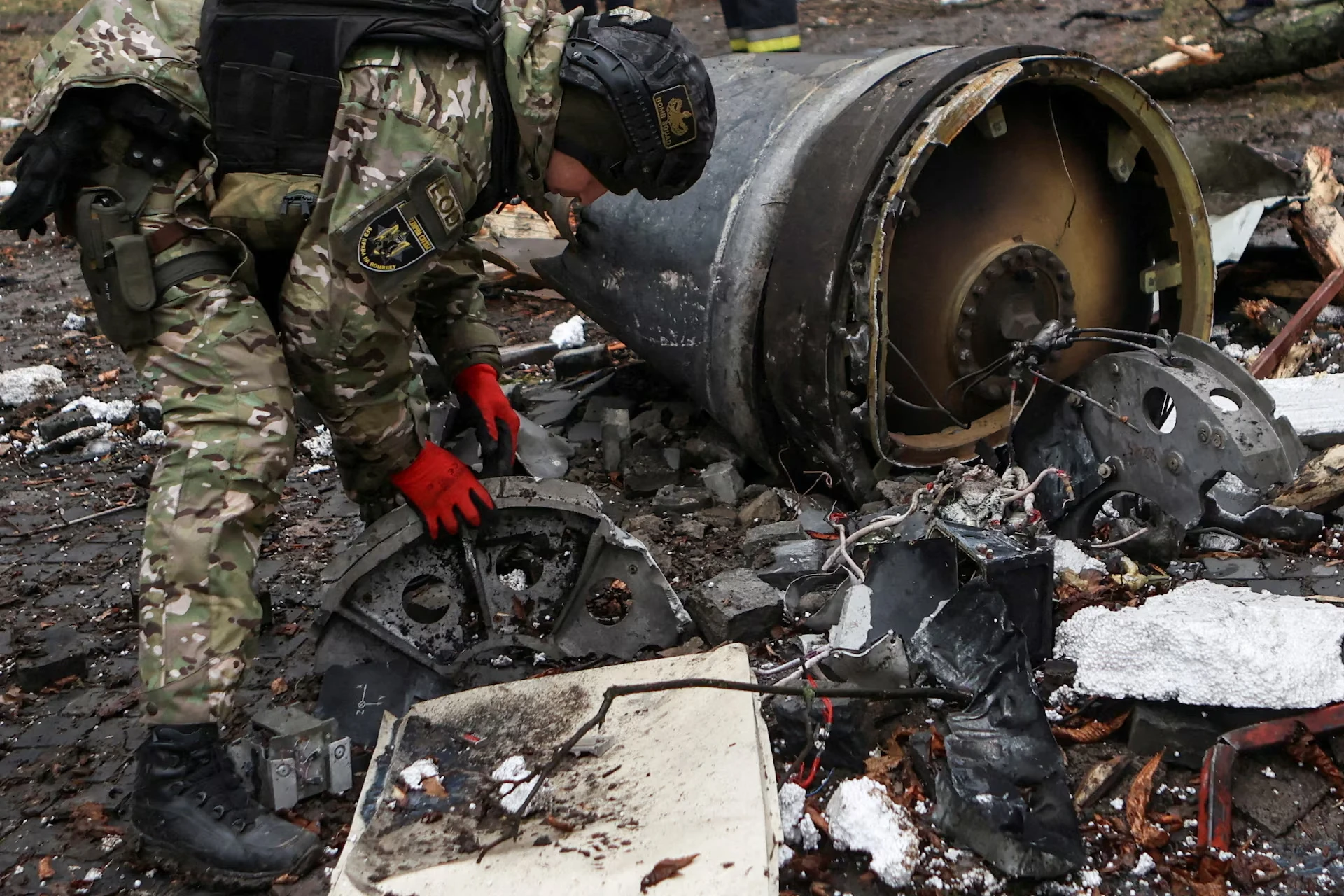
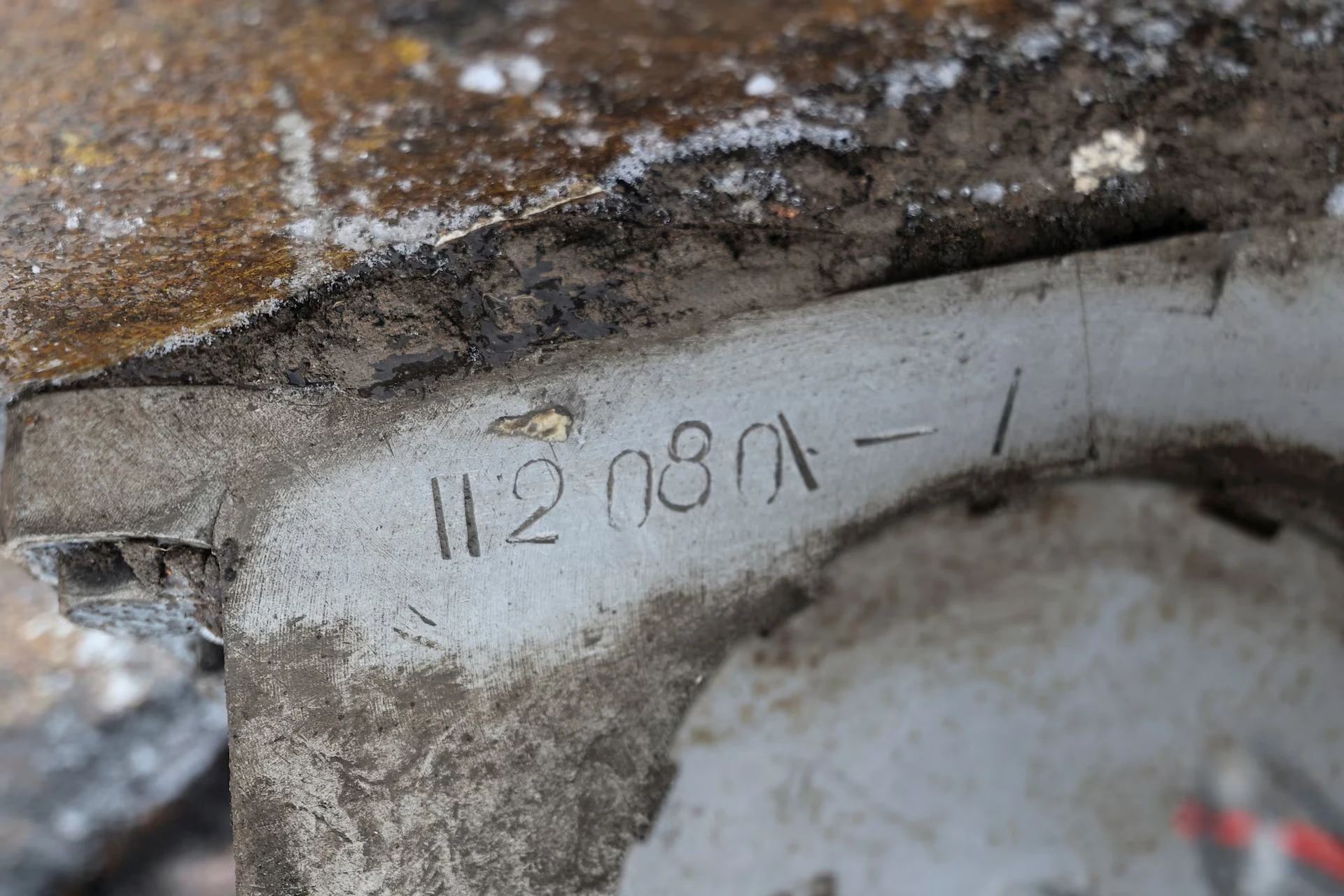



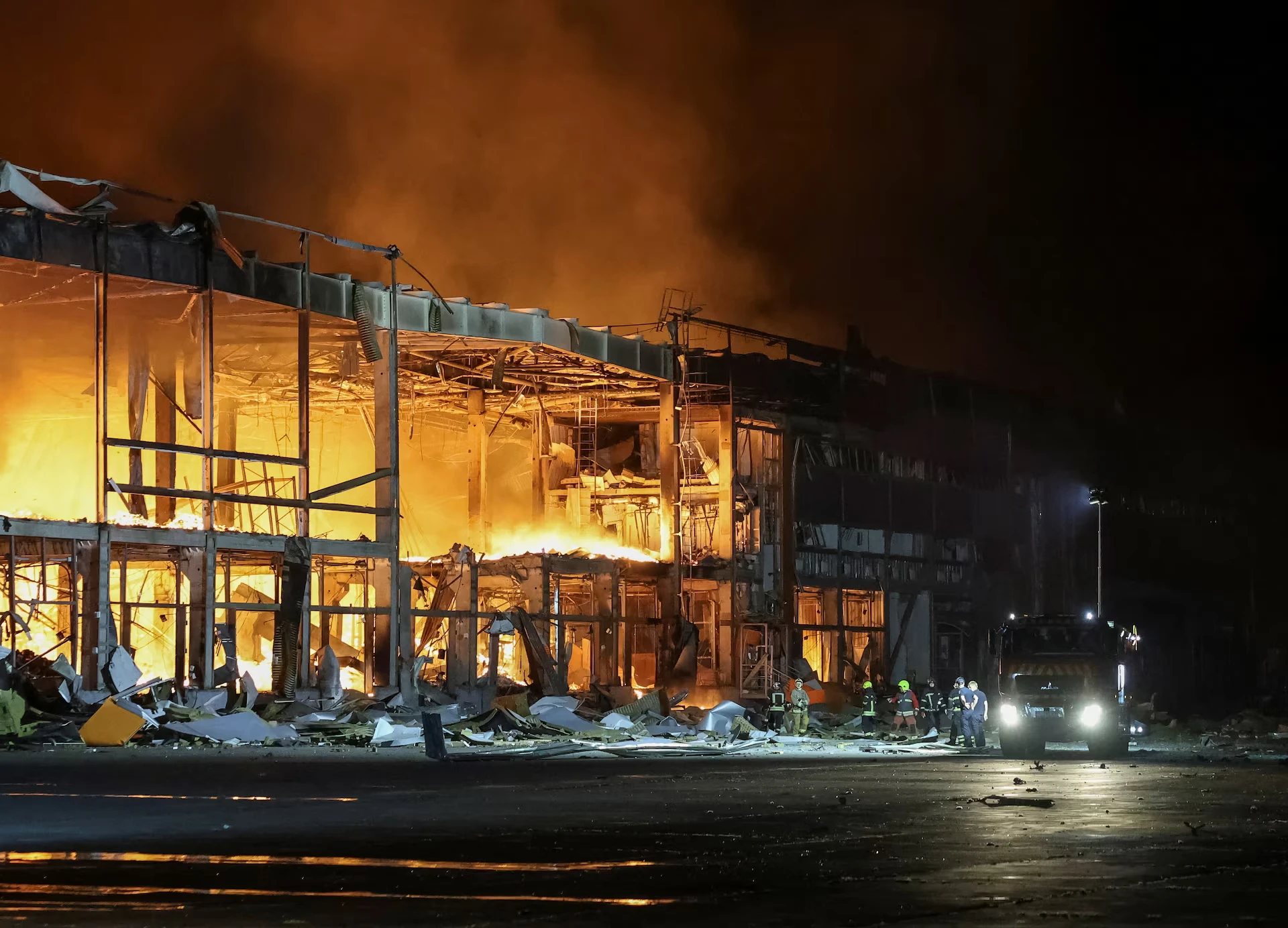
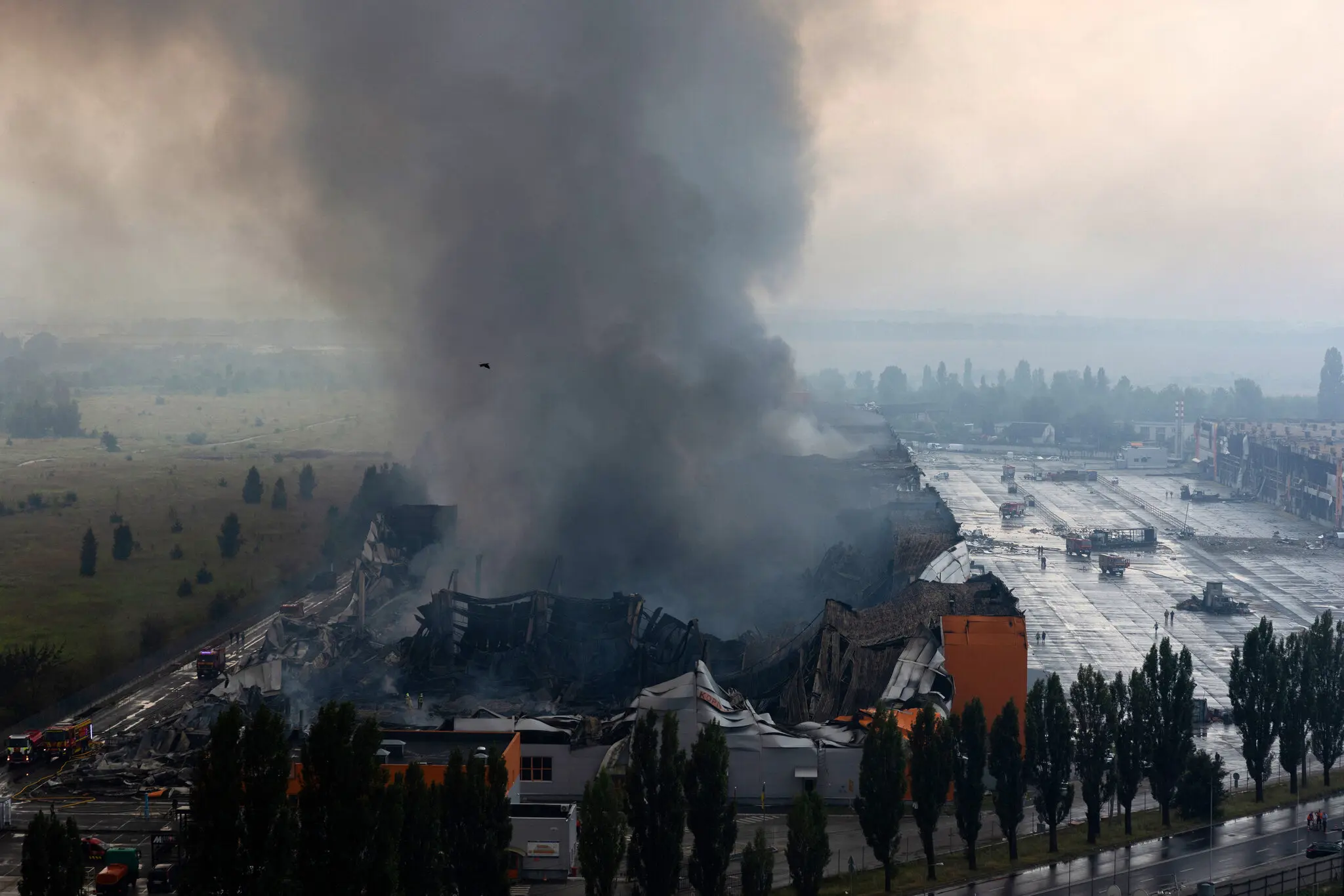
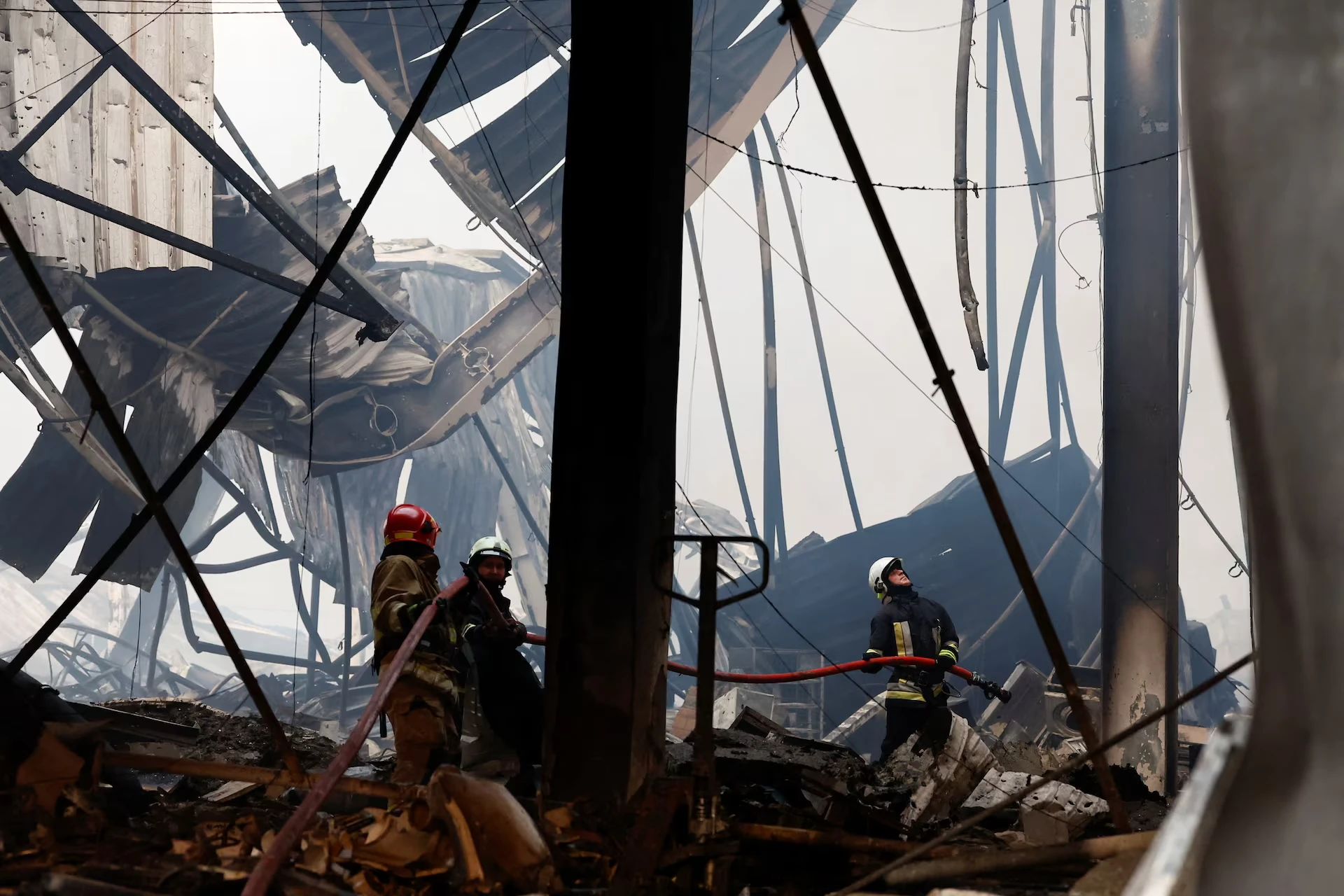 Пожежники працюють у логістичному центрі українського інтернет-магазину Rozetka після того, як він був уражений під час ночі російських ракетних атак та атак безпілотників на тлі нападу Росії на Україну, у Київській області, Україна, 5 серпня 2026 року — Томас Пітер
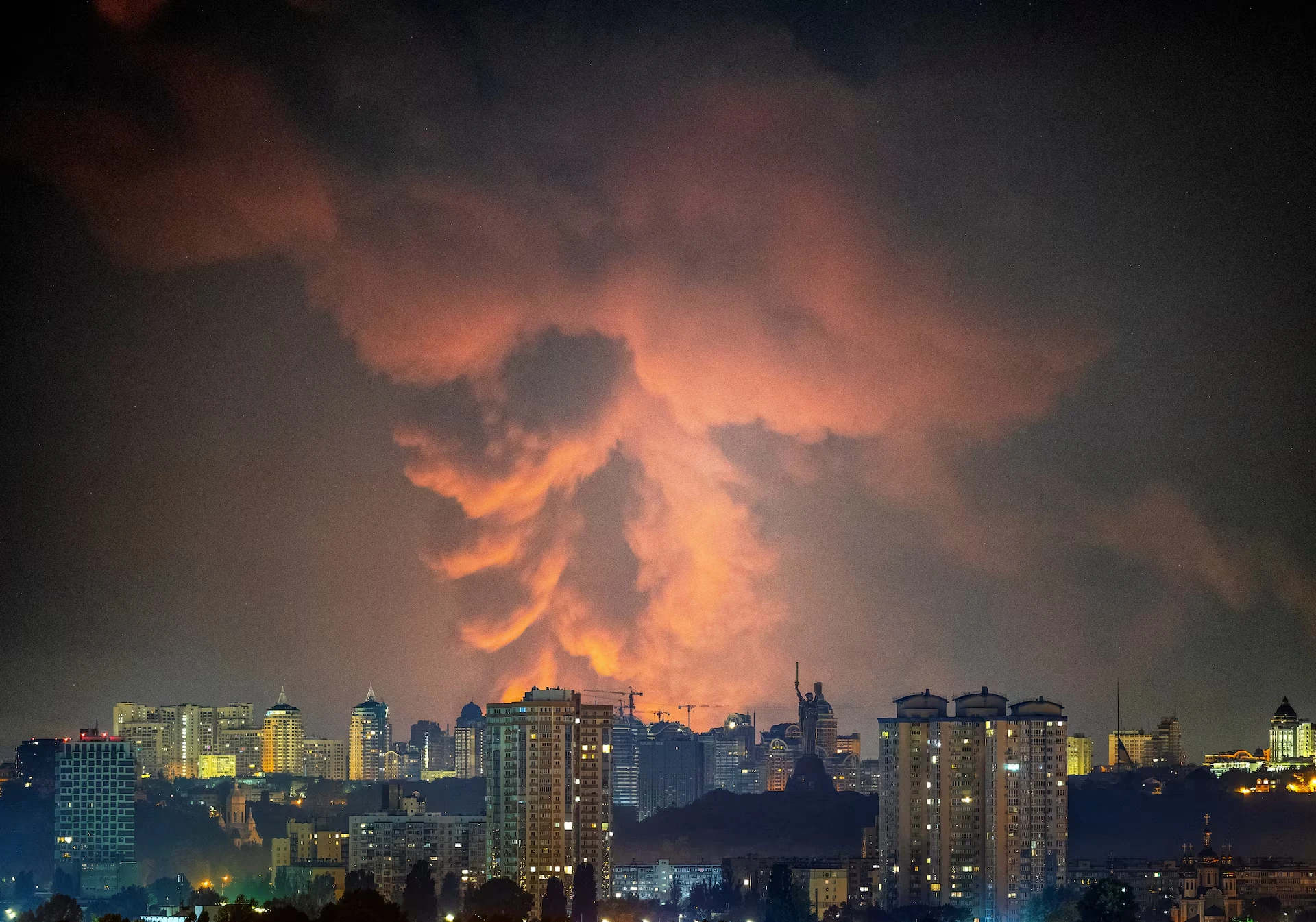 Дим піднімається в місті під час російського ракетного удару на тлі нападу Росії на Україну, у Києві, Україна, 5 серпня 2026 року — Владислав Содель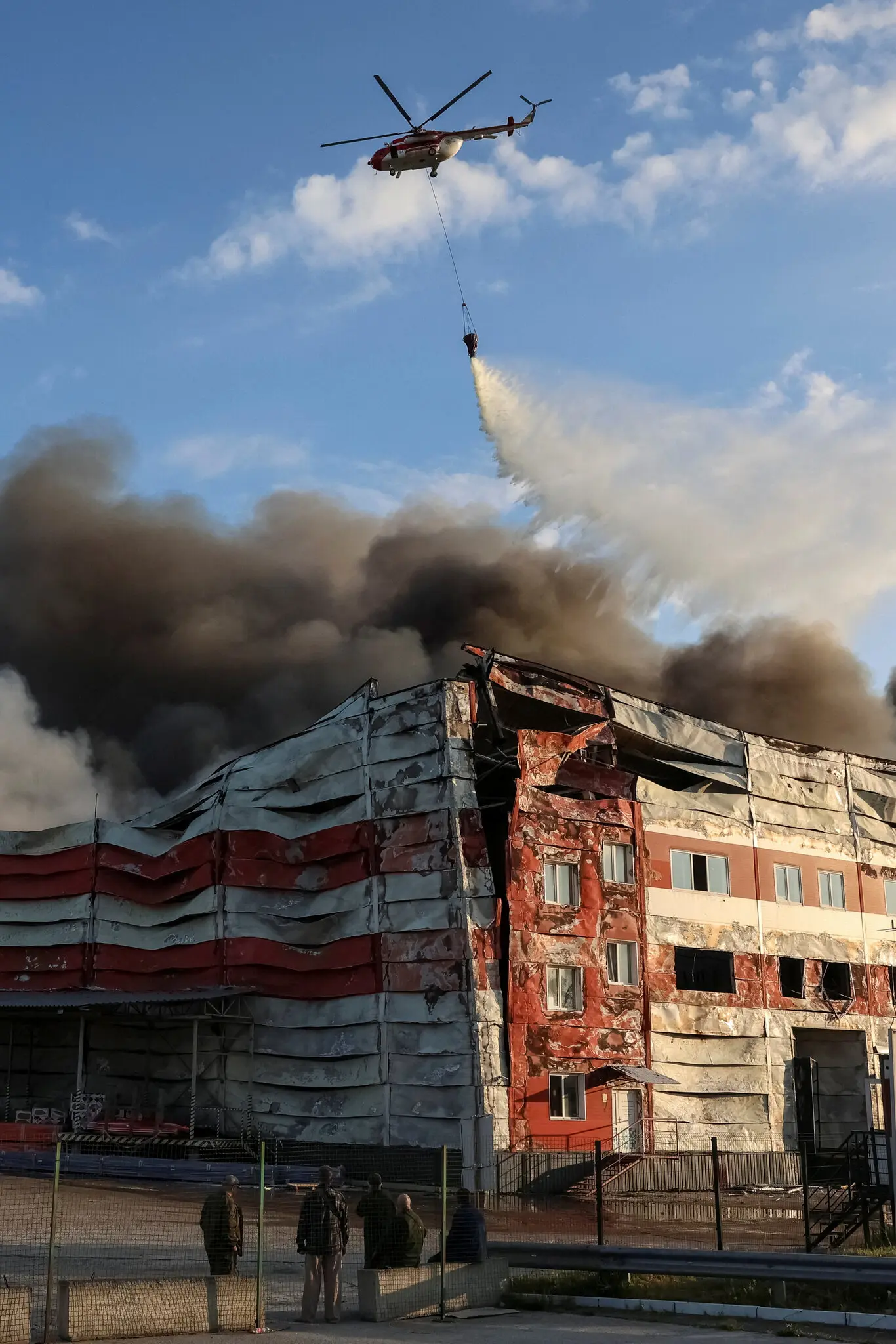




 «Чому помер тато?» — Книга
 «Битва за місто» — Книга
 «Битва за місто» — Книга
 «Чому помер тато?» — Книга
 «Ракета, єнот та інші герої» — Книга




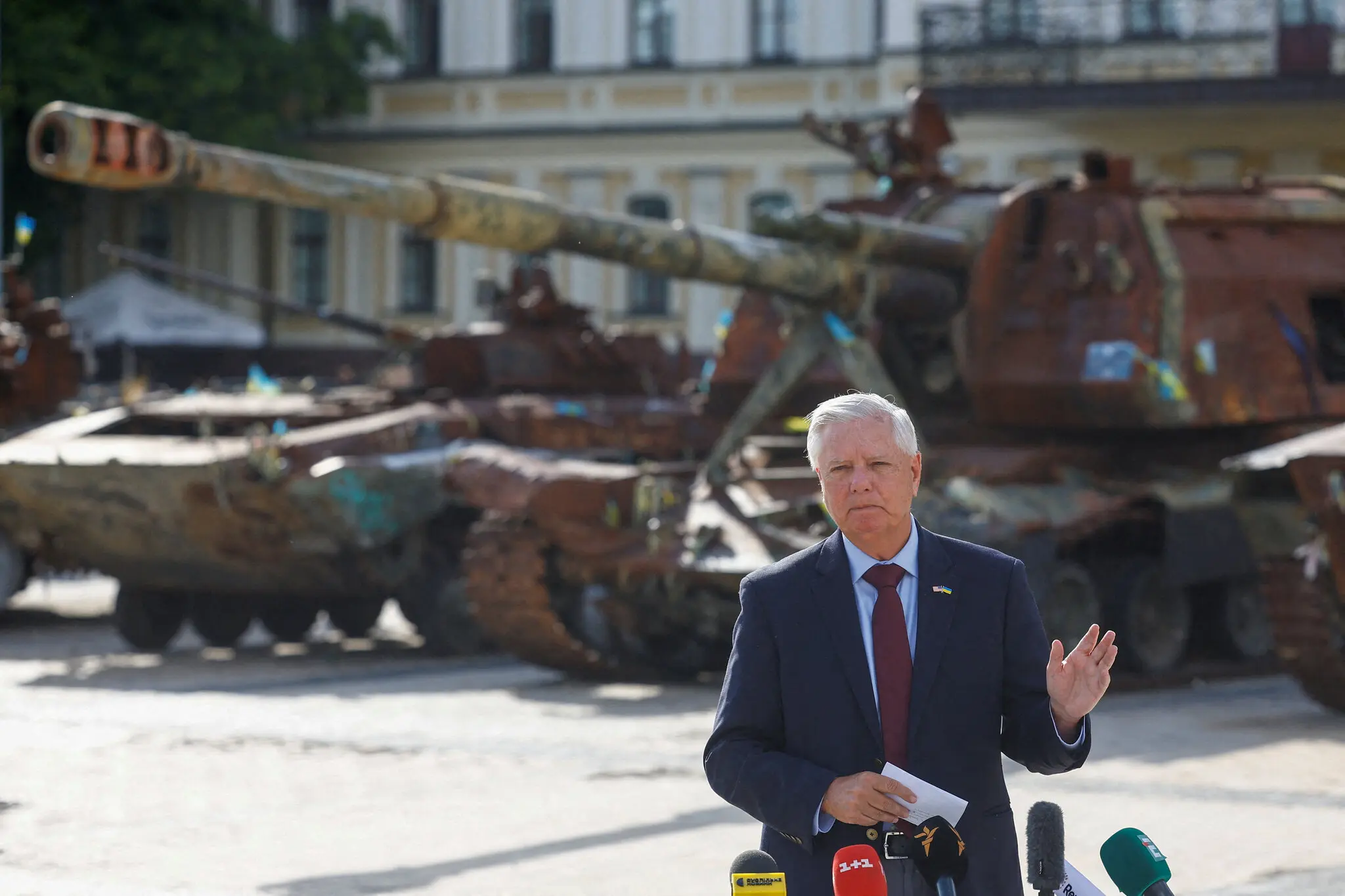
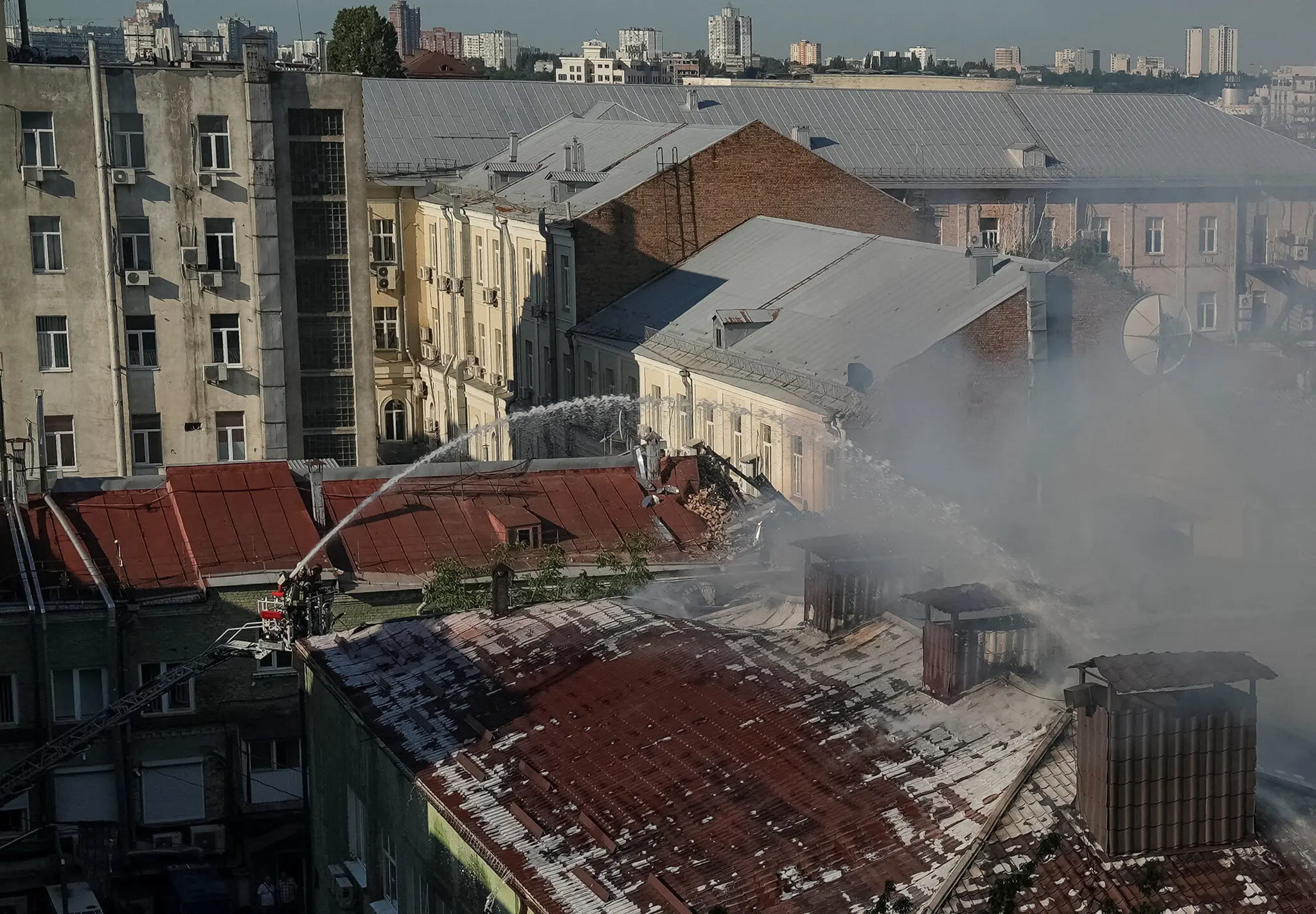 Пожежники працюють на даху Інституту біохімії Палладіна, провідного науково-дослідного центру — Анна Войтенко
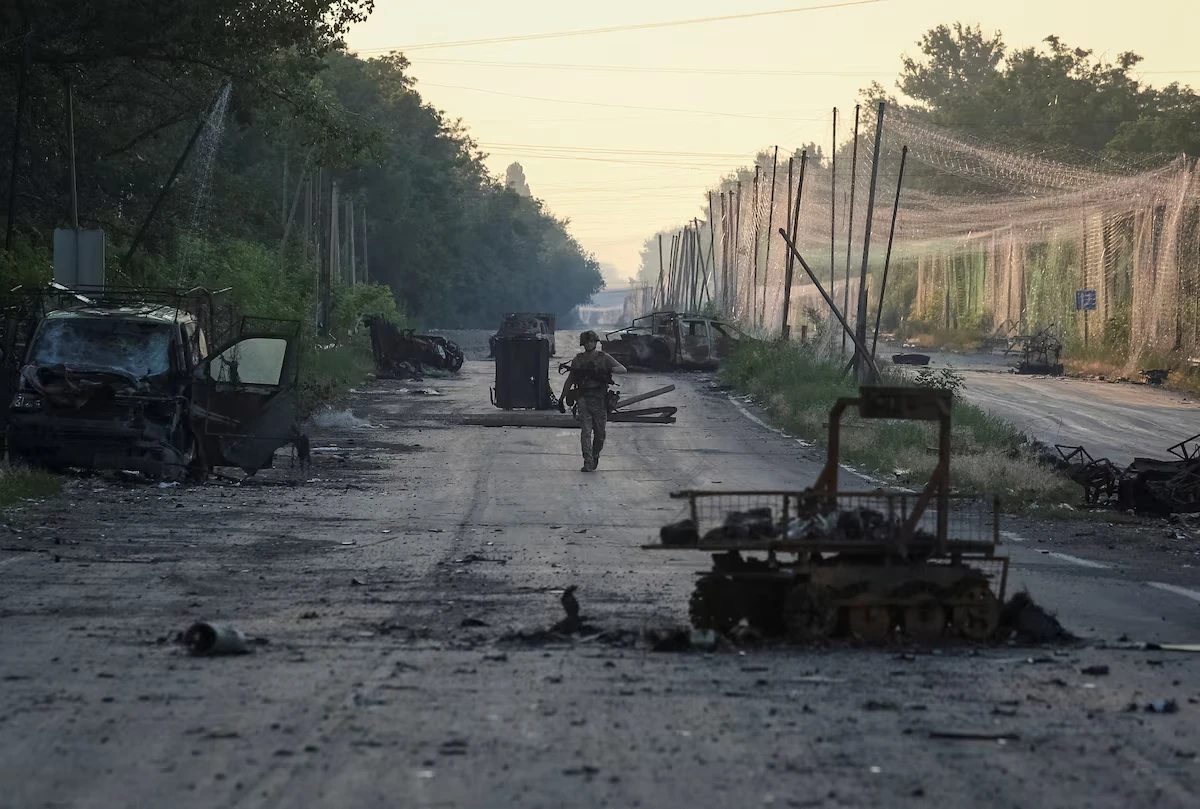

 Опівдні в Києві, столиці України, деякі пожежі, спричинені російськими атаками, все ще палають — Роман Піліпей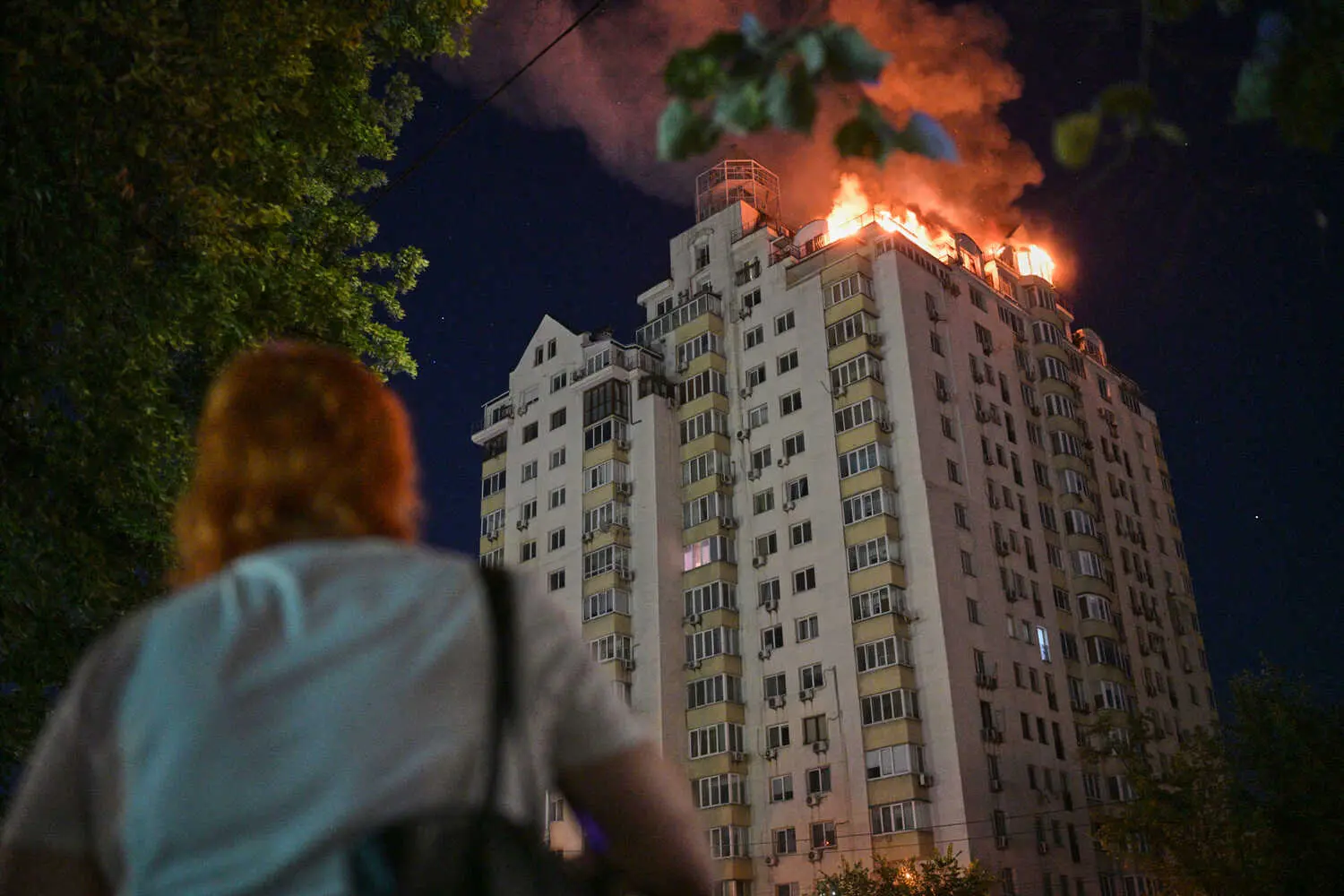

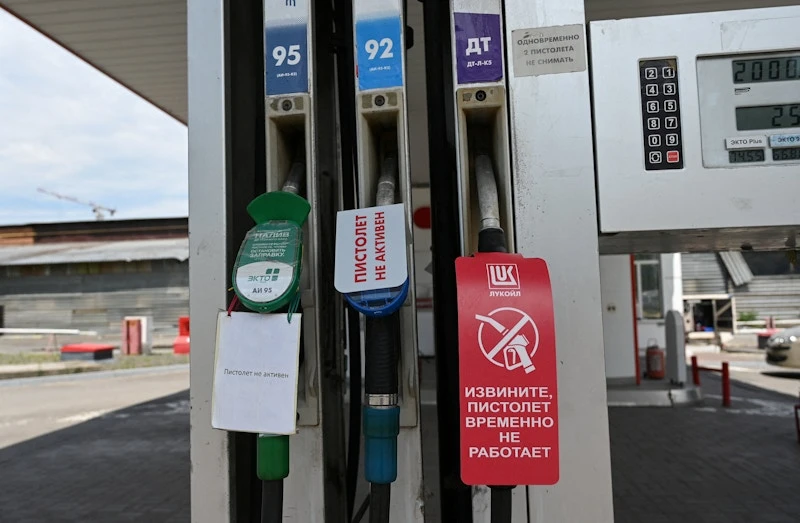 Несправні форсунки паливного насоса в Ростові-на-Дону, Росія, 23 червня 2026 року — Сергій Пивоваров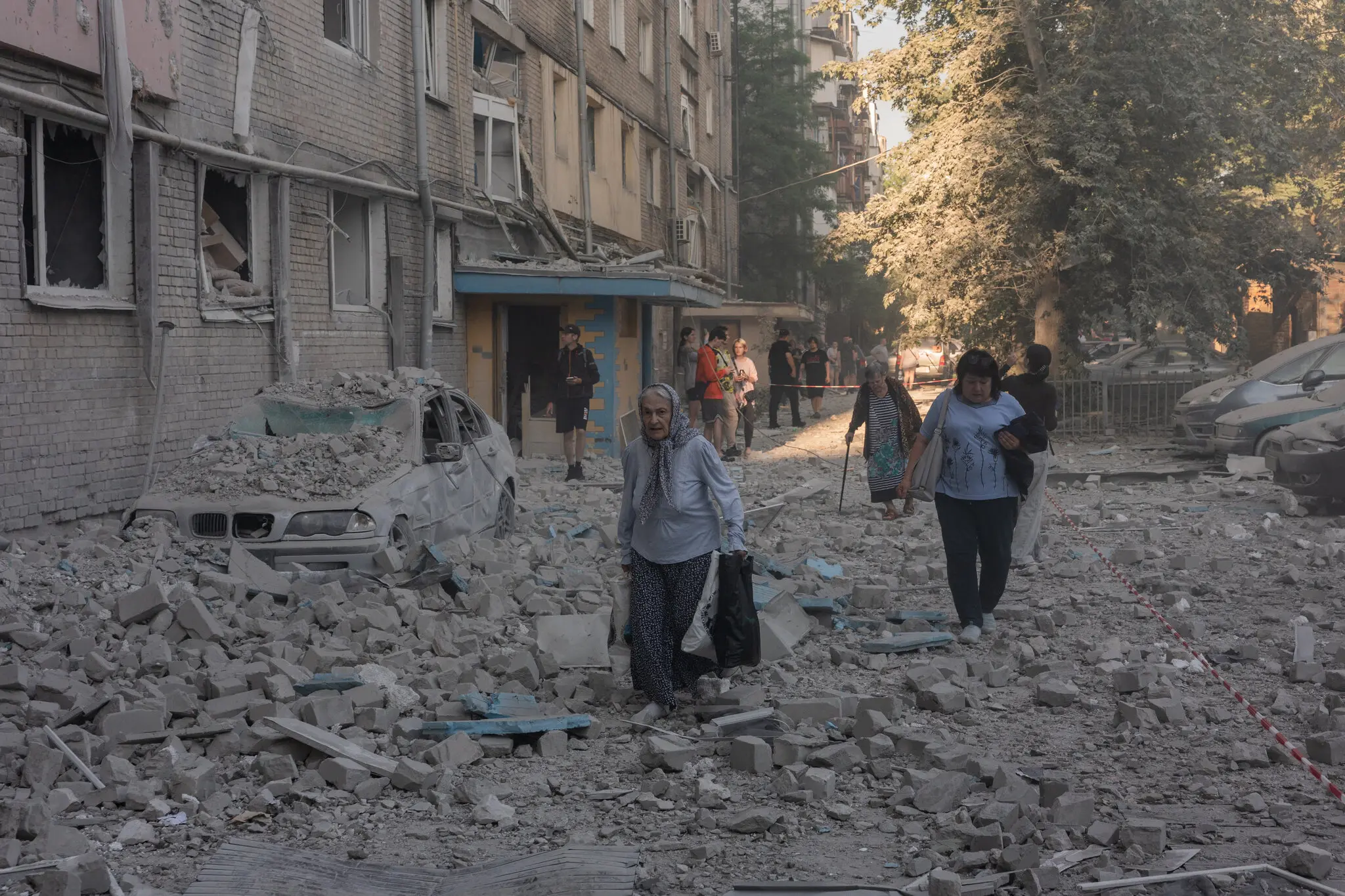
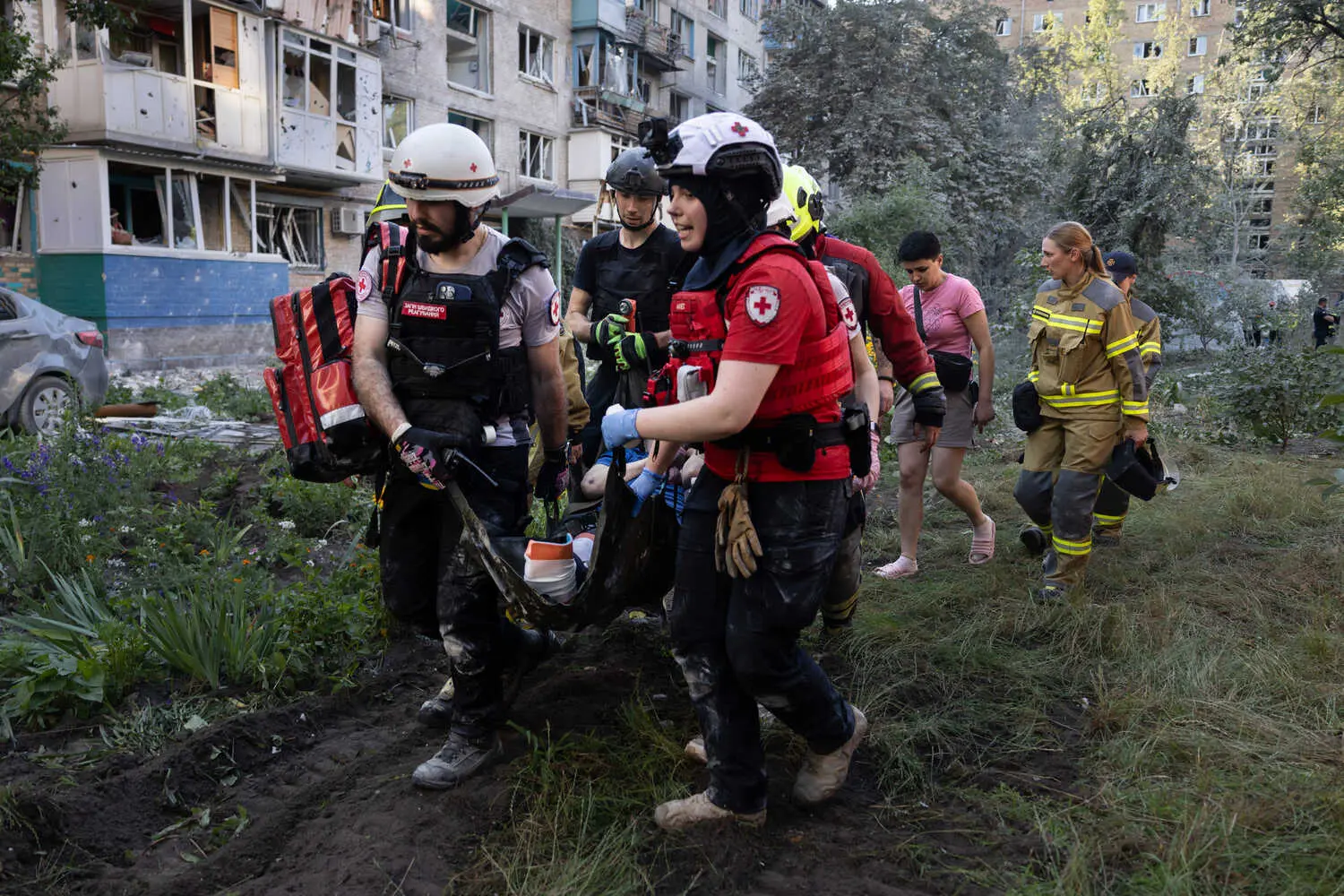 Людину врятували із заваленого житлового будинку — Паула Бронштейн