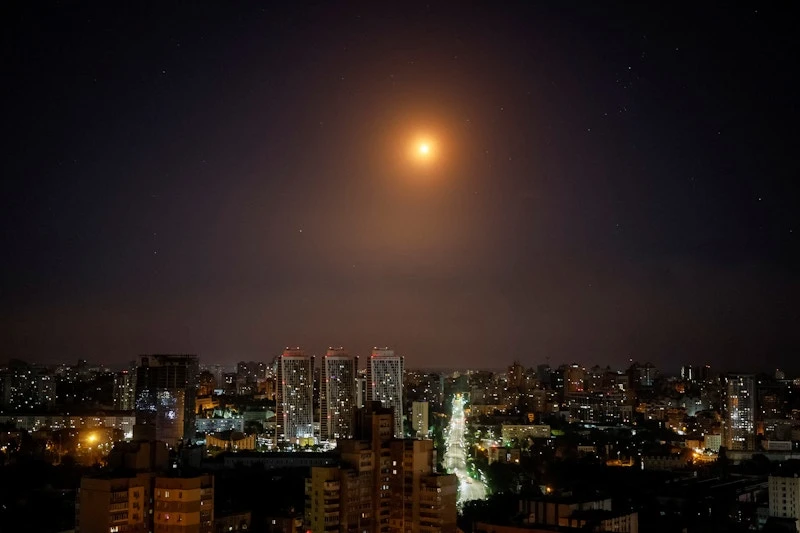





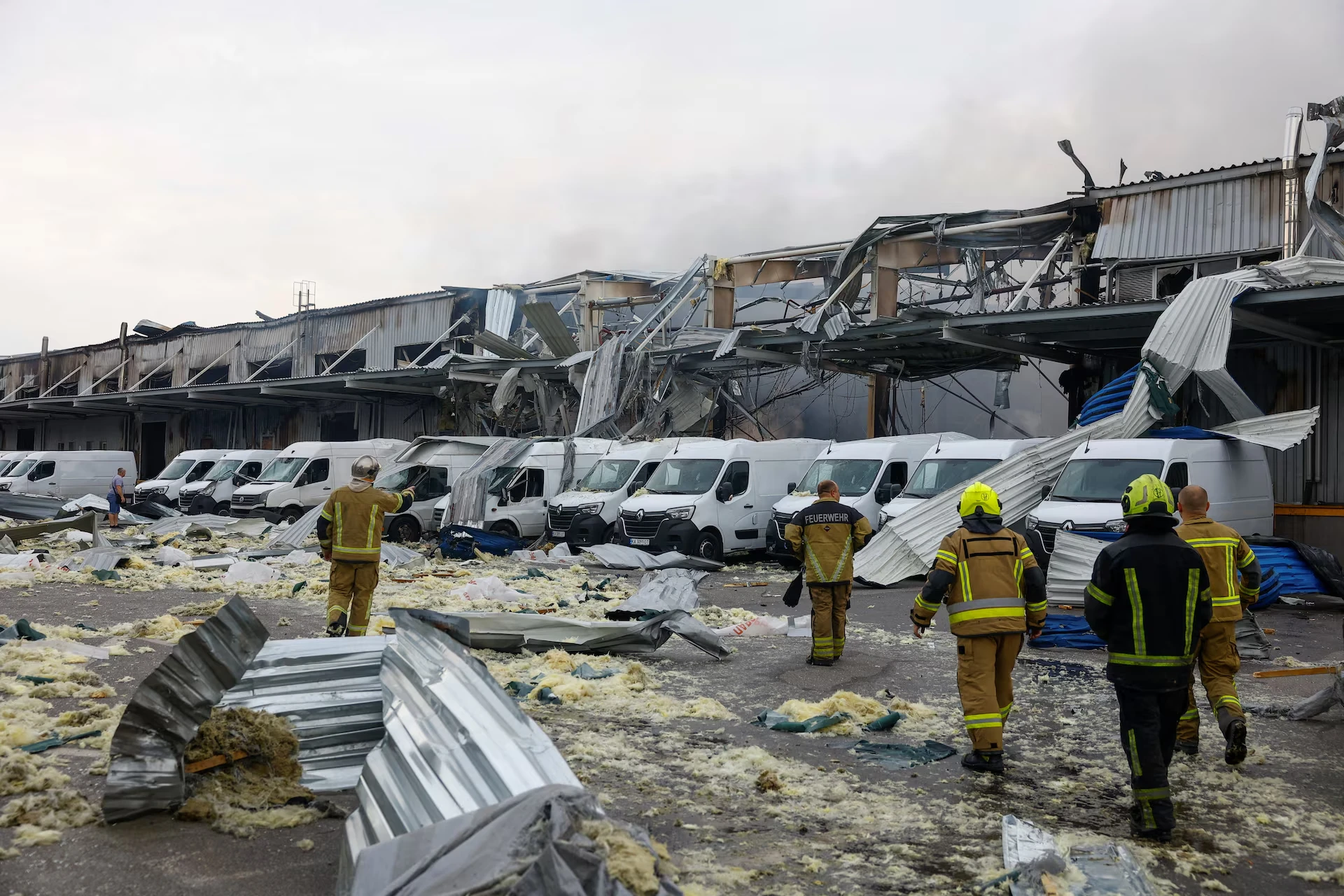














Kyiv’s night again became a test at the edge of human endurance. Russia attacked Ukraine with 74 missiles and 476 drones, making the capital its main target. At least 13 people were killed and more than 30 were wounded.
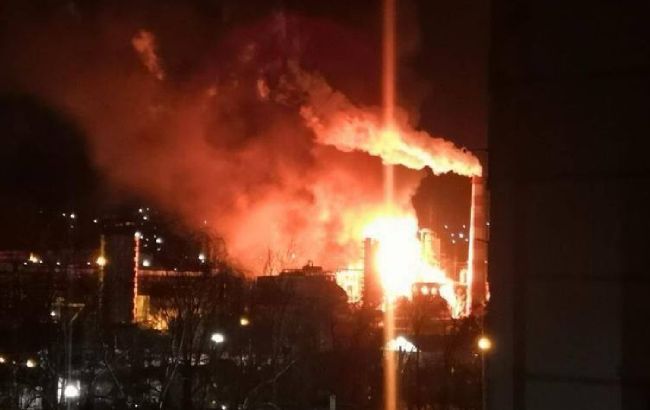
The strike came in waves, with explosions, fires, air-defense fire and long hours of waiting underground. Some missiles and drones broke through, hitting residential areas, civilian infrastructure and urban sites with no connection to the front line.
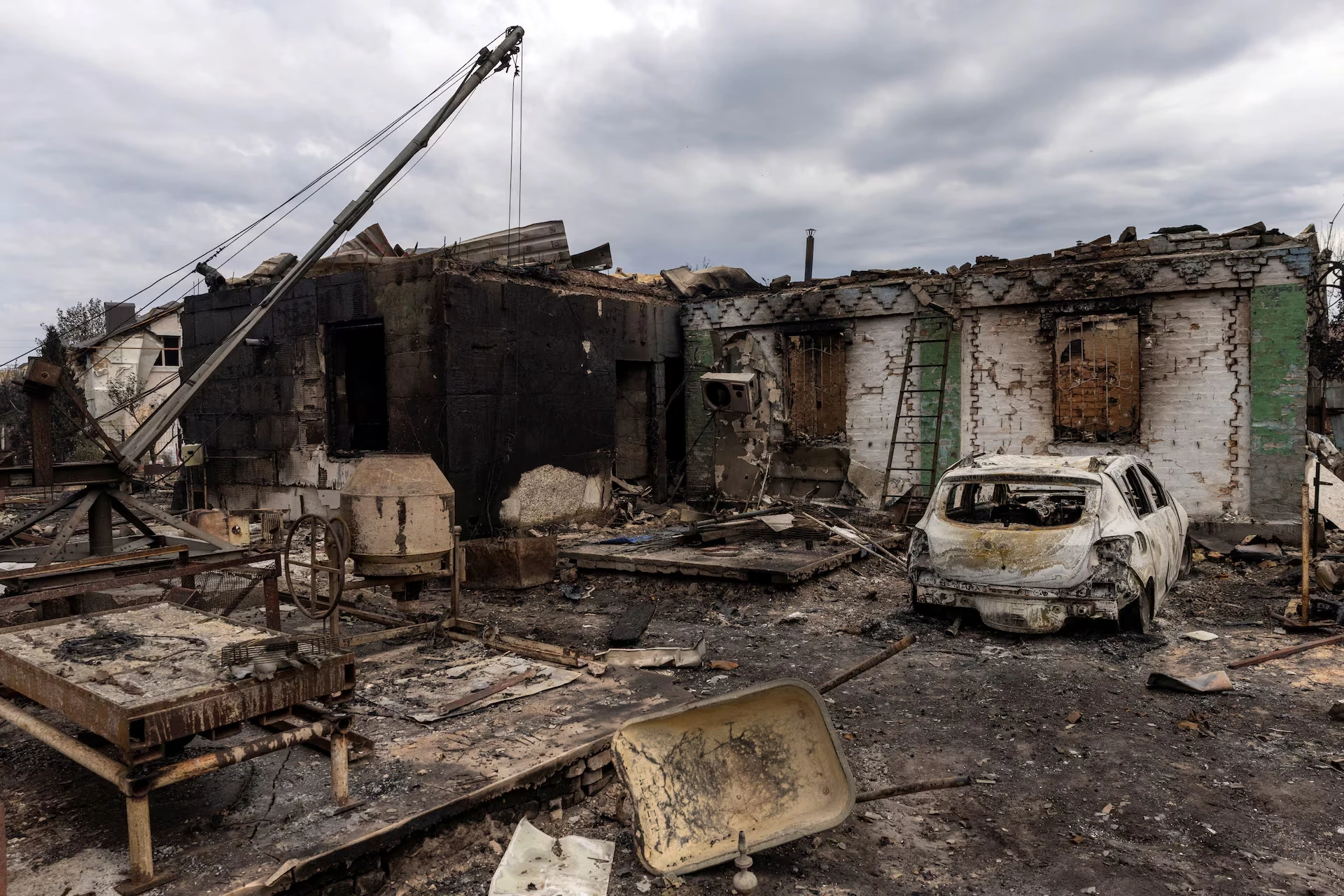
Apartment buildings, cars, a market, a hotel and an ambulance station were damaged in Kyiv. Rescuers worked among the debris while the city still faced the threat of further strikes. For the capital, this was not merely an attack, but a night of sustained exhaustion.
According to Daycom’s earlier analysis, the strike was not only another act of Russian terror. It exposed the new nerve of the war: Moscow is answering Ukrainian pressure on its rear by trying to return fear to the center of Ukrainian life.
In recent weeks, Ukraine has intensified attacks on Russian oil refineries, fuel logistics, targets in Crimea and even Moscow. These strikes have created shortages, disruptions and political discomfort in places the Kremlin long tried to keep at a distance from the war.
Vladimir Putin has already been forced to acknowledge that strikes on key infrastructure are creating problems and certain shortages. He tried to present the situation as not critical, but the admission itself matters: the war is no longer a one-way pressure campaign by Russia against Ukraine.
The Kremlin is promising to increase production of air-defense systems, repair damaged facilities faster, strengthen supplies to Crimea and remain focused on the front in eastern Ukraine. These statements do not convey calm. They show an attempt to keep control as the war expands.
The mass strike on Kyiv demonstrated the advantage Russia still holds in long-range weapons. Moscow can launch dozens of ballistic and cruise missiles at once, covering cities with layered threats. Ukraine can answer with drones and a limited number of missiles.
That gap defines the current stage of the war. Ukraine can strike Russia’s rear, but it does not have a symmetrical missile arsenal. Russia, even while losing oil facilities and facing fuel disruptions, retains the ability to punish Ukrainian cities with mass attacks.
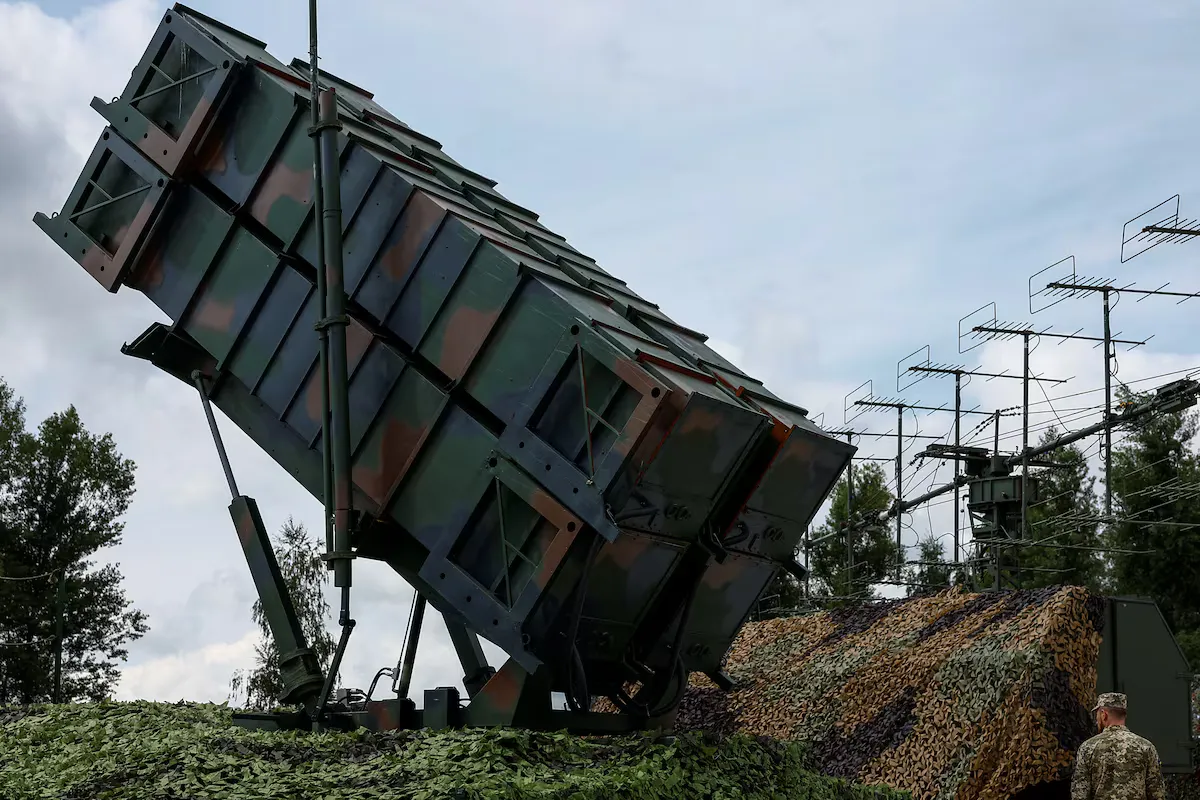
Ukraine’s air defenses intercepted most of the incoming targets, but 25 missiles and 12 drones still got through. Those numbers show the price of even partial success for a Russian strike. A city needs only a few breakthroughs for destroyed homes, fires and deaths to become reality.
This makes air defense not a technical detail, but a central political condition for survival. Every additional system, every interceptor missile and every permission for deeper strikes against the sources of attacks can change not abstract statistics, but the lives of specific people.
After the overnight assault, the European Union began discussing new economic sanctions against entities supporting Russia’s military industry. That is the right direction, but it cannot move slowly. Russian missiles do not wait for bureaucratic cycles.
Kyiv needs more than the language of condemnation. It needs protective systems, stable ammunition supplies, long-range capabilities and the political will of allies to recognize the obvious: Russia’s war machine will not stop because of statements unless it is deprived of resources.
For Moscow, attacks on the capital serve several purposes. They are revenge for strikes on Russia’s rear, an attempt to cover its own vulnerability with a display of force, pressure on Ukrainian society and a signal to the West that aid to Ukraine will carry a human cost.
But that logic has the opposite effect. Every destroyed apartment block in Kyiv strengthens Ukraine’s argument that limits on self-defense only prolong the war. If the aggressor strikes cities, then the sources of those strikes must become legitimate targets for systematic destruction.
Putin is trying to show that Ukraine cannot force him to stop. Yet his own remarks about shortages, repairs and stronger air defense show something else: Ukrainian strikes are already affecting Russia’s ability to wage war and weakening the political structure of impunity.
Crimea has separate significance in this picture. Power outages, fuel shortages and water problems on the peninsula undermine Russia’s image of the annexed territory as fully integrated and protected. For the Kremlin, this is not only a military problem, but a symbolic one.
That is why Moscow is responding not with negotiations, but with increased violence. It is not looking for a way to end the war. It is trying to prove that it can absorb its own losses and inflict greater pain. In that logic, civilian neighborhoods become part of the political message.
Kyiv already knew a strike could be close. Enough time had passed since the previous major attack for Russia to accumulate missiles and drones. President Volodymyr Zelensky had warned that Moscow was preparing another mass bombardment and urged people to be especially careful.
But even an expected attack does not become less terrifying. People still spend the night in metro stations, taking children, pets, water, medicine and chargers with them. They live in a city where normality exists between sirens, and dawn often reveals not the beginning of a day, but the scale of destruction.
The deepest problem of this war now is that both sides are increasingly fighting not only along the front line, but in depth. Russia strikes cities and energy infrastructure. Ukraine strikes fuel, logistics, Crimea and the infrastructure that feeds Russian aggression.
The difference lies in the targets. Ukraine is trying to make the war impossible for Russia’s military machine. Russia is trying to make life impossible for Ukrainian cities. That difference should shape allied decisions, not only diplomatic statements.
The overnight strike on Kyiv did not change the central fact: Russia is not offering a way out, only new ruins. Ukraine does not have the luxury of waiting for Moscow to tire on its own. Its strategy is to deprive the aggressor of fuel, depots, missile logistics and the feeling of a safe rear.
The capital endured another difficult night, but this night was not only a tragedy. It was proof that the war has entered a phase defined by long-range capability, industry, air defense and political speed. Whoever adapts faster will determine not only the front line, but the limits of urban survival.