

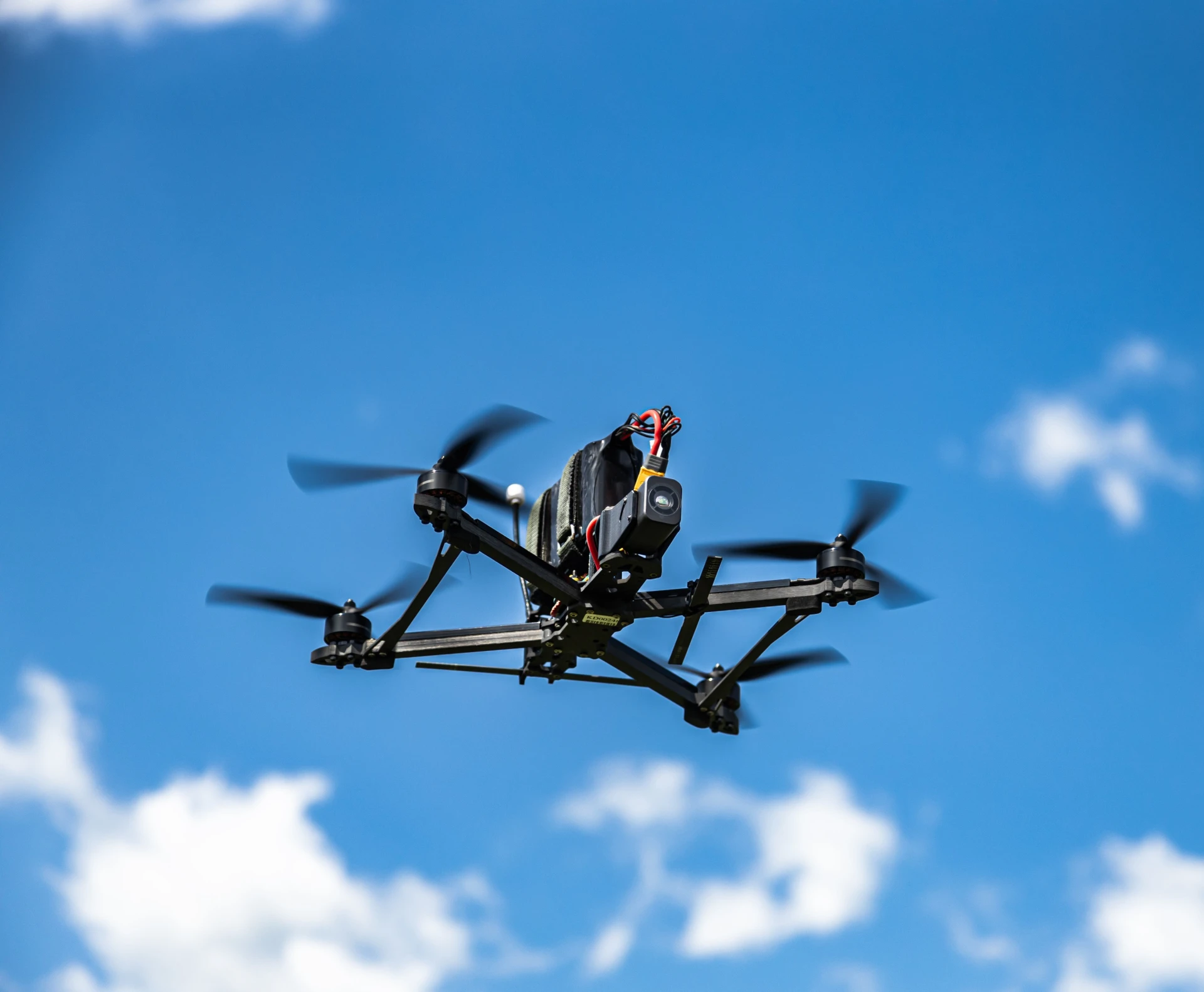



















Latvia’s government crisis did not begin with a budget fight, a corruption scandal or a classic party quarrel. Its trigger was drones — the new symbol of vulnerability on NATO’s eastern flank. After airspace incidents unsettled the country, Evika Siliņa’s coalition fell apart, and the prime minister resigned.
Now opposition lawmaker Andris Kulbergs of the United List is trying to form a new government with four partners. President Edgars Rinkēvičs has tasked him with leading the negotiations, and parliament could vote quickly, even before the political system has fully recovered from the previous collapse.
The formula Kulbergs offers sounds simple: four partners, equal terms, minimal bargaining. But in Latvian politics, such simplicity is often not a sign of stability, but of limited time. Elections are only months away, security pressure is rising, and society wants not elegant coalition architecture, but a sense of control.
According to Daycom’s earlier analysis, the central meaning of this crisis is that Latvia has turned the drone threat into an internal question of political trust more sharply than almost any other country in the region. What yesterday looked like a military-technical problem has now become grounds for changing a government.
The Baltic states have lived in a state of heightened alert since Russia launched its full-scale war against Ukraine. Latvia, Lithuania and Estonia are among Kyiv’s most consistent allies, but their geography makes support for Ukraine not an abstract policy, but an everyday security reality.
Drone incidents have only intensified that reality. Across the region, there is growing concern over unmanned aircraft that drift off course, cross borders or fall on NATO territory. Some such episodes are linked to Ukrainian strikes on Russian targets and to Russian electronic warfare systems capable of diverting drones from their intended routes.
For Riga, this creates a political trap. Latvia does not want to weaken support for Ukraine, because it sees Kyiv’s defeat as a direct threat to its own security. But it also cannot ignore public fear if the air war, even indirectly, begins to touch Latvian territory.
It was on this fault line that Siliņa’s cabinet fell. A dispute over the response to drone incidents grew into a coalition conflict, the dismissal of the defense minister, the loss of a majority and the prime minister’s resignation. In a country where security has often been close to a cross-party consensus, a new question suddenly emerged: who can manage a crisis when it arrives not as tanks, but as drone debris?
Kulbergs is not arriving as the politician of a grand ideological turn. He is presenting himself as the manager of a dangerous transition. His potential cabinet must survive a short but nervous period before elections, prevent paralysis and show allies that Latvia remains a predictable NATO member.
That matters because, for Moscow, any political instability in the Baltics is not merely a domestic story in a neighboring state. It is part of the strategic environment. Russia has long tried to portray Western unity as fragile and NATO’s eastern flank as vulnerable to fear, technical incidents and political exhaustion.
A new Latvian coalition would almost certainly keep a hard line on Russia. In Riga, there is little real space for a sharp turn on this issue. Baltic historical experience makes the Russian threat not a matter of diplomatic style, but a foundation of state policy. The question is whether a new cabinet can combine firmness with administrative discipline.
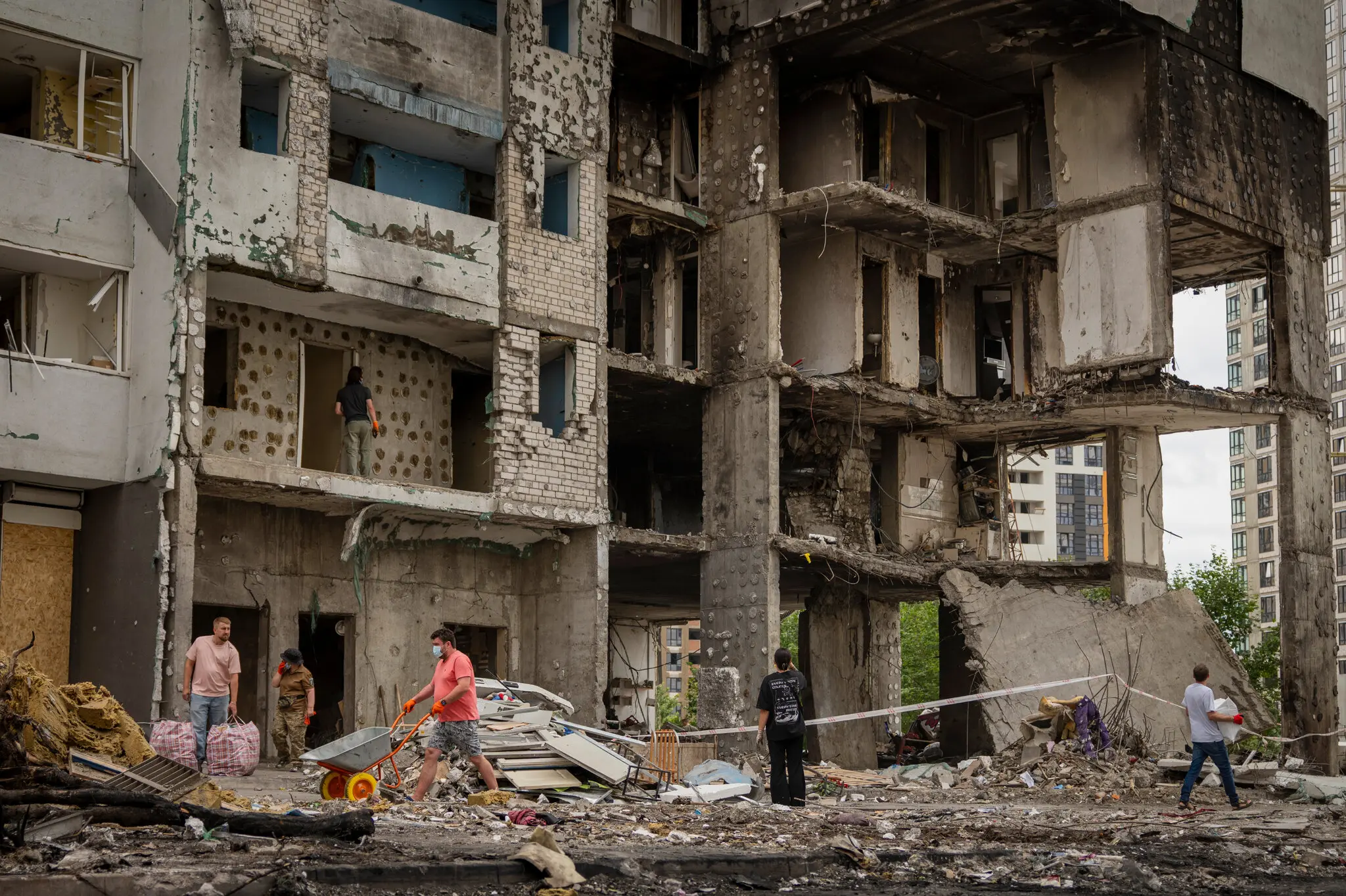
Drones are changing the nature of that discipline. They require not only more air defense, but faster decisions and better coordination among the military, police, border guards, civil protection services and local authorities. A single aircraft crossing the border can become a military incident, a diplomatic problem and a party crisis at the same time.
Latvia’s case shows how thin the line has become between external war and internal politics in countries close to Russia. Formally, Latvia is not a party to the war. In practice, it lives inside the war’s consequences: defense spending, support for Ukraine, cyberthreats, information attacks, border tension and now airspace incidents.
For voters, this creates a new kind of demand. They want not only the right statements of solidarity, but proof that the state sees the sky, controls the border and can explain what has happened. In 21st-century security politics, trust often depends not on whether every incident can be prevented, but on whether authorities act quickly and clearly afterward.
Kulbergs will try to build a government around that expectation. His four-party formula may look technical, but its real task is political: to show that the Latvian state is not entering an election season broken into factions at a moment when regional security requires discipline.
The coming days will show whether he can assemble a cabinet capable of passing through parliament. But one thing is already clear: even if the new government is temporary, the issue that produced it will not be. Drones will remain at the center of Latvian security, along with questions of responsibility, readiness and the limits of support for Ukraine when risk begins to touch national territory directly.
Latvia is now assembling not just a pre-election government. It is assembling a political answer to a new form of war, one in which a small unmanned aircraft can destroy not a building, but a coalition. That is why the crisis in Riga matters for the entire eastern flank of NATO: it shows that hybrid pressure is measured not only by radars and air-defense batteries, but by the strength of government cabinets.