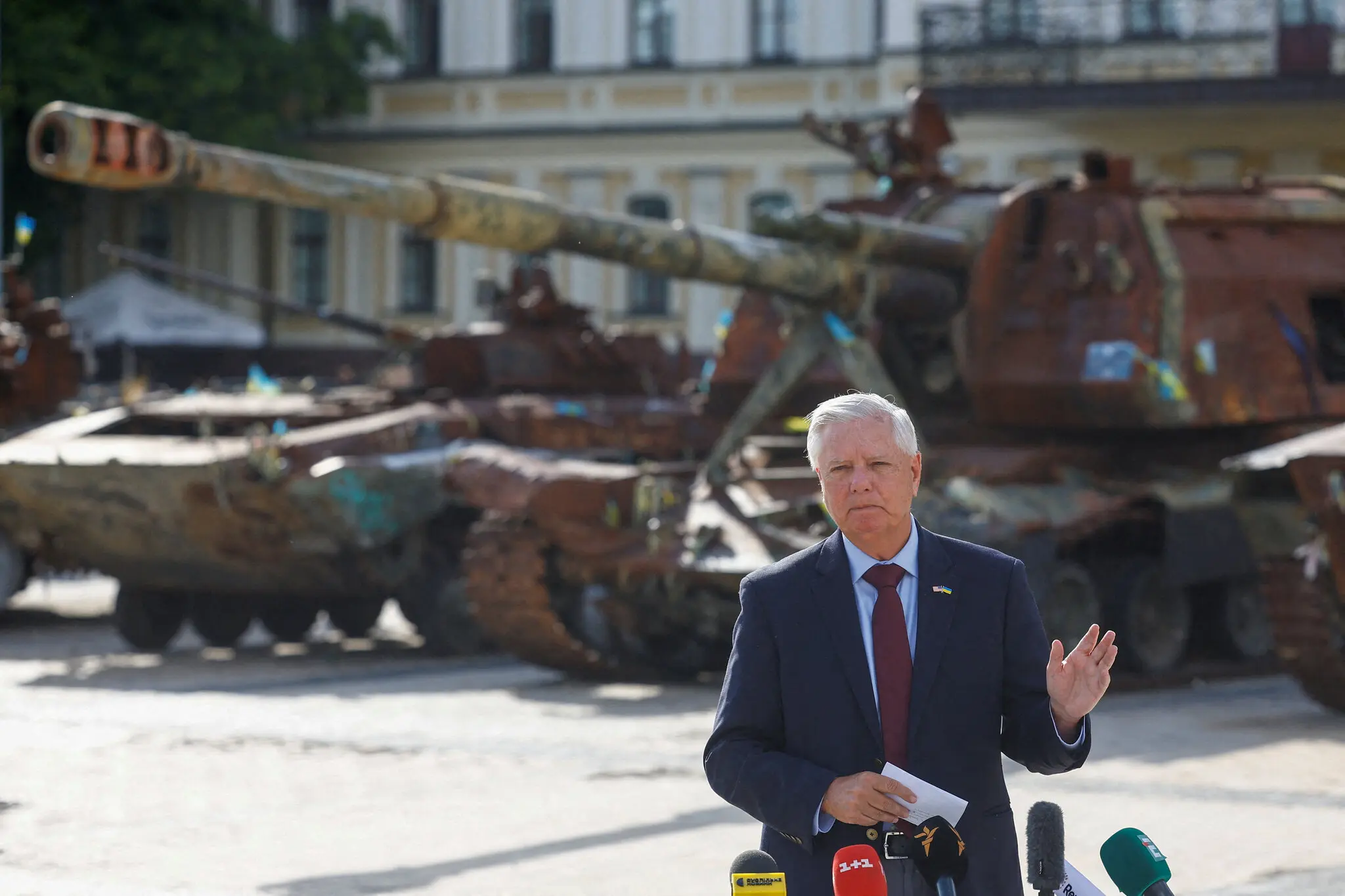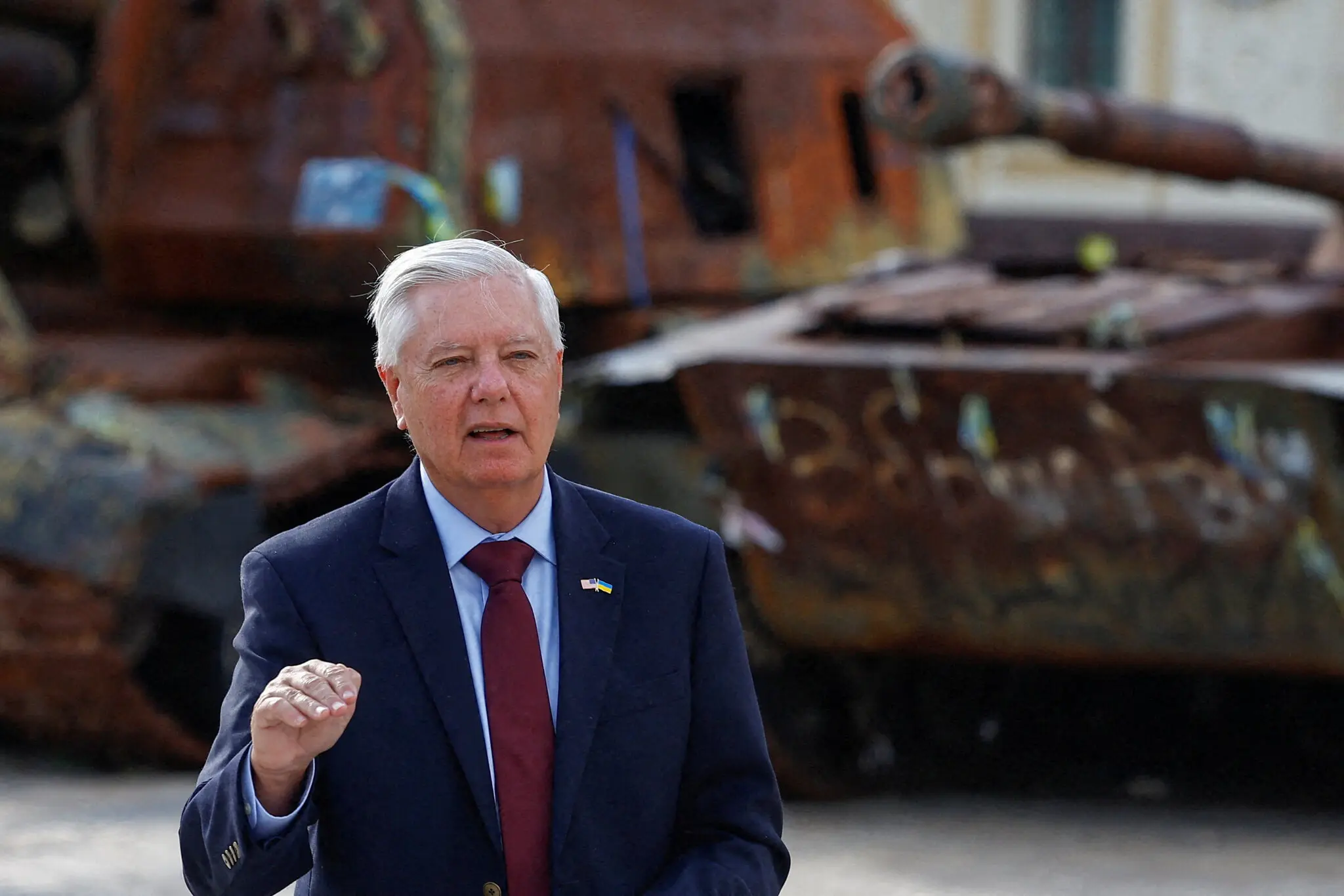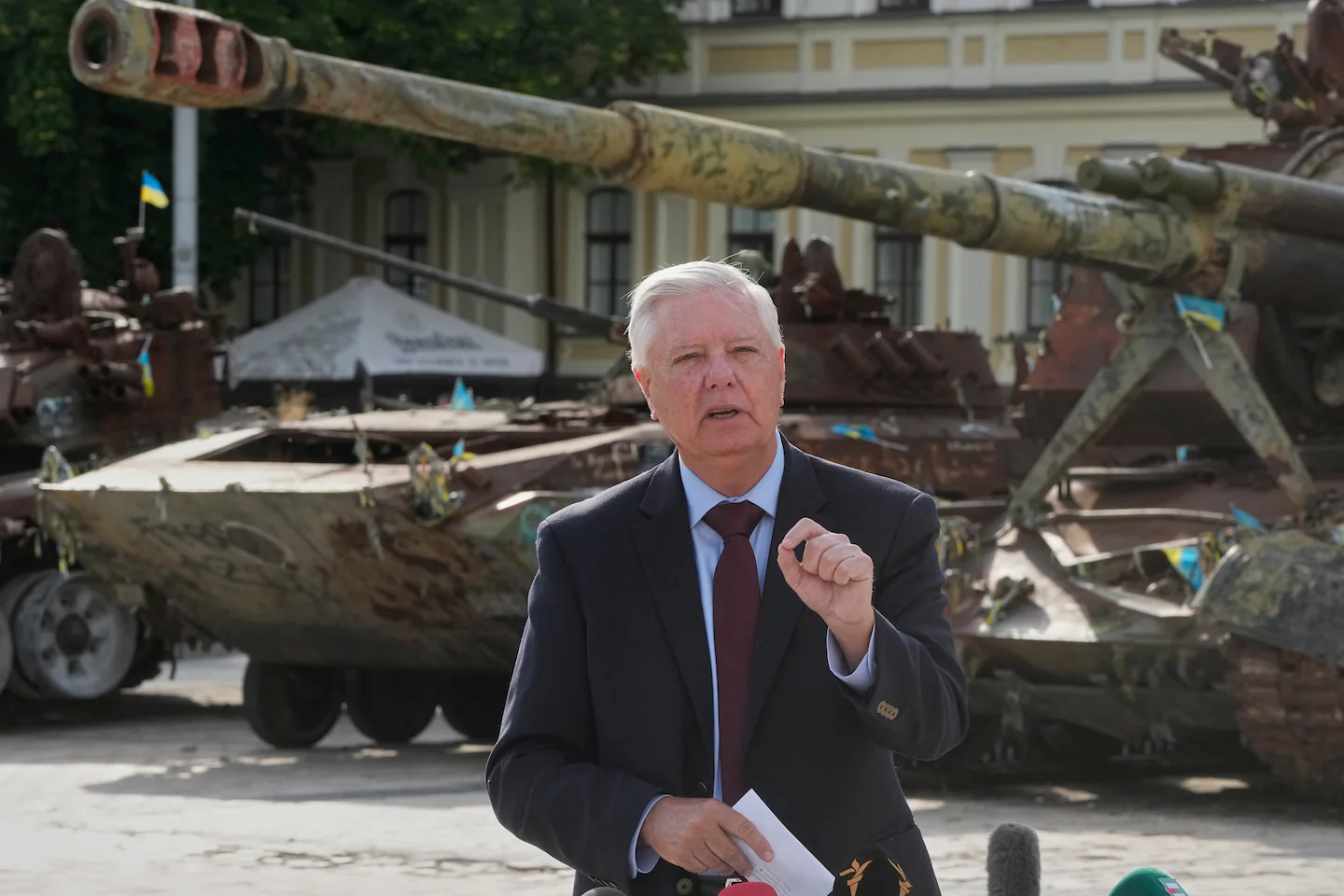

























On Friday, Lindsey Graham stood in central Kyiv beside captured Russian military equipment and spoke of the best chance in five years to force Vladimir Putin to the negotiating table. By the weekend, the 71-year-old senator was dead in Washington after a sudden aortic dissection.
Between those two moments lay the central contradiction of American support for Ukraine. Kyiv gained hope of a new sanctions offensive against Russia’s wartime economy, then almost immediately lost the politician best able to translate bipartisan resolve into arguments Donald Trump would accept.
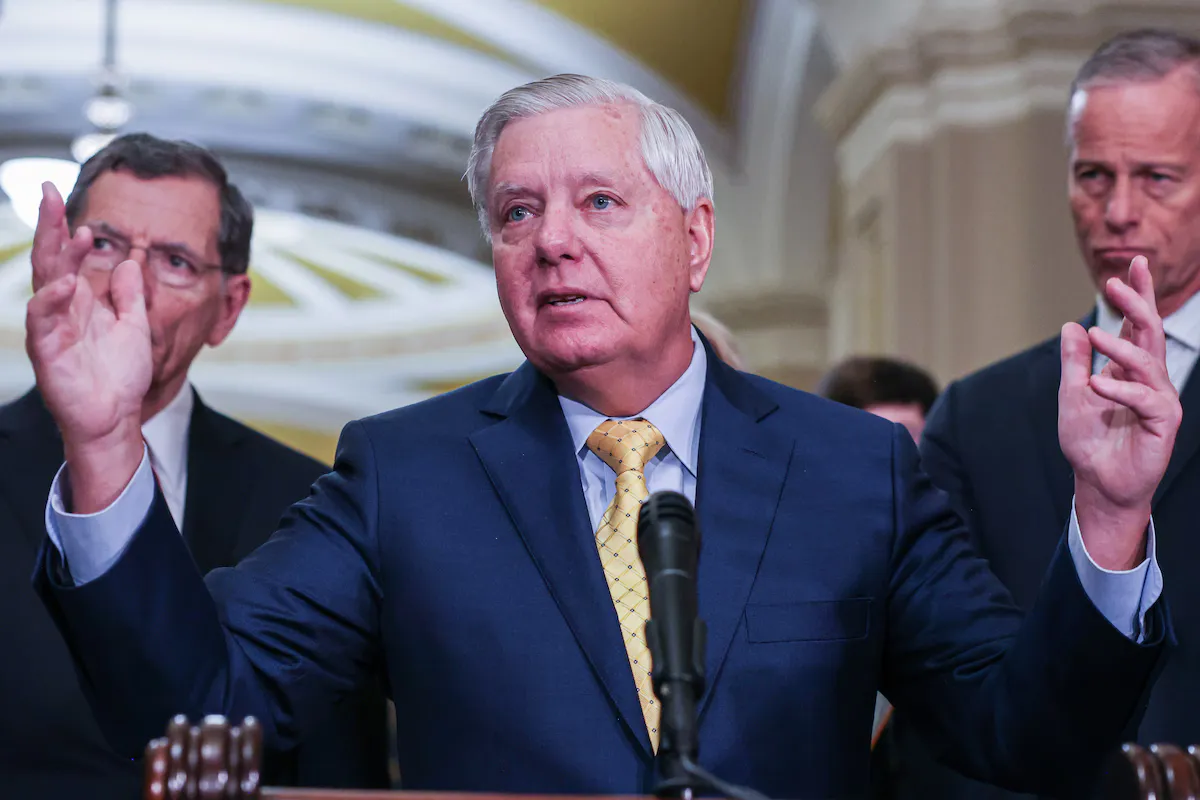
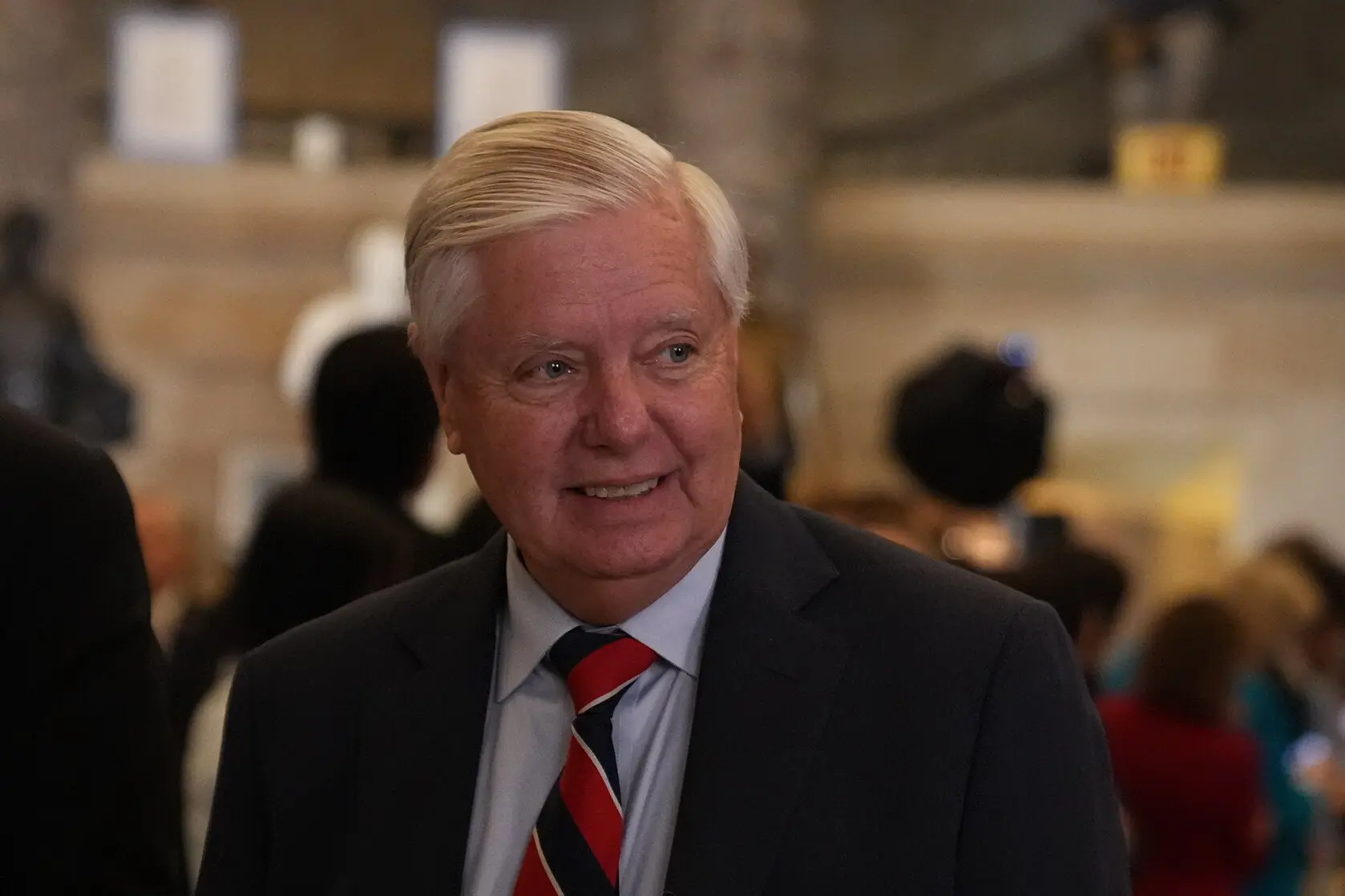
Graham mattered not simply as one more vote in the Senate. He connected three political worlds that increasingly struggle to understand one another: traditional Republican foreign-policy hawks, Trump’s political movement and Democrats prepared to cooperate on pressure against the Kremlin.
As Daycom has previously argued, his death creates less of an arithmetic problem for Ukraine than a communications one. A single Senate vote can be replaced. Far harder to replace is a figure with personal access to the president, a command of congressional politics and the ability to frame Kyiv’s interests in the language of domestic American power.
Graham’s final major project was a bipartisan bill to tighten sanctions on Russia. Negotiations had dragged on for more than a year. The White House wanted broad presidential discretion, allies feared collateral damage to their economies, and some lawmakers considered the original proposal too sweeping.
The compromise narrowed the mechanism. Instead of a universal 500 percent tariff, the legislation would allow secondary tariffs of up to 100 percent against major buyers of Russian oil and gas. China and India would be the primary targets, while the president would retain authority to grant exemptions.
The package would also expand restrictions on Russian officials, financial institutions, energy projects and vessels linked to the shadow fleet. Its logic is direct: the war continues as long as Moscow can convert export revenue into missiles, drones, military salaries and compensation for the families of the dead.
Graham believed pressure had to extend beyond Russia to the states sustaining its oil income. That approach turns sanctions from a symbolic punishment into an attempt to alter the calculations of third countries. It also creates the risk of trade confrontation with economies that matter greatly to the United States itself.
This was where Graham’s influence became especially valuable. He could tell Republicans that supporting Ukraine was compatible with “America First” if the cost fell primarily on buyers of Russian energy and the White House kept control over how the restrictions were used.
His political evolution was deeply contradictory. Once a fierce Trump critic, Graham later became one of the president’s closest allies in the Senate. To his opponents, that looked like opportunism. To Ukraine, it created a rare channel to a president whose foreign policy often responds more strongly to personal trust than to institutional advice.
In Kyiv, Graham said negotiations with the Trump administration had finally moved forward. The sanctions bill, stalled for months, appeared close to receiving White House support and a path to the floor of Congress.
His death may now accelerate the legislation. Lawmakers have already described passage as the clearest way to honor his legacy. Bipartisan support is taking shape in the Senate, while influential Republicans are urging Congress to complete what had become Graham’s final political mission.
Yet a memorial impulse is not the same as a durable coalition. After the funeral, the tributes and any immediate vote, a more difficult question will remain: who will keep persuading Republicans that the outcome of the war in Ukraine is directly tied to American security?
The Republican Party no longer speaks with one voice on the conflict. One wing sees Russia as a strategic adversary that must be contained through weapons, sanctions and military assistance. Another regards support for Kyiv as an expensive commitment that diverts resources from China and domestic priorities.
Graham knew how to operate between those camps. He supported Ukraine, but rarely presented that policy as charity. He described it as an investment in American strength, linking the war to Russian resources, jobs in the US defence industry and the cost of appearing weak before China, Iran and other adversaries.
For Kyiv, that language was not always comfortable, but it was effective. It allowed Ukraine to fit itself into the new Republican worldview rather than challenge it directly. After Graham’s death, Ukrainian diplomacy will need not one replacement, but several politicians capable of performing different parts of the role he combined.
A broader generational shift in Congress makes that task harder. Several experienced Republican supporters of Ukraine are preparing to leave office, while newer lawmakers increasingly come from a political environment in which scepticism toward overseas commitments has become part of party identity.
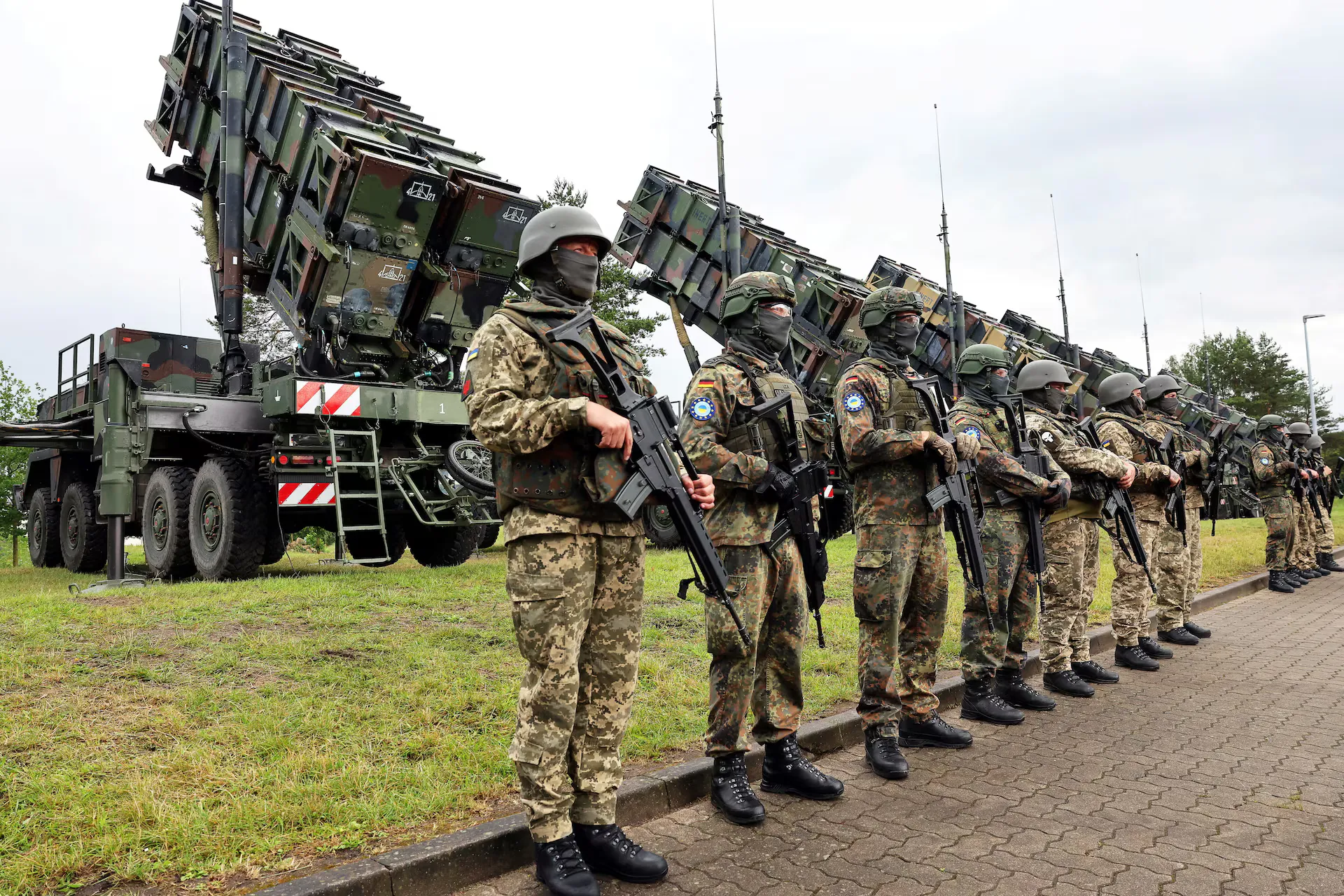
That does not make the collapse of American support inevitable. Military aid, sanctions, Patriot systems and defence-industrial cooperation rest on a wider network of strategic and economic interests. But without powerful advocates, every future package will demand more time, more concessions and more internal bargaining.
Graham’s final visit illustrated how much diplomatic momentum can depend on one private conversation. In Kyiv, he discussed air defence, Patriot production and economic pressure on Russia. Back in Washington, he continued lobbying Trump to support the sanctions package.
Such personalisation makes American politics both flexible and dangerously fragile. It allows a single figure to move an issue that institutions have failed to resolve for months. But when that person disappears, the informal agreement may disappear as well unless it has already been converted into law, funding or a stable majority.
The real test, therefore, will not be a minute of silence in the Senate. It will be whether lawmakers bring the sanctions bill to a vote. Passage would show that Congress can transform personal political will into durable state policy. Delay would suggest that the breakthrough depended largely on the force of one senator.
For Ukraine, Graham’s death is also a warning. Relying on a small number of influential friends created rapid access to American power but never guaranteed lasting support. The next phase will require deeper work with congressional committees, individual states, defence companies, veterans’ organisations and a new generation of Republicans.
On Friday, standing beside destroyed Russian armour, Graham spoke as though the hardest part of the work had already been done. In reality, he had only opened a political window. His colleagues must now decide whether that opening becomes law—or closes with the man who created it.