






















Lindsey Graham’s flag-draped casket was carried into the Capitol Rotunda on the morning of July 28. The military honor guard moved slowly, underscoring the dual identity that had shaped his public life: an Air Force officer who became one of the most recognizable senators of his generation.
Vice President JD Vance, Senate Majority Leader John Thune and Representative Sheri Biggs of South Carolina spoke at the morning ceremony. A second service was scheduled for later at Washington National Cathedral, where President Donald Trump was expected to deliver remarks.
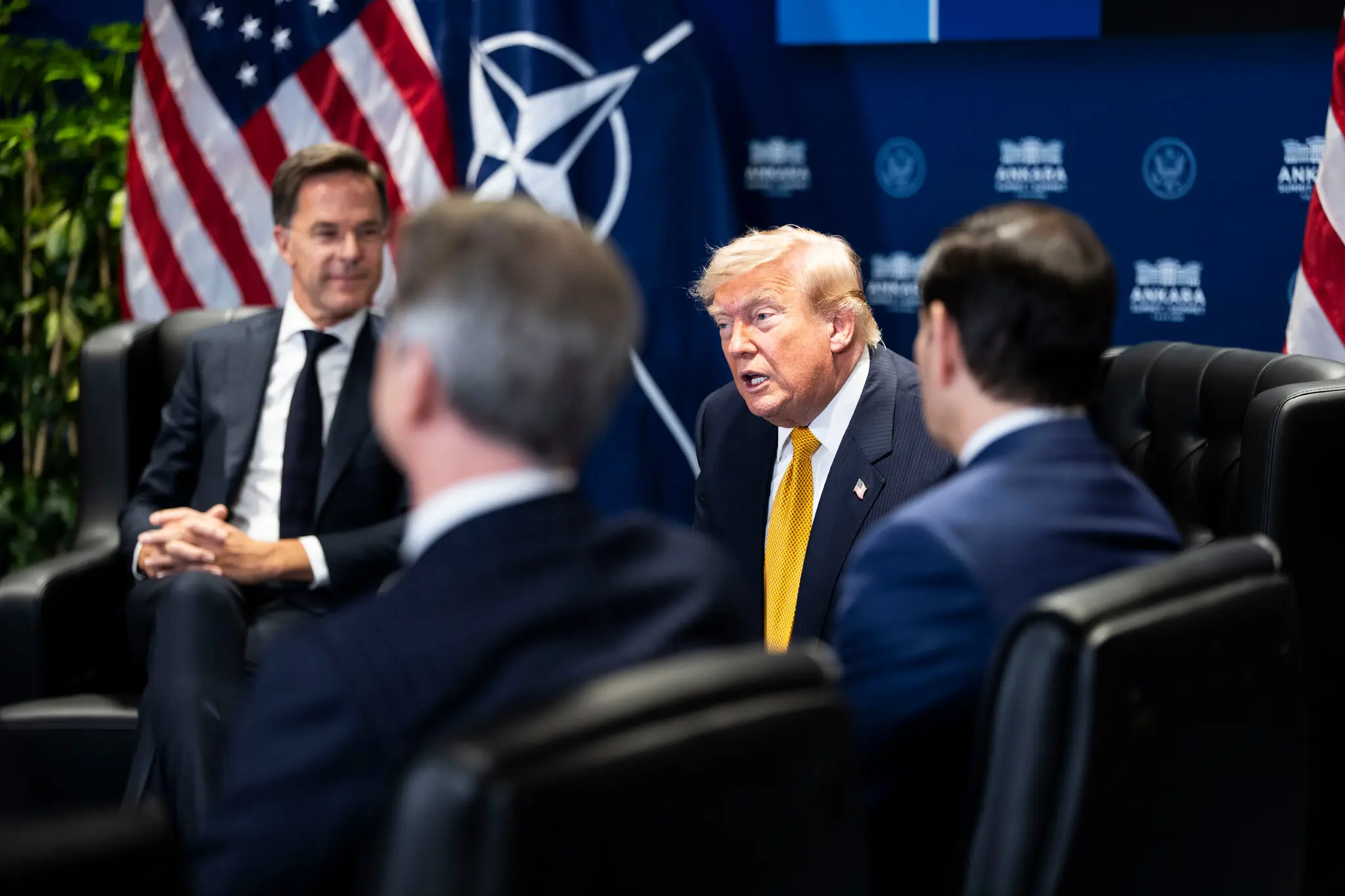
Ukrainian President Volodymyr Zelensky and Israeli Prime Minister Benjamin Netanyahu were among the foreign leaders attending. Their presence turned the funeral into an informal map of the alliances Graham had spent decades defending in Congress.
In Daycom’s assessment, the ceremony was more than a tribute to an influential senator. It marked the moment when the Republican Party lost a politician capable of reconciling Trumpism with the older belief that American power depends on alliances, military strength and an active role abroad.
Graham died at 71 after a career defined by sharp political turns. He had once denounced Trump as dangerous to the Republican Party and unfit for the presidency. After Trump’s victory, Graham rebuilt the relationship and gradually became one of the most trusted members of his circle.
That transformation reflected the broader evolution of the Republican Party. Its traditional establishment first resisted Trump, then adapted to him and eventually adopted much of his language. Graham became one of the most skillful figures in that transition.
Yet his alliance with Trump was not merely an act of political survival. Graham used his access to defend a distinct vision of American power: tougher sanctions, sustained support for allies, military pressure on adversaries and continued US engagement in global conflicts.
That position separated him from the isolationist wing of the MAGA movement. Many Trump supporters saw overseas commitments as costly distractions. Graham believed the opposite: abandoning allies would weaken American influence and ultimately make the United States less secure.
Vance remembered him as a man whose physical stature never matched the size of his presence. Graham, he said, entered rooms with the swagger of someone far taller. The remark drew laughter in the Rotunda, but it also captured the confidence that defined his political style.
Thune was more restrained and visibly emotional. He recalled that Graham was rarely guided by whether a position was popular. When he believed he was right, he spoke openly, even when doing so placed him at odds with members of his own party.
Graham’s authority on defense rested on more than his Senate tenure. His long service in the Air Force gave him additional credibility in debates over war, military budgets and national security.
On Capitol Hill, he became one of the principal intermediaries between the armed forces and the political establishment. He had a talent for turning complex strategic arguments into direct formulas that voters, senators and presidents could understand.
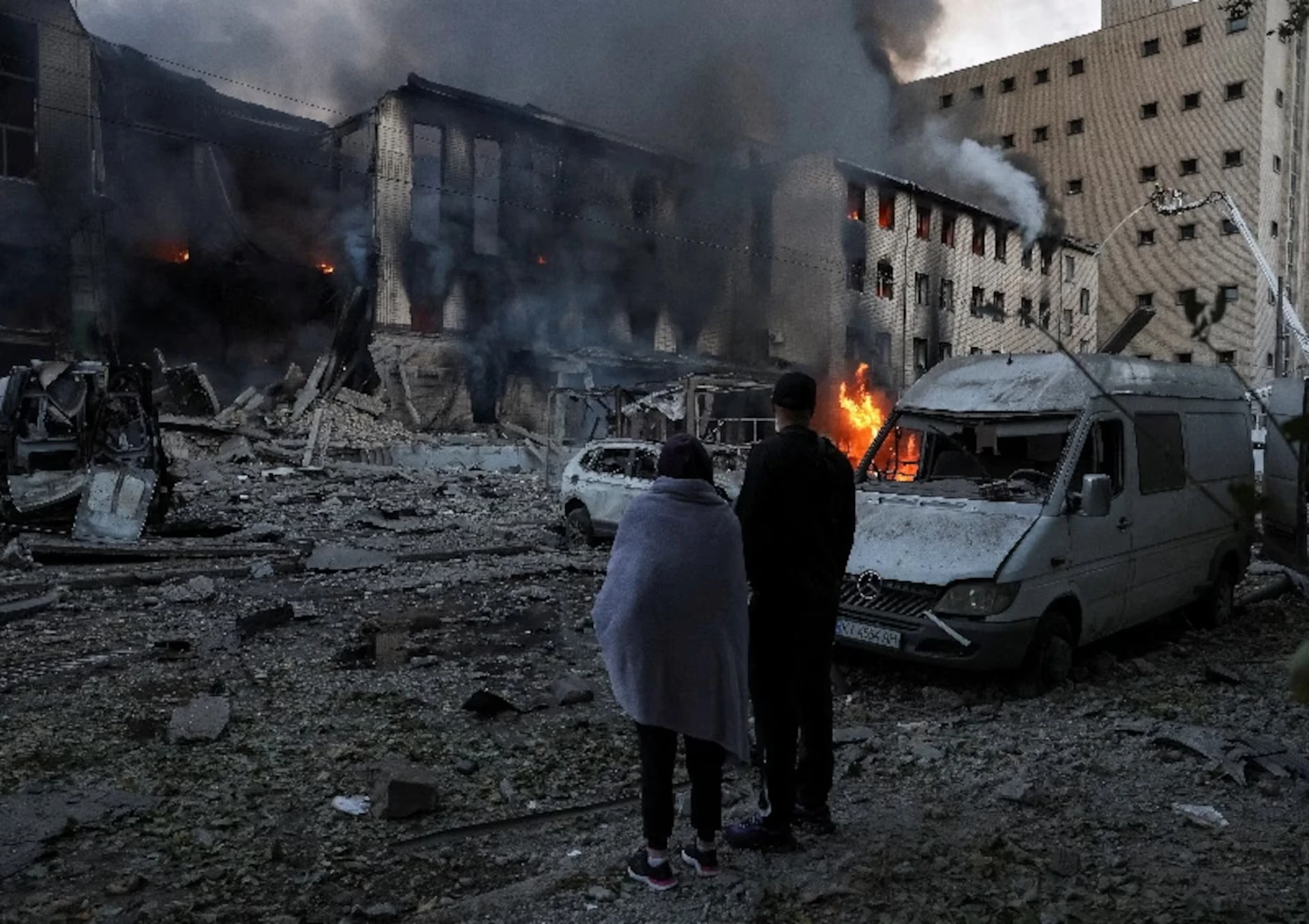
That is why his death is especially consequential for Ukraine. Graham was among Kyiv’s most consistent supporters inside Trump’s political orbit. He framed Ukraine aid not as charity, but as a way to weaken Russia without sending American troops into direct combat.
Zelensky’s attendance therefore carried more than ceremonial meaning. The Ukrainian president was saying goodbye to a politician who could translate Kyiv’s security needs into the language of Republican strength, US defense manufacturing and American national interest.
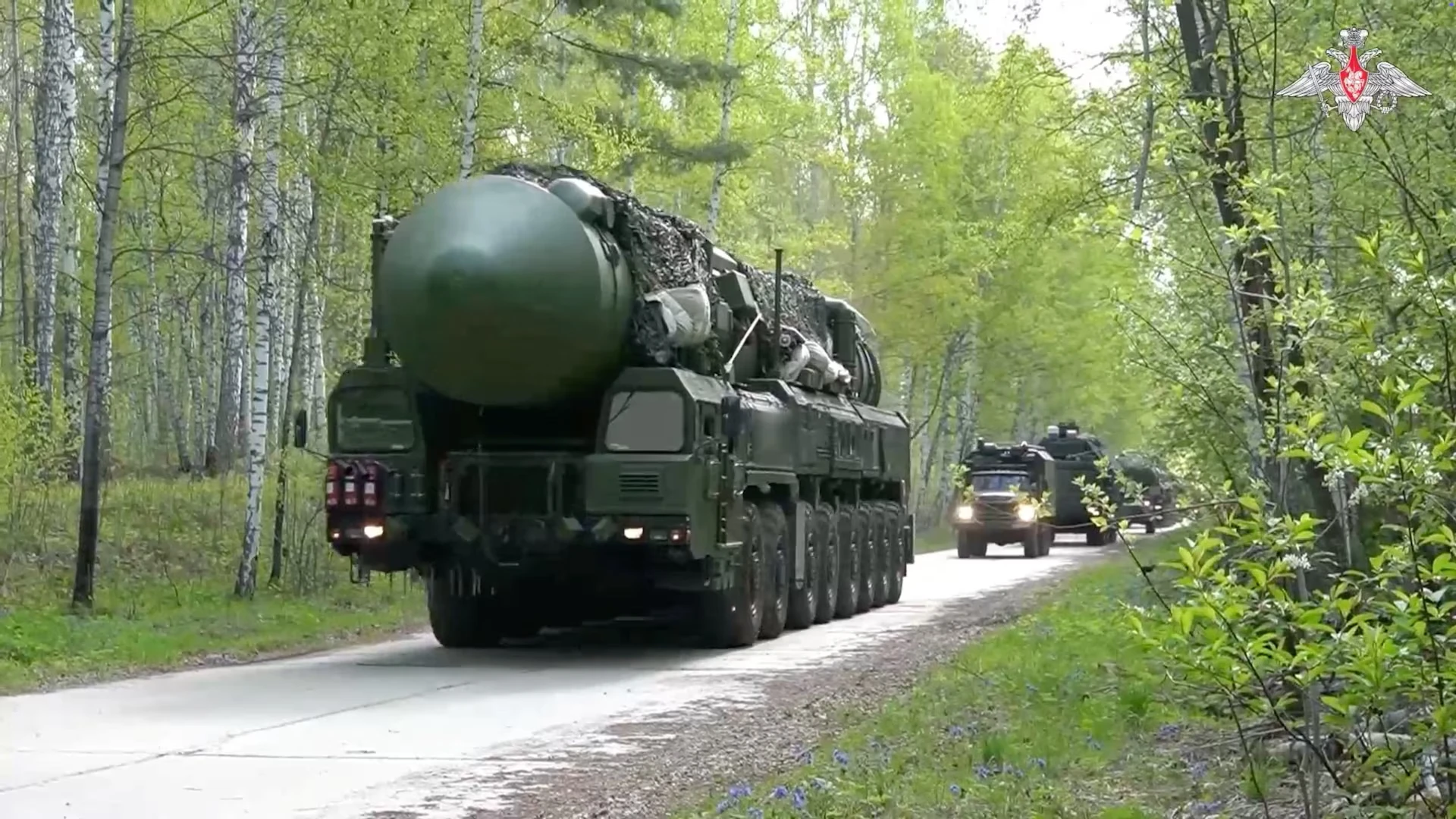
Graham also left unfinished business behind. On the day of his funeral, senators were expected to move forward with legislation imposing new sanctions on Russia and its economic partners. It had been one of his final major priorities.
The overlap between the funeral and the sanctions debate gave the bill symbolic force. But symbolism does not guarantee passage. Without Graham’s ability to pressure colleagues, negotiate with Democrats and persuade Trump, the measure faces a more difficult path.
His political value was never limited to how he voted. Graham’s importance lay in his ability to build coalitions among groups that increasingly struggled to understand one another: traditional Republicans, Trump loyalists, military leaders and supporters of an assertive US foreign policy.
No senator automatically inherits that role. John Thune may assume part of it, while other Republicans may continue Graham’s support for Ukraine and tougher Russia sanctions. But his personal access to Trump cannot be transferred with a committee assignment or Senate office.
His death also triggered an immediate fight over his South Carolina seat. The contest became the state’s first open Republican Senate primary in more than two decades.
Trump endorsed Darline Graham, the senator’s sister, who temporarily assumed the seat and entered the race to keep it. At least nine other candidates joined the contest, transforming succession into a broader struggle over ownership of Graham’s political legacy.
The special primary was scheduled for August 11. If no candidate secured a majority, a runoff would follow two weeks later. The compressed timetable left little room for new alliances to form and made Trump’s endorsement especially influential.
Yet choosing Graham’s sister would not automatically preserve his foreign-policy line. Voters are selecting a senator, not a custodian of memory. The winner will need an independent position on Ukraine, Russia, Israel, military spending and the wider role of the United States in the world.
This is where the funeral becomes a contest over the future of the Republican Party. Will there still be room for the global deterrence strategy Graham represented, or will the party’s foreign policy increasingly be set by the isolationist wing of Trump’s movement?
The presence of Zelensky and Netanyahu underscored the scale of the stakes. Both leaders lost an ally in Washington who viewed their wars as parts of a connected system of threats involving Russia, Iran and the erosion of American influence.
Graham was useful to Trump precisely because he combined personal loyalty with foreign-policy persistence. He could disagree with the president without turning that disagreement into a public rupture. In today’s Republican Party, that ability has become rare.
The Capitol Rotunda ceremony was itself an exceptional honor, generally reserved for the most senior and consequential figures in American public life. Graham’s close friend and political mentor John McCain received a similar tribute in 2018.
The comparison with McCain carries deeper meaning. Together, they represented a Republican tradition in which American leadership required permanent engagement, strong alliances and a willingness to confront authoritarian powers.
After McCain’s death, Graham tried to preserve that tradition inside a party increasingly consumed by domestic conflict. He changed his rhetoric and adapted his style, but he never abandoned the central belief that American withdrawal abroad eventually creates danger at home.
That belief is now without its most prominent advocate inside Trump’s immediate circle. The question is not whether other senators support Ukraine aid or sanctions on Russia. The question is whether any of them possess enough political weight to change the president’s decisions.
Graham also played a distinctive role in the Senate itself. He could move between ideological camps, personal rivalries and institutional factions with an ease that few colleagues matched. He was partisan, but not always predictable; loyal, but rarely silent.
His record was also controversial. He embraced Trump after attacking him, defended conservative judicial nominees with extraordinary intensity and often placed himself at the center of the most polarizing political battles of his era.
That complexity explains why the funeral gathered figures who did not necessarily share the same view of his career. To some, Graham represented principled internationalism. To others, he embodied the compromises required to survive in Trump’s Republican Party.
Both interpretations contain part of the truth. Graham’s political skill lay in adapting to the transformation of his party without fully surrendering the worldview that had defined him before Trump.
His death therefore removes more than one vote from the Senate. It eliminates a bridge between two Republican traditions: the interventionist party of McCain and the nationalist movement built around Trump.
The struggle to replace him will unfold on three fronts at once. South Carolina must choose a new senator. Republican lawmakers must decide who will carry Graham’s foreign-policy agenda. Trump must determine whether anyone else will be allowed the same freedom to challenge him from inside his own camp.
For Ukraine, the consequences will be measured in sanctions, weapons and access to the president. For Israel, they will appear in debates over Iran and US military support. For the Republican Party, they will shape the balance between international engagement and strategic retreat.
Graham’s funeral closed the private story of a political life, but it opened a public contest over his place in the Senate, in Republican foreign policy and beside Donald Trump. None of those vacancies will be filled automatically.
That is why a day of mourning in Washington also became a day of political transition. As the Air Force chorus sang beneath the Capitol dome, the struggle outside the Rotunda had already begun — over a Russia sanctions bill, a Senate seat and the direction America will take after Lindsey Graham.