








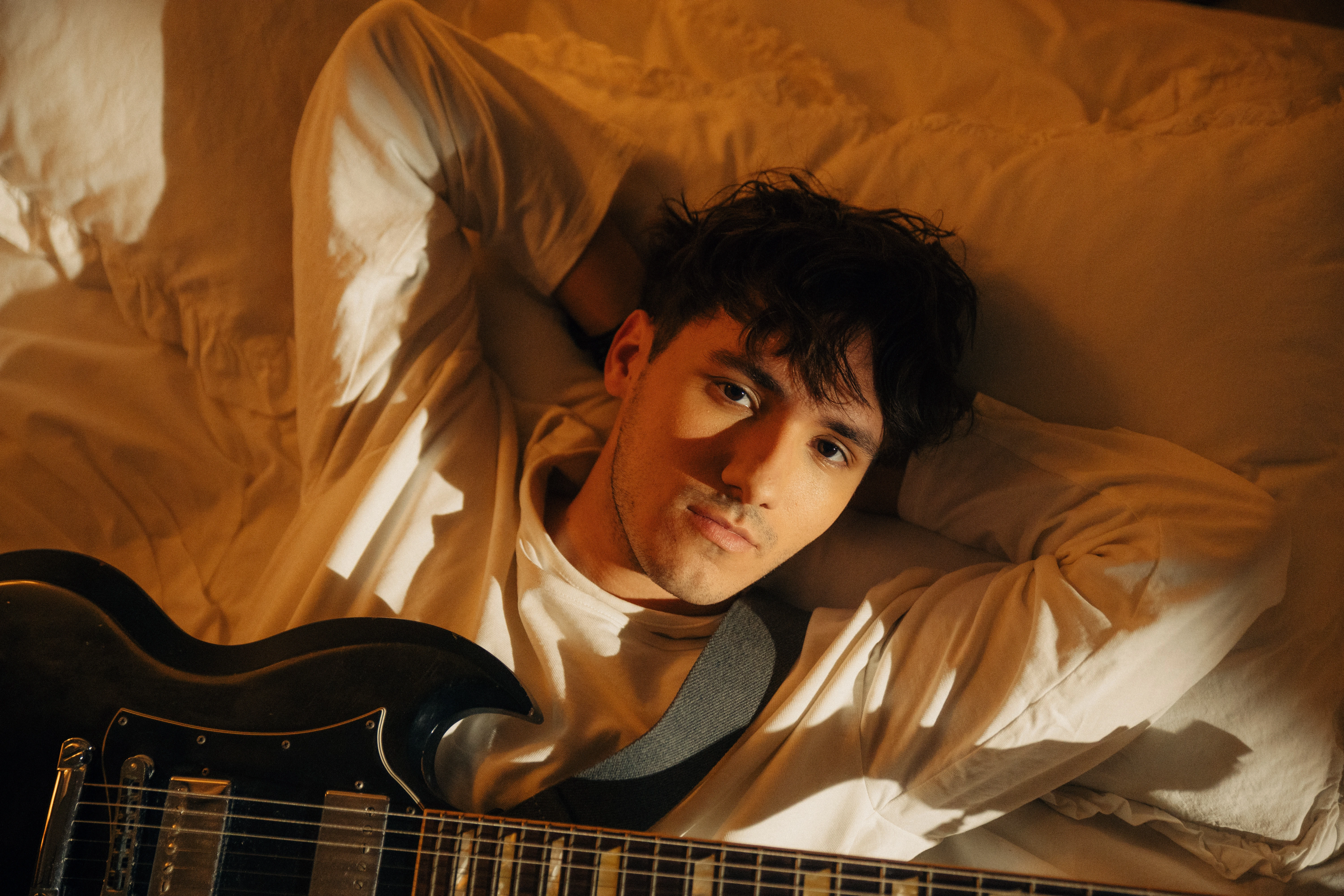








Milly Alcock arrives at a moment when Hollywood is again testing the limits of superhero cinema. Her “Supergirl” is not just another DC comic-book adaptation. It is a major studio wager, a key chapter in the rebuilt DC Universe and the first leading film role for an actress the world first embraced as young Rhaenyra Targaryen.
Onscreen, she must fly, fight, hold the frame and convince audiences that Kara Zor-El is not merely an extension of the Superman myth, but a heroine with her own wound, fury and tenderness. Offscreen, Alcock seems drawn to the opposite task: keeping both feet firmly on the ground.
That tension is what makes her interesting. She does not look like a star naturally built for the machinery of a giant franchise: press tours, fan expectations, headlines, endless interviews, enormous budgets. Alcock speaks about fear not as a weakness, but as a new form of honesty.
According to Daycom’s earlier analysis, careers like hers matter in contemporary Hollywood because audiences are losing patience with flawless celebrity images. They respond more sharply to a living, nervous presence. Alcock enters superhero cinema not with armor, but with visible vulnerability.
Her path to this point has been brief and abrupt. In 2022, “House of the Dragon” made her internationally recognizable. As Rhaenyra Targaryen, she had to combine defiance, solitude and political instinct. Alcock brought to the role not royal coldness, but adolescent stubbornness that had not yet learned how to hide pain.
After that kind of breakthrough, joining another major franchise could not feel like a simple career gift. It meant taking on another character already known, loved, compared and protected by fans. In roles like these, an actor is not only performing. She is asking the audience to accept her version of a myth.
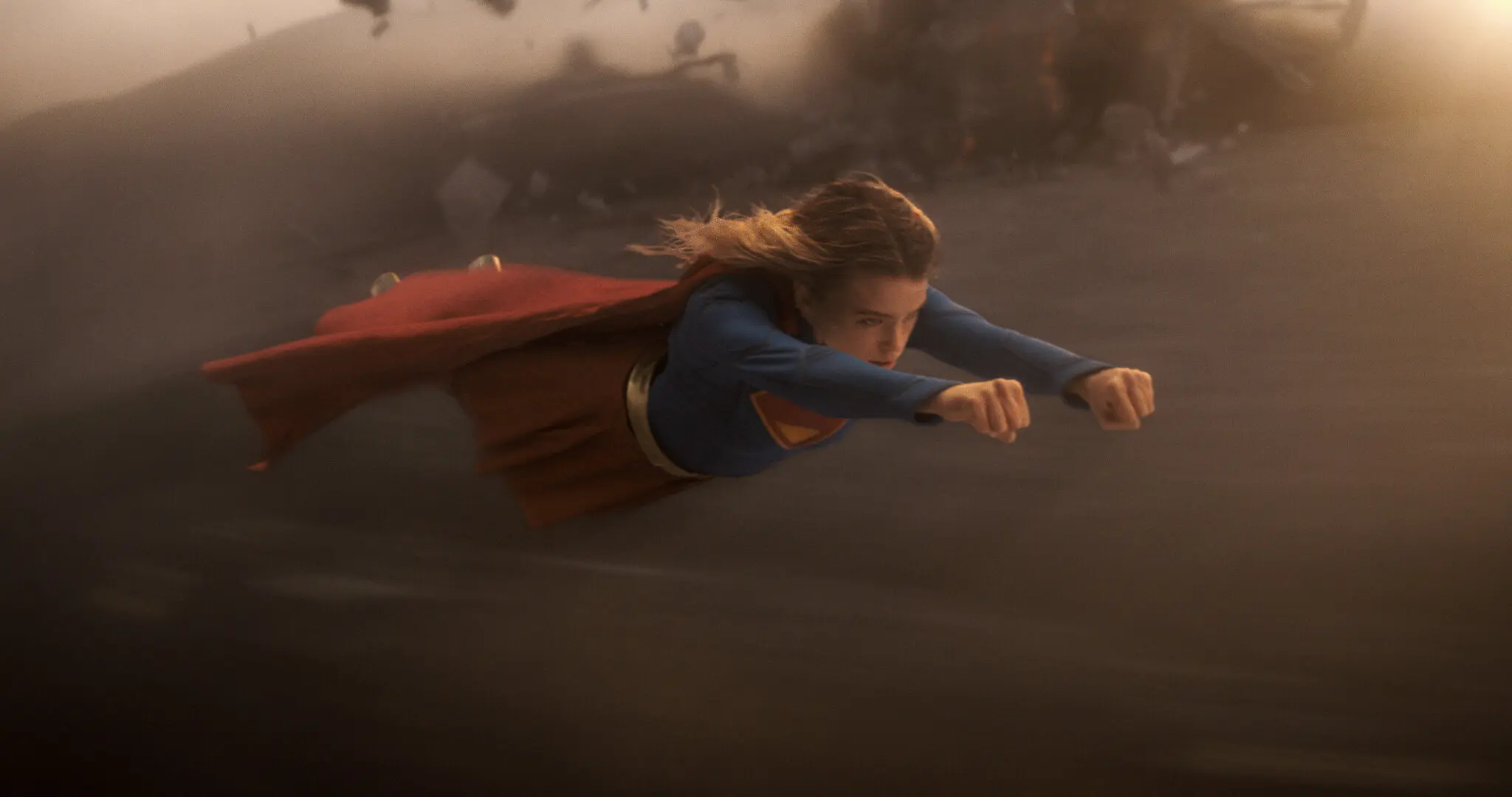 Алкок у фільмі «Супердівчина». За її словами, коли глядачі вже знають персонажа, вони повинні тебе прийняти, «і це здається досить вразливим» — Warner Bros
That is why “Supergirl” became more than a job for Alcock. Her Kara Zor-El is not a polished icon of strength, but an unstable, wounded, sometimes chaotic young woman who hides kindness behind bravado. In that character, Alcock recognized something close to herself: the ability to keep going even without feeling entitled to success.
Her openness about that sounds especially sharp against the scale of the studio machine around her. Alcock did not grow up inside Hollywood privilege. Born in Sydney, she chose acting early, left school after winning a role in the Australian series “Upright” and reached the international stage without the sense that such a place had ever been guaranteed.
That is one of the central themes of her story: success can arrive faster than a person learns to believe she deserves it. After “House of the Dragon,” she lived far from Australia, her family and the world she knew. London, film sets, premieres and auditions became a new reality, but not immediately a home.
Alcock has not hidden that the period between Rhaenyra and Kara brought an internal collapse. She questioned whether she deserved the place she had been given. For an actress who grew up without much of a safety net, sudden fame can be more than elevation. It can feel like a test in which exposure is always near.
“Supergirl” became a way for her to gather herself. In the film, Kara reluctantly takes young orphan Ruthye under her wing, and their journey becomes not only a cosmic adventure, but a story about loss, responsibility and resisting self-destruction when emotions become too large to hold. For Alcock, the role worked almost like a mirror.
The physical cost was high as well. The shoot required months of training, stunts, fight work and the discipline of learning a fictional language. Director Craig Gillespie, known for shaping forceful female performances, saw in her not only intensity, but the commitment needed to carry a film of this scale.
That matters because it would be easy to build a seductive story around Alcock as a “new star.” Her real strength is not that she has suddenly become the face of a major franchise. It is that she is trying not to let the franchise swallow her whole.
She speaks about life outside her career as the thing that steadies her. Milly, the person who exists apart from contracts, premieres and photo shoots, matters more to her than any brand. That is not coyness or fashionable therapy language. It is a survival strategy in an industry that often turns personality into marketing.
Her Australian directness has already brought friction. Comments about toxic fandom and online criticism triggered backlash, and Alcock later acknowledged that some of her words had been careless. The ability not to disguise a mistake as a position sets her apart from performers trained to speak only in safe formulas.
The paradox is that DC Studios appears to have wanted exactly that. James Gunn and Peter Safran are building a new screen universe at a time when the genre no longer has automatic dominance. Superhero films cannot count on billion-dollar returns from a logo alone. They need faces audiences can believe.
For “Supergirl,” that trust is especially important. With a production budget reported around $175 million, the film must work both as spectacle and as a test of DC’s new direction. After “Superman,” the audience is not simply waiting for a repeated formula. It wants proof that the rebuilt universe can carry different tones.
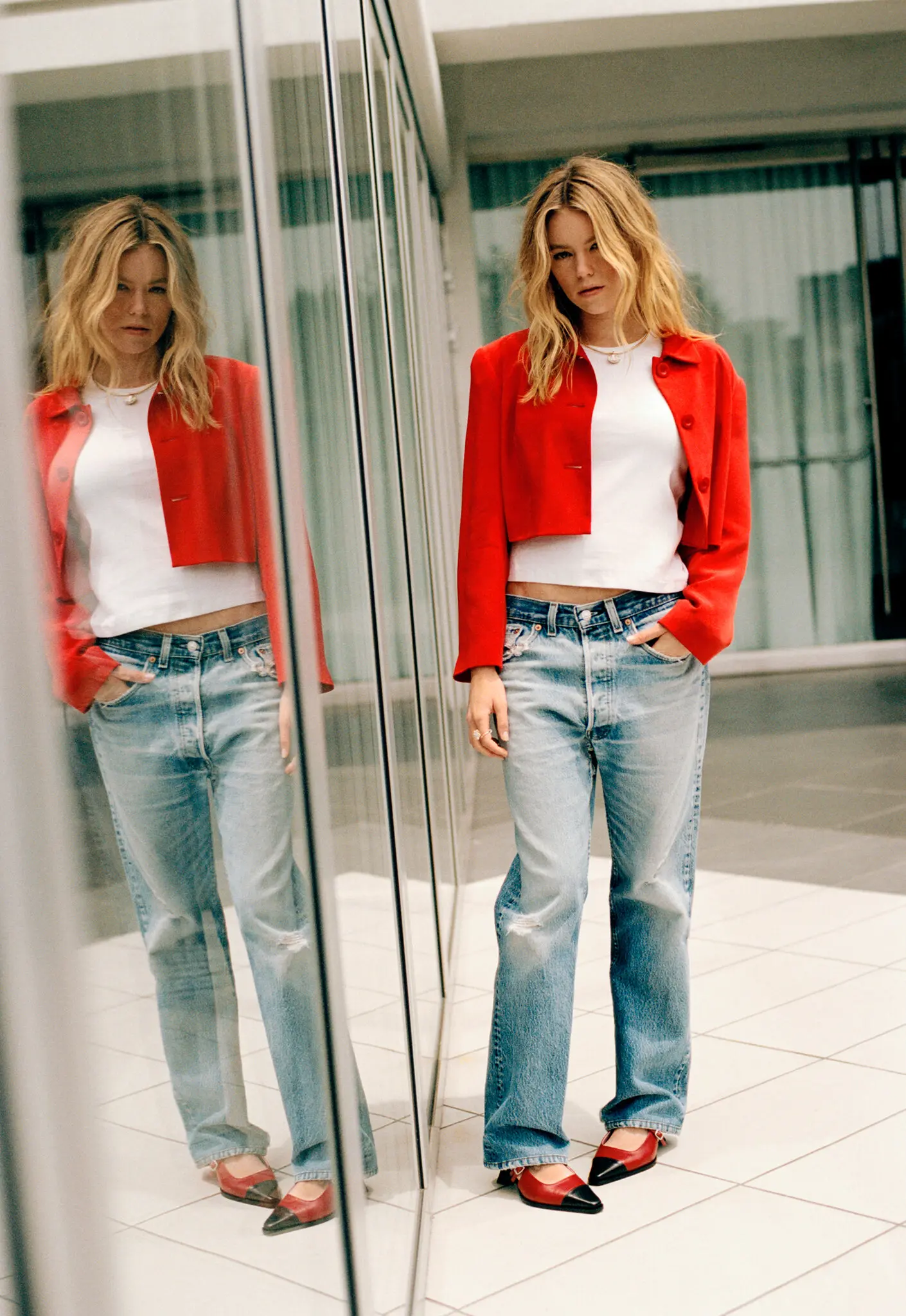
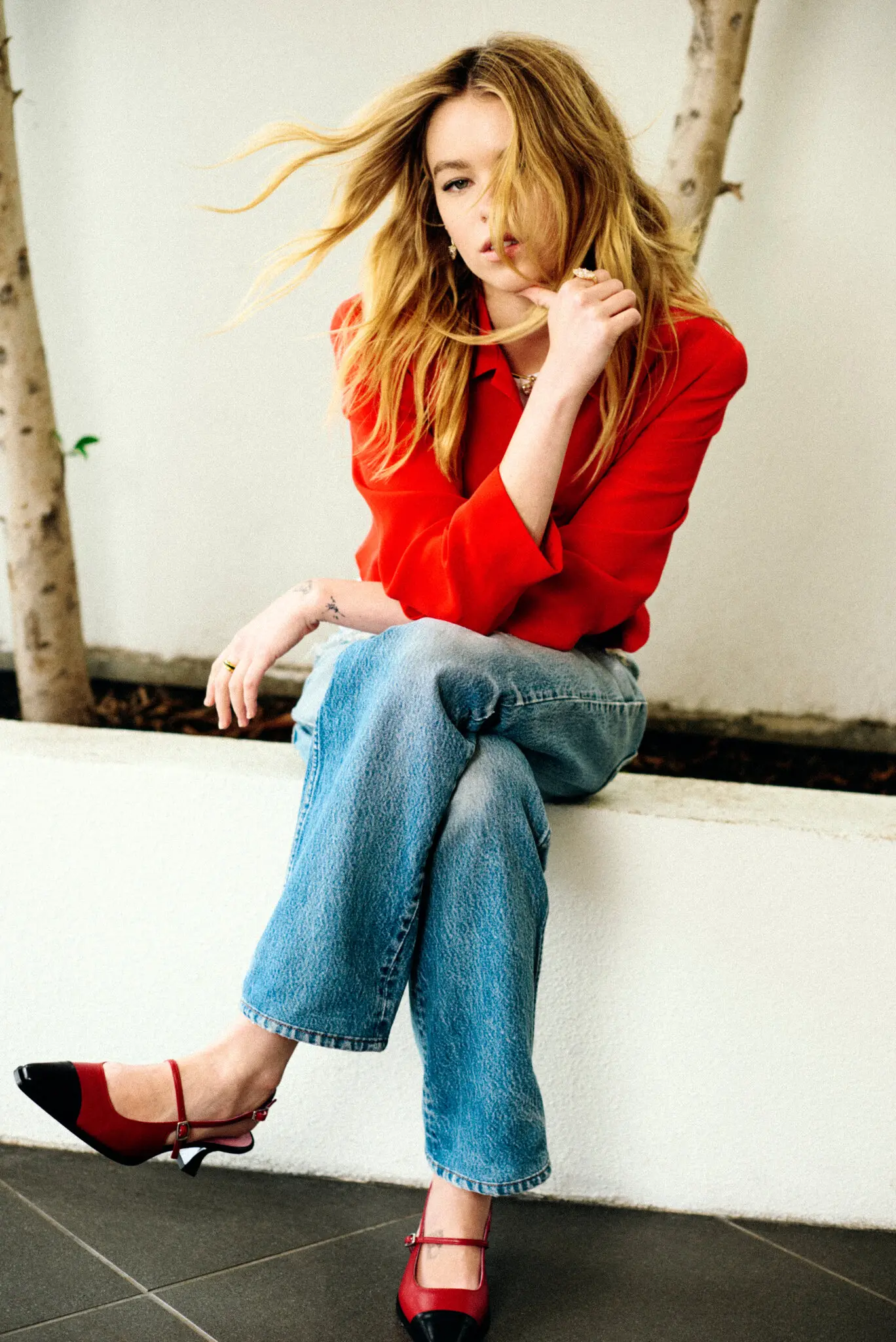
Kara Zor-El may provide that counterweight. She is not as morally centered as the classic Superman image. She is sharper, more damaged, less predictable. Her strength does not lie in perfection, but in moving through chaos while still remaining capable of goodness.
Alcock suits that version because she does not try to seem invulnerable. There is a nerve in her public presence that is difficult to fake. She can speak too directly, make mistakes, laugh, hesitate, be startled by something small, as if she has not lost the ability to be surprised.
Her schedule is already moving quickly beyond “Supergirl”: another Superman film, a horror project with Charli XCX, a comedy with Awkwafina and Kate McKinnon, and a thriller with Toni Collette. It is a career accelerating perhaps faster than is comfortable for someone who recently doubted whether she had the right to be an actor at this level.
But that is where her story becomes larger than a promotional campaign. Milly Alcock is not selling the image of a young woman who has conquered fear. She is showing someone learning how to live beside it. For an actress at the center of a franchise, that may be more honest and more compelling than any flawless legend of destiny.
“Supergirl” arrives when the genre needs not only new power, but new vulnerability. Alcock is not promising to save superhero cinema. She brings to it her instability, her biography, her stubbornness and the kind of presence that cannot be fully engineered in a studio office.
Her heroine flies. Alcock herself seems to be choosing another movement for now: learning how not to leave the ground when there is too much light, noise and expectation around her. That is the real intrigue of her next chapter. DC’s newest superhero is convincing not because she does not fear falling, but because she is finally learning not to run from fear.