
















Moldova is moving out of the security illusion in which neutrality once seemed like a sufficient shield. The war in neighbouring Ukraine has shown Chisinau a different reality: drones, debris, trajectory failures and Russian attacks near the border do not stop at constitutional formulas.
President Maia Sandu is now speaking directly about the need for high-technology interceptor drones. For Moldova, this is not the ambition of a major military power. It is an attempt to protect the country’s most vulnerable space — the sky, which has repeatedly come under pressure from the war next door.
The immediate context is a series of incidents involving Russian drones and debris near Moldovan settlements. Particular concern followed a drone strike on a residential building in Galati, a Romanian city close to the borders with Moldova and Ukraine, where people were injured.
According to Daycom’s earlier analysis, the main shift is not simply the search for a new weapon, but a rethinking of the state’s role. Moldova can no longer build security only on diplomatic caution. It needs sensors, interception capabilities, production capacity and a legal framework for defence technology.
Sandu is calling for legislative changes that would open the way for the development of Moldova’s own defence industry. The country’s constitutional neutrality has long limited political thinking about the army and weapons. But neutrality does not mean defencelessness, especially when a major war is unfolding next door.
The proposal would allow public-private partnerships in defence development. That could enable the state to bring in companies, engineers, investors and technology not only for procurement, but also for production. Moldova needs a practical protection system, not symbolic reassurance.
Interceptor drones have become the natural choice because the threat itself has changed. Attack drones, falling debris from intercepted targets and accidental border crossings create risks to which traditional heavy air defence is not always the most effective answer for a small country.
Moldova cannot quickly build the kind of expensive layered shield available to larger states. But it can create a flexible system of early detection and targeted interception. In that logic, compact high-tech tools may offer more value than slow and bureaucratic procurement cycles.
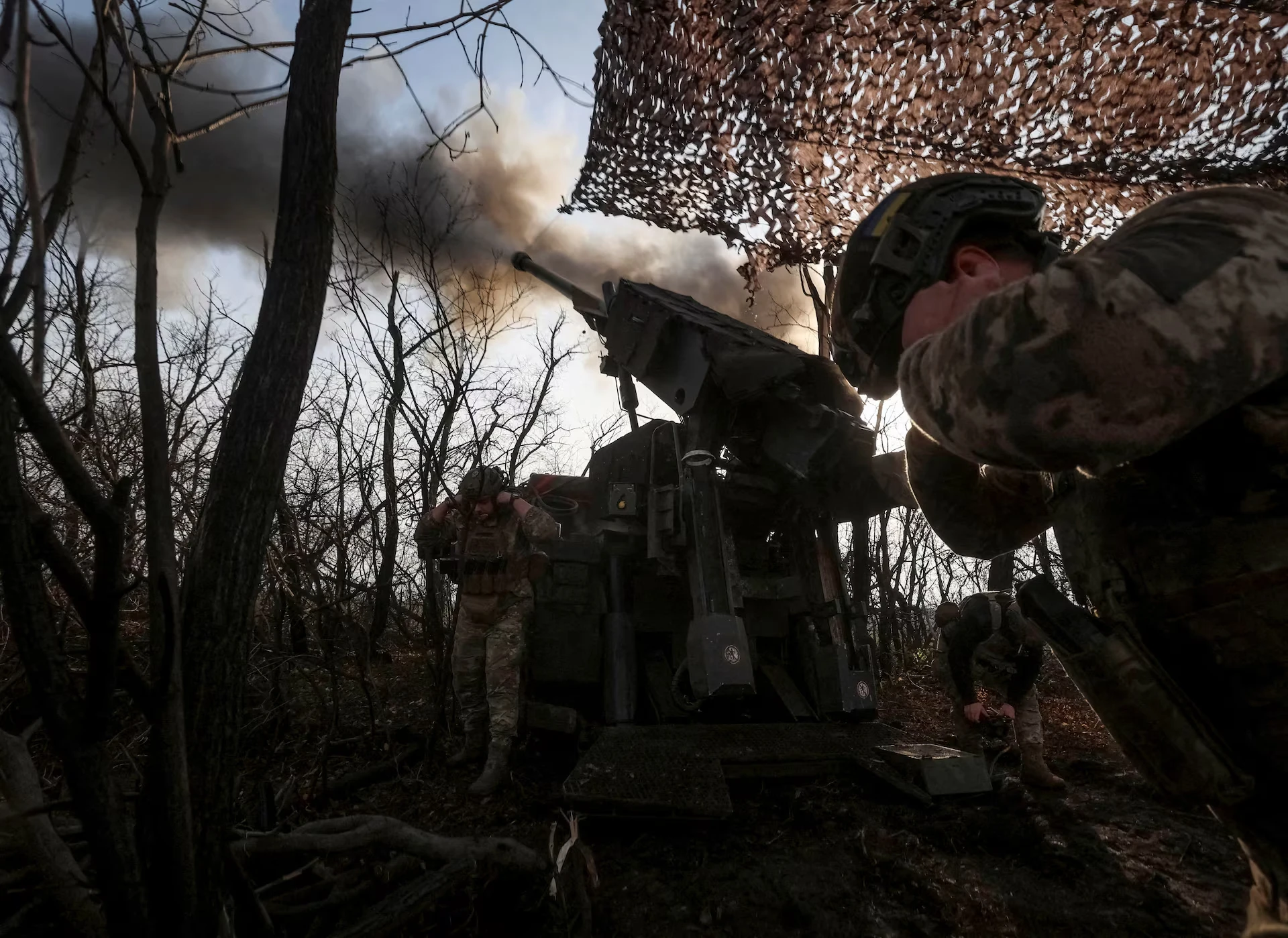
That is why Chisinau is looking closely at Ukraine’s experience. During years of full-scale war, Ukraine has become one of the most dynamic laboratories for countering Russian drones. Its manufacturers, soldiers and engineers have built practical solutions not for exhibitions, but under real attack.
For Moldova, cooperation with Ukraine could be technological and strategic at once. It means training teams, understanding Russian attack patterns, creating expert capacity and adapting solutions to local resources. Without that, even the best technology would remain a foreign component without a system around it.
Sandu has acknowledged that the country must first build a team of specialists. This is a crucial point. An interceptor drone is not a standalone device that solves the problem by itself. It works only inside a chain: detection, data transfer, engagement command, trajectory analysis and clear legal rules for use.
More than 20 cases in which Russian drones entered Moldovan airspace or debris landed near settlements have created a dangerous new normal. Moldova’s military has so far taken no kinetic action in response, but each new violation weakens public confidence in the state’s ability to control its own sky.
This is especially sensitive for a country seeking European Union membership by 2030. For Moldova, European integration is no longer only about reforms, markets and anti-corruption policy. It is increasingly tied to security, border resilience and the ability to withstand Russian pressure.
Moscow has long used political, energy and information pressure against Moldova. Drones and debris add a physical dimension to that pressure. They remind society that war can touch a country not through a formal declaration of hostilities, but through the night sky above villages.
The hardest task for Chisinau is to avoid turning defence into political panic. The development of interceptor drones must look not like the militarisation of neutrality, but like responsible modernisation of the state. The right to protect citizens does not contradict neutrality; it gives neutrality real substance.
On this issue, Sandu is effectively opening a new debate about Moldovan security. The country can no longer afford the luxury of being only an observer of someone else’s war. If Russian attacks near the border create risks for Moldova, the response must be technical, legal and politically mature.
Interceptor drones will not make Moldova invulnerable. But they could become the first real instrument in a new defence architecture: compact, technological, mobile and compatible with Ukrainian experience. For a small state, this is not a secondary detail. It is a way to recover control.
Moldova now faces a choice that can no longer be postponed. It can keep treating falling debris as isolated emergencies, or it can start building a system able to reduce risks before they become tragedies. In the age of drone warfare, security begins not with grand declarations, but with the ability to protect one’s own sky.