















The war the Kremlin tried for years to keep at a distance from Moscow is now entering the capital through job listings. Russia’s largest employment website has posted an ad seeking drone operators to defend Moscow’s skies — with no previous experience required.
Formally, the job is with a volunteer unit of the Combat Army Reserve Force, tasked with securing the capital through modern technical solutions and surveillance systems. In practice, it is another sign that Moscow no longer sees itself as unreachable.
The job description sounds almost corporate: high-tech equipment, protection of the urban environment, professional growth, management support. But behind that office language lies a different reality — the capital of a nuclear power is looking for people to help shield it from drones.
According to Daycom’s earlier analysis, such seemingly small details often reveal most clearly how the character of the war is changing. Ukrainian strikes are now affecting not only Russian energy and logistics, but also the organization of city life, security and labor in Moscow itself.
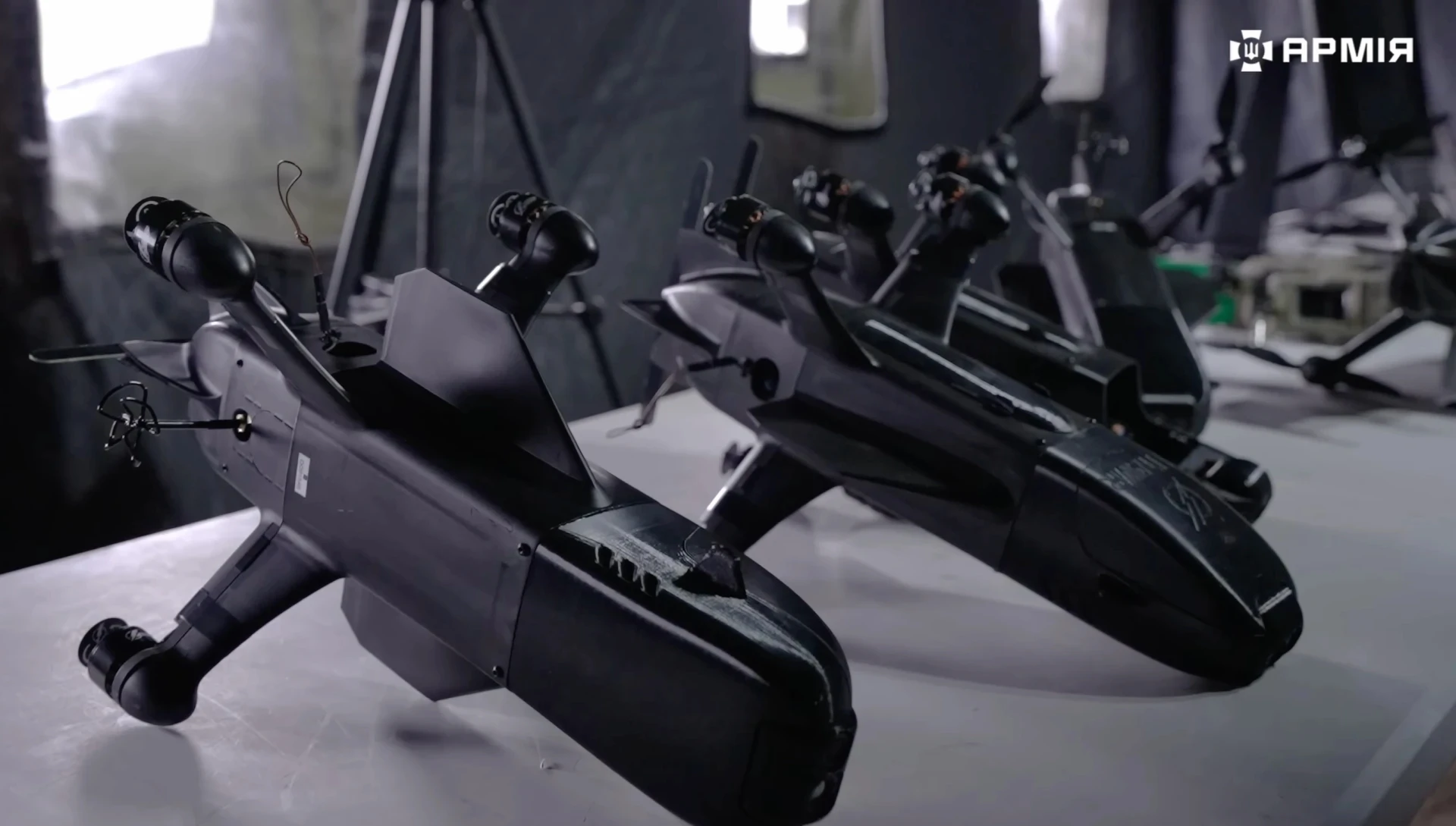
Candidates are promised work with drones, pre-flight preparation, aircraft operation, reconnaissance tasks and flights to collect data by day and by night. Only basic technical skills and a desire to grow in the field are required. War is lowering the entry threshold for a profession that until recently seemed specialized.
This is not merely a recruitment notice. It is a symptom of a shortage of trained personnel and the rapid militarization of civilian space. If the defense of the capital requires operators without experience, the system is not producing enough specialists within the army, security services and industry.
The salary is equally telling. Starting pay is 150,000 rubles a month, below Moscow’s average of more than 200,000. For work connected to the defense of the capital under a regular drone threat, this does not look like a premium for risk. It looks more like an effort to fill an urgent need at the lowest acceptable cost.
That mismatch carries an important signal. The Russian state is spending enormous resources on war, missiles, mobilization, defense plants and propaganda, yet gaps still appear at the lower levels of the security system. They are being filled through the labor market, volunteer formats and promises of career growth.
This is how war becomes a vacancy. Not a mobilization order, not a front-line contract, not a heroic poster, but a job ad with functional duties, salary, employer reviews and the language of corporate culture. It is a new form of normalizing the conflict inside Russia.
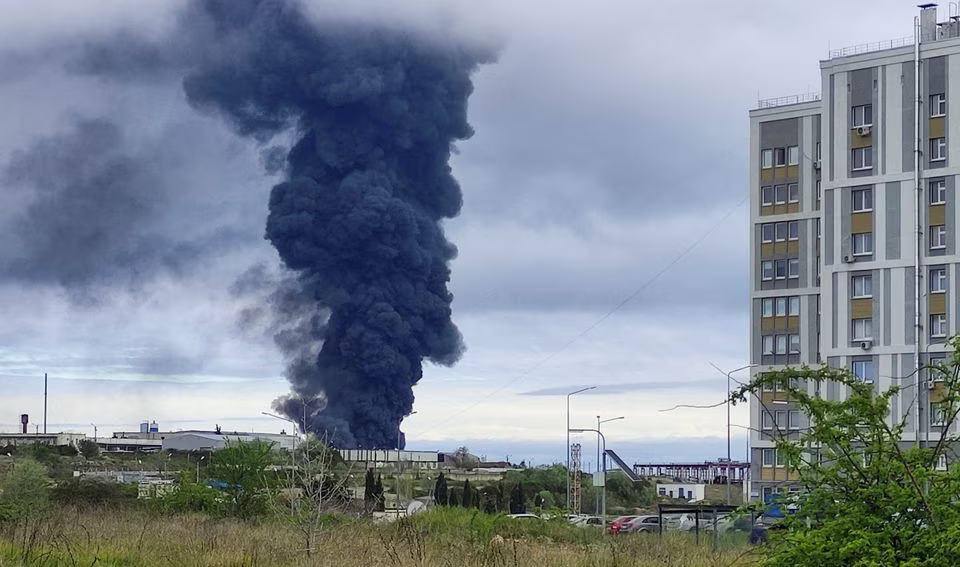
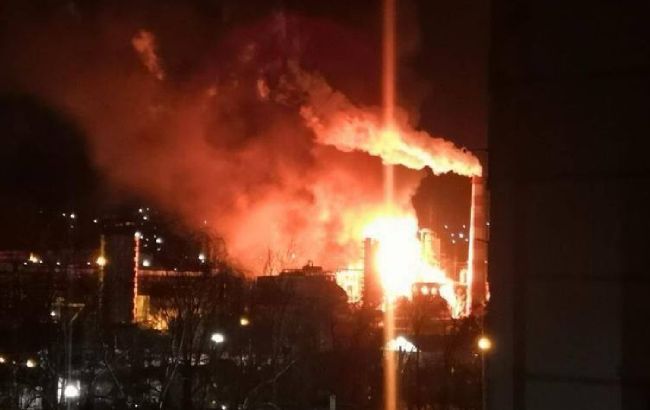
Moscow did not arrive at this point by accident. In recent months, Ukraine has intensified long-range strikes on Russian territory, including energy facilities and military infrastructure. In June, drones twice within three days attacked a major oil refinery near the Moscow ring road.
The very fact of strikes on a facility almost inside the capital’s perimeter carries special meaning for the Kremlin. It erodes the psychological boundary between the front and the center of power. Moscow can no longer be only the place from which the war is managed. It has become a place that must be defended.
That is precisely the purpose of Ukraine’s strategy. Kyiv does not possess a symmetrical arsenal for mass missile strikes on Russian cities of the kind the Kremlin uses to terrorize Ukraine. But it has drones, domestic engineering, flexibility and an understanding that Russia’s war machine depends on oil, logistics, depots and the feeling of a safe rear.
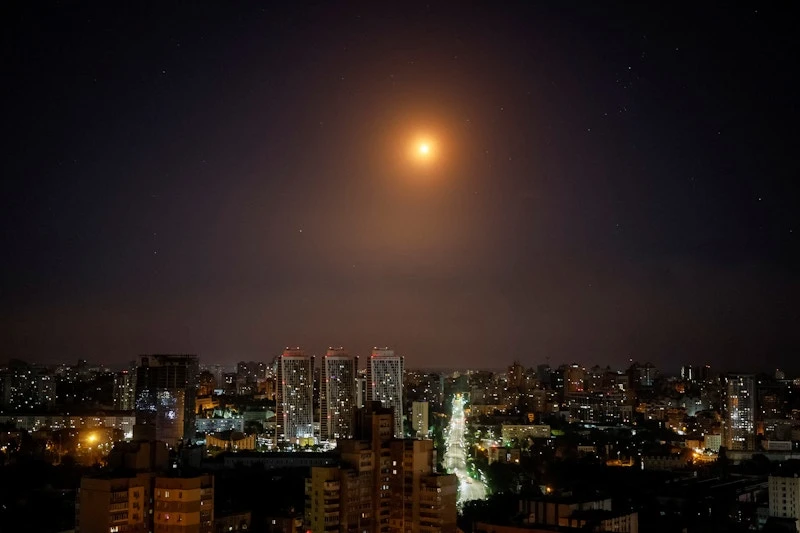
When strikes reach Moscow, they affect more than individual targets. They force changes to flight rules, reinforcement of air defenses, protection of refineries, new duty shifts, recruitment of operators, explanations for smoke above the city and assurances to the public that the situation is under control.
That is why a vacancy for drone operators to defend the capital is a political fact. It shows that Ukraine’s long-range campaign is creating not temporary discomfort for Russia, but a new permanent security perimeter. Every such perimeter costs money, people, time and managerial attention.
The Kremlin is already speaking about strengthening defenses against drone attacks. But reinforcing the capital’s protection means admitting vulnerability. The more resources Russia must devote to covering Moscow, refineries, airfields and depots, the harder it becomes to preserve the illusion of a war happening somewhere far away.
For Russian society, this has a cumulative effect. First the war returns through mobilization and coffins. Then through inflation, fuel shortages, internet restrictions and lines at gas stations. Now it is returning through the need to defend the sky above the capital with new operators.
This does not automatically produce a political turning point. An authoritarian system can absorb uncomfortable signals for a long time, translating them into the language of patriotic duty, external threat or technical modernization. Recruitment ads for drone operators can be presented not as a symptom of weakness, but as proof of state mobilization.
But weakness does not disappear when the language changes. If the capital is looking for people for new defense infrastructure, the old one is insufficient. If experience is not required, the need is urgent. If the pay is below the Moscow average, the system is relying not only on the market, but also on wartime discipline and propagandistic pressure.
At the same time, Russia is answering Ukrainian strikes with escalation against Ukrainian cities. The deadliest attack of the year on Kyiv killed at least 30 people. This shows that the Kremlin is not looking for a way to reduce tension, but is trying to make Ukrainian pain greater than its own vulnerability.
This is where the main difference between the two strategies lies. Ukraine strikes infrastructure that supports Russia’s war machine. Russia strikes residential buildings, cities and civilian endurance. Moscow calls this a response, but in reality it is an attempt to turn the aggressor’s military discomfort into death for the victims of aggression.
The Moscow drone-operator ad should therefore be read not as a curiosity, but as one fragment of a broader picture. Russia is adapting to a war returning to its own territory. It is building new defensive layers, searching for personnel, repairing damaged facilities, importing fuel and simultaneously trying to break Ukrainian cities with missiles.
For Ukraine, this confirms that long-range pressure is working. It does not stop Putin automatically, but it forces him to pay more for continuing the war. Every new system defending Moscow, every additional operator, every closed route and every guarded refinery is a resource Russia can no longer direct painlessly only to the front.
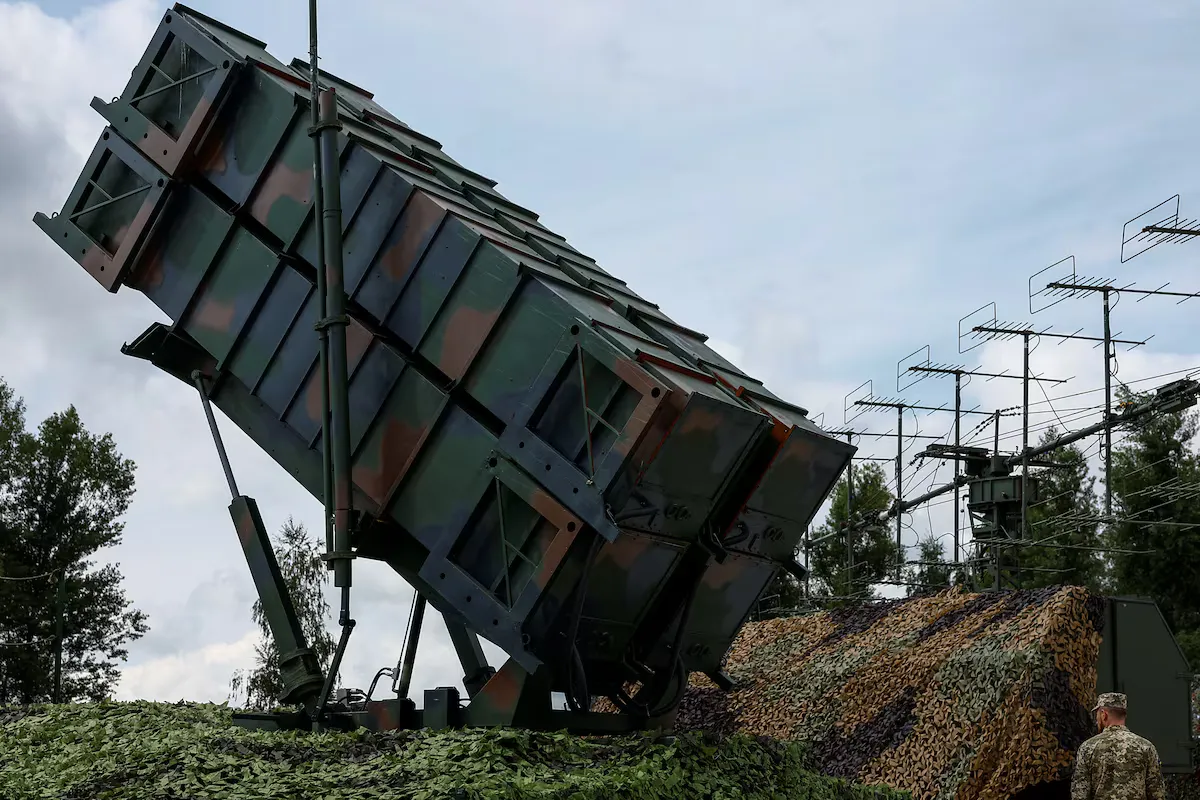
At the same time, that pressure has meaning only if Ukraine itself receives sufficient protection for its skies. Moscow can hire operators to defend the capital, but Kyiv still needs interceptors, Patriot batteries, modern air defenses and fast allied decisions. Without them, Russia will keep answering its own vulnerability with strikes on Ukrainian homes.
Moscow’s labor market has become a mirror of the war the Kremlin wanted to hide from its own center. In that mirror one sees not victorious stability, but the nervous restructuring of a state suddenly forced to defend the capital’s sky from a country it once expected to subdue quickly.
The drone-operator vacancy is a small document of a large shift. The war no longer simply leaves Moscow through orders, missiles and televised speeches. It is returning to Moscow through smoke over refineries, new defense shifts and a job ad in which the capital is looking for people able to look at its sky not as a symbol of power, but as a zone of risk.