



















North Korea’s role in Russia’s war against Ukraine is moving beyond concealed arms shipments toward direct military participation. After infantry, artillery support and engineering personnel, Moscow may now receive a dedicated North Korean missile unit.
Ukrainian military intelligence estimates that the unit could include about 90 personnel. It may be based in Russia’s Voronezh region and equipped with six launchers and as many as 120 ballistic missiles for strikes against Ukraine.
Such a deployment would represent North Korea’s most substantial involvement in a foreign war since the Korean conflict. Pyongyang is no longer simply selling weapons to Moscow; it is becoming increasingly integrated into Russia’s war machine.
In Daycom’s assessment, the significance of this alliance lies not in any single contingent or missile shipment. Russia and North Korea are building an exchange system in which Moscow receives manpower and ammunition, while Pyongyang gains money, energy supplies, technology and experience in modern warfare.
Initial estimates in late 2024 suggested that North Korea had sent between 10,000 and 12,000 troops to Russia. Later assessments placed the number deployed in the Kursk region at roughly 14,000 to 15,000.
Moscow and Pyongyang confirmed their participation in combat in April 2025. Russian military commanders publicly praised the role of North Korean forces after Moscow said it had retaken territory in the Kursk region.
By early August 2026, around 9,500 North Korean troops may still have remained in Kursk. Even if they were not directly engaged in combat at that moment, their presence could allow Russia to free its own units for other sectors of the front.
Kyiv has also warned that Moscow may be preparing to receive another 30,000 North Korean troops. Facilities in the Voronezh region could be used to accommodate, train and redistribute those forces.
Even if deployment on that scale has not yet taken place, the direction of cooperation is increasingly clear. North Korea is moving from episodic support toward sustained participation in Russia’s war.
The relationship extends beyond infantry. Pyongyang has also agreed to send 1,000 sappers and 5,000 military construction workers to clear mines and rebuild infrastructure in the Kursk region.
Formally, such personnel may not perform assault missions. In practice, however, they relieve pressure on the Russian military by allowing Russian engineers and other specialists to be reassigned closer to the front.
The distinction between support and combat roles is becoming increasingly blurred. Sappers work in dangerous areas, construction troops restore military roads and fortifications, while missile specialists directly enable strikes.
The possible arrival of a North Korean missile unit is therefore especially significant. Russia had already been able to launch North Korean missiles using its own crews. Now Pyongyang may be providing not only the weapons, but also the personnel trained to operate and maintain them.
That would shorten the time needed to integrate new systems, simplify maintenance and give North Korean specialists direct information about missile accuracy, reliability and performance in wartime conditions.
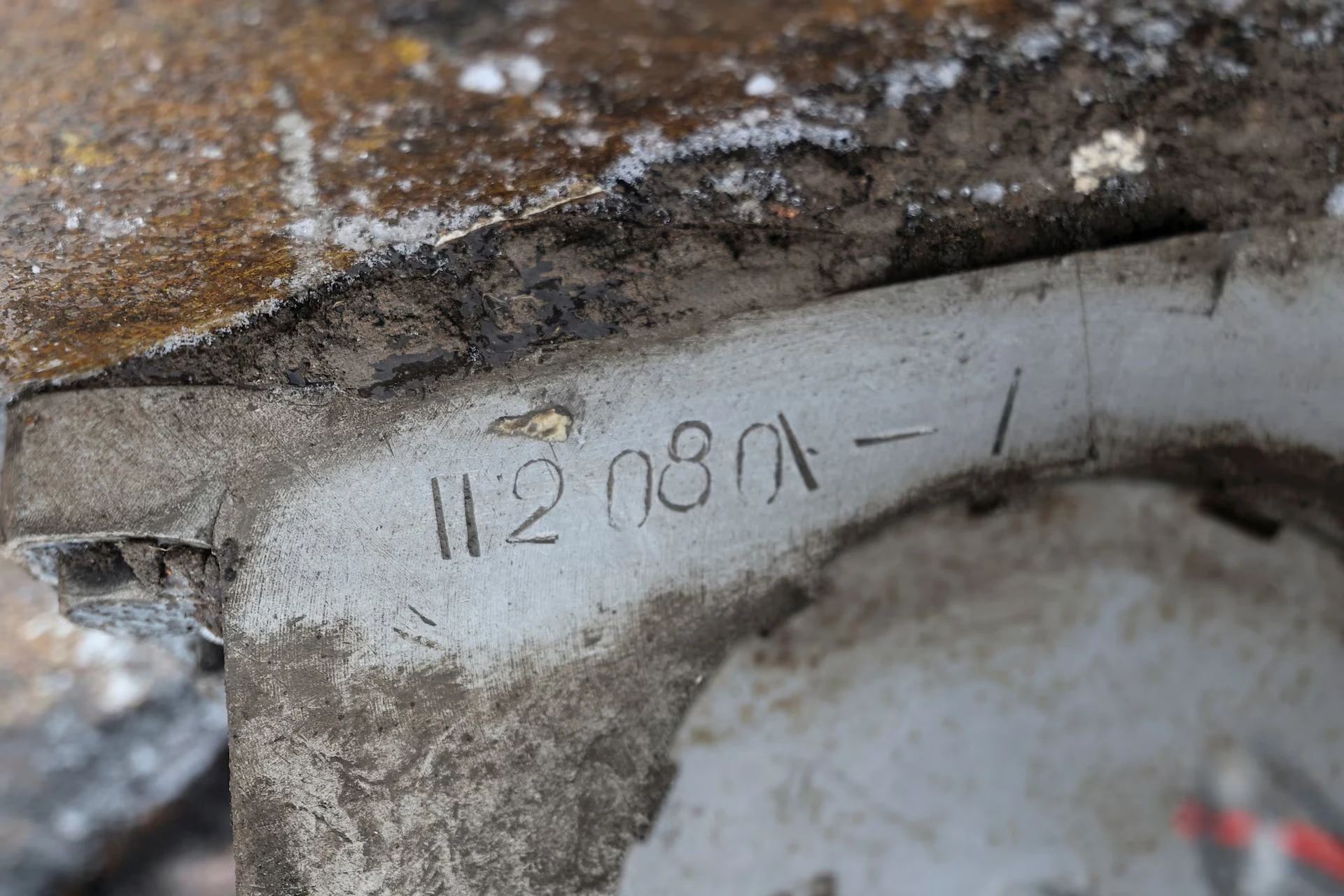
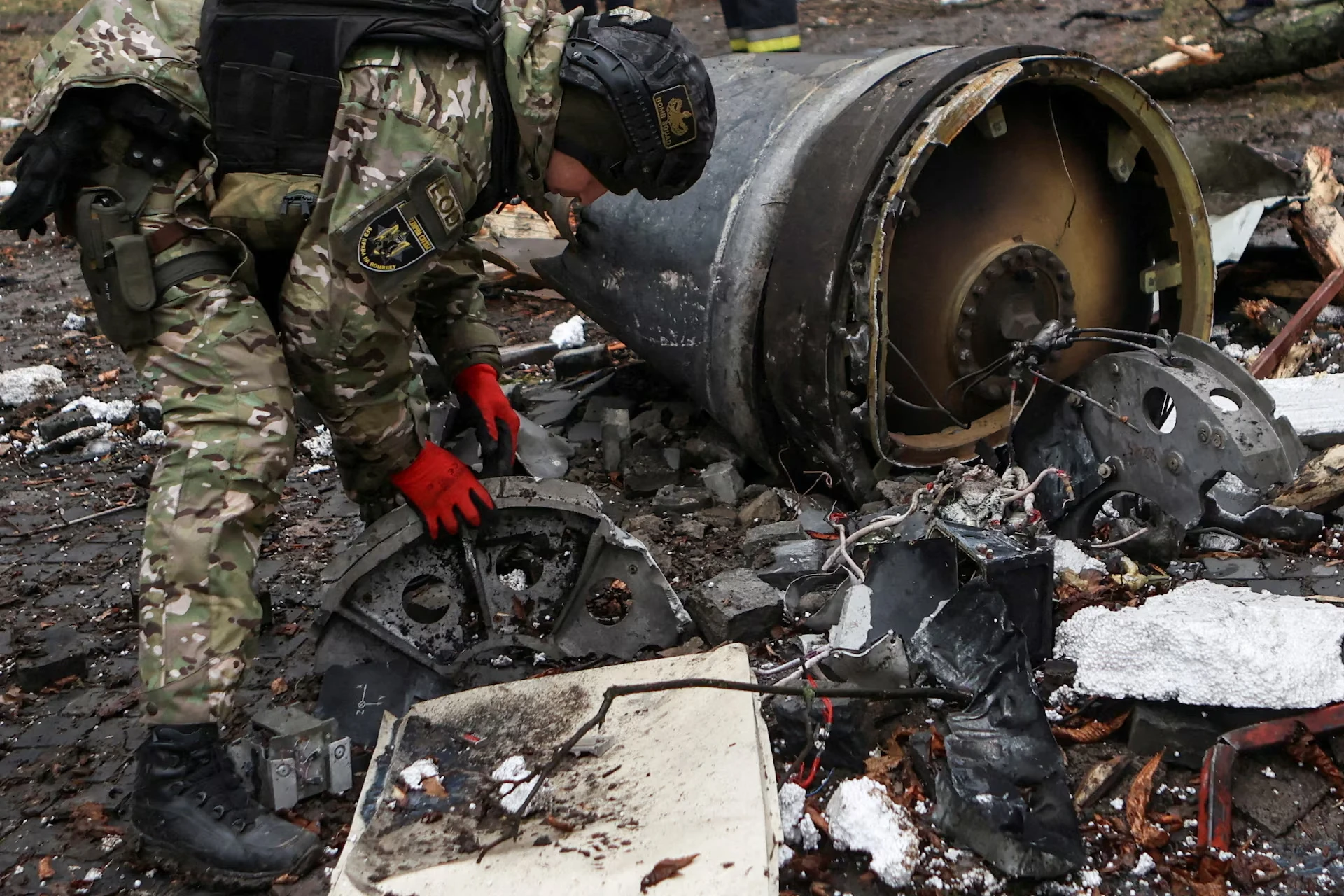
Russia has already used KN-23 and KN-24 ballistic missiles against Ukrainian cities. By the beginning of 2025, North Korea may have supplied at least 148 such missiles.
After a lengthy pause, Russian forces began using North Korean ballistic missiles again in the summer of 2026. That may indicate either the arrival of new shipments or renewed use of stocks Moscow had previously held in reserve.
A stockpile of 120 missiles would not alter the course of the war on its own. It could, however, help Russia maintain a high tempo of strikes at a moment when Ukraine is facing an acute shortage of Patriot interceptors.
Even an inaccurate ballistic missile creates significant pressure. It can force Ukraine to expend an expensive air-defense interceptor, halt industrial activity, issue air-raid alerts and conduct rescue operations after impact.
For Russia, North Korean missiles offer a way to enlarge its arsenal without placing additional pressure on domestic production. Moscow can reserve more advanced weapons for priority targets while incorporating KN-23 and KN-24 missiles into larger attack packages.
Artillery support remains even more consequential. North Korea has supplied Russia with millions of shells and mortar rounds, as well as long-range artillery systems and multiple-launch rocket systems.
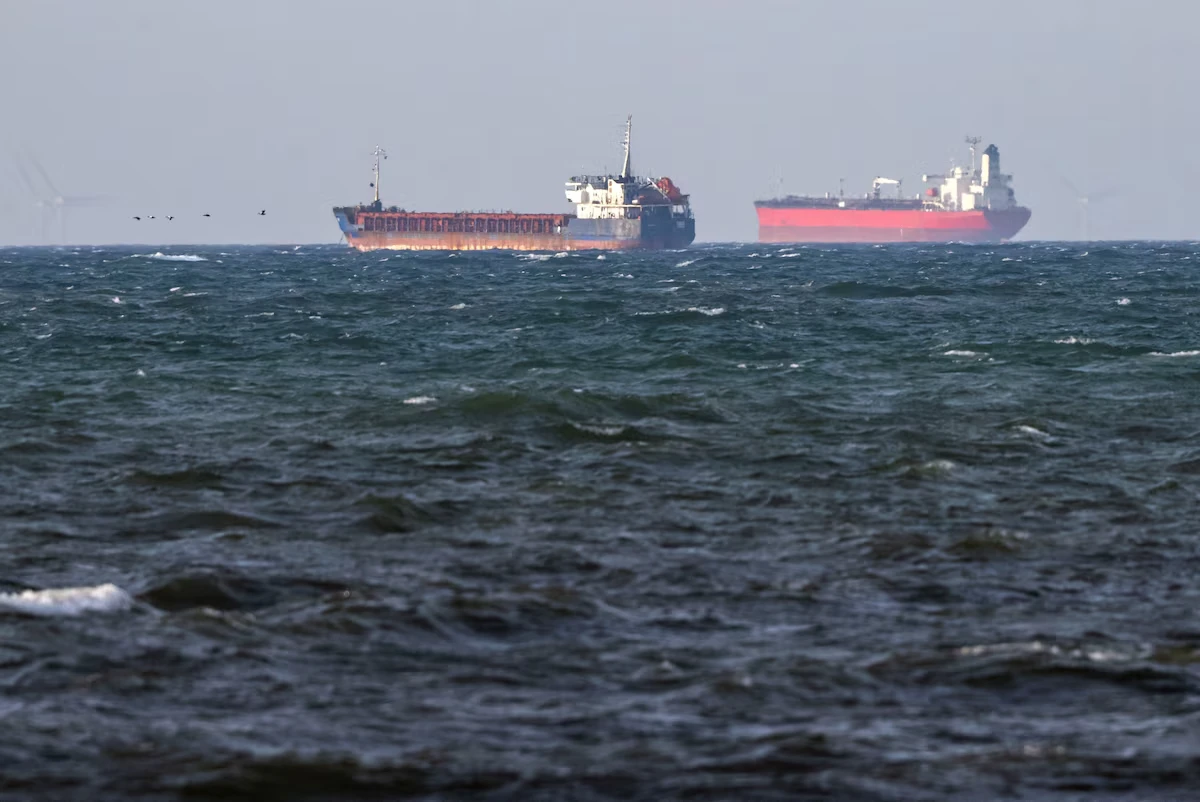
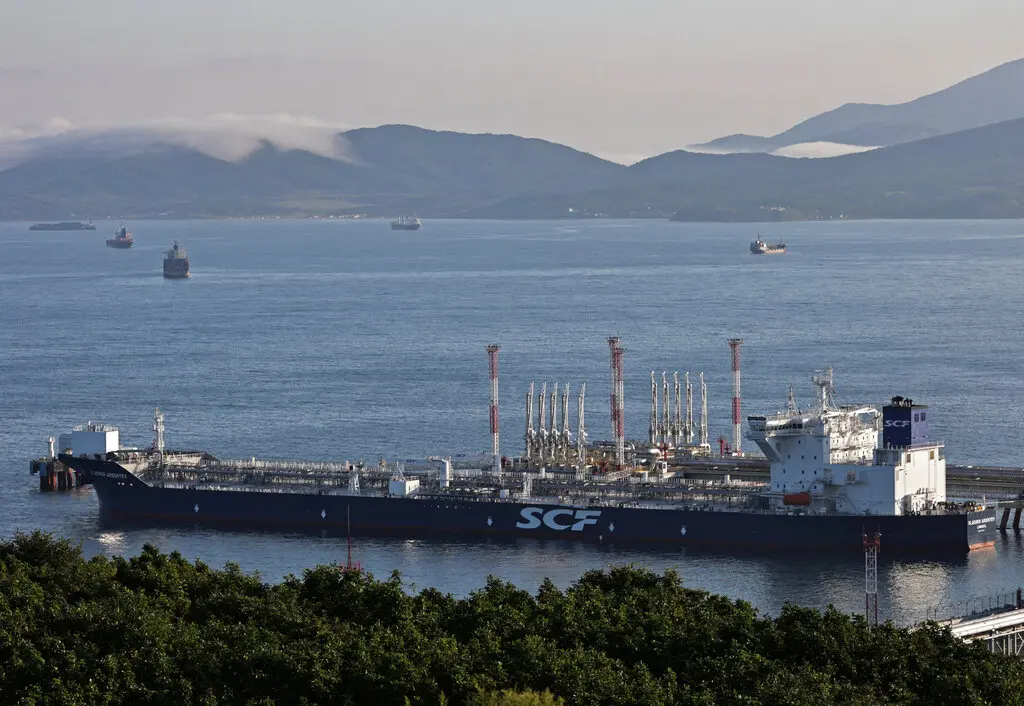
Between September 2023 and March 2025, four Russian-flagged cargo ships made 64 voyages to North Korea’s port of Rajin. Those voyages may have transported nearly 16,000 containers of ammunition.
Ukrainian estimates put the number of North Korean artillery shells supplied to Russia at roughly four million, excluding mortar rounds. At certain points, Pyongyang may have been providing close to half of Russia’s frontline ammunition needs.
That figure explains why the relationship has become strategically important to Moscow. Despite the rise of drones and precision weapons, large-scale war still consumes enormous quantities of conventional artillery ammunition.
Russia can manufacture substantial amounts itself, but the size of the front requires even larger reserves. North Korean stockpiles have helped Moscow sustain a high rate of fire without waiting for new domestic production lines to reach full capacity.
The quality of some North Korean ammunition may be inconsistent. Problems with accuracy, storage conditions and propellant stability have been reported. In a war of attrition, however, quantity can partly compensate for lower reliability.
For Pyongyang, the trade offers a rare opportunity to convert vast Cold War-era stockpiles into hard currency, fuel and political influence.
The most valuable compensation may not be financial at all. North Korea has a strong interest in Russian military technology, including satellite systems, missile engines, guidance technology, air defense and aviation expertise.
It is also gaining something that no training exercise can reproduce: combat experience. North Korean troops are being exposed to drones, electronic warfare, artillery coordination, mine warfare and an environment in which nearly every movement can be observed.
That experience matters greatly for an army that is enormous on paper but has spent decades largely without modern battlefield exposure.
The war in Ukraine has shown how rapidly conventional infantry becomes vulnerable to drones, thermal imaging and networked intelligence. North Korean units may be paying heavily for those lessons, but the knowledge can be carried home.
The same applies to the defense industry. Every launch of a KN-23 or KN-24 provides information about accuracy, component reliability and the missile’s ability to penetrate modern air defenses.
Those lessons can later be incorporated into weapons designed not for Ukraine, but for potential use against South Korea, Japan or American bases across the Pacific.
That is why military cooperation between Russia and North Korea is no longer only a European security problem. Experience gained on the Ukrainian battlefield can alter the strategic balance in East Asia.
The relationship rests formally on the comprehensive strategic partnership treaty signed by Vladimir Putin and Kim Jong Un in June 2024. The agreement includes provisions for mutual assistance in the event of external aggression.
Pyongyang portrays its military participation as fulfillment of an alliance obligation and as assistance to a “brother nation.” The language gives the deployment an ideological justification at home.
For Kim Jong Un, the relationship with Moscow also offers a way out of diplomatic isolation. North Korea has gained a privileged relationship with a nuclear-armed permanent member of the United Nations Security Council.
That relationship has weakened the international sanctions system. Russia once supported restrictions on Pyongyang; it now has an interest in blocking mechanisms designed to enforce them.
Transfers of troops, ballistic missiles and artillery ammunition conflict with U.N. sanctions imposed over North Korea’s nuclear and missile programs. But enforcement becomes increasingly difficult when one of the architects of the sanctions regime becomes a major customer for the prohibited military goods.
Additional American and South Korean sanctions can complicate financing and logistics. They are unlikely to stop the exchange entirely if Russia is willing to provide shipping routes, payments and political protection.
A broader model of military cooperation is emerging among governments under Western restrictions. Russia, North Korea and Iran can exchange resources, weapons and technology in ways that reduce the effectiveness of isolation.
China is not participating in the relationship in the same direct military form, but its economic weight creates a wider environment in which Moscow and Pyongyang can better withstand Western pressure.
For Ukraine, the consequence is immediate. Russia gains the ability to sustain the war for longer, fire more missiles and maintain artillery intensity even when its own production faces limits.
For NATO, the consequence is strategic. The war in Europe is becoming increasingly connected to security in the Indo-Pacific, with military developments in one theater affecting risks in another.
For North Korea, this is one of its most consequential foreign-policy bets in decades. It is sending soldiers and weapons, but in return it gains the opportunity to modernize its forces and strengthen the regime.
The greatest danger lies in the cumulative nature of the exchange. One North Korean contingent will not solve Russia’s manpower problems, and one shipment of ballistic missiles will not break Ukrainian defenses.
Years of deliveries, rotations and technological exchange, however, could create a durable military partnership that learns from war faster than the international system can adapt to contain it.
North Korea is entering Russia’s war not as a peripheral supplier, but as a partner pursuing its own strategic interests. Moscow is buying time and firepower. Pyongyang is buying access to the battlefield of the future.
For Ukraine, that means the war ceased to be bilateral long ago. On Ukrainian territory, Russia is not only attempting to redraw Europe’s borders; it is also helping the North Korean military prepare for conflicts that may unfold on the other side of the world.