

















Tuesday’s move in oil made one thing clear: the market is no longer reacting simply to combat. It is reacting to the structure of pressure built around Iran. As Washington’s deadline draws closer, what becomes more expensive is not only a physical barrel, but a barrel loaded with geopolitical fear.
That rise is not a mechanical response to battlefield headlines. It is the market’s attempt to calculate the odds that one of the world’s most strategic energy corridors could become not a temporary danger zone, but a lasting lever of coercion. That is why the move looks less like panic than like the formation of a new price regime.
Brent held near $111 a barrel, while West Texas Intermediate moved toward $115. Those levels matter not only as numbers. They suggest that traders are beginning to accept a high and persistent risk premium, while losing confidence that tension around the Strait of Hormuz will simply fade with another round of threats and counterthreats.
According to Daycom’s earlier analysis, the core question is no longer just whether the strait will remain formally open. The more important question is who gets to define the terms of passage through it. Once one side demands access by ultimatum and the other ties shipping to sanctions, security guarantees and political concessions, oil inevitably becomes a currency of pressure.
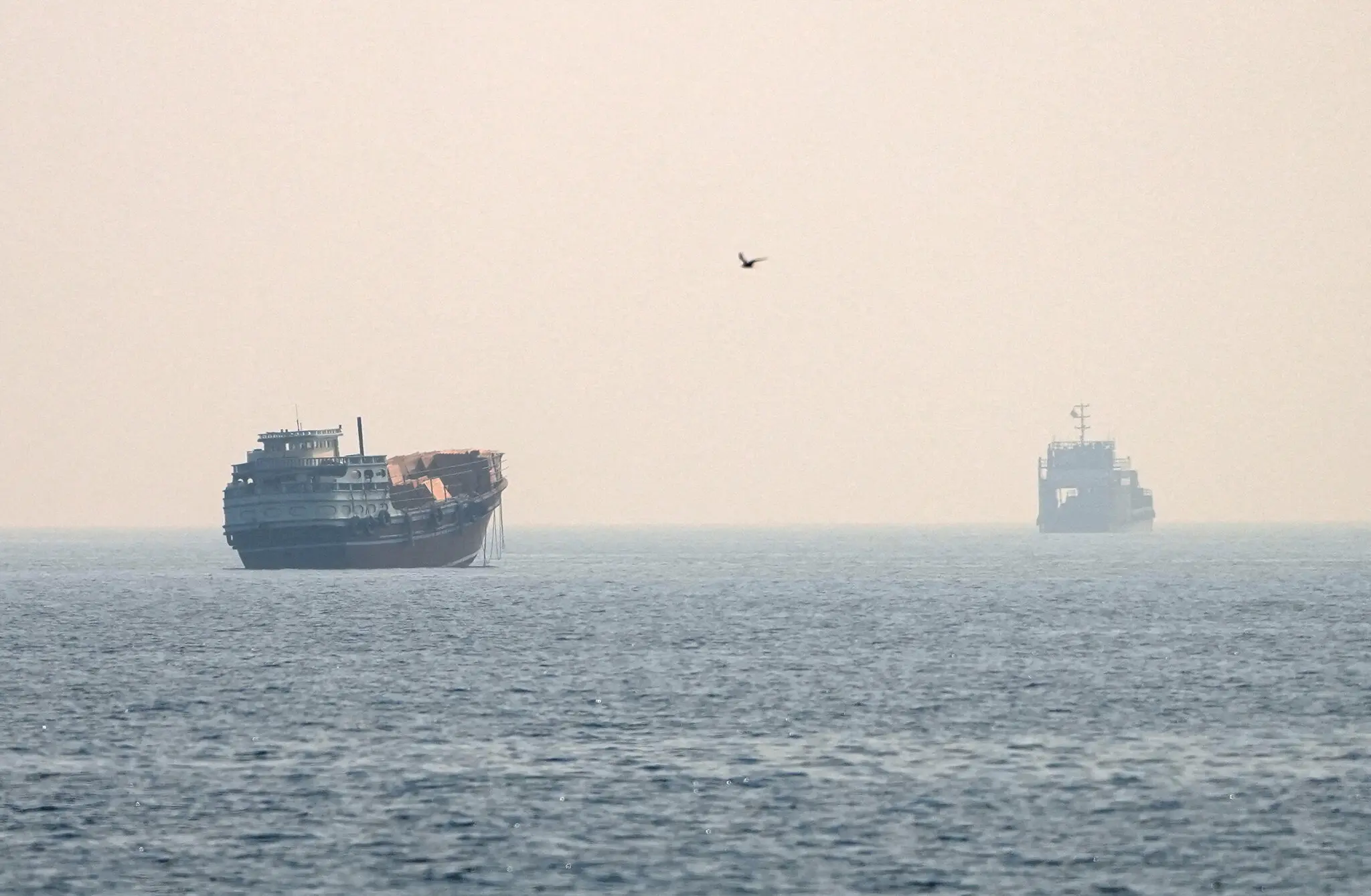
That is where the real source of the price increase lies. In ordinary times, roughly a fifth of the world’s oil supply passes through Hormuz. The market therefore fears not only a total closure, but a regime of partial, selective and constantly revisable passage. For traders, that can be worse than a clear stoppage: flow continues, but the rules behind it become unstable.
Even signs of a modest pickup in tanker traffic have not reassured investors. The movement of some ships no longer counts as proof of normalization. The market is watching something larger than vessel counts. It is watching the fragility of the system itself, where any new political shock can instantly become a price shock.
This is the new stage of the energy crisis. Oil is rising not because supply has already broken down in full, but because the logic of supply has itself become contested terrain. When a maritime corridor turns into an object of ultimatums, threats, tariffs and conditional access, the market begins paying in advance for disruption that may not yet be fully visible.
Equity markets have been notably calmer, and that contrast matters. Asian and European stocks moved cautiously rather than collapsing. That suggests a split in expectations. Equities are still trading a scenario of prolonged but manageable instability. Oil, by contrast, is trading as though any diplomatic failure could rapidly alter the rules for shipping, insurance, refining and consumer costs across the globe.
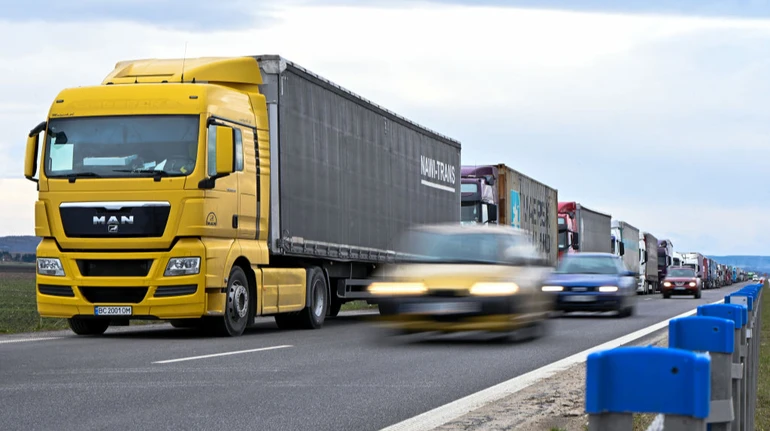
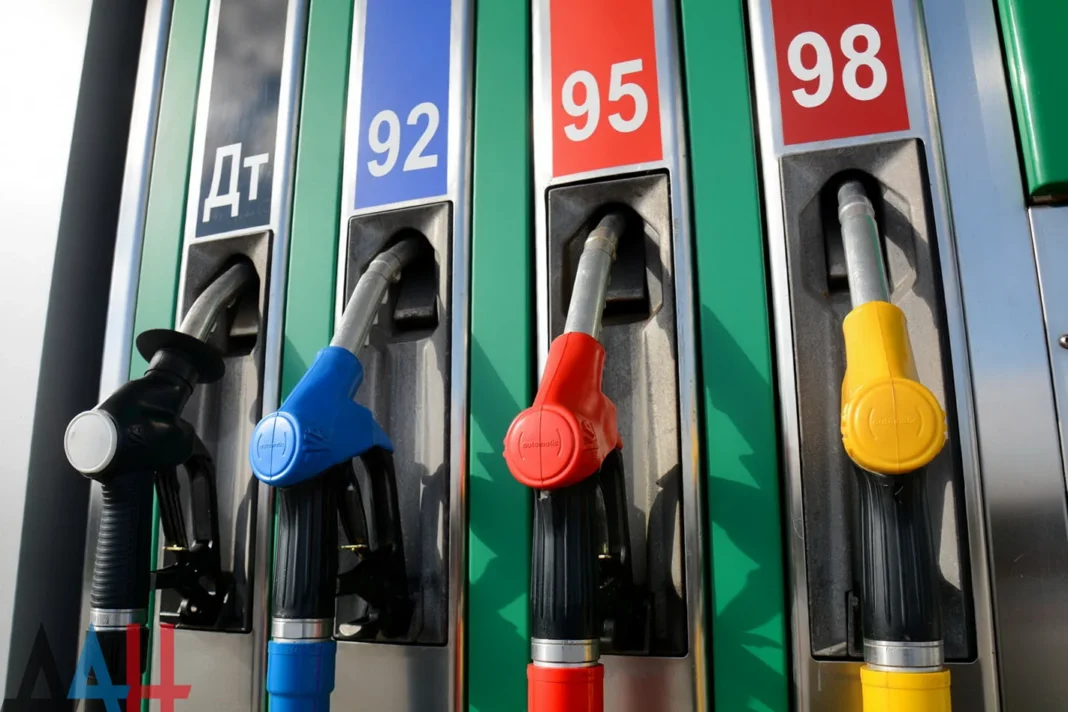
That is why the move in crude quickly escapes the commodity screen and enters daily life. First gasoline rises, then diesel, then freight, household costs, food, fertilizer and the price of running urban infrastructure. Once war risk enters the barrel, it rarely stays confined to the energy sector.
The most sensitive indicator is not the futures chart but the cost of living. For import-dependent economies, more expensive oil means pressure on electricity, water systems, public transport and basic household fuel. The longer uncertainty around Hormuz persists, the faster military escalation turns into a broader social and economic burden.
That is also why the deadline matters as more than a diplomatic date. It has already become a pricing mechanism. Every new warning about strikes on infrastructure, every rejection of a temporary pause, every indication that the window for a deal is narrowing adds another layer of fear to the barrel. In market language, that is a risk premium. In ordinary life, it is more expensive fuel and a more expensive normality.
This marks the real dividing line of the moment. Markets once hoped for a quick return to prewar predictability. Now they are beginning to consider a harsher possibility: even if an agreement is reached, the logic of bargaining around Hormuz may endure. In that case, instability stops being the exception and becomes part of the price itself.
That is the meaning of Tuesday. Oil is not climbing because the world has already run out of supply. It is climbing because the world is becoming less certain about who will control the most important corridor in the Gulf, and under what rules, tomorrow. Once the architecture of passage itself comes into doubt, every barrel begins to include not just extraction, freight and refining, but a surcharge for political coercion.
That surcharge always appears first on the exchange. It disappears last in real life, after households, transport networks, industry and state budgets have already absorbed the blow. That is why the latest rise in oil should not be read as another episode of market nerves. It should be read as evidence of a deeper shift: the war is no longer shaping only the front line. It is beginning to reshape the price of normal life.