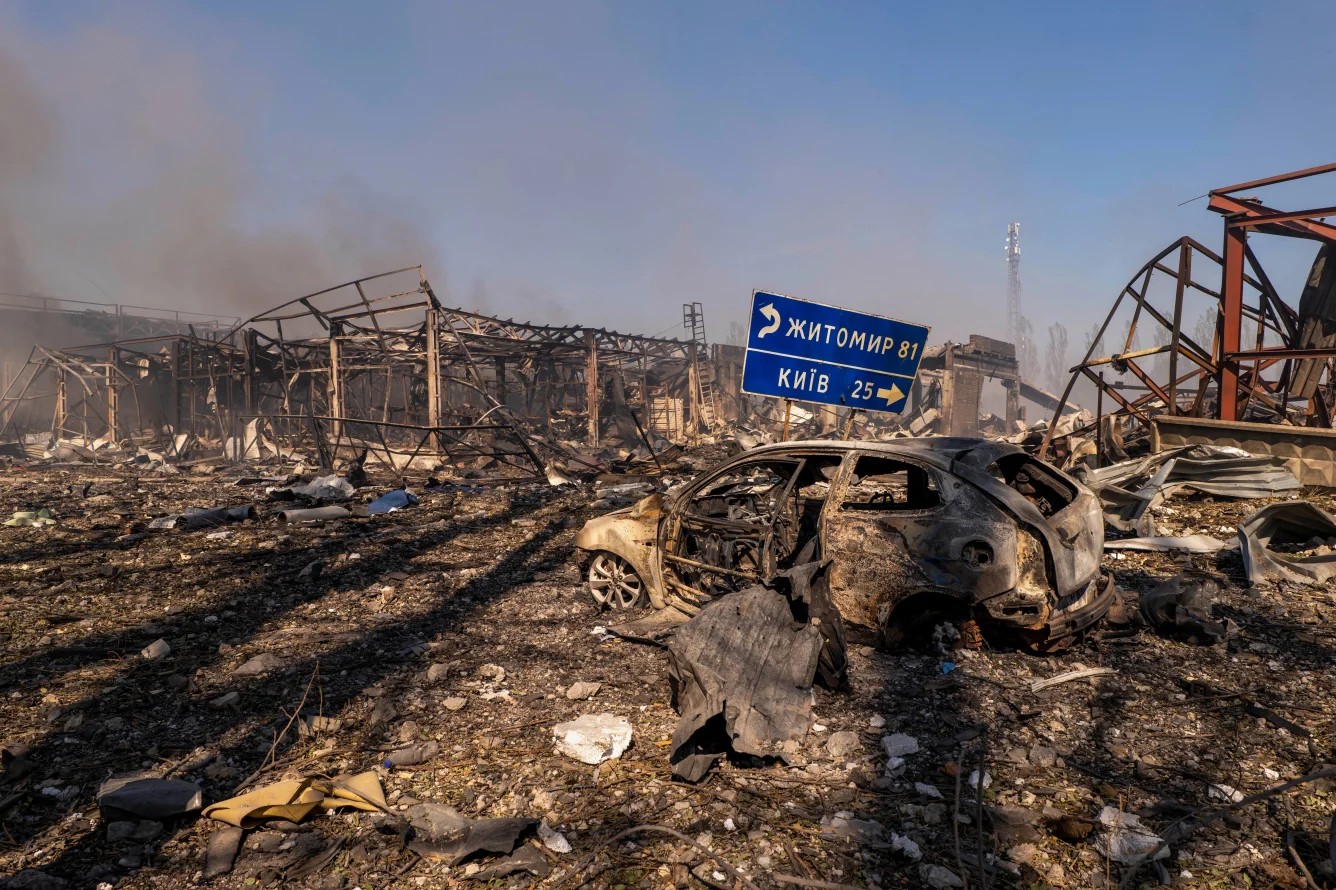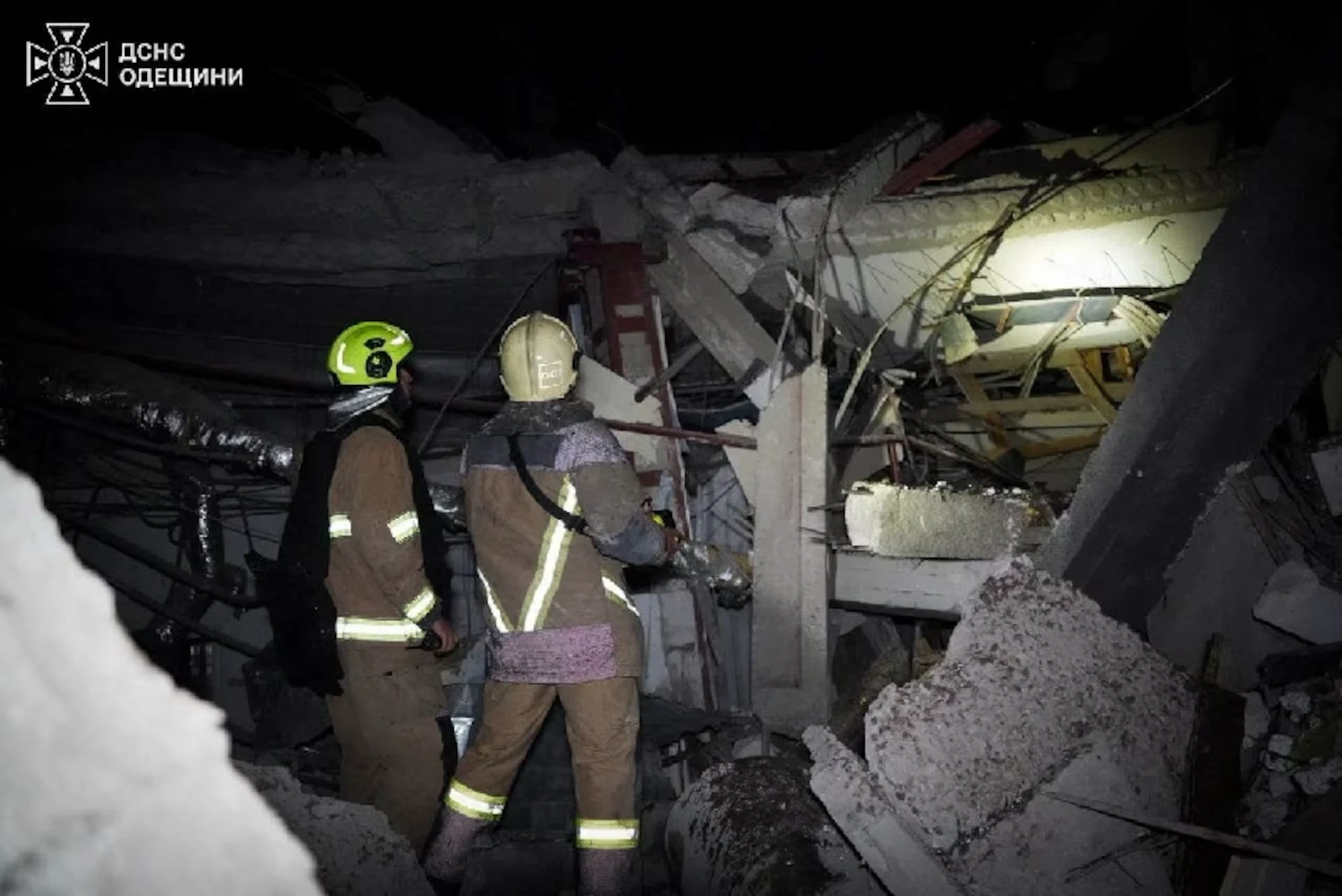
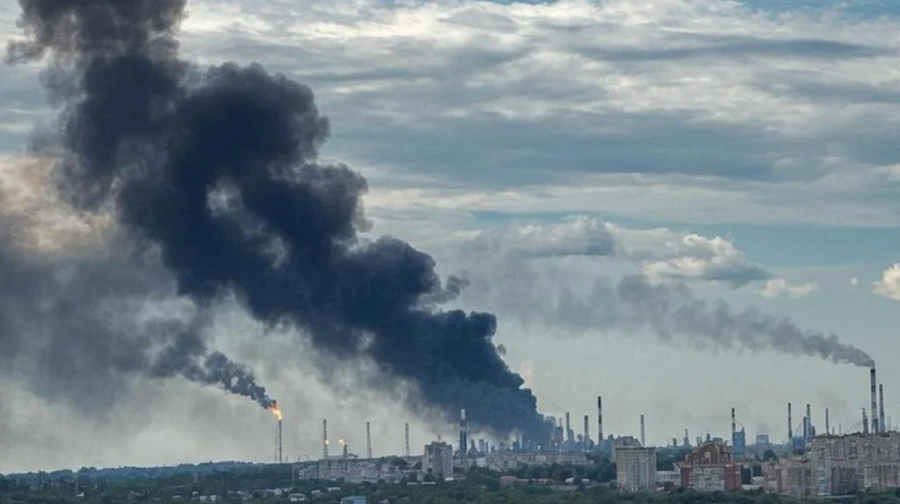





















Ukraine’s strikes on Russian energy infrastructure are increasingly producing consequences beyond Russia itself. After a drone attack on the Orenburg gas processing plant, Kazakhstan was forced to reduce output at Karachaganak, one of the country’s largest oil and gas condensate fields.
The reason is simple and revealing: raw gas from Karachaganak has long crossed the border for processing at Orenburg. When the Russian plant cannot take normal volumes, the Kazakh field cannot operate at full capacity. Gas and oil production there are technologically linked, so a reduction in gas intake quickly affects oil output as well.
Kazakhstan’s energy authorities said oil and condensate production at Karachaganak fell by roughly a quarter, from 34,000 to 25,000 metric tons a day. In oil terms, that is about 196,500 barrels per day. For a field that produced around 263,000 barrels per day last year, the reduction is significant.
According to Daycom’s assessment, this episode matters not only as a production disruption. It shows that Russian energy infrastructure remains part of a wider regional system, and that strikes on its key nodes can create chain reactions for neighboring countries, international companies and export routes.
Karachaganak is not a peripheral asset. Its stakeholders include Chevron, Shell, Eni, Lukoil and Kazakhstan’s KazMunayGas. The field has long symbolized Kazakhstan’s integration into the global energy market: Western capital, Russian logistics, Kazakh raw materials and export corridors running through the complicated geography of the post-Soviet space.
That geography is now becoming a vulnerability. Oil and condensate from Karachaganak are exported through the Caspian Pipeline Consortium to a Russian Black Sea terminal and can also move through Russia’s Druzhba pipeline toward Germany. The gas side of production is tied to the Orenburg plant through long-term agreements running until 2038.
For Kazakhstan, this is an uncomfortable reminder that even if the country is not a party to the war, part of its energy security depends on the infrastructure of a state that is fighting one. When that infrastructure becomes a target, neutrality does not shield Astana from economic consequences.
Kazakhstan’s government is trying to calm the domestic market. Gas supplies to consumers inside the country have not been interrupted, and the lower gas intake is being framed as a forced technical step. But the need to reduce output at a flagship field shows the limits of Astana’s control over a system partly located inside Russia.
For Western companies, the situation is awkward as well. Chevron and Shell operate in Kazakhstan through long-term investments, but their operational stability is now tied to a Russian processing hub. In peacetime, such a link looked economically rational. In wartime, it becomes a political and insurance risk.
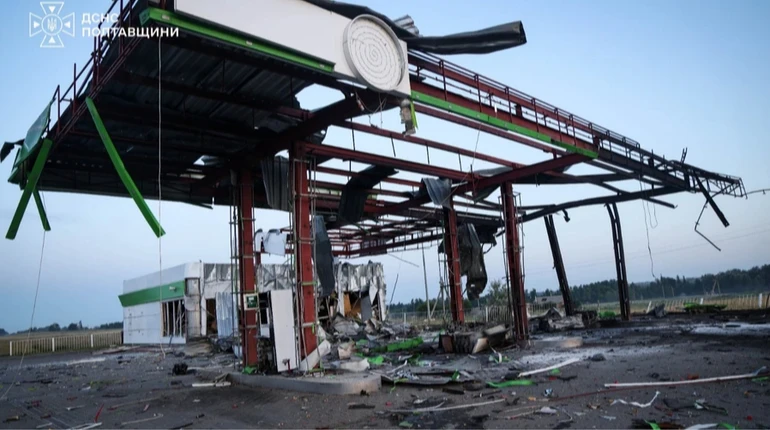
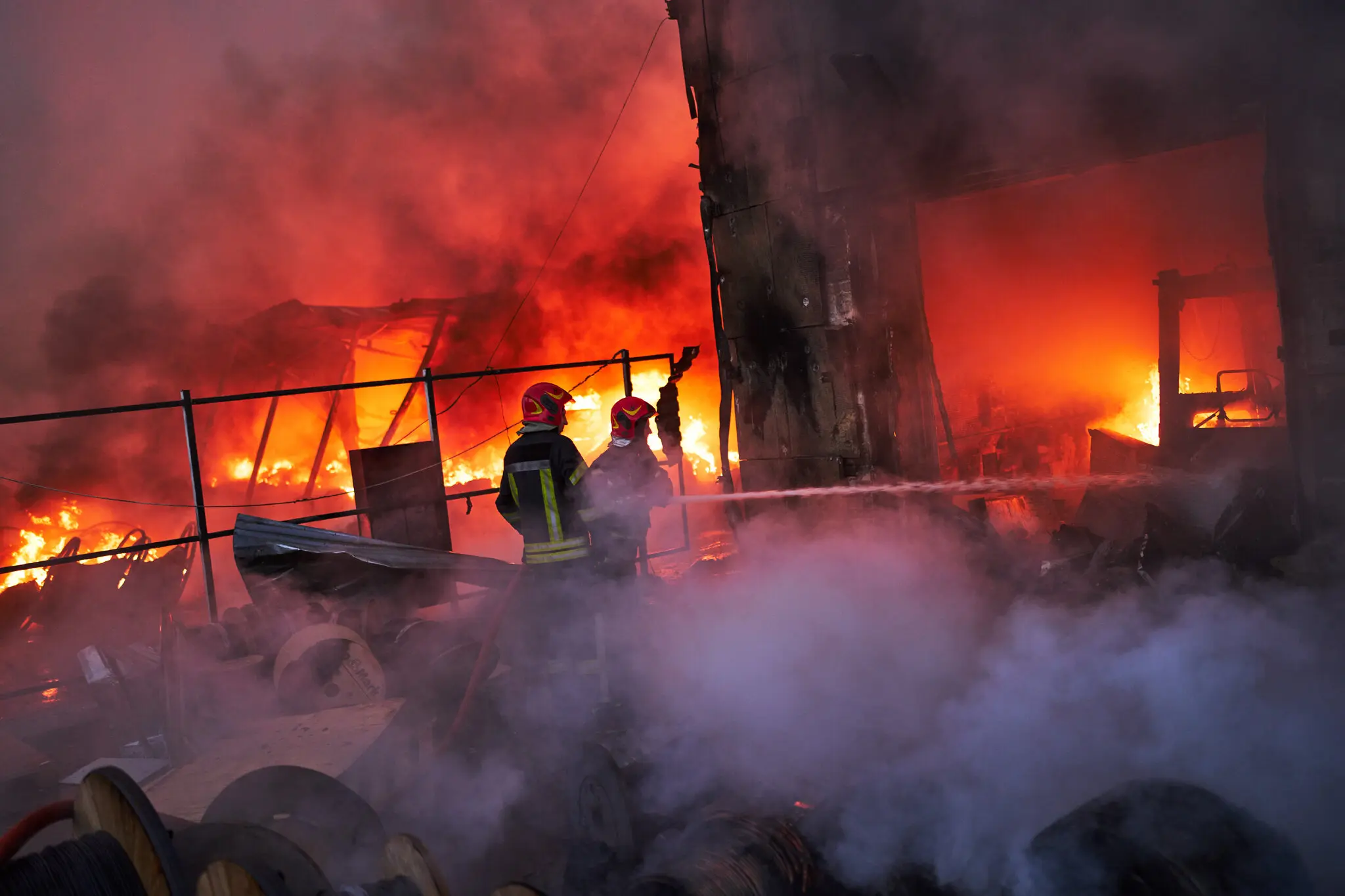
The Orenburg gas processing plant had already been hit last year. The repeated strike suggests that Ukraine’s campaign against Russian energy is not a random sequence of incidents. It is gradually reaching not only refineries, tanks and export facilities, but also nodes that support wider production chains.
Kyiv sees such strikes as a way to reduce Russia’s financial and logistical capacity to wage war. Energy remains one of the main sources of Russian revenue, while the fuel system is part of the war economy. Moscow, in turn, describes attacks on energy facilities as strikes on civilian infrastructure and presents them as attempts to destabilize the population.
The reality is more complex than either formula. Russian energy facilities serve the civilian market, the budget, exports and military logistics at the same time. That is why damaging them creates not one consequence but a system of consequences: fuel shortages, repair delays, shifts in export flows, import negotiations and pressure on neighboring countries.
Against this background, reports of possible talks between Russia and Kazakhstan over imports of AI-92 gasoline are especially telling. Russian refineries have faced shutdowns, unscheduled repairs and production constraints, while the domestic market has struggled with shortages. A country that remains one of the world’s major oil producers is being forced to look to a neighbor for fuel.
Kazakhstan has not officially confirmed that Russia requested such supplies. But the appearance of the issue alongside the Karachaganak cuts creates a paradoxical picture. On one side, Kazakhstan needs Russian infrastructure to process raw gas. On the other, Russia may need Kazakh gasoline to cover its own refining failures.
This is the region’s new energy asymmetry. Russia remains a major infrastructure hub, but it no longer looks unquestionably reliable. Kazakhstan remains an important supplier of raw materials, but must account for transit and processing risks through Russian territory. Western companies remain investors, but their assets are exposed to a war they do not control.
For the global oil market, the reduction at Karachaganak is not a catastrophe. But it carries a signal. It shows that the war is increasingly interfering with complex energy links built in the post-Soviet era, when pipelines, plants and fields were designed as one technical system without regard for future borders or geopolitical ruptures.
For Astana, this may become another argument for diversification. Kazakhstan has long sought ways to reduce dependence on Russian routes, but in practice such restructuring requires years, investment and new agreements. Karachaganak has shown that dependence is measured not only by export pipelines, but also by processing capacity across the border.
For Ukraine, the episode demonstrates the effectiveness of long-range strike strategy, but also adds diplomatic complexity. Hitting Russian plants weakens Russia’s energy system, yet it can affect the interests of countries that do not formally support Moscow’s war. Kyiv therefore needs a precise political explanation: the target is Russia’s military-economic machine, not the energy stability of its neighbors.
The biggest change is that Russia can no longer treat its deep energy infrastructure as protected from the war. Orenburg lies far from Ukraine’s border, but distance is no longer a guarantee. Drones are redrawing the map of risk: what once looked like the rear is now part of the zone of vulnerability.
Karachaganak became an indirect casualty of the strike on the Russian hub. But it is through such indirect consequences that the true regional cost of the war becomes visible. It runs not only along the front line, not only through Ukrainian cities and energy facilities, but also through pipes, plants, contracts and fields that spent decades operating within a logic of mutual dependence.
If attacks on Russian energy continue, the post-Soviet fuel space will enter a new phase of instability. Every plant, pipeline and processing hub will now be judged not only by economic efficiency, but by wartime risk. For Kazakhstan, that means difficult adaptation. For Russia, it means the loss of a sense of invulnerability. For Ukraine, it means expanded pressure on the system that finances aggression.