


















Paris has once again become the place where a distant war suddenly turns into a police cordon, a forensic inquiry and a question about whether Europe is ready for a new phase of politically charged violence. The attempted attack near a Bank of America building in the French capital matters not only because it was stopped, but because it points to the way Middle East escalation is starting to register on European ground.
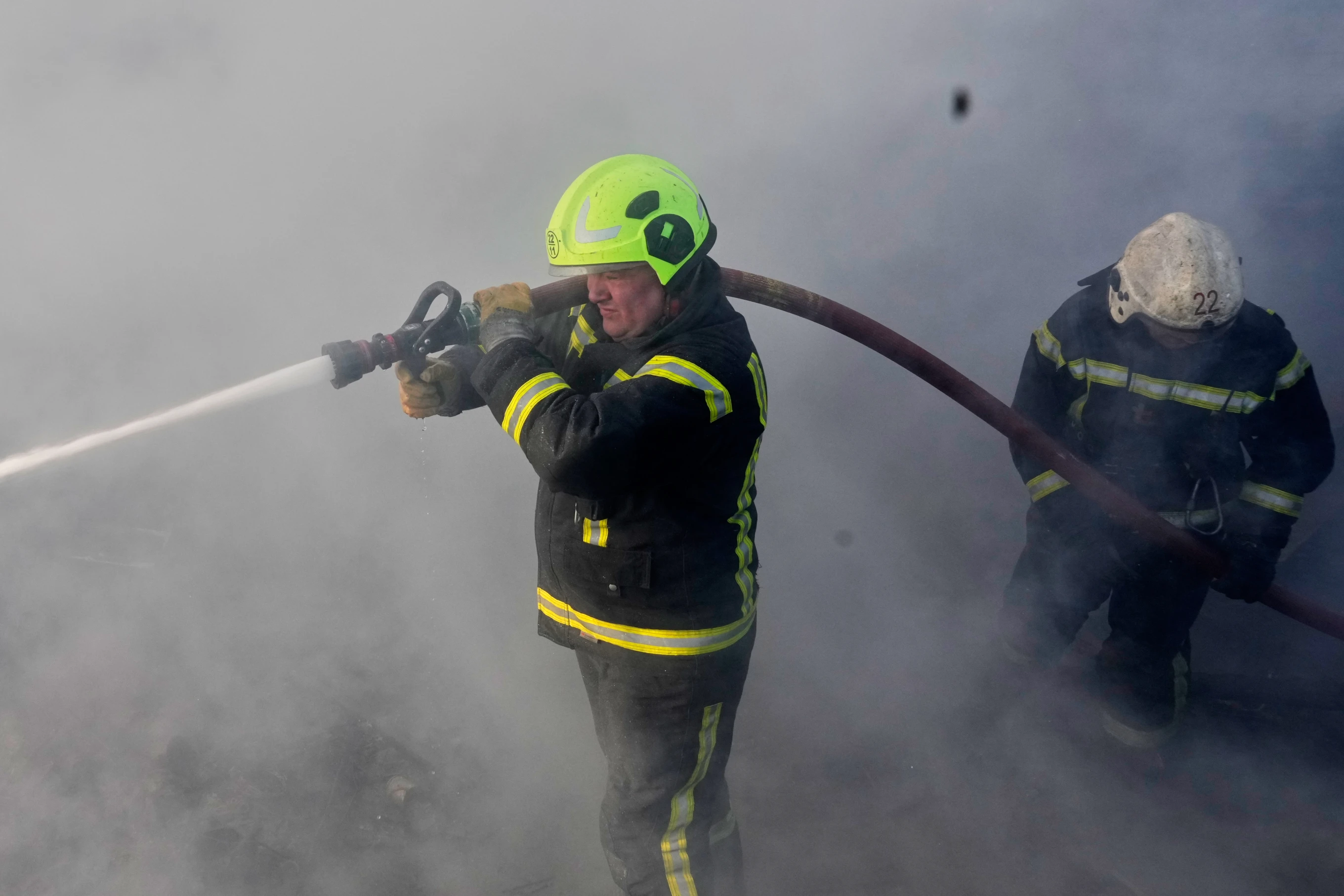
French authorities said police intervened early on March 28 outside a Bank of America site in Paris’s 8th arrondissement and prevented what prosecutors are treating as a possible terrorist act. The National Anti-Terrorism Prosecutor’s Office opened an investigation into terrorism-related offenses involving the attempted use and manufacture of incendiary or explosive devices, while Interior Minister Laurent Nuñez said vigilance remained extremely high.
The legal framing matters as much as the incident itself. A case does not move into the counterterrorism lane in France by rhetorical instinct alone. Once prosecutors and the interior ministry place an event inside that framework, the story changes scale: it is no longer about a single suspect with a device near a bank, but about the possible exposure of American-linked, financial and politically symbolic sites in the center of a major European capital.
In Daycom’s reading, that is the real significance of the episode. The attempted strike was not aimed at an anonymous storefront on a side street. It targeted an American financial brand in one of the most politically sensitive districts of Paris, only blocks from the Élysée area and inside a part of the city where symbolism and geography reinforce each other. Even a failed attack in such a location carries a message larger than its physical effect.
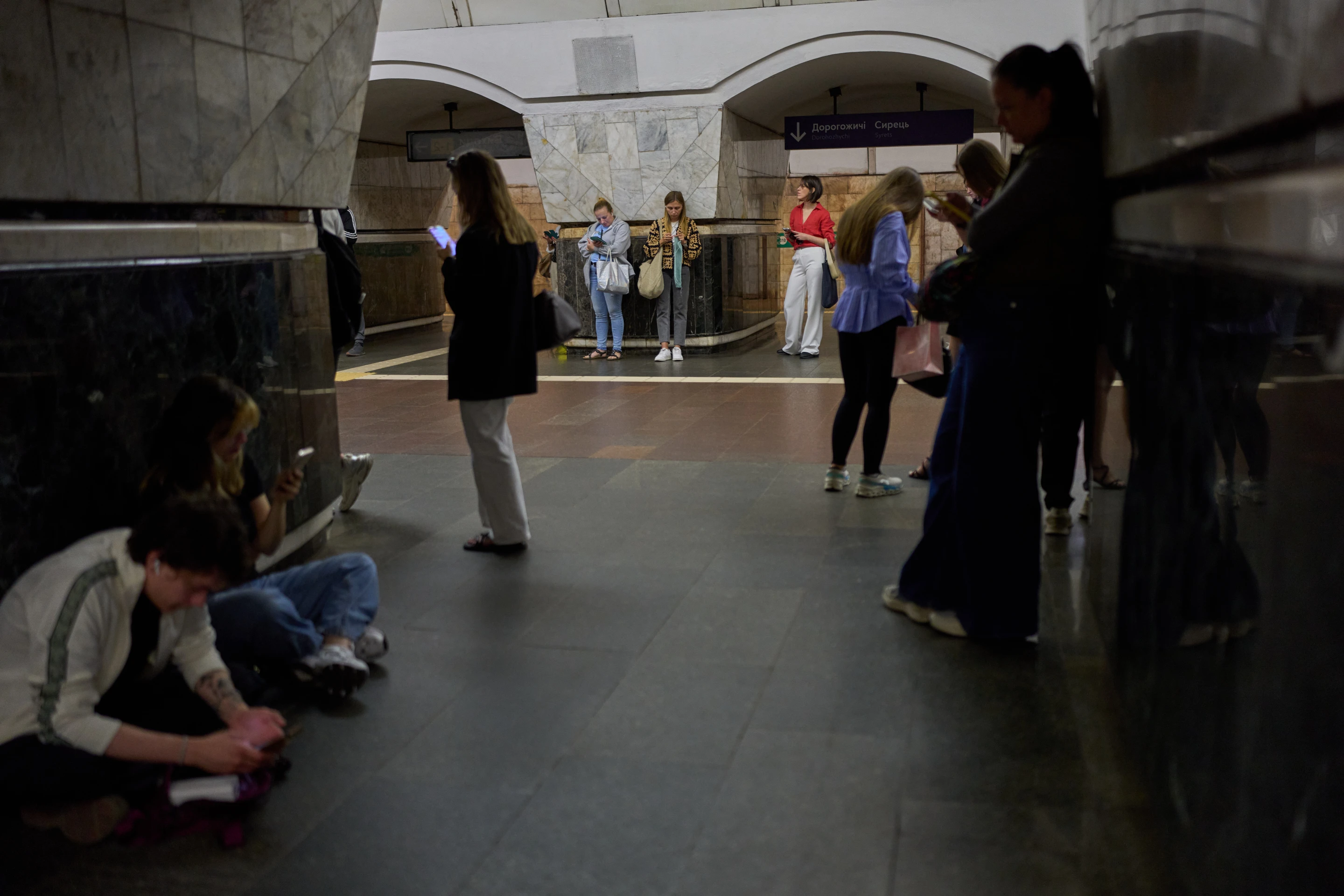
France entered this episode already operating under its highest terrorist alert posture. The official winter-spring 2026 Vigipirate posture, in force since January 5, keeps the whole country at the “urgence attentat” level and places special emphasis on places of worship, public and institutional buildings, and the growing concern over drone overflights. That means the Bank of America case did not occur during a lapse in attention, but inside a system already calibrated for maximum vigilance.
That is precisely why the case is so revealing. When a suspected attack on a prominent target can still advance to the point of police intervention in central Paris while the national threat posture is already at its ceiling, the problem is not simply perimeter security. It is the diversity, low cost and adaptability of the threat itself. Europe is not only guarding against large, elaborate plots; it is also guarding against compact, improvised operations designed for political resonance.
French intelligence has been warning for some time that the threat is not abstract. The DGSI says 16 attack plots have been foiled since 2024, including 7 in 2025, and notes that terrorism in France has killed 275 people since 2012. Those numbers matter not as ritual background, but as evidence that the country’s security apparatus is confronting a live stream of threats rather than shadowboxing with the memory of past attacks.
The wider geopolitical context raises the stakes even further. France, Germany and the United Kingdom jointly condemned Iran’s indiscriminate missile attacks on countries in the region on March 1, saying those strikes endangered allies, military personnel and civilians. France may not be part of an offensive campaign, but it is plainly part of the wider Western system of deterrence, alliance management and regional security messaging.
That is what makes an American bank in Paris more than a private commercial address. In the current climate, it can function as a soft target with hard political symbolism: American, financial, Western and visible. Such sites are attractive precisely because they allow an attacker to compress geopolitics into one local act. A relatively small operation can create an outsized strategic echo if the target is chosen well enough.
The most sensitive question now is whether this was an isolated initiative or part of a broader networked pattern. AP reported that French authorities are investigating a possible Iranian link and are comparing the Paris case with other recent pro-Iran-linked incidents in the Netherlands, Belgium and the United Kingdom. That does not amount to a proven conclusion, and it should not be presented as one. But the fact that investigators are pursuing that line already changes the political temperature of the case.
If that external link is substantiated, France will be confronting a model of deniable pressure in which proxies, intermediaries or loosely directed actors are used to strike symbolic Western targets without the clean signature of formal state action. If it is not substantiated, the case remains alarming for a different reason: it would show how quickly a highly charged international war can generate imitation, self-radicalization or opportunistic violence without needing a fully developed command structure behind it.
For French police and intelligence services, that means a return to double pressure. They must continue protecting traditional high-value targets such as government buildings, diplomatic sites, religious institutions and tourist zones, while also adapting to cheaper, faster and more improvisational attack models. In practical terms, that is a harder security problem, because the attacker’s operational threshold keeps falling even as the defender’s burden keeps rising.
The European problem is larger than Paris. The war around Iran has already affected energy markets, shipping security, alliance politics and the social atmosphere inside European capitals. What this case suggests is that another layer is now becoming harder to ignore: the possibility that the conflict migrates into the EU through attacks on American, Jewish, financial, diplomatic or otherwise symbolic sites. Paris, in that sense, looks less like an exception than an early warning.
That is why the Bank of America case should not be read as a narrow item of police blotter news. Modern terrorism does not always require a vast organization, a complex supply chain or a spectacular operational design. Sometimes a symbolic address, a crude device and a geopolitically explosive moment are enough to remind Europe that vulnerability can return very quickly, even when the sirens were already on.