


















This year in Israel, families are counting more than chairs around the Seder table. They are counting places in the shelter, the distance to a protected room, the minutes between the siren and the blast. A holiday that, in Jewish tradition, marks liberation from bondage is arriving through the vocabulary of war.
After sundown, families will gather for the Seder, the ritual meal that binds generations through the retelling of the Exodus from Egypt. But this time, nearly every practical detail of the evening is governed by another logic: whether children can reach shelter in time, whether it is safe to leave home for long, whether prayer will be interrupted by the next missile barrage.
In an ordinary year, Passover in Israel unfolds as a season of movement: cleaning, shopping, gifts, travel, crowded stores, long domestic checklists and the familiar choreography of family preparation. Now the atmosphere is different. The country is living in a condition where even a private holiday no longer feels private, but drawn instead into a collective discipline of survival.
By Deykom’s preliminary assessment, the war has changed not only the security perimeter of the holiday, but its emotional character. Passover, usually framed by family closeness and ritual continuity, has become a mirror of Israel’s present condition: mobilization, anxiety, the erosion of ordinary control and, at the same time, a stubborn effort to preserve order inside disorder.
That transformation is visible even in the language people use. On the eve of the holiday, Israelis are wishing one another not so much a joyful Passover as a quiet one, a peaceful one, a tranquil one. In a country where air-raid sirens can sound at any moment, silence itself has become a form of prosperity, perhaps the rarest kind.
Missile fire from Iran and attacks linked to Hezbollah have turned the idea of a secure rear into something largely theoretical. For weeks, millions have lived between sirens, nighttime dashes to shelters, canceled classes, shuttered businesses and the constant pull of emergency updates. Where the central pre-holiday question used to be the menu, it is now safety.
It is telling that even hotels in relatively protected areas present themselves less as places of leisure than as spaces of refuge. In normal times, hospitality sells comfort. In wartime, it sells distance from danger. That is an unusually precise portrait of Israel at this moment: calm is no longer a mood. It is an infrastructure.
Restrictions on public gatherings are reshaping the holiday’s social texture as well. Synagogues are reducing attendance, large family reunions are harder to organize, and the idea of communal celebration is being rebuilt around rules of protection. War has not canceled the ritual, but it has rewritten its scale, its movement and its tempo.
Then there is the presence of battlefield loss. Reports of Israeli soldiers killed in southern Lebanon have returned the hard fact of war to the holiday week itself. For thousands of families, this Passover is marked not only by the threat of incoming fire, but by sons, daughters, brothers and husbands serving on active fronts. Under such conditions, even the solemnity of the Seder changes tone: less outward gesture, more inward composure.
The domestic side of the holiday has changed in ways that are just as revealing. Preparing for Passover requires clearing the home of leaven, buying matzo and reorganizing the kitchen and table around ritual law. But when people are afraid to move far from shelter, even an ordinary trip to the market begins to resemble a tightly timed operation. War reaches into the core of household order.
In that sense, the story of matzo feels almost like a compressed metaphor for the moment. Tradition demands speed: the dough must not be allowed to rise. Now that biblical urgency is joined by a modern one. When rocket alerts interrupt production, sacred rhythm collides with military rhythm. An ancient symbol of liberation becomes literally dependent on the narrow window between sirens.
Another sign of the moment is the breakdown of the holiday’s usual movement across borders and within the country. Passover is normally one of Israel’s major travel seasons, with families going abroad, tourists arriving and domestic trips filling hotels and roads. Now air travel is constrained, and mobility itself has become a privilege shaped by military necessity rather than by the calendar.
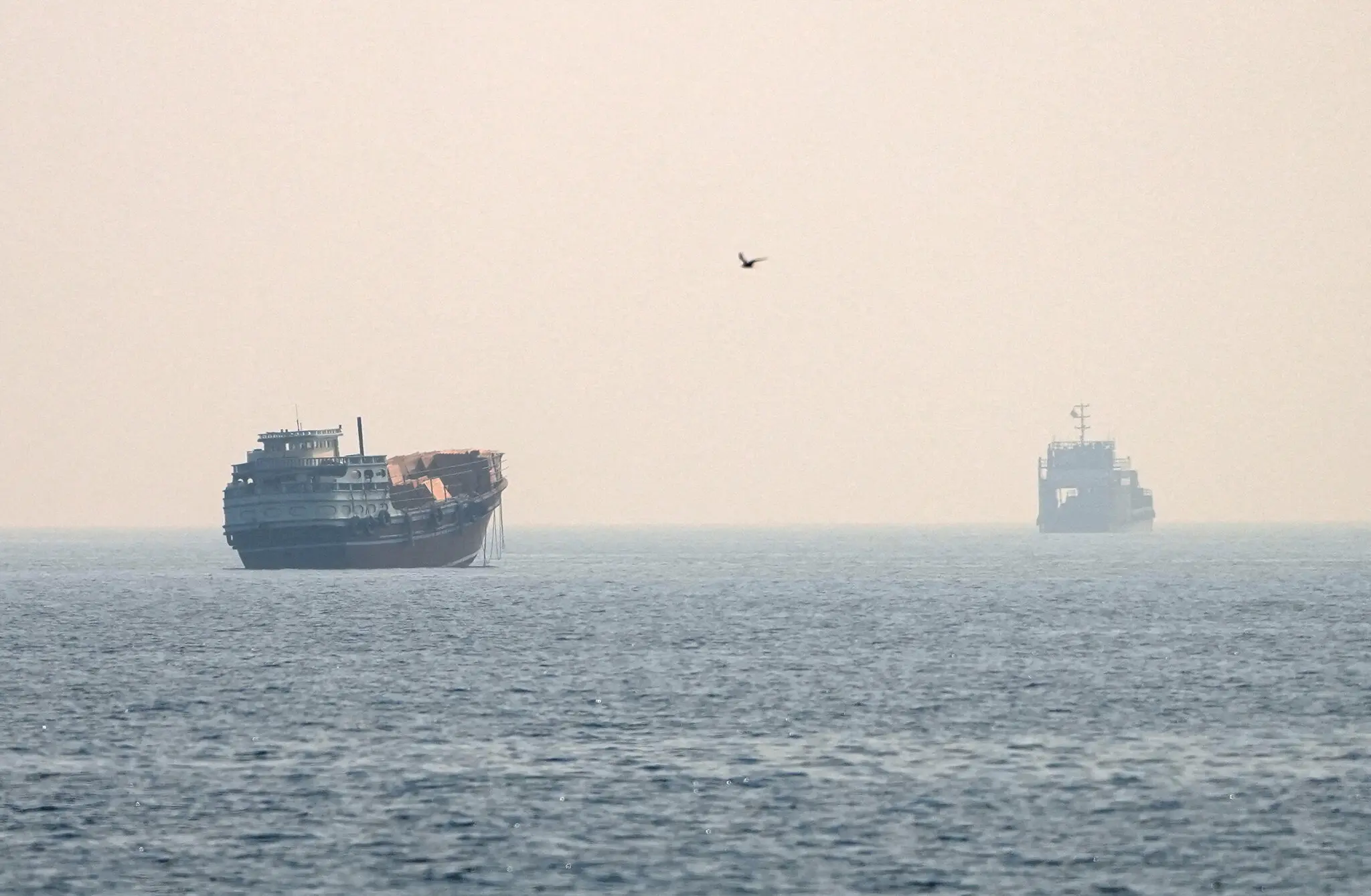
Against that backdrop, the route through Sinai carries an almost unbearable symbolism. Thousands are leaving through the very peninsula that biblical memory associates with the journey to freedom. History, in this sense, takes on an unsettling irony: during the week meant to commemorate deliverance, some Israelis are searching for safety by leaving the country altogether.
Yet the deepest change may not be logistical or even emotional. It may be that Passover is returning to its essence through vulnerability. When the festive excess falls away, what remains is the core: people, memory, text, the voice of a family around a table. Many Israelis this year appear to be giving up the usual scale and spectacle of the holiday in order to preserve its meaning.
That is why this Passover in Israel is not simply a holiday damaged by war. It is a moment in which war strips the ritual down to its real weight. It is no longer primarily about abundance or ceremony. It is about a society’s ability to preserve inner form when the outer world is reduced to sirens, loss and fear.
There is a bitter but important logic in that. Holidays reveal the condition of a country most clearly when they cease to be carefree. Passover 2026 enters Israel’s calendar as a holiday under alarms, under missile fire and under the pressure of a wider war. But it also enters as evidence that even in such a time, a society still clings to memory, ritual and the family table as one of its last functioning lines of normal life.