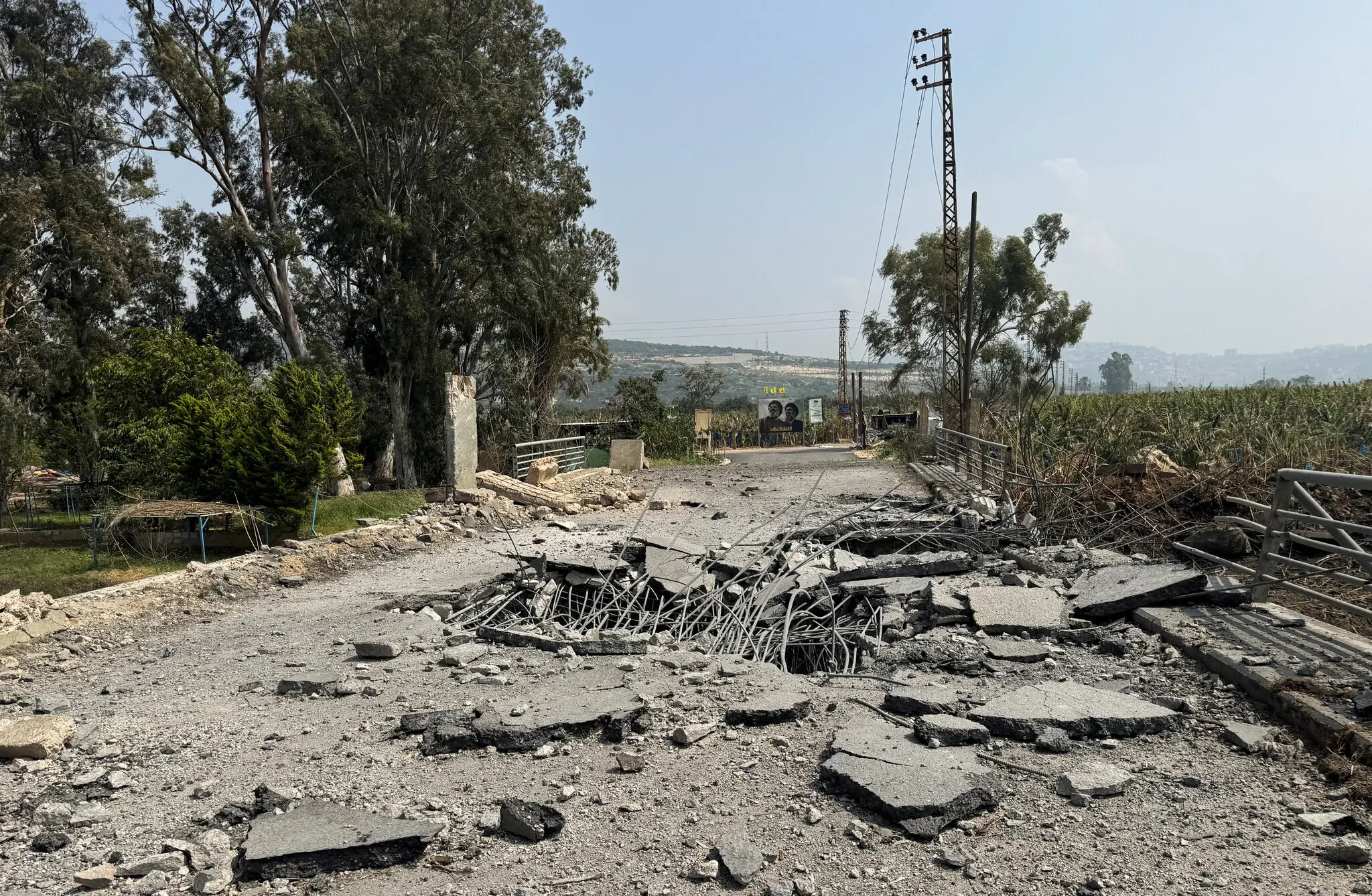

























Southern Lebanon is rapidly becoming a space where the U.N. peacekeeping mission no longer looks like a buffer between warring sides, but like part of the danger zone itself. The latest losses inside UNIFIL show how far the fighting between Israel and Hezbollah has moved beyond the old logic of a contained border confrontation.
What is publicly confirmed so far is narrower than some early reports suggested. UNIFIL said on March 30 that one peacekeeper was killed and another critically injured when a projectile exploded at a U.N. position near Adchit Al Qusayr in southern Lebanon, and Secretary-General António Guterres condemned the killing and called for a full investigation. The mission said the source of the projectile was still unknown.
That precision matters. Reports of a second deadly incident involving a UNIFIL convoy have circulated through media accounts citing an internal U.N. report, but those details have not been confirmed in the same official way as the first death. In a war like this, the difference between confirmed loss and still-unverified field reporting is not technical housekeeping. It defines whether the story is one tragic strike or the beginning of a broader collapse in peacekeeper safety.
In Daycom’s assessment, that uncertainty is part of the danger. When peacekeepers can be killed in an active combat zone and the source of fire cannot be established quickly and publicly, southern Lebanon is no longer operating under a meaningful logic of restraint. It is operating under battlefield opacity, where even an international force becomes exposed to the momentum of escalation.
UNIFIL was established in 1978 under U.N. Security Council Resolutions 425 and 426, and its mandate was strengthened after the 2006 war to monitor the cessation of hostilities and support the Lebanese armed forces. As of March 23, 2026, the mission consisted of 8,203 peacekeepers from 47 troop-contributing countries. This is not a symbolic outpost. It is a large multinational deployment designed to reduce the risk of exactly this kind of uncontrolled escalation.
That is why even one confirmed combat death is strategically significant. If a force of that size, operating under a long-standing international mandate, can no longer rely on basic protection in its own area of responsibility, then the architecture of deterrence on the Lebanese-Israeli frontier is visibly breaking down. The mission may still be present, but its stabilizing meaning is weakening.
The deterioration did not begin this week. On March 15, UNIFIL said its peacekeepers had been fired upon on three separate occasions while conducting patrols near Yatar, Dayr Kifa and Qallawiyah, with rounds landing as close as five meters from personnel. By then, the mission was already warning that the renewed fighting had sharply increased the danger to patrols and bases.
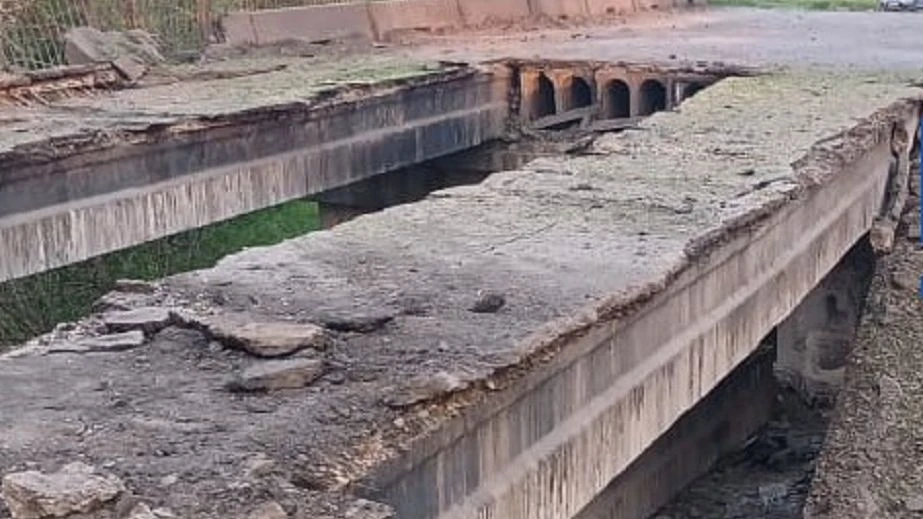
The wider war helps explain why. Associated Press has reported that Israel’s current campaign in southern Lebanon has escalated to the point that AP now describes it as an invasion, with thousands of troops operating across the border, plans for an expanded security zone south of the Litani River, and more than one million displaced people in Lebanon. In that environment, UNIFIL is no longer standing beside a fragile line of containment. It is standing inside a widening war.
For troop-contributing countries, that changes the political calculus. Indonesia has already demanded a full investigation into the death of its peacekeeper, and every government contributing personnel will now have to confront the same question: is UNIFIL still a stabilization mission, or has it become a high-risk deployment with shrinking protective value and rising exposure to front-line violence?
The wider consequence reaches beyond Lebanon. A U.N. peacekeeping operation can function only if the parties to a conflict retain at least some respect for its distinct status. When peacekeepers are repeatedly fired upon, when one is killed at a fixed position, and when the mission itself warns of mounting danger, the problem is no longer just tactical. It becomes institutional. It raises the question of whether the U.N. can still hold even a minimal buffer in a regional war that is increasingly spilling across old boundaries.
That is why the new UNIFIL losses should not be read as another grim detail of frontline reporting. They are a political signal. Southern Lebanon is entering a phase in which an international mandate no longer guarantees immunity, international law is proving weaker as a restraint, and the peacekeeping mission itself is becoming less a safety mechanism than an indicator of how deeply the old security order on the Lebanon-Israel border has fractured.