





















Ukraine’s European integration is increasingly moving from political declarations into technical areas where real compatibility with the European Union is decided. One of those areas is plant protection products — pesticides, herbicides, fungicides and other substances without which modern farming cannot function, but which the EU regulates tightly.
Ukraine is launching a broad reform of this sector. The new rules are meant to reshape the circulation, use, control and traceability of products that end up on fields, in grain shipments, oilseed crops, export contracts and, ultimately, the food chain. This is not a cosmetic update, but a rebuilding of a system that has remained outdated for years.
The reform introduces mandatory state registration for companies working with plant protection products, a unified identification system for market participants, unique codes for operators, QR codes in phytosanitary documents, updated registers and tougher liability for violations. The goal is to build a chain of control from supplier to field and onward to the export batch.
According to Daycom’s earlier analysis, this reform shows the real complexity of Ukraine’s path toward the EU. The hardest parts are not always the loud political chapters, but the daily rules of the market: what can be applied to soil, how it is documented, who is responsible for violations and whether Ukrainian produce can enter the European market without reservations.
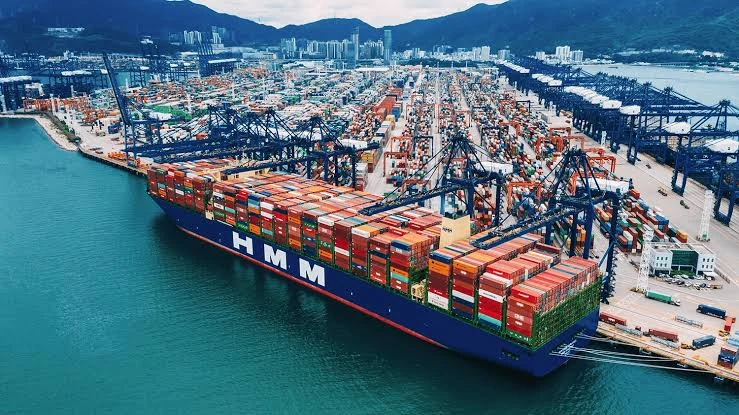
For an agricultural country, this is a strategic issue. Ukraine is a major exporter of grain, corn, sunflower, rapeseed, soybeans and processed products. Its competitiveness rests on scale, fertile soil, logistics and the ability to adapt quickly to buyers’ demands. But the European market requires not only volume, but proven safety.
The old control model no longer fits that reality. If a substance is permitted in Ukraine but banned in the EU, the problem does not remain in the field. It moves into customs checks, laboratory testing, exporter reputation, contract insurance and trust in the entire country as a food supplier.
That is why digitalization in this reform is not a fashionable add-on, but an infrastructure of trust. A QR code in a phytosanitary document should reduce the space for forgery, opaque batches and paper manipulation. A unique operator code makes it possible to see not an abstract shipment, but a specific chain of responsibility.
For responsible businesses, this may bring relief. Clear rules reduce the risk that the whole sector suffers because of dishonest players, counterfeit products or chaotic chemical use. Legal producers have no less interest in such order than the state, because the shadow market damages both safety and competition.
But for farmers, the reform will not be painless. Ukraine still has to review the full list of approved pesticides, since some products currently used in Ukrainian agriculture are banned or severely restricted in the European Union. This means not only new documents, but changes to cultivation technology.
The transition period will be the most sensitive part. Agricultural groups warn that a rapid withdrawal of some products could reduce grain and oilseed harvests by millions of metric tons. For a country at war, financing its budget, sustaining exports and remaining part of global food security, even a few million tons is not a statistical detail, but an economic factor.
This creates the central dilemma: Ukraine must move toward EU standards, but cannot do so in a way that sharply weakens its own agricultural sector. A sudden removal of products could hit small and medium-sized farms hardest, because they have less capital to shift immediately to more expensive plant protection technologies.
Large agribusiness groups are likely to adapt faster. They have access to consultants, laboratories, imported products, financial planning and long-term contracts. Smaller farms may face a different reality: formally the same rules, but far fewer resources to meet them.
That is why the reform requires not only bans and registers, but agronomic policy. The state must explain what will replace prohibited products, how transition periods will work, who will absorb higher costs and how to avoid yield losses where the risks from disease, weeds and pests remain high.
The European approach to plant protection has long been moving toward stricter assessment of risks to human health, soil, water, biodiversity and the environment. By entering this system, Ukraine accepts not only trade obligations, but a new philosophy of agricultural production: a harvest must be not only large, but demonstrably safe.
For Ukrainian exports, this could become an advantage. If Kyiv builds a system trusted in Brussels, Ukrainian agricultural products will gain a stronger argument in European and global markets. Traceability, phytosanitary control, digital registers and transparent liability can become elements of competitiveness, not merely bureaucratic burdens.
At the same time, the reform will have a political dimension inside the EU. Ukrainian agricultural exports have already caused tension with European farmers more than once. Any doubt about pesticides, chemical residues or weak controls can easily be used by opponents of Ukraine’s integration. Kyiv therefore needs to remove vulnerabilities before they become arguments against accession.
This is especially important for the negotiating chapter on food safety, veterinary and phytosanitary policy. It is one of the most difficult areas of practical adaptation because it requires not only new laws, but functioning inspections, laboratories, registers, border controls and public trust in state institutions.
Ukraine is effectively entering a phase in which European integration is measured less by the number of statements and more by the quality of administration. Does the register work? Can a shipment be checked? Does the document match the actual cargo? Is the violator punished? Does a banned product enter goods intended for export?
In this logic, agricultural reform becomes part of broader state maturity. It forces Ukraine to fight the shadow market, protect exports, modernize control, avoid breaking farmers and prove to the EU that Ukrainian agriculture can be not only large, but regulated by European rules.
The next few years will show whether the state can cross this line without a sharp decline in harvests or a new wave of conflict with farmers. Success will depend on timing, transition periods, access to alternative products, training for producers and the ability of regulators to work systematically rather than only punitively.
The pesticide reform may sound technical, but its consequences will be political. It will determine whether Ukraine can remain a strong agricultural power during war while becoming part of the European market without double standards. For Kyiv, this is not only a requirement from Brussels. It is a test of whether the country can turn agricultural scale into European quality.