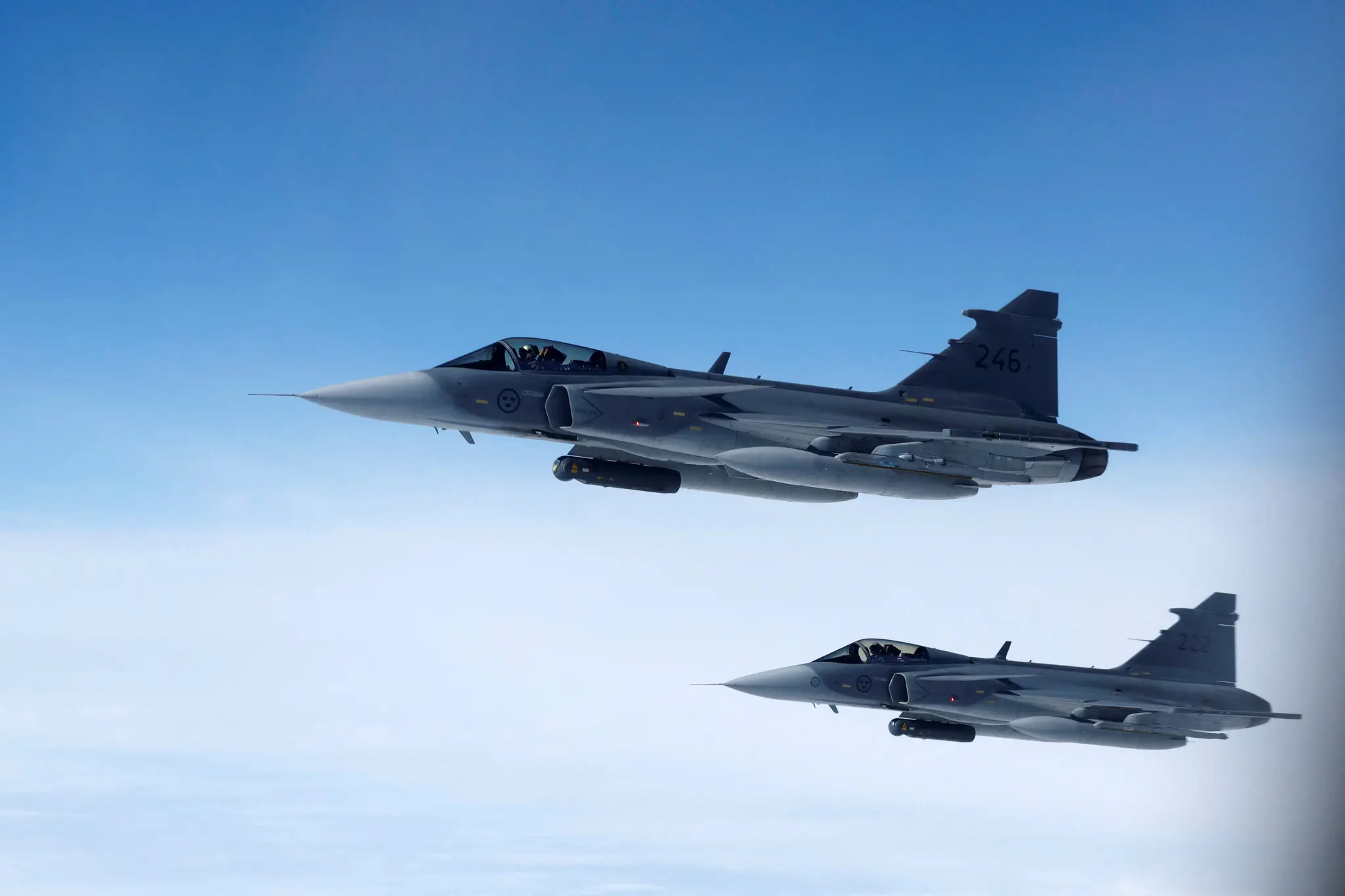



















Pope Leo’s Sunday appeal was more than another humanitarian statement from the Vatican. It was a compressed signal that the war in Ukraine is entering a more dangerous stage, one in which the momentum of violence is beginning to overpower political restraint.
His phrase—calling for the weapons to fall silent—carried unusual weight precisely because of its simplicity. In this context, it did not sound like ceremonial rhetoric. It sounded like a diagnosis: the conflict is hardening, and every new escalation makes a negotiated exit more distant.
The setting amplified the message. A Mass near Luanda, attended by roughly 100,000 people, became the stage for a warning aimed far beyond Angola. The choice of Africa as the backdrop for a statement on a European war underscored a larger reality: the war in Ukraine has long ceased to be a regional crisis and has become a matter of global security, energy stability, and geopolitical balance.
According to Daycom’s earlier analysis, Vatican interventions of this kind rarely emerge by accident. They tend to surface when diplomatic channels are either blocked or functioning at the edge of exhaustion. In that sense, the pope’s call for dialogue was not a generic appeal to peace, but a sign that the political space for meaningful negotiation may be shrinking further.
Just as notable was the contrast he drew with the ceasefire between Israel and Lebanon, which he described as a reason for hope. The comparison was deliberate. It suggested that even in entrenched conflicts, limited pauses remain possible when the parties recognize the costs of continued escalation. By implication, it also cast a harsh light on Ukraine, where no such pause appears to be taking shape.
That is why the reference to the path of dialogue matters. Dialogue in this setting means more than formal talks. It implies a willingness to acknowledge the limits of military solutions and the growing price of postponing compromise. At present, that willingness appears scarce. Each round of intensified fighting raises the political and human cost of any future settlement.
The Vatican’s role remains distinct. It does not possess instruments of coercion, but it still commands moral authority and retains channels of communication that many other actors have lost. In modern diplomacy, that is no small asset. It allows the Holy See to speak in moments when others either remain silent or retreat into hardened formulas.
Yet the force of such statements depends not on their moral clarity alone, but on whether the parties to the war are prepared to hear them. That is where the central tension lies. A call for silence can remain symbolic if it is not matched by real diplomatic movement and political intent.
Pope Leo’s statement is not an attempt to end the war with a single gesture. It is, rather, a recognition that the conflict is moving further beyond the control of political logic. In that sense, his words are not an expression of optimism about imminent peace, but a warning that every new escalation pushes that peace farther away.