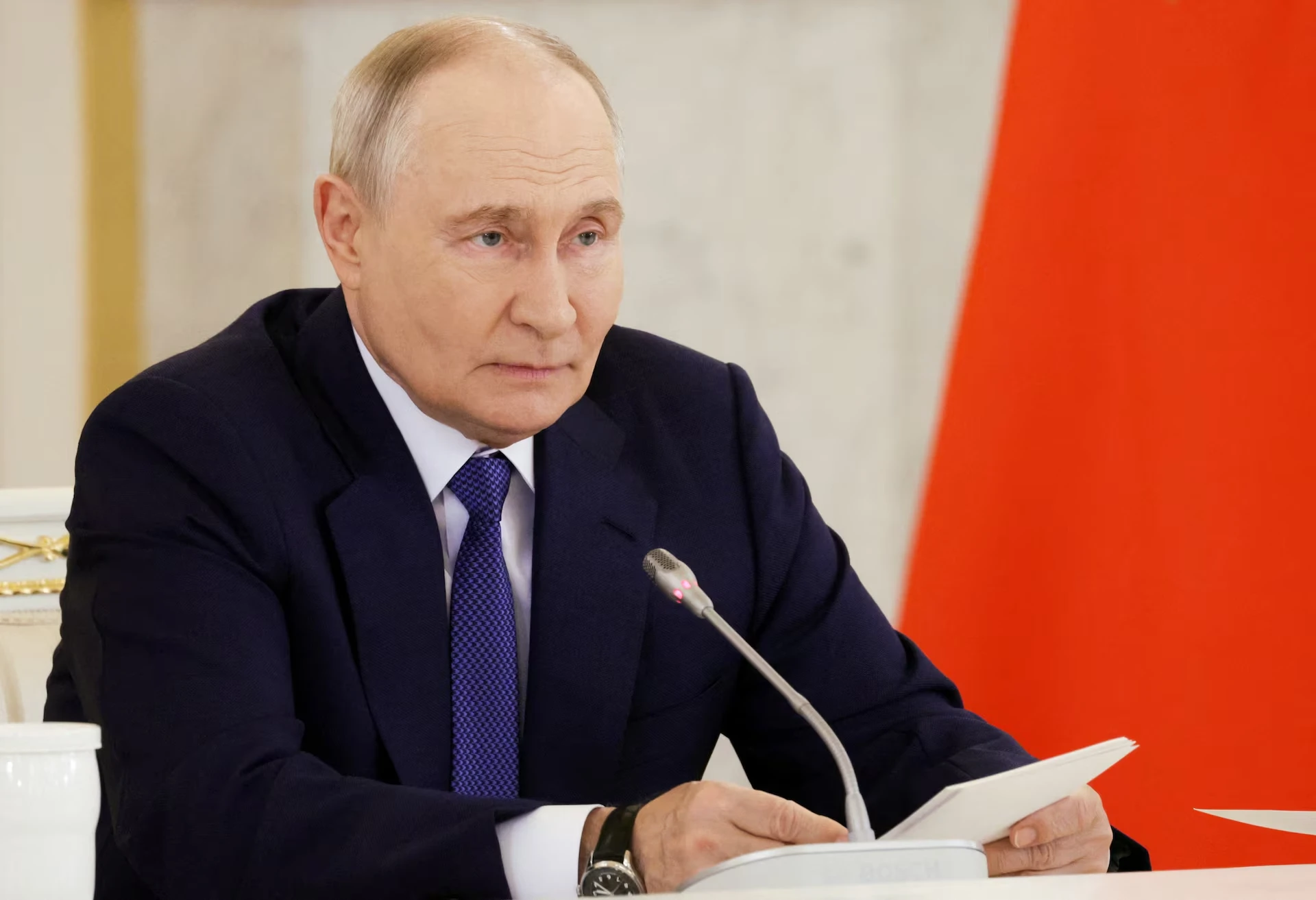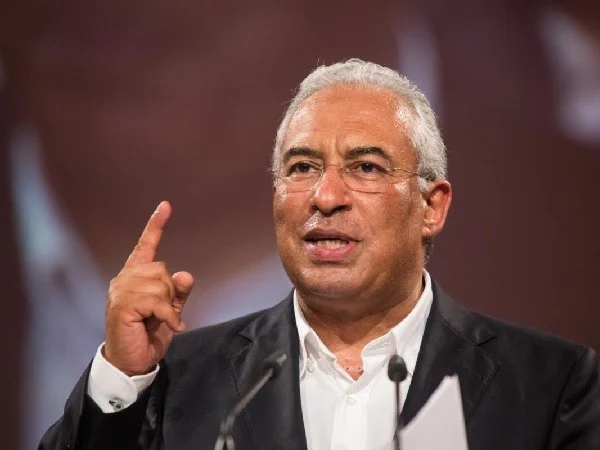

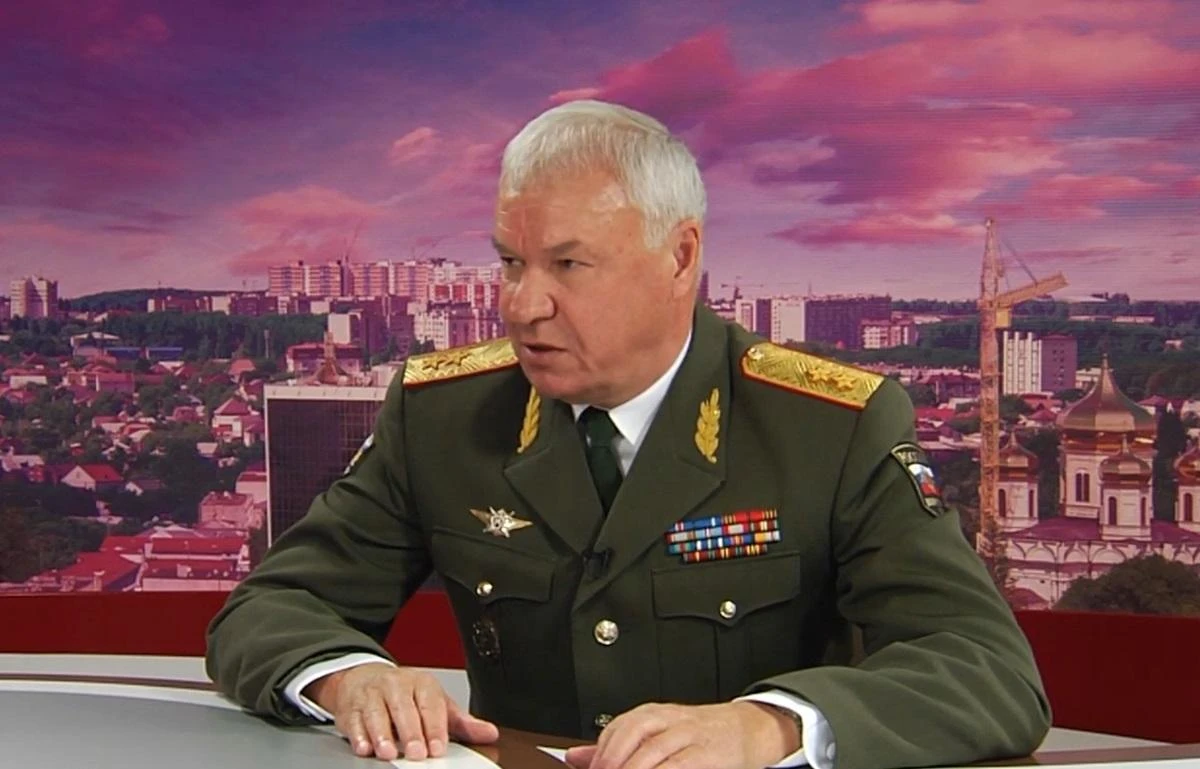

















Vladimir Putin has again framed the war not as a space for compromise, but as a mechanism of coercion. His response to Ukraine’s proposal for a mutual halt to long-range strikes was not a diplomatic opening. It was a reaffirmation that Russia intends to press on until it can impose its territorial terms.
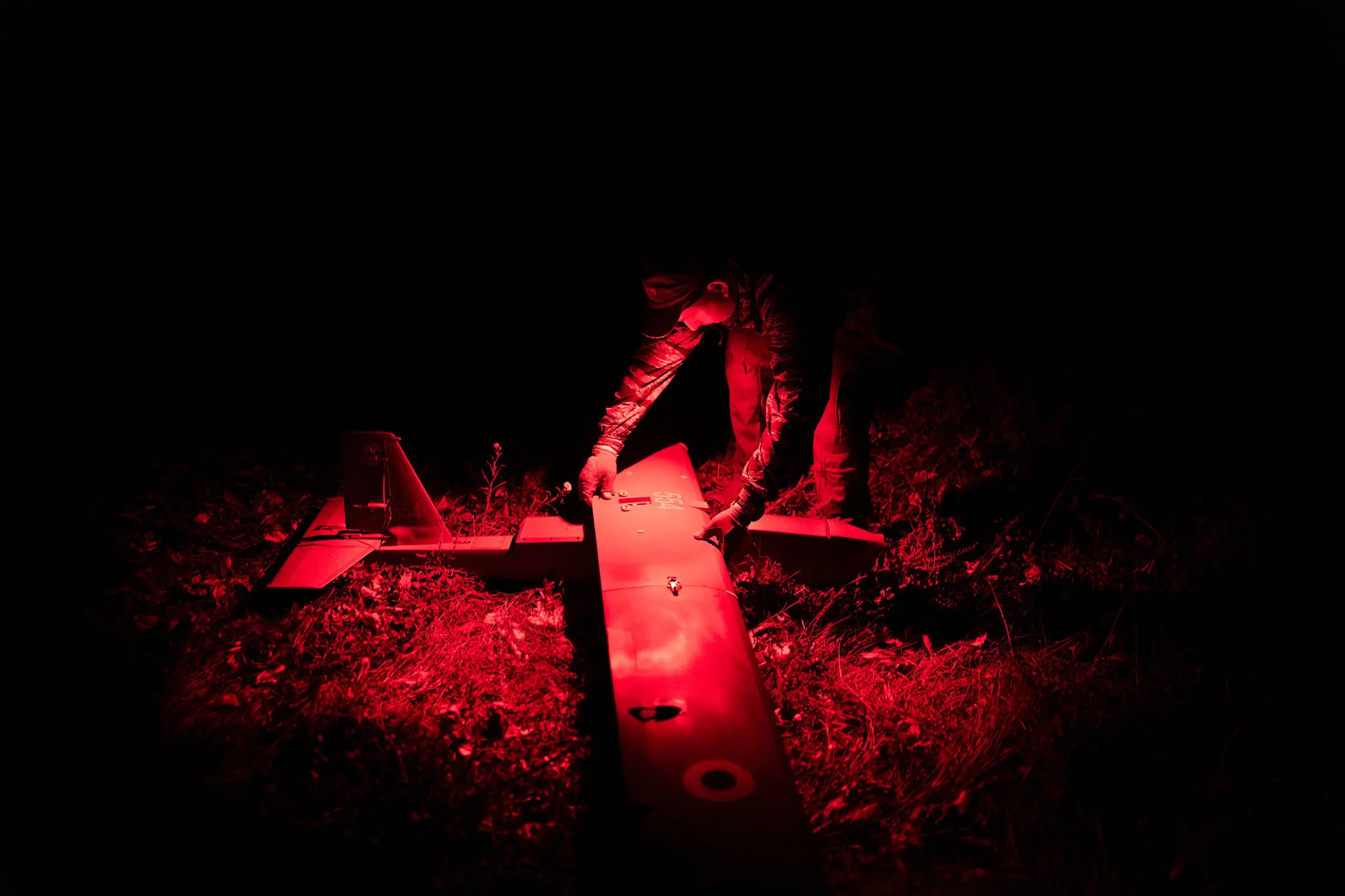
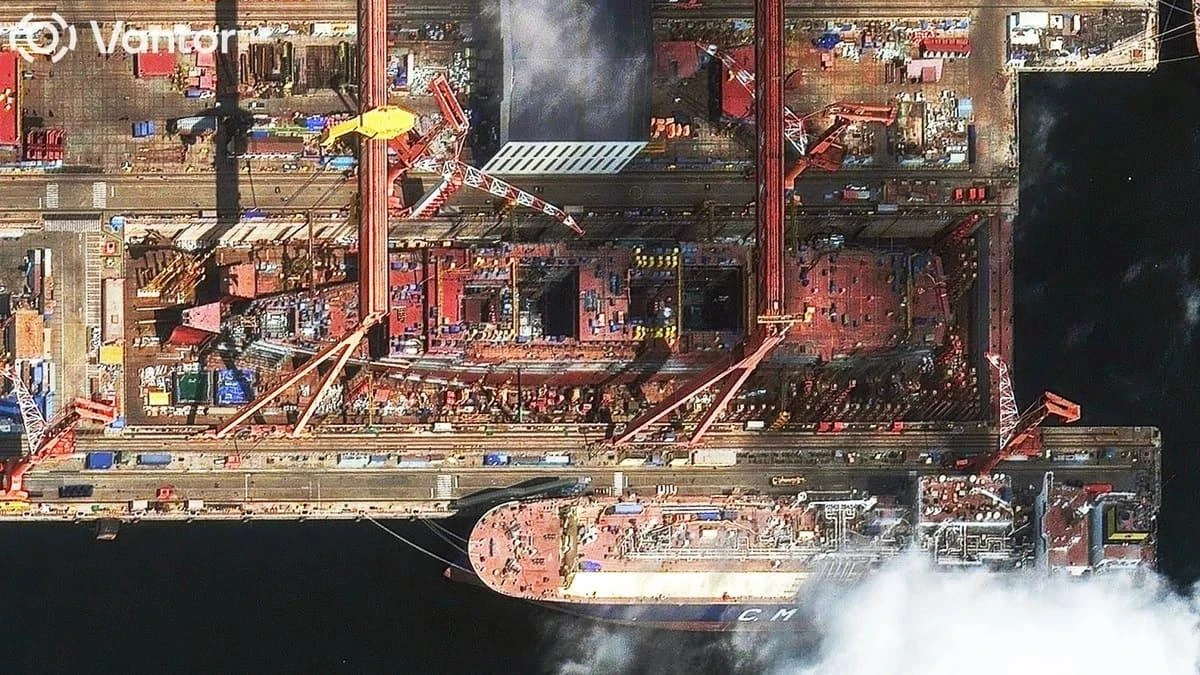
The timing matters. Ukrainian drones have been striking deeper into Russia’s oil infrastructure, exposing vulnerabilities in a system Moscow long treated as safely distant from the front. Fuel shortages in some regions have become difficult to hide, even as the Kremlin insists they do not alter the military balance.
Putin rejected the idea of limiting deep strikes by presenting it as an attempt by Kyiv to relieve pressure along a front line stretching roughly 1,250 kilometers. In his logic, any pause that leaves Ukraine capable of holding positions and rebuilding capacity is not de-escalation, but a tactical concession.
According to Daycom’s earlier analysis, this is the central weakness of the current diplomatic landscape: both sides speak of peace, but attach opposite meanings to it. For Ukraine, restraint could create room to reduce destruction and reopen a political track. For Russia, negotiations remain useful only if they consolidate gains achieved by force.
Moscow continues to tie any settlement to Donbas, Zaporizhzhia and Kherson. In 2022, Russia declared the annexation of Donetsk, Luhansk, Zaporizhzhia and Kherson regions, although it does not fully control them. That gap between political claim and battlefield reality is one of the forces driving the Kremlin’s continued offensive strategy.
For Russia, accepting a mutual halt to long-range strikes now would mean giving up one of its main tools of pressure. For Ukraine, such a halt would reduce destruction and make the war less chaotic. But Putin has little interest in a pause that preserves Ukraine’s ability to defend the front while still challenging Russia’s rear.
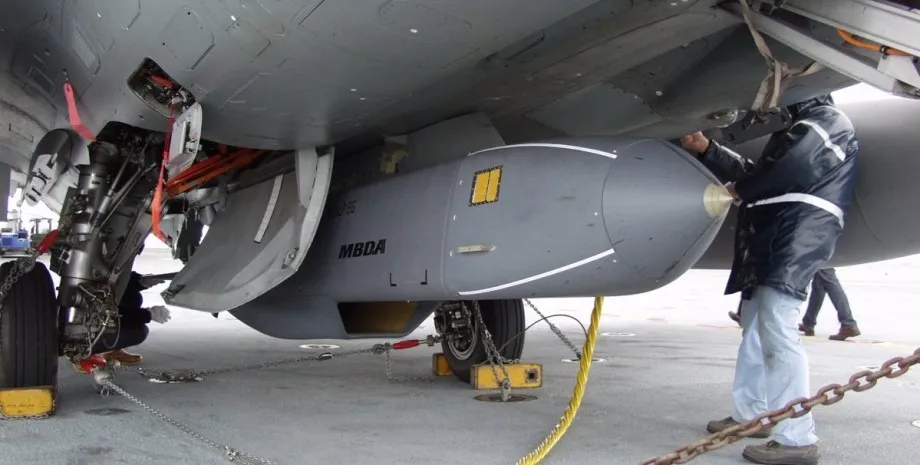
That is why attacks on refineries, fuel depots and logistics nodes have become strategically significant. Ukraine’s drone campaign does not replace trench warfare, but it stretches the battlefield into Russia’s industrial system. It forces Moscow to spend resources on air defence, repairs, fuel redistribution and the protection of infrastructure far from the line of contact.
Putin’s call to increase production of air defence systems is an indirect admission of the new reality. Russian territory is no longer a guaranteed rear area. Even when these strikes do not shift the front line immediately, they change the cost structure of the war for Moscow.
Fuel shortages are not merely an economic inconvenience. They are a political signal. For years, the Russian state presented the war as a distant operation that should not disrupt ordinary life in major cities and regions. Queues, rationing, refinery fires and transport pressure weaken that distance.
The Kremlin is trying to answer with two messages. First, that the front remains more important than attacks on infrastructure. Second, that Russia can manage the disruption through reserves and administrative control. Yet the need to explain the situation at all shows that Ukraine’s drone strategy has touched a sensitive point.
For Kyiv, long-range strikes are a form of asymmetric pressure. Ukraine lacks Russia’s strategic depth, but it can hit the nodes where a large system becomes vulnerable: oil, logistics, storage facilities, defence production and supply routes to occupied territories. This is no longer only a war for kilometers. It is also a war over the enemy’s ability to sustain tempo.
At the same time, Putin is trying to keep a diplomatic channel with Washington open. The expectation of renewed contacts with American envoys shows that Moscow has not abandoned negotiations as an instrument. It has rejected only the kind of negotiation that would require Russia to stop before reaching its territorial objectives.
That position makes any peace process dependent on the battlefield. If Moscow believes it can push further in Donetsk or improve its position in the south, it will not accept a frozen line as an endpoint. If Ukraine proves it can raise the cost of war inside Russia’s economic infrastructure, it strengthens its own negotiating position.
This is the shape of the next phase. The front remains central, but it is no longer the only dimension. Russian air defence, the fuel market, refineries, Crimea’s logistics and international diplomacy are now part of the same strategic knot. Every strike on the rear becomes part of a future negotiation, even when no real negotiation is taking place.
For Ukraine, the danger is that Russia will use talk of peace as cover for a continued offensive. For Russia, the danger is that a prolonged war will expose more of its internal infrastructure to attack. Both sides are entering a phase in which endurance matters as much as territorial movement.
Putin’s refusal to limit long-range strikes shows that the Kremlin is not seeking de-escalation unless it locks in Russian demands. Its bet is to maintain pressure in Donbas, Zaporizhzhia and Kherson while persuading Russian society that refinery attacks and fuel disruptions do not affect the course of the war.
That claim may be the weakest part of Moscow’s argument. Wars of attrition rarely break after one strike. They change when accumulated losses, shortages, logistical failures and political expectations begin to act together. Ukrainian drones do not cancel the front, but they expand it to the edges of the Russian state system.
Putin’s statement is therefore more than another rejection of a Ukrainian proposal. It is an acknowledgment that the war has moved beyond the line of contact. Moscow wants to force Ukraine to concede territory. Ukraine is trying to make Russia feel the cost of that demand at home. The current prospect for peace lies between these two strategies.