


















Vladimir Putin has spoken of peace at the very moment he insisted that Russian forces are advancing every day. That contradiction is now central to the Kremlin’s strategy: to display readiness for diplomacy while filling it with conditions that would amount to a strategic defeat for Ukraine.
Publicly, Putin stayed within his hard-line frame. He said Russia holds the advantage in manpower, industrial capacity and political will, and that its offensive continues daily. At the same time, he sought to portray Kyiv as the side blocking a quick end to the war because it refuses to accept “compromises.”
The substance of those “compromises” is not new. Moscow is still demanding that Ukraine surrender territory Russia has failed to fully seize on the battlefield. Above all, that means Donbas — a region where any Ukrainian withdrawal would mean not only loss of land, but a dangerous weakening of the country’s defensive depth.
According to Daycom’s assessment, Putin’s remarks do not signal a genuine turn toward peace. They show an effort to turn diplomacy into the continuation of Russia’s offensive by other means: if the front cannot give the Kremlin everything it wants, negotiations should.
Putin tied a possible settlement to Donald Trump’s ideas and to understandings he said were discussed at their meeting in Alaska. That framing serves Moscow well. It lets Russia speak not of its own ultimatums, but of a supposedly existing formula that Ukraine is merely expected to accept.
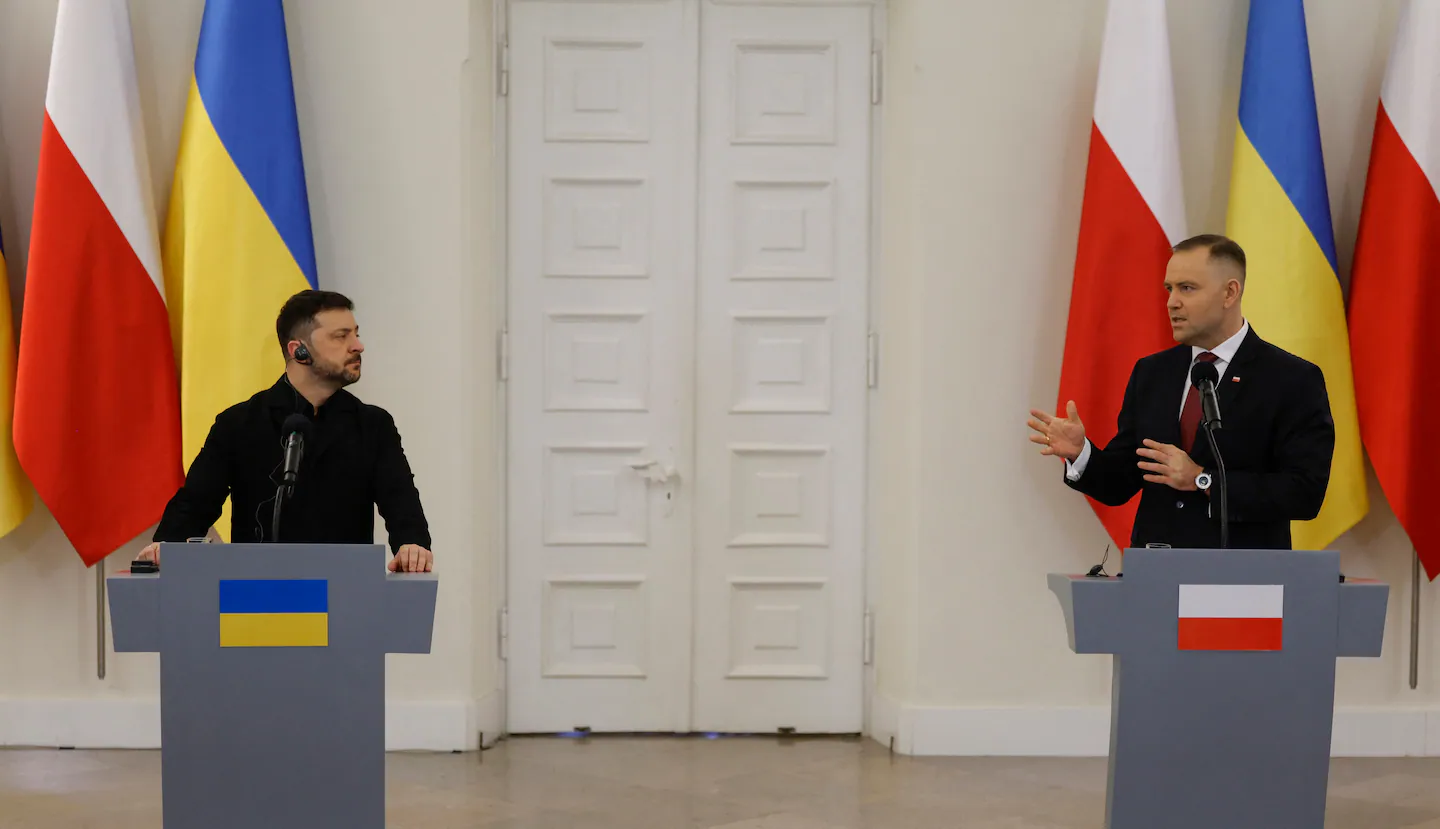
For Kyiv, that logic is unacceptable. Volodymyr Zelensky, by contrast, has proposed direct talks with Putin from a different position: not to formalize Ukrainian concessions, but to make an actual decision on ending the war. His message was an attempt to return responsibility to where it belongs — the Kremlin.
Zelensky also made clear that Ukraine is prepared to keep fighting if Moscow chooses war. That distinction matters. Kyiv is not rejecting negotiations. It is rejecting negotiations as a trap in which “peace” means recognizing Russian conquest and preparing the ground for the next attack.
Putin is trying to persuade the world that time is on Russia’s side. He speaks of control over Luhansk, much of Donetsk and a large part of Zaporizhzhia. But he does not acknowledge the central fact: the full-scale war the Kremlin expected to win quickly is now in its fifth year and has become a grinding conflict without a quick end for Russia.
Russia’s offensive is continuing, but its pace and cost do not match Moscow’s imperial claims. Western and Ukrainian analysts increasingly point to slowing Russian advances, immense losses and limited results after months of attacks.
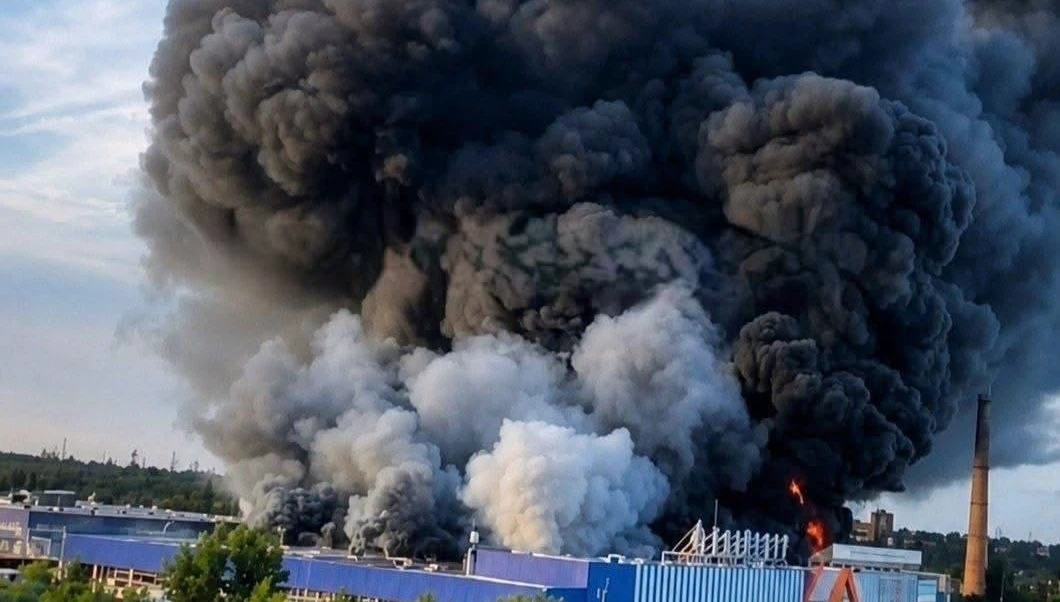
That is why Putin is projecting confidence while also admitting problems. His statement that Russia must improve its air defenses is an indirect acknowledgment of a new reality: Ukrainian drones and missiles are increasingly reaching Russia’s rear, oil infrastructure, military sites and symbolic centers.
For the Kremlin, this is a painful shift. Russia built the war as a one-sided pressure campaign: its missiles would strike Ukrainian cities while Russia’s rear remained protected. That asymmetry is breaking down. Moscow now has to speak not only about advancing, but about defending its own space.
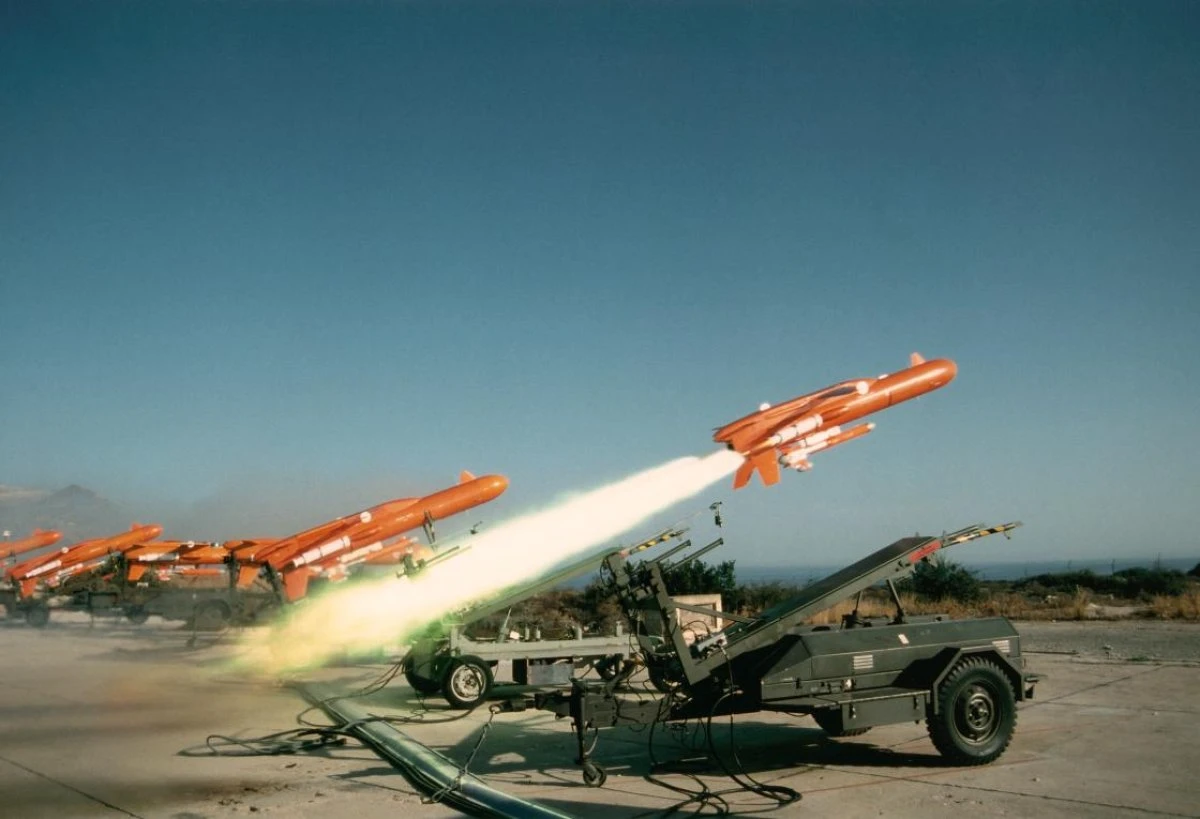
Against that background, Putin again invoked hypersonic weapons. The reference to the Oreshnik missile was less military than psychological. The Kremlin wants to remind Ukraine and the West that it can raise the stakes, threaten cities and force everyone to calculate the risk of escalation.
Those threats are part of the negotiating performance. Putin speaks of peace, but places a missile on the table beside it. He speaks of compromise, but demands territory. He speaks of ending the war, but defines that end as the moment Ukraine accepts Russian terms.
In this logic, Trump is useful to the Kremlin not because he guarantees a just peace, but because he may be eager for a deal. Putin understands that the American president is occupied with Iran, domestic politics and the desire to show a diplomatic result. For Moscow, that creates an opening to push a fast settlement at Ukraine’s expense.
That is also why Putin mentioned the European Union as a possible channel of influence over Kyiv. It was an attempt to shift responsibility onto Ukraine’s partners: they should persuade Kyiv to agree. But for Europe, that role would be dangerous. If it becomes a vehicle for pressuring Ukraine into territorial concessions, it would undermine the very logic of supporting Kyiv.
Donbas remains the central issue. For Moscow, it is a symbolic and military prize. For Ukraine, it is a region of cities, people, defensive lines and strategic depth. Withdrawal from the part still under Ukrainian control would not be a neutral “compromise.” It would create a new platform for future Russian pressure.
The Kremlin understands this well. That is why it is demanding at the table what it has not been able to take fully by force. This is the central deception of Russia’s peace rhetoric: it masks not a desire to end the war, but a desire to consolidate its gains without paying further costs.
Zelensky, meanwhile, is trying to change the psychology of negotiations. His openness to a direct meeting with Putin is not weakness if it is backed by Ukraine’s ability to hold the front and strike Russia’s war economy. Kyiv wants to speak not as a side losing time, but as a side that can also impose costs on the aggressor.
That is why strikes on Russian oil, military and logistics infrastructure have become part of Ukraine’s diplomatic language. They do not replace negotiations, but they make them less one-sided. Russia must understand that continuing the war will not cost Ukrainians alone.
Putin’s peace formula remains a formula of coercion. It assumes Ukraine must concede, the West must pressure Kyiv, Trump must formalize a political result, and Russia must keep what it seized and call that the end of the conflict.
But the war has already changed the context. Ukraine did not collapse. Russia did not win quickly. Russia’s rear is no longer untouchable. Western support, despite crises and disputes, has not disappeared. Putin’s statements therefore sound less like the voice of a winner than an attempt to impose negotiations before the cost to Russia rises further.
Peace can indeed come through diplomacy. But not through a diplomacy in which the aggressor calls capitulation compromise. As long as Putin speaks of ending the war in the language of territorial demands and missile threats, his peace rhetoric remains another instrument of war.