




















Marco Rubio is heading to Rome not merely as America’s chief diplomat. His visit is an attempt to repair two cracks at once — one in Washington’s relationship with the Vatican, the other with the Italian government. Both opened where U.S. foreign policy collided with the moral language of the Holy See.
Rubio is expected to meet Vatican leadership on Thursday and Italian officials the following day. Formally, the agenda will concern allies, security and international crises. In reality, the mission is more delicate: Washington is trying to cool a dispute that became personal between President Donald Trump and Pope Leo XIV.
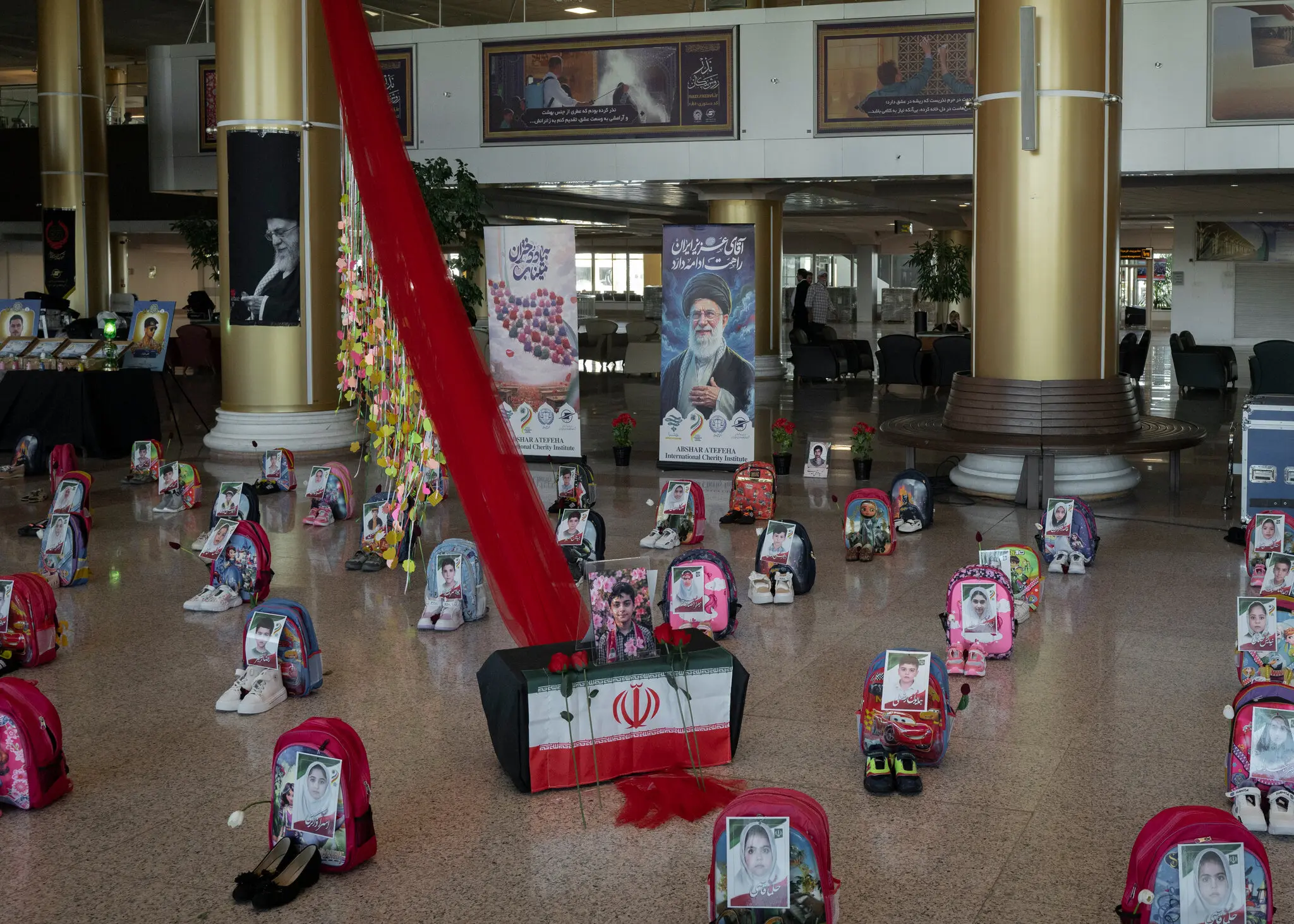
The conflict began with the war against Iran. The pope criticized the logic of military violence and warned against using Christian language to justify attacks. For the Trump administration, that sounded less like a theological warning than a political challenge.
According to Daycom’s earlier analysis, the quarrel is dangerous for Washington precisely because it cannot be reduced to an ordinary diplomatic misunderstanding. Leo XIV is the first American pope, and his criticism of American power lands for Trump not as an external rebuke, but as an internal moral fracture.
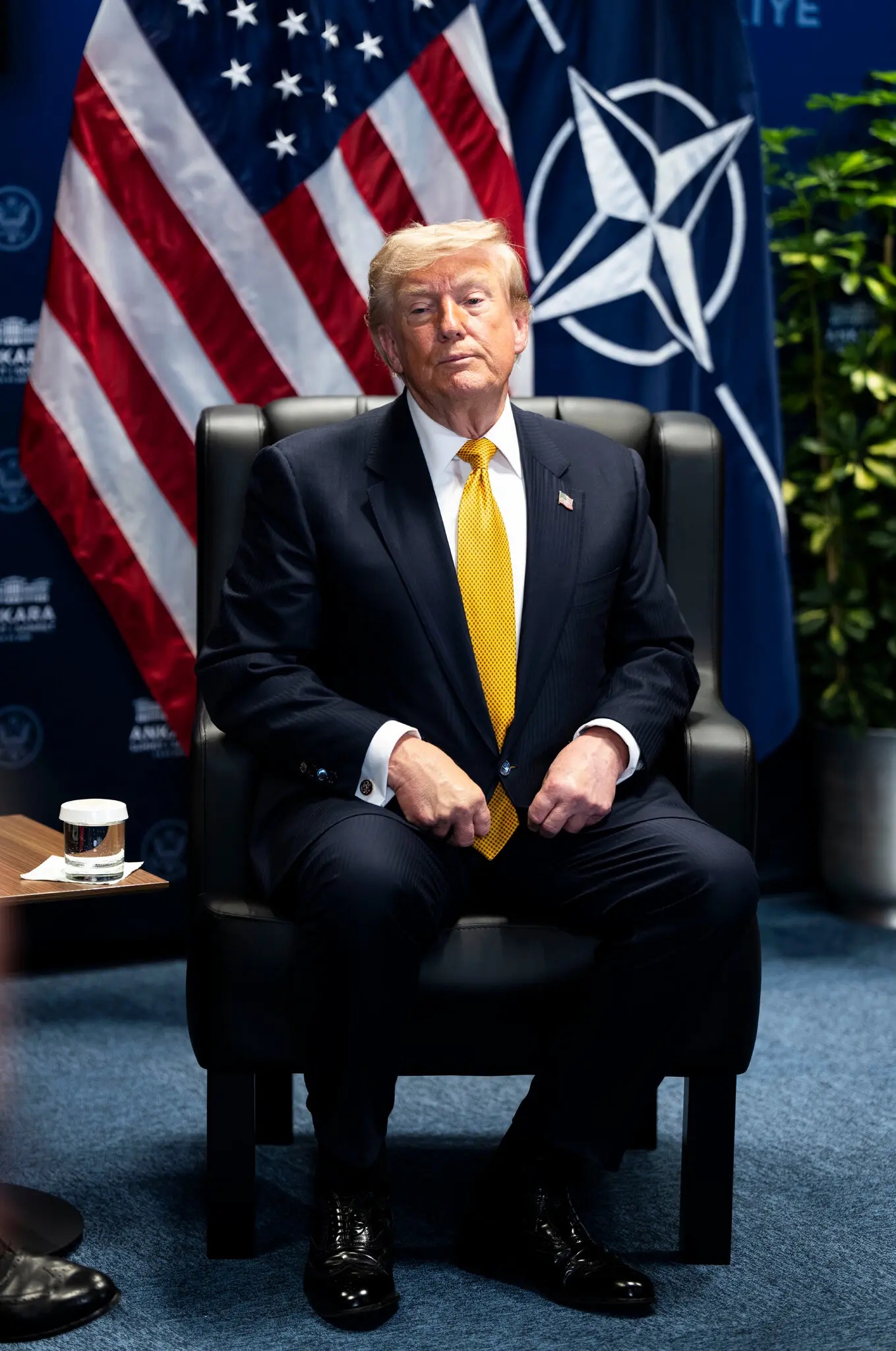
The president responded in his familiar style: personally and publicly. He accused the pontiff of being soft, politically biased and blind to security threats. But a conflict with the Vatican does not work like a party fight. The pope is not an electoral rival, and the Holy See does not need cable television ratings.
Leo XIV, for his part, did not retreat. His statement that he feared neither the Trump administration nor the duty to speak loudly about the Gospel marked the point at which the dispute stopped being indirect. The pope was effectively reminding Washington that the Church’s moral authority is not an extension of American strategy.
For Italy, the tension became especially awkward. Giorgia Meloni had long been one of Trump’s closest European allies, but the war with Iran and the attacks on the pope forced her to draw a line. Her statement that Trump’s remarks about the Holy Father were unacceptable amounted to a rare public break with Washington.
Trump then turned his criticism on Meloni herself, saying he was shocked by her position. For the Italian prime minister, that created a difficult balance. She cannot afford to look anti-American, but she also cannot remain silent when a U.S. president attacks the pope in a country where the Vatican is not only a neighbor, but part of the political and cultural fabric.
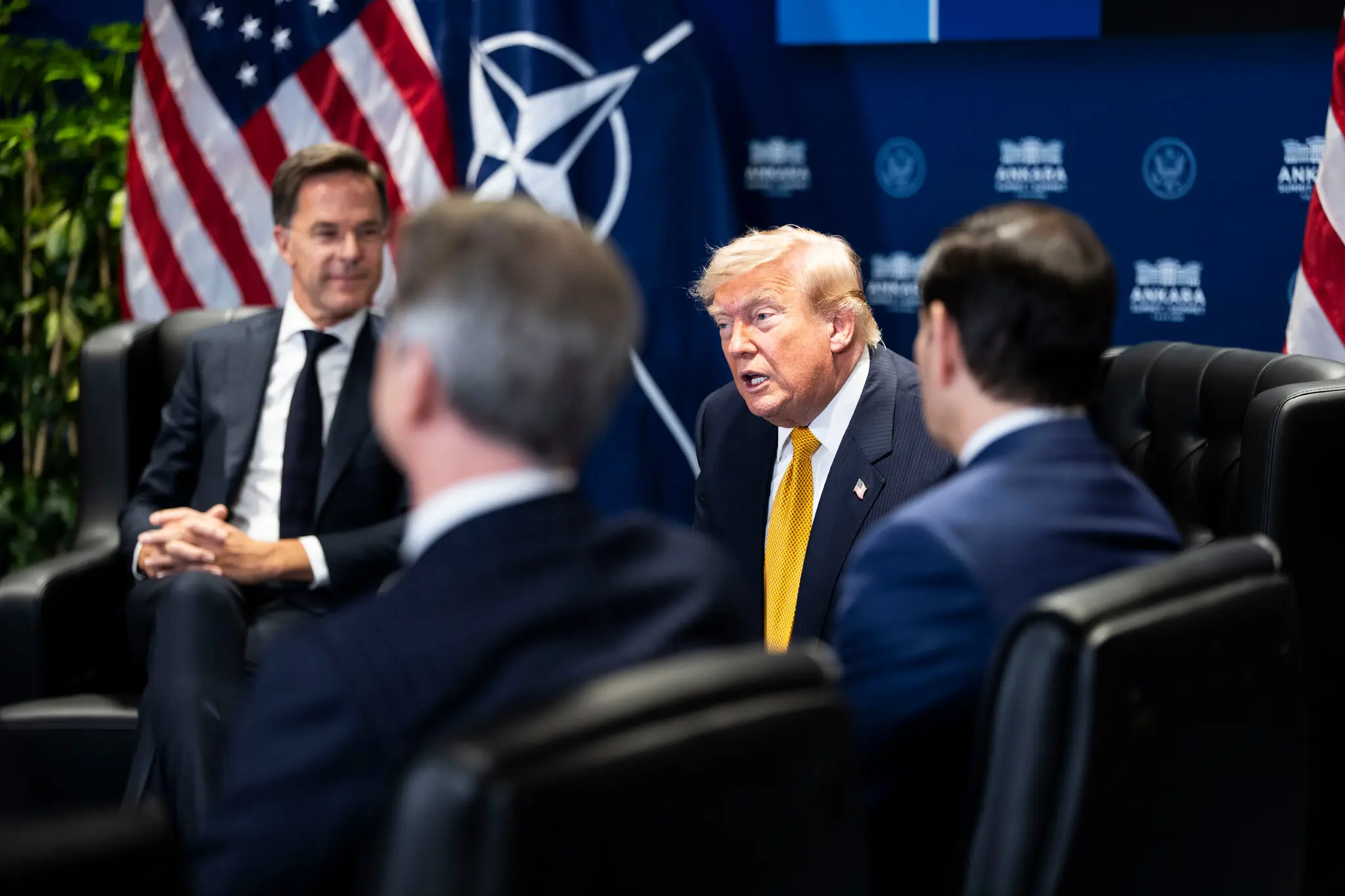
That is where Rubio’s role becomes critical. He must do what diplomats in Trump’s second administration are increasingly required to do: turn the president’s sharp personal statements into a manageable negotiating process. His mission is not so much to announce a new policy as to stop the loss of trust.
For the Vatican, the meeting with Rubio offers a chance to restate its position without escalating further. The Holy See traditionally speaks the language of peace, humanitarian law and the protection of civilians. But in the current setting, that language has become politically charged. When Washington is at war, a call for peace inevitably sounds like criticism.
For the United States, the problem runs deeper than one papal speech. The Trump administration is increasingly facing European partners who are no longer willing to automatically support American force. The refusal of several allies to join the campaign against Iran has strengthened the sense that trans-Atlantic unity no longer works by old reflexes.
Rome matters here not only as Italy’s capital. It is a place where NATO, the European Union, Catholic diplomacy, Mediterranean security and the Middle East agenda all intersect. If Washington is quarreling there with both the government and the pope, the problem has moved beyond protocol.
Meloni also has limited room to maneuver. Her political base includes conservative voters for whom Catholic tradition still carries weight. Defending the pope allows her to show independence without moving into an openly anti-American posture. But the space is narrow.
Rubio, a Catholic and an experienced politician, may be a more comfortable interlocutor for the Vatican than many others in the administration. He can speak not only in the language of strategic interests, but also in the language of religious sensitivity. Still, that will not guarantee success if the White House continues to attack the pontiff in public.
The episode reveals a broader crisis in American diplomacy. Allies no longer respond only to formal documents and military guarantees. They respond to posts, interviews, insults, personal attacks and theatrical gestures. Diplomacy is being forced to clean up after a political style that creates its own fires.
For Pope Leo XIV, this is also a test of the first year of his pontificate. He came to the papacy as an American pope, but not as a representative of the American state. His clash with Trump shows that national origin does not translate into political loyalty to Washington.
The coming meetings are unlikely to produce a dramatic breakthrough. They are more likely to restore a minimum working channel between the parties. The Vatican will not abandon its antiwar language, Meloni will not want to look weak before Trump, and the White House is unlikely to admit error openly.
But diplomacy often begins not with reconciliation, but with a return to a tone in which conversation is still possible. That is what Rubio must bring to Rome: not a new doctrine, but a way to lower personal offense into the realm of political discussion.
If he succeeds, Washington will buy time. If he fails, the conflict with the pope and Meloni will become another sign that Trump’s America is finding it harder to hold even those allies once most willing to understand it. In Rome this week, the issue is not only polite audiences and official meetings. It is the limit of American influence when the force opposing it is not an army, but moral authority.