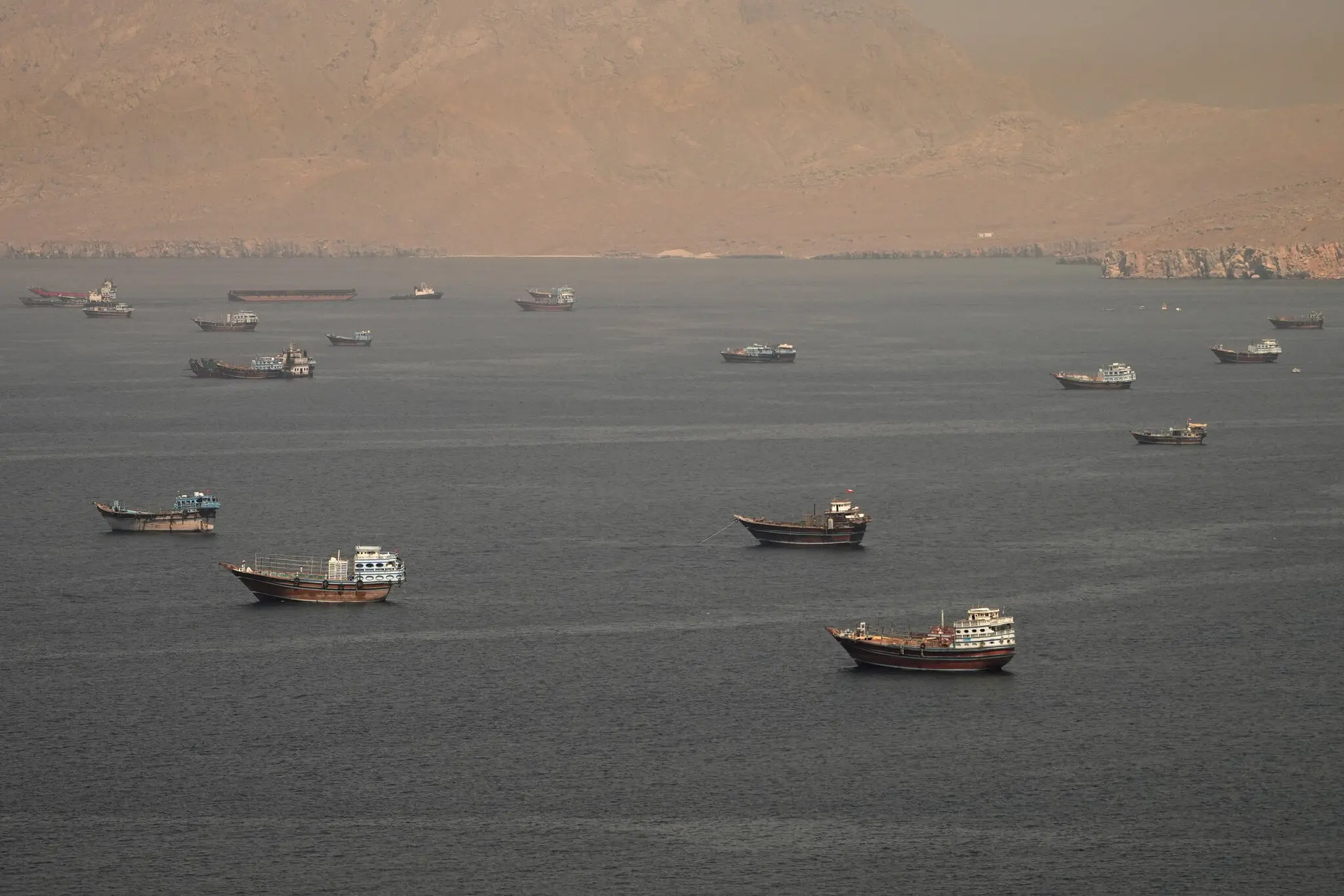






















Ukraine’s combines are already moving through the fields, but the greatest threat to this year’s harvest has emerged far from the farmland. For nearly two weeks, no vessel entered the ports of the Odesa region, which handle most of the country’s grain exports.
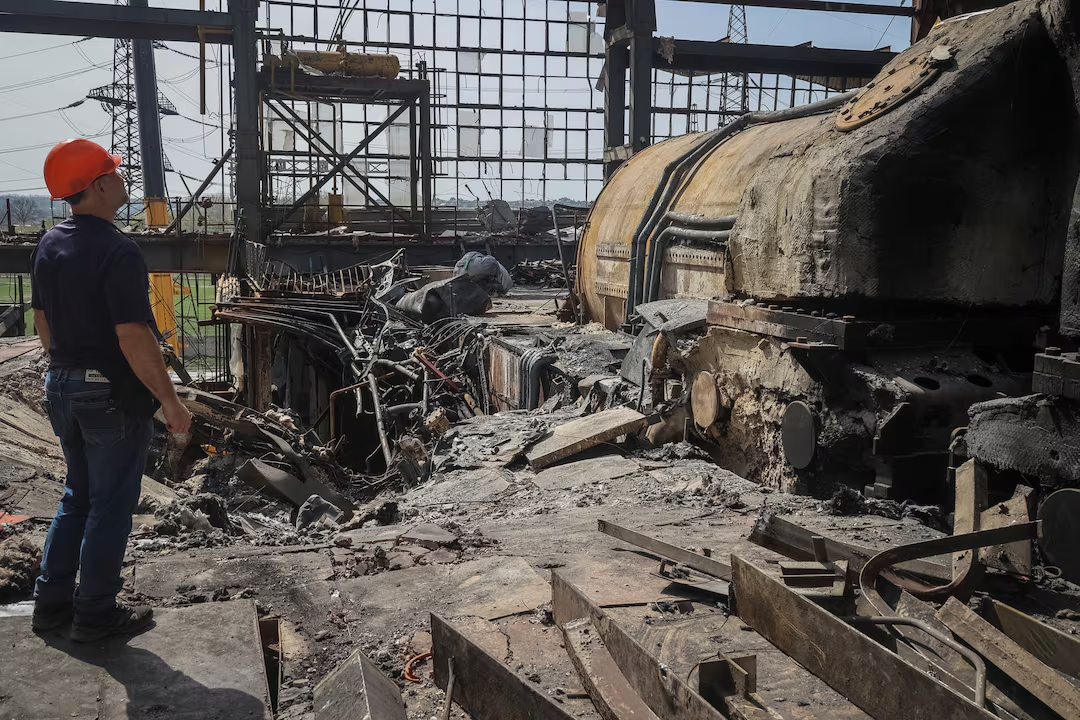
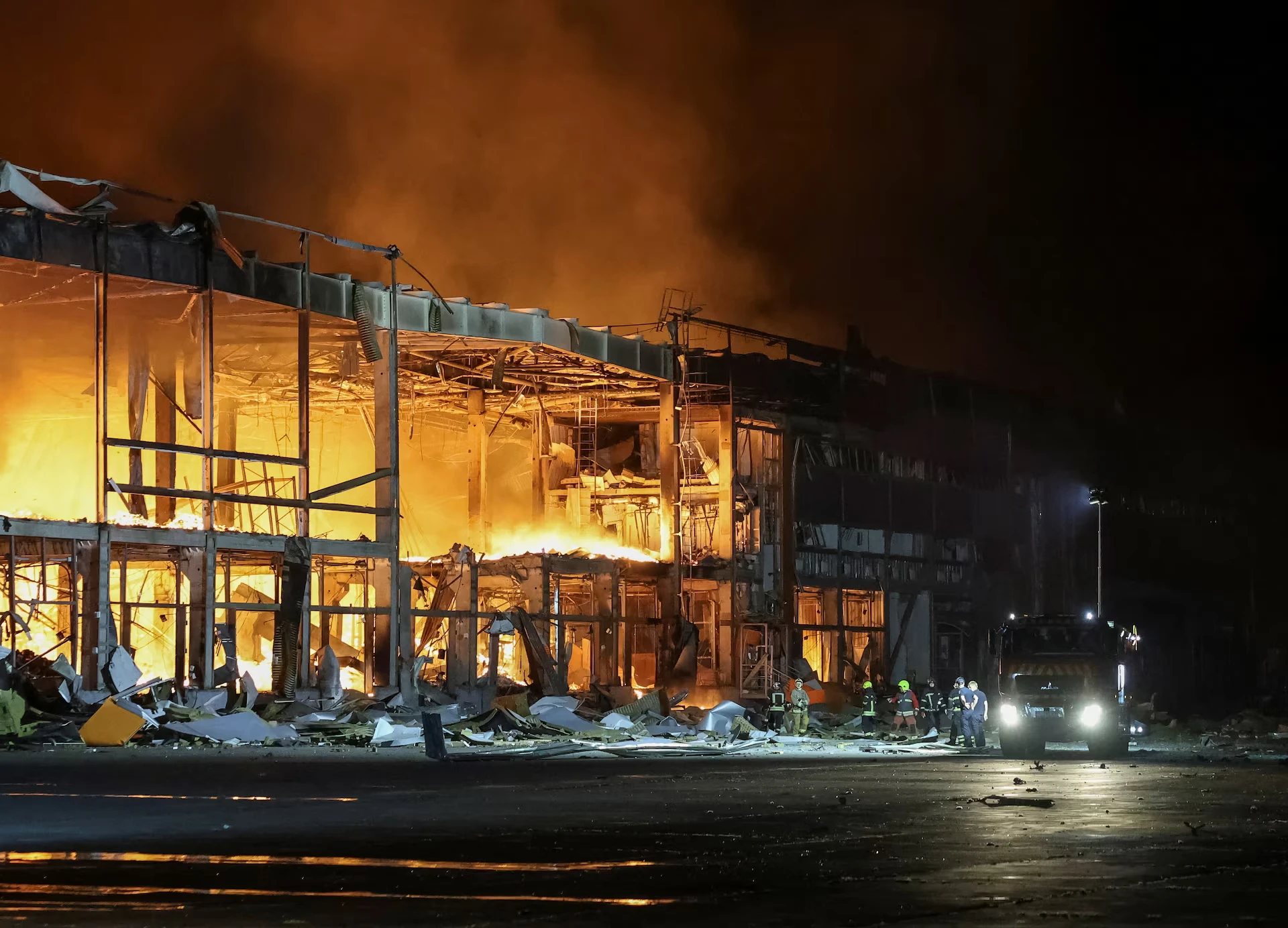
Russia has sharply intensified attacks on civilian ships, port facilities and maritime routes. In July alone, Ukraine recorded 35 strikes on vessels inside ports, 22 attacks on ships at sea and 67 strikes on port infrastructure.
Across all of 2025, only 14 attacks on vessels were recorded. The new level of violence changed commercial behavior faster than any formal declaration of blockade could have done: shipowners simply stopped sending vessels to Ukrainian ports.
In Daycom’s assessment, Russia is rebuilding a maritime blockade not by announcing a closed zone, but by steadily increasing the cost of risk. A few successful strikes can raise insurance premiums, deter crews and make freight economically unviable.
That is why one missile or drone striking a single vessel can affect dozens of others. Only a handful of ships may be physically damaged, but the entire flow of trade slows because private operators are unwilling to turn every voyage into a military mission.
Ukraine now risks losing the ability to export more than 30 million tons of grain and oilseeds. That represents roughly half of the agricultural production expected to be sold abroad.
The country had estimated an exportable surplus of about 43 million tons for the current season. Without reliable access to the Black Sea, a large share of that volume will remain inside Ukraine, where domestic demand cannot absorb it.
For the agricultural sector, this is more than a delay in revenue. Excess grain pushes down farm-gate prices, fills storage facilities and deprives producers of the cash needed for the next planting season.
Prices received by Ukrainian farmers for grains and oilseeds have already fallen by an average of 30 percent. The problem is not a poor harvest. It is the increasing cost and difficulty of reaching buyers.
Grain that cannot be delivered quickly loses much of its commercial value. It remains a physical asset, but it stops functioning as liquid inventory capable of financing a farm’s daily operations.
Direct losses to Ukrainian agriculture could reach between $1.5 billion and $3 billion this year. The eventual cost may be higher if producers cannot afford seed, fuel, fertilizer and machinery for the next season.
At that point, the current logistics crisis would become a production crisis. Reduced planting and weaker investment would affect not only exports in 2026, but harvests for years to come.
The government has taken its first emergency step by adjusting minimum export-price rules. The measure may give producers more flexibility, but no regulatory change can replace a maritime corridor capable of moving millions of tons.
Rail, road transport and Danube ports remain the main alternatives. Ukraine relied heavily on these routes during the first months of the full-scale invasion, when Black Sea trade nearly stopped.
Rail is expected to carry the largest burden. Yet Ukrainian and European tracks use different gauges, requiring cargo to be transferred or railcar bogies to be changed at the border.
Each transfer takes time, requires specialized terminals and creates queues. A vessel can carry in one voyage what railways need hundreds of wagons to move.
Road transport is even more expensive and poorly suited to very large volumes. Trucks can support individual corridors but cannot systematically move tens of millions of tons of grain.
Danube ports previously became Ukraine’s principal emergency outlet. This year, drought has weakened that option: water levels have fallen to historic lows, limiting river transport until at least October.
Even under favorable conditions, alternative routes will not reach a relatively stable operating level before the end of August. Once they do, they are expected to handle only about 50 to 55 percent of the monthly capacity of the Black Sea ports.
The ports of greater Odesa can move roughly six million tons a month. Rail, the Danube and road transport together may replace only a little more than half of that volume.
This makes the alternative corridors a temporary insurance mechanism, not a true substitute. They can prevent complete collapse, but they cannot preserve the previous scale of Ukraine’s grain trade.
They also add between $45 and $50 to the cost of every ton exported. For low-margin crops, that increase can erase most of the profit or make shipments commercially impossible.
The burden is distributed across the supply chain. Farmers absorb part of it through lower purchase prices, traders take another share, and the rest reaches foreign consumers through more expensive food.
Exports cannot be restored by a single decision. Even if ships returned to Odesa tomorrow, it would take at least a month to recover the volumes seen before the disruption.
Shipowners would need new guarantees, insurers would have to reassess risk, and ports would need to repair damaged capacity. At the same time, accumulated stocks would have to be cleared from terminals and storage sites.
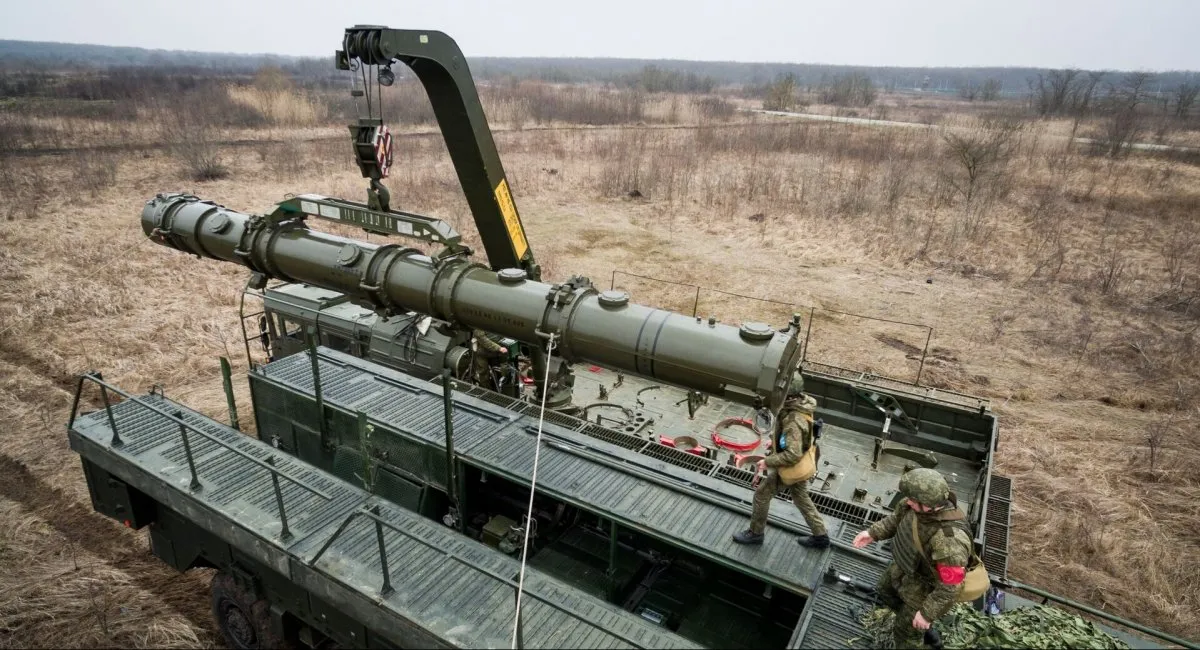
Russia describes its strikes on logistics facilities as attacks on military-related infrastructure. The practical result has been the suspension of civilian shipping and a direct threat to food exports.
Moscow has also reported Ukrainian strikes on Russian agricultural facilities and commercial vessels in the Black Sea. The asymmetry remains substantial: maritime exports are essential to the survival of Ukraine’s agricultural sector, while Russia has a wider network of ports and alternative routes.
Russia is already the world’s largest wheat exporter. Weakening its Ukrainian competitor produces not only a military advantage, but also a commercial one by expanding Moscow’s market share and pricing power.
In recent seasons, Ukraine supplied about 6 percent of global wheat exports and roughly 11 percent of corn exports. It is also a major exporter of oilseeds and vegetable oils.
Removing even part of those volumes from international markets would affect food prices quickly. The greatest burden would fall on countries where households spend a large share of their income on basic food.
For an affluent consumer, more expensive wheat may mean a slightly higher grocery bill. For a poor family in North Africa, the Middle East or Asia, it may mean eating less.
That is why maritime security around Odesa is not merely a Ukrainian concern. It is directly connected to global food security, inflation and the political stability of countries dependent on grain imports.
Earlier food crises have shown that a sharp rise in bread prices can trigger social unrest and increase migration pressure. The consequences of attacks in the Black Sea can travel far beyond the region.
Western partners have supported Ukrainian agricultural logistics with financing, equipment and expanded land corridors. These measures address the effects of the blockade without removing its cause.
The central issue remains the physical safety of ships. Without effective air defense, maritime surveillance and the ability to deter Russian strikes, commercial traffic will not return to a stable pattern.
Insurance can absorb part of the risk, but it cannot make risk unlimited. Once the probability of attack becomes too high, a financial guarantee is no longer enough to persuade a crew or shipowner to sail.
Ukraine needs a system combining port defense, maritime monitoring, rapid terminal repairs and reserve export routes. None of these elements can solve the problem alone.
Ports must be protected, but storage also needs to be dispersed. Sea traffic must resume, while rail and Danube corridors should be expanded as permanent backup systems.
Such a restructuring would require billions of dollars in investment. It would also reduce Russia’s ability to halt half of Ukraine’s exports with one month of concentrated attacks.
The crisis has exposed a structural weakness in an agricultural model dependent on a handful of large ports. In peacetime, concentration keeps logistics cheap. In war, efficiency becomes vulnerability.
For farmers, time is already decisive. The harvest adds pressure to storage capacity every day, while alternative routes have not yet reached the volume required.
If the port blockade continues, farms will be forced either to sell at steadily lower prices or store grain without any guarantee of future access to markets. Smaller producers may not survive the season.
Russia’s strategy is designed around precisely this cumulative effect. A strike on a vessel lasts seconds, but falling prices, depleted working capital and reduced planting unfold over years.
Alternative corridors will help Ukraine export part of the harvest, but they cannot replace the Black Sea. Their role is to limit the damage while Kyiv and its allies search for a way to restore safe shipping.
Without Odesa, Ukraine can remain a major agricultural producer, but it will find it increasingly difficult to remain a major exporter. Without Ukrainian grain, global markets will become more expensive, less stable and more dependent on Russia.
That is the deeper purpose of the maritime pressure: not merely to destroy a few warehouses or vessels, but to alter the geography of trade itself. As long as ships remain outside Ukrainian ports, Russia can turn the Black Sea from an international route into an instrument of economic coercion.