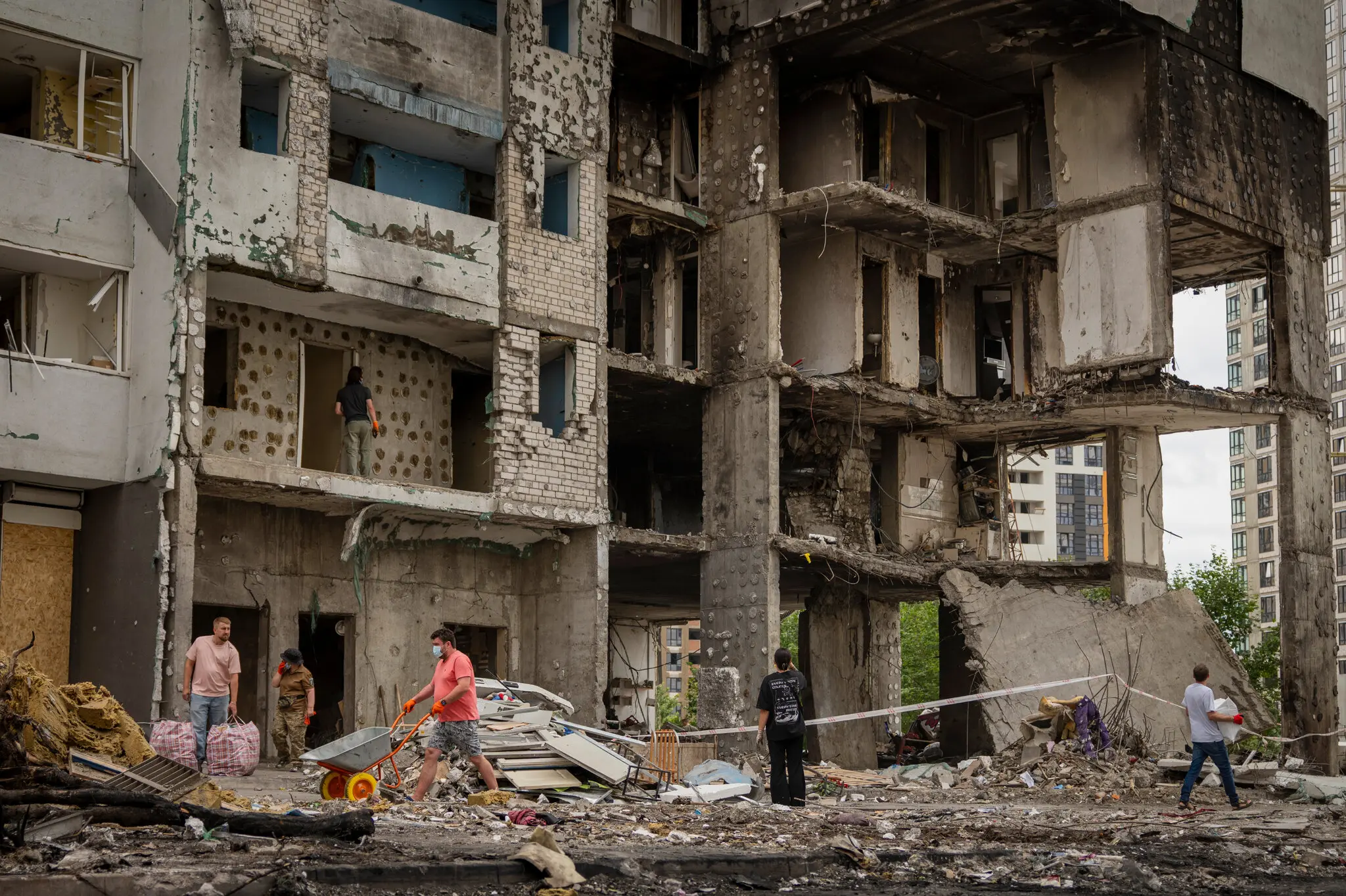



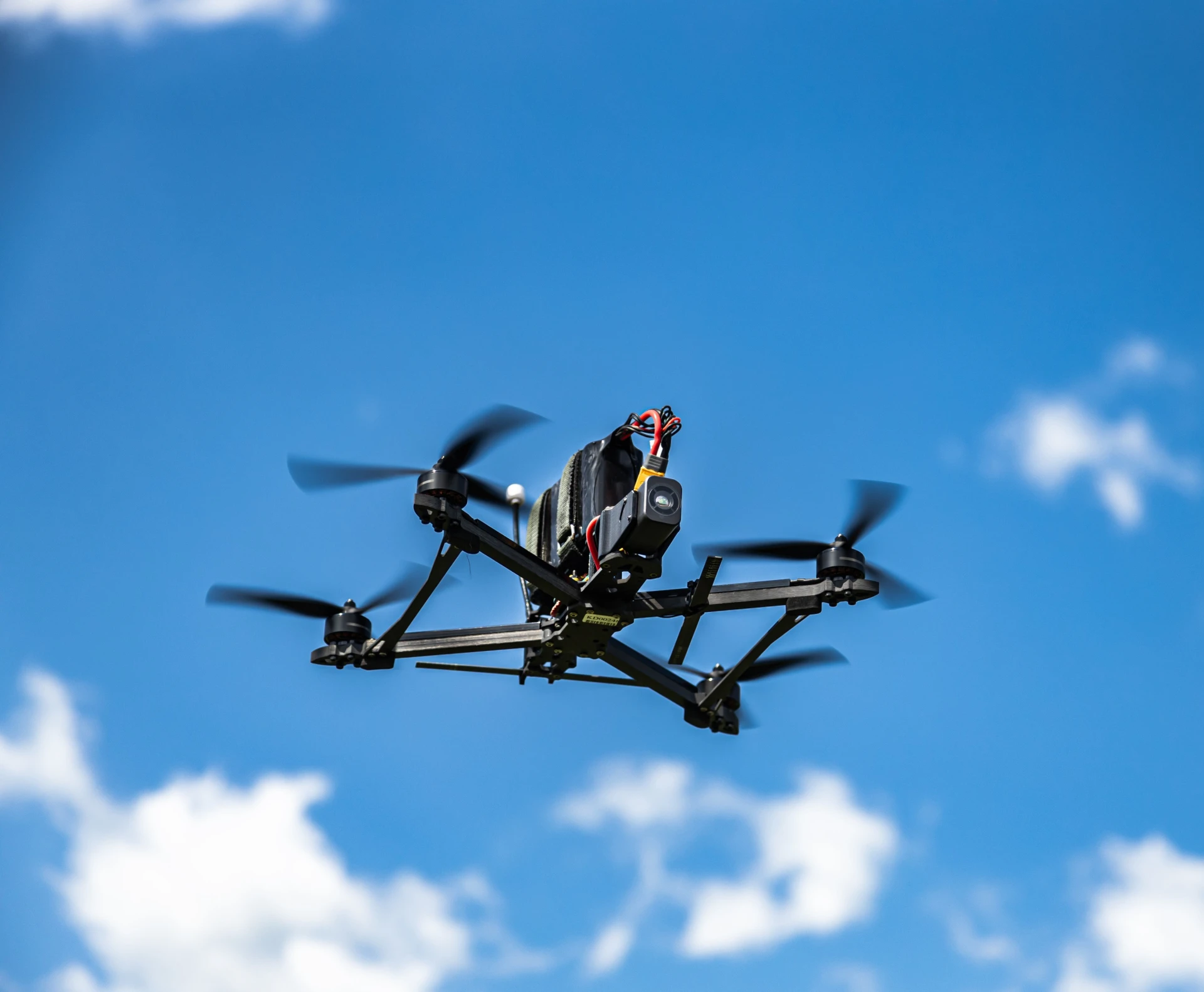


















On April 1, Russia carried out one of its most revealing air assaults in recent weeks. What appeared at first to be a rare daytime drone raid turned out to be part of an almost continuous 24-hour wave. More than 700 attack drones were launched over the course of the day and night combined, with over 360 of them sent during daylight hours alone. Four people were killed in central Ukraine, others were wounded in several regions, and some of the strikes reached their targets.
The most important fact is not the raw number by itself. Russia had already shown it could push the scale even higher in late March. What matters now is the pattern. Daytime mass drone attacks are no longer an exception. They are beginning to look like part of a stable tactical model. Moscow is no longer relying on darkness alone as its natural ally. It is testing a regime of nearly continuous aerial pressure.
Geography matters just as much as volume. The drones moved not only across central Ukraine but deep into the west, reaching regions long treated as the country’s rear. Energy and infrastructure sites were hit, and electricity outages followed in parts of western Ukraine. Once strikes extend this far from the front, the point is no longer simply to damage isolated facilities. It is to erase the distinction between battlefield and hinterland.
By Deykom’s preliminary assessment, this is more than another attempt to overwhelm air defenses through repetition. It signals a change in the tempo of the war in the sky. When attacks continue through the night and into the day, Ukraine’s defensive system is forced to operate without pause. Air defense crews, mobile fire groups, ammunition stocks, repair teams, energy networks and civilian attention all come under constant strain. Even a high interception rate does not eliminate the strategic effect if a portion of the drones still breaks through.
The deaths in Cherkasy region exposed another dimension of this shift: the changing psychology of civilian vulnerability. Night attacks are understood almost instinctively. A siren after dark carries an immediate message to take cover. Daytime attacks are different. People are commuting, working, standing outdoors, moving through routine, and are more likely to underestimate the danger posed by falling debris, delayed detonations and secondary blasts. A daytime raid enters ordinary life more directly, precisely because it arrives when life is still moving.
The strikes on western Ukraine carry a second, quieter meaning. They undermine the idea of the rear as a space of relative stability where energy systems can be repaired, factories can function, logistics can be organized, relocated businesses can operate and transit routes to the European Union can remain dependable. Once western regions come under sustained pressure, war expands across the entire country not only as a security threat, but as a permanent burden on economic resilience and state management.
In that sense, the interception figures are both impressive and alarming. Ukraine continues to shoot down the overwhelming majority of incoming drones, and that reflects a high level of defensive effectiveness. But the scale of the new model changes the standard by which success is measured. When hundreds of drones are intercepted and strikes still land, civilians still die and electricity still goes out, Russia does not need an operational breakthrough to achieve an effect. It needs only to sustain attrition.
This is why the April 1 attack should not be read as a standalone episode. It looks increasingly like part of a new series. After the record drone waves of late March and now another massive day-night assault, it is difficult to describe these barrages as isolated spikes. A new norm appears to be taking shape: Russia is moving from a strategy of nocturnal drone terror to one of near-continuous aerial pressure, in which the goal is not only destruction, but the normalization of danger itself.
That is why the central question has now changed. It is no longer enough to ask whether Ukraine can intercept most of the drones. It can, and it does. The deeper question is whether Russia can impose a pace of attack at which even successful defense becomes a form of permanent exhaustion — for people, for infrastructure and for the economy. Judging by the daylight raid of April 1, that is the scenario Moscow is now trying to build.